
In the modern era of sports, data is the undisputed king. For golfers, the most critical data point has always been the “handicap”—a numerical representation of a player’s potential ability. Traditionally, calculating this number involved complex manual arithmetic, paper ledgers, and a significant margin for human error. However, the question “what’s my golf handicap?” is now answered by a sophisticated ecosystem of software, cloud-based algorithms, and high-precision hardware. Today, the golf handicap is no longer just a number on a scorecard; it is a dynamic digital asset managed by global technological frameworks.

The Algorithmic Foundation: The World Handicap System (WHS)
The transition of the golf handicap from a local club tradition to a global digital standard culminated in the implementation of the World Handicap System (WHS). This transition was, at its core, a massive software migration project aimed at unifying disparate regional systems into a single computational logic.
The Core Formula: More Than Just Average Scores
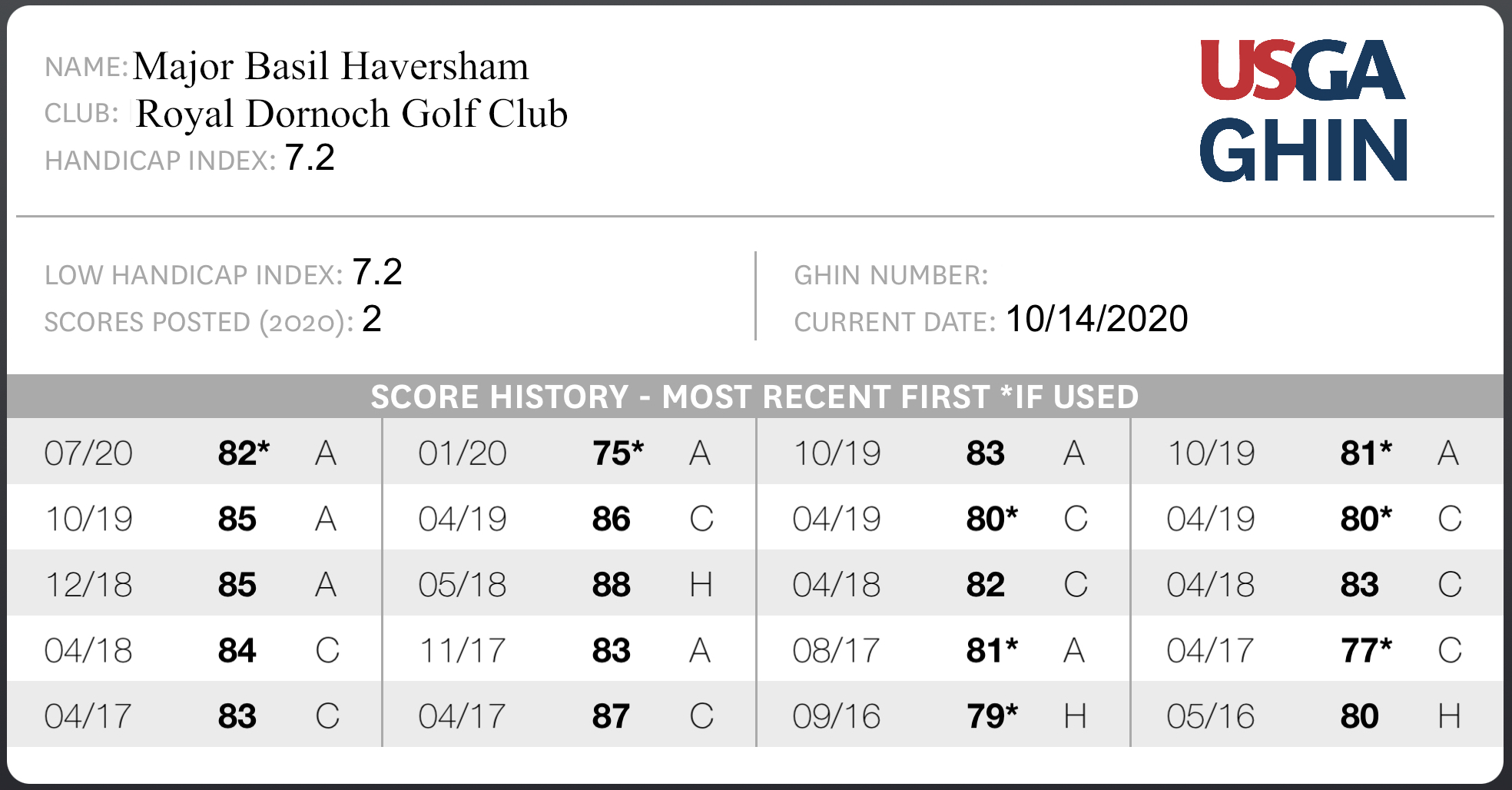
At the heart of modern golf technology is the algorithm that translates raw scores into a “Handicap Index.” Unlike a simple average, the WHS uses a weighted calculation that looks at the best 8 scores out of the last 20 played. This requires a robust database capable of tracking historical performance while applying complex variables such as Course Rating and Slope Rating. Technology allows this formula to be applied instantly. The moment a score is submitted via a digital portal, the back-end processor calculates the “Score Differential”—the numerical gap between the player’s performance and the course’s difficulty—adjusting for the specific tees played.
Data Integrity and Peer Review in the Digital Age
One of the greatest challenges in digital sports management is ensuring data integrity. To prevent “sandbagging” (artificially inflating a handicap), the WHS technology incorporates peer-review features. Digital platforms allow club handicap committees to audit score entries, view timestamps, and verify that scores were posted on the day of play. Furthermore, the Playing Conditions Calculation (PCC) is a high-tech daily adjustment that uses statistical analysis of all scores posted at a specific course on a given day. If the scores are significantly higher or lower than expected—perhaps due to extreme weather or difficult pin placements—the central server automatically adjusts the handicap calculations for every player on that course, a feat of real-time data processing that would be impossible without modern cloud computing.
The Mobile Ecosystem: Real-Time Tracking and Scoring Apps
For the average golfer, the primary interface for their handicap is the smartphone. The proliferation of mobile applications has decentralized handicap management, moving it from the pro shop computer to the palm of the player’s hand.
GPS Integration and Course Rating Databases
Modern golf apps like GHIN (Golf Handicap and Information Network), 18Birdies, and Grint rely on massive geospatial databases. These apps utilize GPS technology to map over 30,000 courses worldwide. When a golfer asks “what’s my handicap” for a specific round, the app uses the phone’s location data to identify the course and automatically pull the relevant Slope and Course Rating from the cloud. This integration ensures that the “Target Score” or “Course Handicap” is calculated with 100% accuracy based on the specific difficulty of the terrain the player is standing on at that moment.
Syncing Performance Data Across Devices
The digital golf ecosystem is increasingly interconnected. API (Application Programming Interface) integrations allow scoring apps to communicate with social platforms and official golf associations. When you finish a round and “digitally sign” your scorecard, the data is pushed to a central server that updates your index overnight. This synchronization ensures that whether you are checking your stats on a desktop, a tablet, or a smartwatch, the data is consistent and up-to-date. This “single source of truth” is a hallmark of modern digital architecture in sports.
Wearables and IoT on the Green: Automating the Data Stream

The next frontier in handicap technology is the removal of manual data entry entirely. Internet of Things (IoT) devices and wearables are turning the golf course into a smart environment where every stroke is automatically logged.
Automated Shot Tracking Technology
Devices like Arccos Caddie and Garmin’s Approach series use sensors attached to the grip of each club to track every shot via Bluetooth or RFID technology. These sensors record the precise GPS coordinates of every swing, the distance of every drive, and the accuracy of every putt. This data is then fed into the handicap algorithm. Instead of a golfer trying to remember if they shot an 85 or an 86, the IoT ecosystem provides a verified, data-backed record of the round. This automation reduces the “friction” of handicap maintenance, encouraging more players to maintain an official index.
Biometric Data and its Influence on Skill Assessment
While not yet a formal part of the WHS, many high-end wearable gadgets now track biometric data—such as heart rate and swing tempo—during a round. This data provides a “Tech-Overlay” to the handicap. Advanced analytics can now show a golfer how their handicap fluctuates based on physical fatigue or stress levels during a round. This level of insight represents the transition from simple score tracking to comprehensive performance engineering, where the handicap serves as the baseline metric for a broader tech-driven improvement plan.
AI and Predictive Analytics in Game Improvement
Artificial Intelligence (AI) has moved beyond the boardroom and onto the fairway. By analyzing the massive datasets generated by millions of golfers, AI tools are now providing predictive insights into how a handicap might change over time.
Using Machine Learning to Forecast Potential
Modern golf platforms use machine learning to analyze a golfer’s “handicap trajectory.” By looking at thousands of data points—from greens in regulation to putting averages—AI can identify the specific “leaks” in a player’s game that are preventing their handicap from dropping. These platforms can simulate “what-if” scenarios: “If you improve your scrambling by 10%, your handicap index is projected to drop by 1.2 points over the next five rounds.” This predictive analytics capability transforms the handicap from a backward-looking historical record into a forward-looking strategic roadmap.
Virtual Coaching: Connecting Handicap to Technique
The integration of computer vision and AI has allowed for the rise of virtual coaching apps. A golfer can upload a video of their swing, and the AI compares the biomechanics to a database of professional swings. The software then links this technical analysis back to the player’s handicap data. If a player’s handicap is high because of “strokes gained” off the tee, the AI prioritizes driver-specific drills. This synthesis of technical swing data and statistical handicap data creates a personalized, automated training ecosystem that was once reserved only for the elite professional ranks.
The Future of Digital Golf Governance
As we look toward the future, the technology surrounding the golf handicap is likely to become even more integrated, secure, and transparent through emerging digital trends.
Blockchain and Verified Scoring
There is growing discussion regarding the use of blockchain technology to create an immutable ledger for golf scores. In competitive amateur play, “handicap manipulation” remains a concern. By storing scores on a decentralized, encrypted ledger, the history of a player’s handicap becomes transparent and unalterable. This would create a “Digital Golf Identity” that follows a player across different clubs and countries, ensuring that their handicap is a true and verified reflection of their skill level, free from local tampering or data entry errors.
Gamification and the Global Digital Leaderboard
The digitization of the handicap has also led to the “gamification” of the sport. Large-scale digital leaderboards allow golfers to compare their handicaps not just with friends at their local club, but with players of similar demographics worldwide. Using Big Data, platforms can create “virtual flights” or global tournaments where players compete in real-time across different continents, with their handicaps serving as the great digital equalizer. This connectivity is expanding the “brand” of golf, making it more accessible and engaging for a younger, tech-savvy generation.
In conclusion, the question “what’s my golf handicap?” has evolved from a simple mathematical query into a complex digital interaction. Through the power of the WHS algorithm, the convenience of mobile apps, the precision of IoT wearables, and the insight of AI, the modern golfer is supported by a robust technological infrastructure. As these tools continue to advance, the golf handicap will remain the definitive data point for the sport, powered by a digital engine that ensures fairness, accuracy, and a deeper understanding of the game.
aViewFromTheCave is a participant in the Amazon Services LLC Associates Program, an affiliate advertising program designed to provide a means for sites to earn advertising fees by advertising and linking to Amazon.com. Amazon, the Amazon logo, AmazonSupply, and the AmazonSupply logo are trademarks of Amazon.com, Inc. or its affiliates. As an Amazon Associate we earn affiliate commissions from qualifying purchases.