
The world of fruit is vast and varied, with each variety offering its own unique palette of flavors, textures, and aromas. Among these, the Hami melon stands out, not just for its intriguing name, but for a sensory profile that has cultivated a devoted following and established a distinct presence in the global fruit market. Understanding “what a Hami melon tastes like” is more than a simple culinary query; it’s an exploration into how a fruit’s intrinsic characteristics are amplified and communicated through branding, market positioning, and consumer perception. This article delves into the nuanced sensory experience of the Hami melon, examining how its taste, aroma, and texture contribute to its identity as a premium and sought-after fruit.
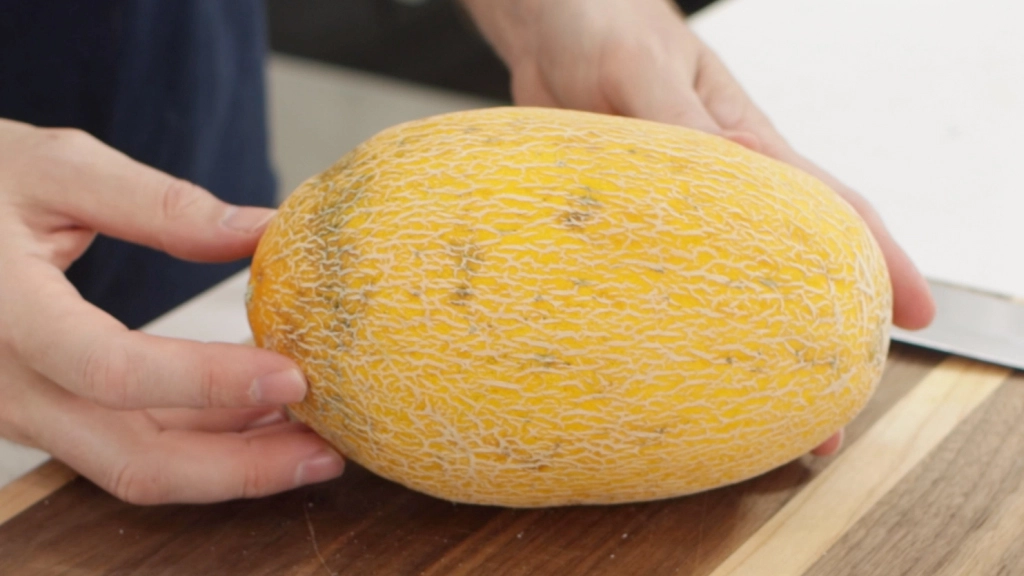
The Olfactory Overture: Unpacking the Aroma of a Hami Melon
Before the first bite, the Hami melon engages the senses through its captivating aroma, a crucial element in its brand presentation. The scent profile of a Hami melon is often described as a delicate yet distinct bouquet, setting it apart from more common melons like cantaloupe or honeydew. This olfactory prelude plays a significant role in how consumers perceive the fruit’s quality and desirability, influencing purchasing decisions and shaping expectations.
Sweet, Floral, and Subtly Musky Undertones
The dominant notes in a Hami melon’s aroma are typically sweet and floral. Unlike the sometimes overpowering fragrance of overripe cantaloupes, the Hami melon offers a refined sweetness, akin to a gentle perfume. This sweetness is often accompanied by subtle floral hints, evoking images of blooming orchards rather than a concentrated sugariness. These floral undertones add a layer of sophistication, signaling a fruit that is both refreshing and delicately complex.
A Hint of Earthiness: The Underlying Nuance
Beneath the initial sweetness and floral notes, a well-ripened Hami melon often possesses a faint, earthy musk. This isn’t an unpleasant odor; rather, it’s a grounding element that adds depth and character. This subtle muskiness can be reminiscent of the vine from which it grew, a reminder of its natural origins. It’s this intricate interplay of sweet, floral, and earthy elements that creates an aroma that is both inviting and intriguing, differentiating the Hami melon from its less complex counterparts. The careful cultivation and selection of Hami melons often focus on achieving this balanced aromatic profile, as it is intrinsically linked to the perceived quality and premium nature of the fruit.
The Palate’s Symphony: Deconstructing the Taste Experience
The taste of a Hami melon is where its reputation truly shines. It’s a flavor profile that balances sweetness with a refreshing mildness, making it exceptionally palatable and versatile. The nuances of its taste are carefully managed through agricultural practices and variety selection, contributing to its standing as a premium fruit in many markets.
Unmatched Sweetness: A Delicate Balance
The sweetness of a Hami melon is often its most celebrated characteristic. It’s a clean, pure sweetness that is intensely satisfying without being cloying. This sugar content is typically high, but it’s delivered in a way that feels natural and refreshing. This balanced sweetness is a key differentiator, preventing it from being perceived as overly sugary or artificial. The sugars are complex, contributing to a fuller flavor profile that lingers pleasantly on the palate. This is not the sharp, almost acidic sweetness of some fruits, but a mellow, rounded sweetness that speaks of ripeness and optimal growing conditions.
The Subtle Interplay of Flavors: Beyond Simple Sugar
While sweetness dominates, the Hami melon is far from a one-dimensional fruit. Underlying the sweetness are subtle notes that contribute to its complexity. Many describe a delicate, almost honey-like flavor, intertwined with hints of pear or even a very mild, floral undertone that echoes its aroma. These secondary flavors are not pronounced enough to distract from the overall sweetness but add layers of intrigue, making each bite a discovery. This subtle complexity elevates the Hami melon from a simple snack to a more refined gustatory experience, justifying its premium market positioning.
A Clean Finish: Refreshing and Invigorating
A hallmark of a well-ripened Hami melon is its clean, refreshing finish. Unlike some fruits that can leave a sticky or lingering aftertaste, the Hami melon leaves the palate feeling cleansed and revitalized. This crispness contributes to its appeal as a thirst quencher and a perfect dessert fruit, as it doesn’t weigh down the palate. This refreshing quality is a testament to its specific sugar composition and water content, making it a favored choice in warmer climates and for those seeking a light, satisfying conclusion to a meal. The controlled cultivation and careful harvesting ensure that this refreshing quality is consistently delivered to the consumer.
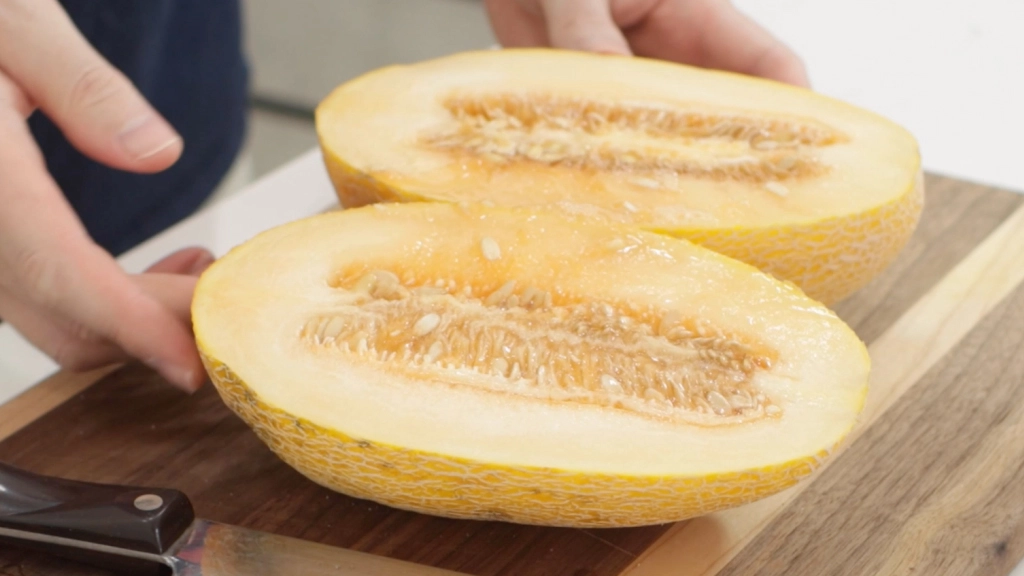
Texture and Mouthfeel: The Tactile Dimension of the Hami Melon Brand
Beyond taste and aroma, the textural characteristics of the Hami melon play a crucial role in its overall sensory appeal and brand perception. The mouthfeel of a fruit can significantly influence consumer satisfaction and repeat purchasing behavior, and the Hami melon excels in this regard, offering a pleasing and consistent experience.
Succulent and Juicy: A Burst of Hydration
One of the most immediate impressions of a Hami melon is its incredible juiciness. When bitten into, it releases a cascade of refreshing liquid, signifying optimal hydration and ripeness. This succulence is not watery or thin; it’s a rich, luscious moisture that coats the mouth and quenches thirst effectively. The high water content, combined with the delicate flesh, creates a mouthfeel that is both satisfying and invigorating. This juicy quality is a fundamental aspect of its brand promise, offering a sensory experience of pure, unadulterated refreshment.
Tender Yet Firm Flesh: The Ideal Consistency
The flesh of a Hami melon is typically tender but not mushy. It offers a satisfying slight resistance when bitten, providing a pleasant chewiness that is neither too firm nor too yielding. This delicate balance ensures that the melon holds its shape when sliced, making it visually appealing and easy to consume. The fine grain of the flesh contributes to a smooth, melt-in-your-mouth sensation, without being gritty or fibrous, which can detract from the experience of other melons. This ideal consistency enhances its versatility, allowing it to be enjoyed on its own or incorporated into various dishes.
The Absence of Stringiness: A Mark of Quality
A key indicator of a high-quality Hami melon is the absence of stringy or fibrous textures within its flesh. The carefully controlled growing conditions and selective breeding for Hami melons aim to minimize these undesirable characteristics. The smooth, uniform texture of its flesh is a direct reflection of its genetic makeup and the meticulous care taken during its cultivation. This smooth, consistent texture is crucial for its premium branding, as it signifies a superior product that is free from common imperfections. This focus on tactile perfection is a subtle yet powerful element of the Hami melon’s brand identity, promising a consistently enjoyable eating experience.
Branding and Market Perception: How Taste Shapes a Fruit’s Identity
The sensory attributes of the Hami melon are not merely incidental; they are actively leveraged in its branding and market positioning. In an increasingly competitive global fruit market, the distinct taste, aroma, and texture of the Hami melon serve as its primary brand differentiators, allowing it to command a premium price and cultivate a loyal consumer base.
Cultivating an Image of Premium Quality and Exoticism
The unique sensory profile of the Hami melon—its refined sweetness, delicate floral notes, and exceptionally juicy, tender flesh—has been instrumental in cultivating an image of premium quality. Often associated with regions known for high-quality agriculture, like Xinjiang in China, the Hami melon is perceived as an exotic and sophisticated fruit. Marketing efforts often highlight its origin, its meticulous cultivation process, and its unparalleled taste, all of which contribute to its aspirational appeal. This careful branding moves the Hami melon beyond being just another fruit; it becomes a symbol of discerning taste and a luxurious indulgence.
Versatility as a Brand Extension: Beyond Direct Consumption
While the Hami melon is exquisite when eaten fresh, its balanced flavor and refreshing qualities also lend themselves to versatility in culinary applications. This adaptability is a subtle but important aspect of its brand, allowing it to transcend its role as a simple fruit and become an ingredient that elevates other dishes. Its mild sweetness doesn’t overpower, making it suitable for fruit salads, smoothies, sorbets, and even as a light accompaniment to savory dishes. This culinary flexibility expands its market reach and reinforces its image as a high-value product that offers more than just immediate gratification. The ability to be perceived as both a standalone delicacy and a sophisticated ingredient contributes significantly to its enduring market presence and brand equity.
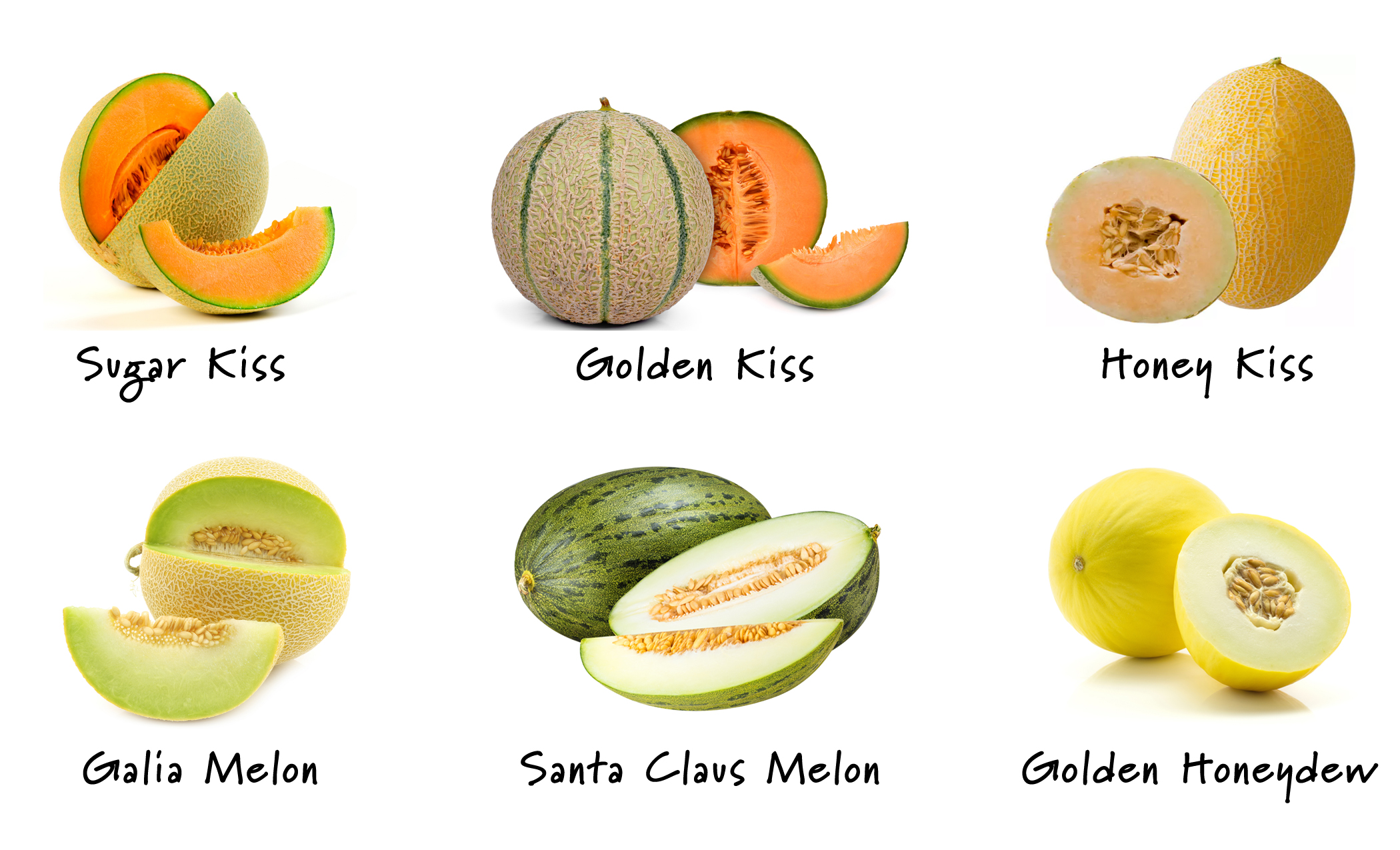
The Enduring Appeal: A Testament to Sensory Branding
The success of the Hami melon in the global market is a powerful testament to the efficacy of sensory branding. By focusing on and effectively communicating the distinct pleasure derived from its taste, aroma, and texture, producers and marketers have successfully established it as a desirable and premium product. The question “what does a Hami melon taste like” is therefore answered not just with a description of flavors, but with an understanding of how these sensory experiences are curated, marketed, and ultimately, perceived by consumers as the hallmark of a superior fruit. This deep connection between sensory experience and brand identity ensures the Hami melon’s continued appeal and its prominent position in the world of fine fruits.
aViewFromTheCave is a participant in the Amazon Services LLC Associates Program, an affiliate advertising program designed to provide a means for sites to earn advertising fees by advertising and linking to Amazon.com. Amazon, the Amazon logo, AmazonSupply, and the AmazonSupply logo are trademarks of Amazon.com, Inc. or its affiliates. As an Amazon Associate we earn affiliate commissions from qualifying purchases.