
In the world of visual communication, color is rarely just an aesthetic choice. It is a psychological trigger, a cultural shorthand, and a multi-billion-dollar strategic asset. When we ask “what makes blue paint,” we are not merely inquiring about the chemical composition of pigments or the viscosity of binders. From a brand strategy perspective, we are investigating the components of the most coveted corporate identity in history.
Blue is the world’s favorite color, consistently ranking at the top of cross-cultural surveys. It is the color of the sky and the sea—vast, eternal, and reliable. For brands, blue paint represents more than a coating; it represents a promise of stability and a bridge of trust between a corporation and its consumer. To understand what makes blue paint a cornerstone of modern branding, we must look at its psychological roots, its technical execution, and the strategic mastery required to own a specific shade in a crowded marketplace.

The Psychology of Blue: Why Brands Choose the Hue of Trust
The primary “ingredient” in the blue paint of a brand like American Express, Ford, or Facebook isn’t a chemical—it’s psychology. Before a designer ever selects a Pantone swatch, the brand strategist identifies the emotional resonance required for the target audience. Blue is unique in its ability to project authority without appearing aggressive. Unlike red, which demands immediate attention and raises the heart rate, blue invites contemplation and suggests a sense of calm.
The Biological and Cultural Response to Blue
Humanity’s relationship with blue is paradoxical. It is rare in nature—few animals are truly blue, and blue flowers are a biological rarity—yet it dominates our visual field through the atmosphere. This scarcity historically made blue pigments, such as those derived from Lapis Lazuli, incredibly expensive, associating the color with divinity and royalty. Today, this legacy persists in the “Blue Chip” label used for high-value stocks and “Blue Ribbon” awards for excellence. When a brand uses blue, it taps into a deep-seated evolutionary association with the clear sky (safety, no storms) and clean water (sustenance).
Stability, Authority, and the “Corporate Blue” Phenomenon
In the B2B and financial sectors, blue is the undisputed king. What makes blue paint so effective for institutions like JP Morgan or Goldman Sachs is its perceived “weight.” Darker shades, such as navy, suggest tradition and conservative values. These colors communicate that the institution is “too big to fail” and is anchored in history. Conversely, the “Tech Blue” used by Silicon Valley startups (think Twitter’s original sky blue or Skype) aims for a different psychological profile: friendliness, connectivity, and the limitless potential of the horizon. By selecting the right “ingredients” of lightness and saturation, a brand can pivot from being an “authority” to being a “facilitator.”
Engineering the Signature Shade: The Technical Side of Brand Colors
Beyond the abstract psychology, what makes blue paint a physical reality for a brand is a rigorous process of chemical and digital engineering. A brand’s blue must look identical whether it is printed on a cardboard box, displayed on a high-definition OLED screen, or painted onto the side of a Boeing 747. This requirement for “chromatic consistency” is where the art of branding meets the science of chemistry.
Beyond the Pigment: The Science of Consistency across Media
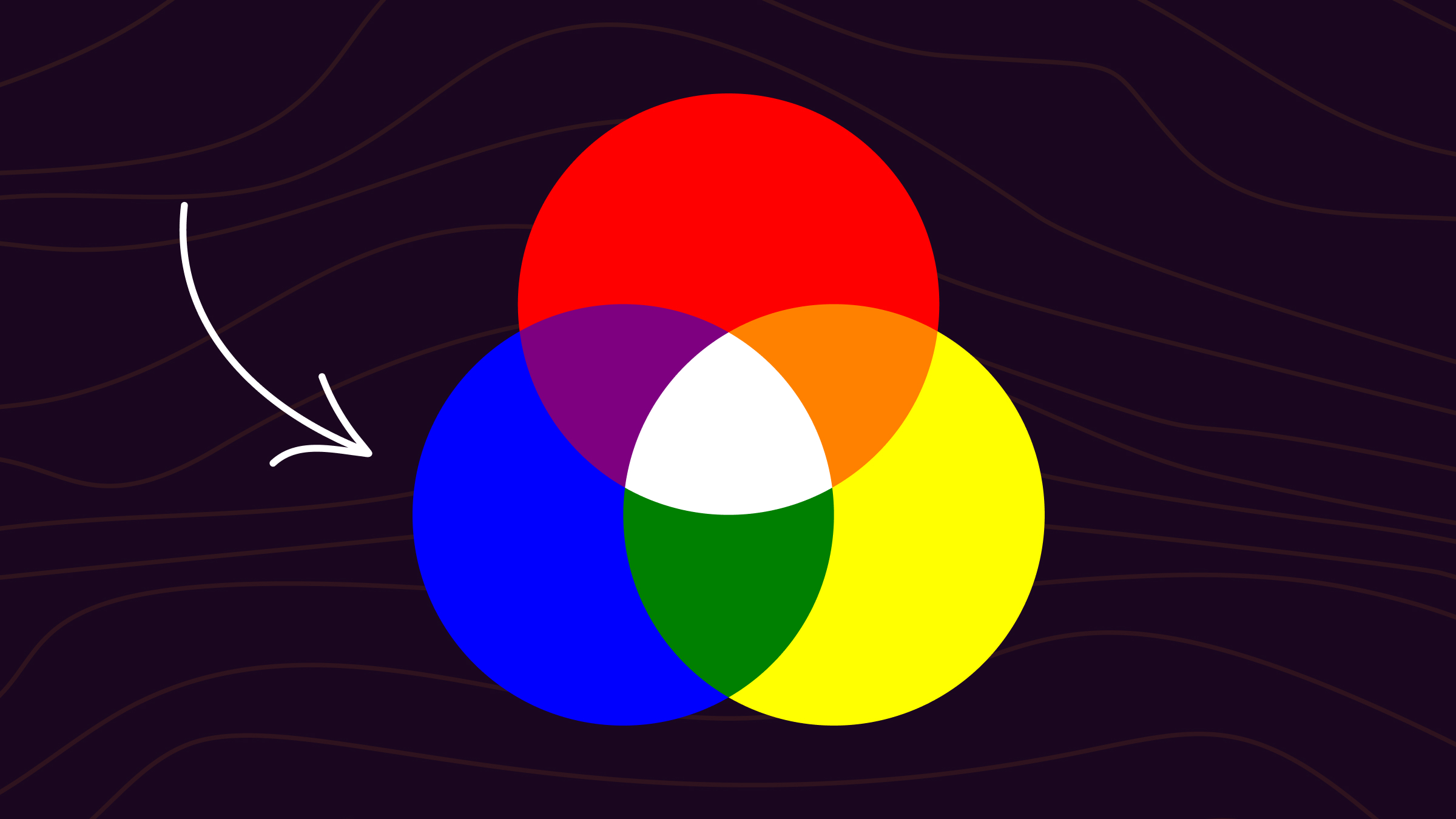
The greatest challenge in brand strategy is the transition from “additive” color (RGB on screens) to “subtractive” color (CMYK or physical paint). A blue that looks vibrant on an iPhone may look dull and muddy when applied as paint to a storefront. What makes a successful blue “paint” is its formulation for high “lightfastness”—the ability to resist fading under UV exposure. Brands invest heavily in custom formulations that ensure their blue remains vibrant for years. This is not just about aesthetics; a faded logo suggests a fading company. Consistency across touchpoints is the hallmark of a professional identity, signaling to the consumer that the company is disciplined and attentive to detail.
Proprietary Pigments: Owning a Piece of the Color Spectrum
In some instances, what makes blue paint is a legal firewall. Some of the most successful brands in the world have moved beyond standard color catalogs to create and trademark their own specific pigments. When a brand owns a color, they are not just using a tool; they are occupying a piece of the consumer’s brain.
- The Power of Recognition: If you see a specific shade of light robin’s-egg blue, you immediately think of Tiffany & Co., regardless of whether their name is on the box.
- The Manufacturing Moat: By creating proprietary chemical mixes, brands make it difficult for competitors to mimic their “vibe” without infringing on trade dress protections. This level of color engineering turns a simple paint into a sophisticated intellectual property asset.
Case Studies in Blue: From Tiffany to Tech Giants
To truly understand what makes blue paint a strategic powerhouse, we must examine the brands that have successfully distilled their values into a single shade. These case studies reveal how the choice of blue is never accidental; it is a calculated move to dominate a specific market niche.
Tiffany & Co.: The Power of the Robin’s Egg
Tiffany Blue (Pantone 1837) is perhaps the most famous example of a color becoming the brand itself. What makes this “blue paint” work is its rarity. It sits on the border between blue and green, evoking feelings of freshness, luxury, and exclusivity. By standardizing this color in 1845, Charles Lewis Tiffany created a visual shorthand for “the best.” The paint itself is a guarded secret, and its application is restricted to ensure that the “Tiffany Box” remains a symbol of high-status gifting.
International Klein Blue: Art as Brand
While not a traditional corporate brand, Yves Klein’s development of IKB (International Klein Blue) demonstrates the peak of “what makes blue paint.” Klein worked with chemists to develop a matte synthetic resin that would not dull the vibrancy of the ultramarine pigment. The result was a blue so deep it felt three-dimensional. Modern brands like Glossier or high-end fashion houses often look to IKB as a benchmark for how a single color can create an entire “world” for a consumer to inhabit.
The Digital Blues of Facebook, LinkedIn, and Dell
In the digital age, blue paint has been replaced by hex codes, but the strategy remains the same. Why are the biggest social networks blue? Facebook’s blue was famously influenced by Mark Zuckerberg’s red-green colorblindness, but its persistence is due to the “transparency” and “communication” values associated with the color. LinkedIn uses a darker, more “professional” blue to signal that it is a place for work, not play. Dell and Intel use blue to suggest “intelligence” and “precision engineering.” In these cases, the “paint” is a digital signature that builds a sense of a safe, professional community.
Strategic Implementation: Building a Brand Identity Around Blue
Deciding that your brand will be “blue” is only the beginning. The final component of what makes blue paint an effective brand tool is the strategic implementation of that color within a wider visual system. A brand strategist must consider the “color ratio,” the “support palette,” and the “cultural context” of the markets they intend to enter.
Determining Your Blue: The Market Research Phase
Before committing to a shade, a brand must conduct a competitive audit. If every competitor in the financial sector is using Navy Blue, a challenger brand might choose a vibrant Cerulean to signal “innovation” while staying within the “trust” category of blue. This is the “Blue Ocean Strategy” of color: finding the gap in the visual landscape where your brand can stand out while still being understood. The “paint” is chosen based on its ability to provide contrast against the “sea of sameness” in the industry.

Future-Proofing the Palette: Trends in Sustainable Pigmentation
As we move into a more eco-conscious era, what makes blue paint is also changing on a molecular level. Brands are now looking for “Green Blue”—not in color, but in composition. The transition toward sustainable, non-toxic, and mineral-based pigments is becoming a part of corporate social responsibility (CSR) branding. A brand that can claim its signature blue paint is carbon-neutral or derived from recycled materials adds a new layer of “value” to its identity. This evolution shows that blue paint is not a static element; it is a living part of a brand’s story, adapting to the values of the modern consumer.
In conclusion, “what makes blue paint” in the context of brand strategy is a complex mixture of ancient history, neurological response, chemical precision, and legal protection. It is the visual foundation upon which trust is built and the primary tool through which a company signals its place in the world. Whether it is the deep navy of a global bank or the bright cyan of a tech disruptor, the blue paint of a brand is never just a color—it is a silent ambassador for the organization’s soul.
aViewFromTheCave is a participant in the Amazon Services LLC Associates Program, an affiliate advertising program designed to provide a means for sites to earn advertising fees by advertising and linking to Amazon.com. Amazon, the Amazon logo, AmazonSupply, and the AmazonSupply logo are trademarks of Amazon.com, Inc. or its affiliates. As an Amazon Associate we earn affiliate commissions from qualifying purchases.