
For decades, the field of orthodontics was synonymous with a specific visual: a teenager wearing a “metal mouth” of silver brackets and wires. While the fundamental goal of orthodontics—the alignment of teeth and the correction of malocclusions—remains the same, the “how” has undergone a radical technological transformation. Today, what orthodontists do is as much about data science, 3D printing, and artificial intelligence as it is about clinical dentistry.
Modern orthodontics has transitioned from a manual, analog craft into a high-tech discipline of biomechanical engineering. This evolution has not only improved aesthetic outcomes but has significantly enhanced the precision, speed, and comfort of the treatment process. By leveraging a sophisticated tech stack, orthodontists are now able to map the human craniofacial structure with sub-millimeter accuracy, predicting biological movements before a single appliance is even placed in a patient’s mouth.
The Digital Transformation of Diagnostic Imaging
The foundation of any orthodontic treatment plan is a deep understanding of the patient’s existing dental and skeletal architecture. In the past, this was achieved through two-dimensional X-rays and physical plaster molds. However, the modern orthodontic suite is now powered by a suite of digital imaging tools that create a comprehensive “Digital Twin” of the patient.
CBCT Scans: Mapping the Craniofacial Architecture
Cone Beam Computed Tomography (CBCT) has revolutionized the diagnostic phase. Unlike traditional 2D X-rays, CBCT provides a three-dimensional rendering of the teeth, roots, jawbone, and even soft tissues. This technology allows orthodontists to see the exact position of impacted teeth and the volume of bone available for movement. By rotating a 3D model on a screen, the practitioner can identify potential hurdles—such as root resorption or airway obstructions—that would have been invisible on a standard flat film.
Intraoral Scanning: Eliminating the Analog Impression
The “goopy” impression trays that once defined the orthodontic experience are rapidly becoming obsolete. Intraoral scanners, such as the iTero or 3Shape systems, use high-speed optical cameras to capture thousands of frames per second. These frames are stitched together in real-time to create a high-definition 3D mesh of the dental arches. This digital file serves as the master blueprint for all subsequent technological interventions, from virtual simulations to the 3D printing of appliances.
Digital Twin Simulation: Visualizing the Final Outcome
Once the digital scan is complete, sophisticated CAD (Computer-Aided Design) software allows the orthodontist to create a “Digital Twin” of the patient’s mouth. This software enables clinicians to perform a virtual “set-up,” moving each tooth individually in a digital environment. Patients can see a time-lapse simulation of their treatment from start to finish, providing a level of transparency and predictive accuracy that was previously impossible. This tech-driven visualization ensures that the treatment plan is anatomically viable before the first bracket is bonded.
AI and Machine Learning in Treatment Planning
The integration of Artificial Intelligence (AI) and Machine Learning (ML) is perhaps the most significant leap in what orthodontists do today. These tools are no longer futuristic concepts; they are daily utilities used to optimize tooth movement and monitor patient progress remotely.
Algorithmic Precision in Tooth Movement
Moving a tooth is a complex biological puzzle involving bone remodeling and periodontal ligament response. AI algorithms, trained on millions of successful orthodontic cases, now assist practitioners in determining the most efficient path for each tooth. These algorithms can calculate the precise amount of force—measured in Newtons—required to achieve movement without causing damage to the roots or surrounding bone. This level of algorithmic oversight minimizes the “trial and error” often associated with manual wire adjustments.
Remote Monitoring and Teledentistry
One of the primary friction points in orthodontics is the frequency of office visits. To solve this, the industry has embraced remote monitoring platforms like DentalMonitoring or Grin. These systems utilize a smartphone app and a specialized lens attachment that allows patients to take clinical-quality photos of their teeth at home. AI then analyzes these photos to check for broken brackets, tracking issues with aligners, or hygiene concerns. The software alerts the orthodontist only when an intervention is necessary, effectively turning the patient’s smartphone into a powerful diagnostic tool.
Predicting Biological Responses to Mechanical Force
Advanced software can now simulate how a patient’s unique bone density and gum health will respond to orthodontic pressure. By integrating AI with the 3D data from CBCT scans, orthodontists can identify “high-risk” zones where bone may be thin. The technology suggests modifications to the treatment speed or force distribution, ensuring that the biological health of the patient is prioritized alongside the aesthetic result.
Advanced Materials and Additive Manufacturing
What orthodontists do is physically manifest through the appliances they use. The shift from mass-produced metal parts to custom-engineered, 3D-printed solutions represents a shift toward “mass personalization” in the dental industry.
3D Printing and Custom Bracket Systems
The rise of additive manufacturing (3D printing) has enabled the creation of fully customized bracket systems, such as LightForce. Unlike traditional “one-size-fits-all” brackets, these are 3D-printed to fit the specific morphology of each individual tooth. This customization allows for more direct force application, which often results in shorter treatment times and fewer appointments. The digital workflow ensures that the brackets are placed with robotic precision using 3D-printed indirect bonding trays.
Shape-Memory Alloys and Smart Wires
Space-age technology has also entered the realm of orthodontic wires. Modern “smart” wires are made from Nickel-Titanium (NiTi) alloys, originally developed by NASA. These wires possess “shape memory,” meaning they can be deformed at room temperature but will return to their pre-programmed shape when activated by the heat of the patient’s mouth. This provides a constant, gentle force that moves teeth more comfortably and efficiently than the rigid stainless-steel wires of the past.
Clear Aligner Therapy: The Convergence of Software and Polymers
Clear aligners, such as Invisalign or Spark, are the ultimate expression of orthodontic technology. These systems rely on a “closed-loop” digital workflow: a 3D scan is taken, AI-driven software designs a series of movements, and a fleet of high-resolution 3D printers produces a sequence of custom plastic trays. The material science behind these aligners is equally impressive; modern polymers are engineered to provide multi-layer force application, allowing for complex movements like tooth rotation and extrusion that were once thought impossible for “plastic braces.”
The Future of Orthodontic Innovation
As we look toward the next decade, the technological capabilities of orthodontics are set to expand into the realms of robotics and bio-integrated sensors. The focus is shifting from simply “straightening teeth” to optimizing the entire craniofacial system through high-tech interventions.
Robotic-Assisted Orthodontics
Robotics is beginning to play a role in the fabrication of orthodontic appliances. Systems like SureSmile use robotic arms to bend archwires with a level of precision that exceeds human capability. By following a 3D digital prescription, the robot can introduce intricate bends into the wire that account for the exact tip, torque, and rotation required for every single tooth. This removes the “art” of manual wire bending and replaces it with the “science” of robotic accuracy.
Accelerated Osteogenic Orthodontics via High-Frequency Vibration
To meet the demand for faster treatment, tech companies have developed devices that use high-frequency vibrations (micropulse technology) or light therapy (photobiomodulation) to speed up bone remodeling. Devices like AcceleDent or vPro are used by patients for a few minutes a day to stimulate the cellular activity responsible for tooth movement. While still an evolving field, these gadgets represent the industry’s commitment to using biophysics to enhance clinical outcomes.
Integrating Wearables for Biofeedback
The future of orthodontics may involve “smart” appliances equipped with micro-sensors. These sensors could theoretically track “compliance”—how many hours a day an aligner is actually worn—and transmit that data directly to the orthodontist’s dashboard. Furthermore, these sensors could monitor the pH levels and bacterial composition of the mouth, providing an early warning system for cavities or gum disease during the course of orthodontic treatment.
Conclusion: A Profession Redefined by Tech
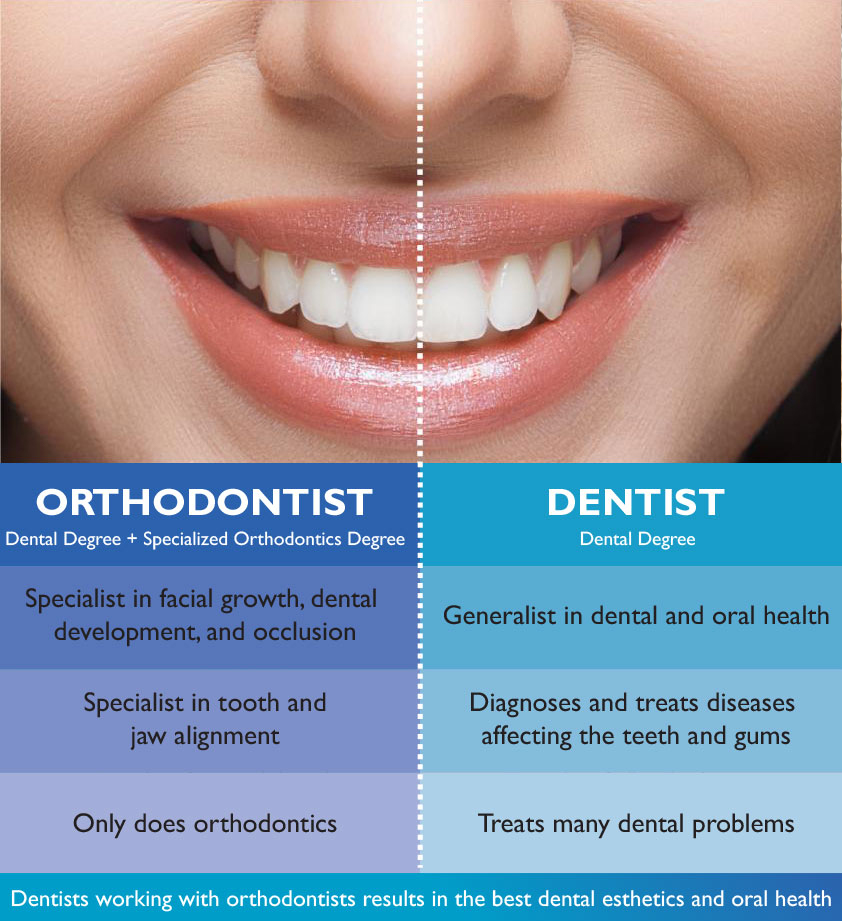
When asking “what do orthodontists do,” the answer is no longer limited to tightening wires or taking molds. Today’s orthodontist is a digital architect who manages a sophisticated ecosystem of 3D imaging, AI-driven diagnostics, and custom-manufactured appliances. By embracing these technological trends, the profession has moved into an era of unprecedented precision.
The result of this tech-centric approach is a “win-win” for both the practitioner and the patient. Orthodontists can achieve more predictable and stable results, while patients benefit from shorter treatment times, less physical discomfort, and a more interactive, visual experience. As AI and 3D printing continue to mature, the boundary between technology and biology will continue to blur, making the path to a perfect smile faster and more accurate than ever before.
aViewFromTheCave is a participant in the Amazon Services LLC Associates Program, an affiliate advertising program designed to provide a means for sites to earn advertising fees by advertising and linking to Amazon.com. Amazon, the Amazon logo, AmazonSupply, and the AmazonSupply logo are trademarks of Amazon.com, Inc. or its affiliates. As an Amazon Associate we earn affiliate commissions from qualifying purchases.