
When marketing professionals and brand strategists analyze the concept of “place branding,” few domestic examples shine as brightly as Bend, Oregon. While the average traveler might answer the question “What is Bend, Oregon known for?” with a list of outdoor activities—skiing, mountain biking, or craft breweries—a brand strategist sees something deeper. Bend is known for its peerless ability to cultivate a cohesive, high-value lifestyle brand that transcends its geographical boundaries.
In the modern economy, a city is more than just a collection of infrastructure and citizens; it is a brand. Bend has successfully positioned itself as the “Outdoor Laboratory” of the West. This identity has not only attracted millions of tourists but has also birthed multi-million dollar corporate identities and a “halo effect” that benefits every business operating within its zip codes.
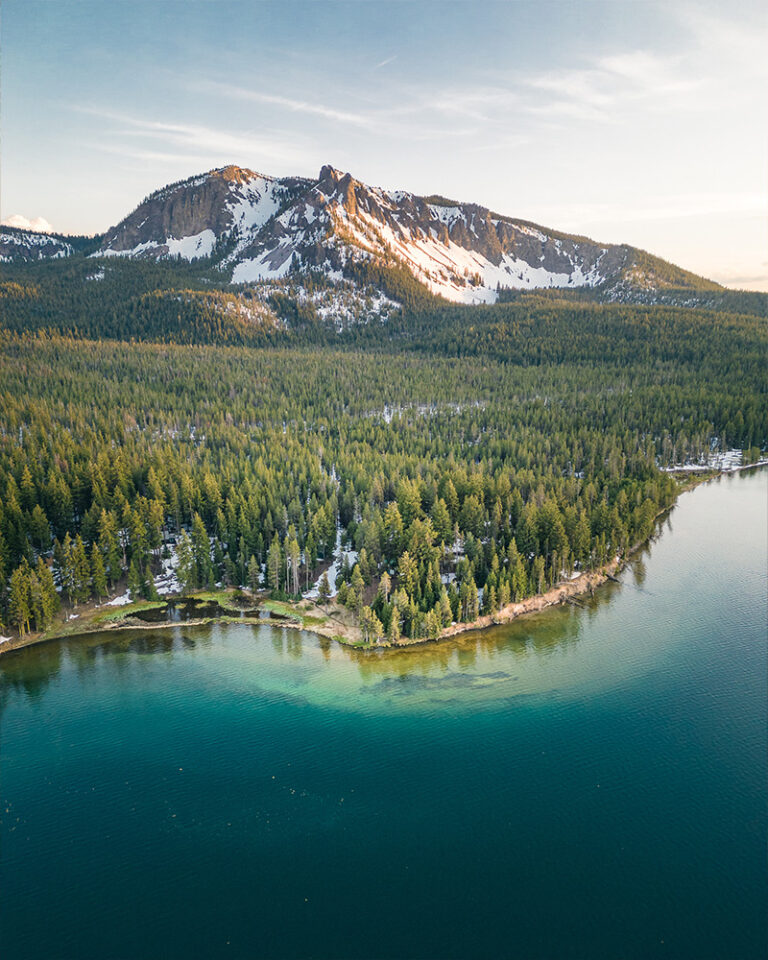
The Anatomy of the “Bend” Brand: Selling the Outdoor Experience
To understand the success of Bend, one must first look at its core brand pillars. Most cities struggle to find a singular identity, often muddling their message by trying to be everything to everyone. Bend, conversely, doubled down on a singular value proposition: the seamless integration of professional life and rugged recreation.
The Intersection of Nature and Consumerism
The “Bend Brand” is built on the concept of “the High Desert lifestyle.” This isn’t just about having mountains nearby; it’s about a specific aesthetic and set of values. From a marketing perspective, Bend has successfully commodified the “active-outdoorsy” persona. When consumers think of Bend, they visualize a specific color palette (sagebrush green, volcanic basalt, and sunset orange) and a specific set of tools (gravel bikes, paddleboards, and insulated growlers).
This visual and experiential consistency is the hallmark of a world-class brand. Every touchpoint—from the architecture of the Old Mill District to the signage on the Phil’s Trail complex—reinforces a sense of rugged sophistication. This consistency creates brand equity, making the “Made in Bend” label a powerful psychological trigger for quality and authenticity.
Authenticity as a Brand Pillar
In branding, authenticity is the most difficult asset to manufacture and the easiest to lose. Bend is known for its “authentic” connection to the environment. Unlike “planned” resort towns that can feel sterile or corporate, Bend’s brand is rooted in its history as a logging town turned outdoor mecca.
For brand strategists, the lesson here is the power of the “Origin Story.” Bend’s transition from an industrial timber economy to a recreation-based economy provides a compelling narrative of resilience and transformation. This story is shared by the businesses that start there, allowing them to borrow the city’s grit and apply it to their own corporate identities.
Crafting a Corporate Identity: From Craft Beer to Outdoor Tech
Bend’s regional brand is so strong that it acts as an incubator for corporate brands. When a company is founded in Bend, it doesn’t just get an office; it gets a pre-built brand association with adventure, health, and premium quality.
The Deschutes Effect: Brewing a Community Identity
Perhaps no single entity has done more for Bend’s brand than Deschutes Brewery. By naming their flagship beers after local landmarks (Black Butte Porter, Mirror Pond Pale Ale), they tethered their corporate success to the geography of the region.
This is a classic example of “Co-Branding” between a municipality and a private enterprise. Deschutes didn’t just sell beer; they sold the experience of sitting by the Deschutes River after a day of hiking. This created a feedback loop: the brewery’s national distribution acted as a billboard for the city, and the city’s growing reputation as a destination drove sales for the brewery. For marketers, this illustrates the power of “Sense of Place” in building brand loyalty.
Hydro Flask and the Portability of Brand Values
If Deschutes Brewery established the “flavor” of Bend, Hydro Flask established its “utility.” Founded in Bend in 2009, Hydro Flask is a masterclass in lifestyle branding. The company didn’t just invent a better water bottle; they branded the necessity of hydration within the Bend lifestyle.
By utilizing the “Bend” lifestyle in their marketing imagery—showing their products on the shores of Cascade Lakes or at the base of Smith Rock—Hydro Flask exported the Bend brand globally. This is a crucial takeaway for brand strategists: a product can serve as a portable ambassador for a lifestyle. Today, seeing a Hydro Flask in a New York City subway or a London park carries with it the “vibe” of Bend, Oregon.
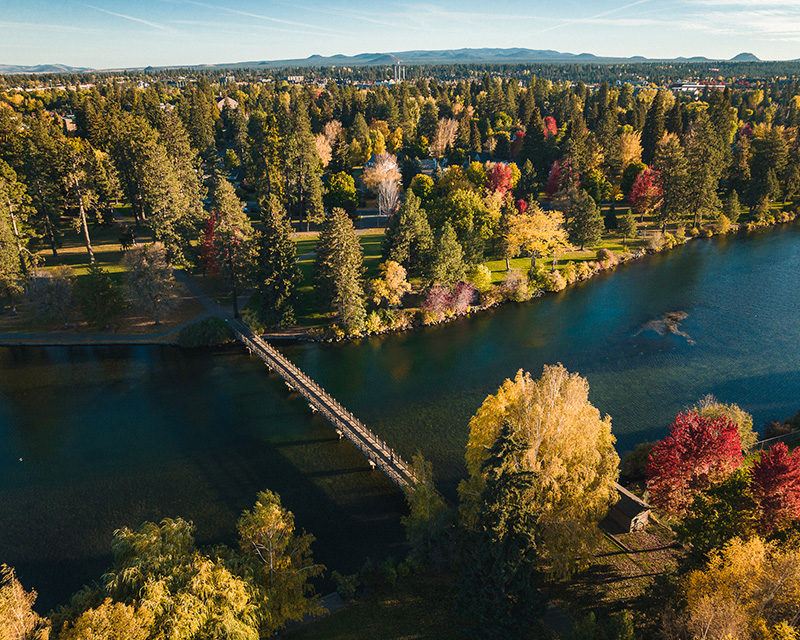
Destination Marketing: How Bend Positions Itself in a Crowded Market
In the competitive landscape of Western mountain towns, Bend faces stiff competition from the likes of Boulder, Boise, and Bozeman. However, Bend has maintained a distinct competitive advantage through sophisticated destination marketing and strategic positioning.
The “Visit Bend” Strategy: Sustainability as a Brand Promise
As Bend’s popularity grew, it faced a classic brand crisis: “Over-exposure.” When a brand becomes too popular, it risks losing the very “exclusivity” or “pristine nature” that made it attractive in the first place.
The marketing arm of the city, Visit Bend, pivoted its strategy from “Visit Us” to “Visit Us Responsibly.” They launched the “Bend Pledge” and heavily marketed the “Leave No Trace” principles. From a brand management perspective, this was a brilliant move. It repositioned the consumer (the tourist) as a “steward” rather than a “user.” By making sustainability a core part of the brand identity, Bend protected its natural assets while simultaneously attracting a more affluent, conscientious demographic.
Managing the “Over-Branding” Paradox
Bend is also known for its “Last Blockbuster,” the final remaining store of a once-mighty global franchise. While this might seem like a quirk, it is a significant brand asset. It adds a layer of “Nostalgia Marketing” to the city’s portfolio. It positions Bend as a place where the best of the past is preserved, contrasting with the fast-paced, digital-first nature of modern life. This “retro-cool” factor balances the “high-tech outdoor” side of the brand, making the city’s identity more multi-dimensional and resilient.
Lessons for Personal and Corporate Branding
What can entrepreneurs and brand managers learn from what Bend, Oregon is known for? The city serves as a living laboratory for several key marketing frameworks.
Building a Culture-First Business Model
The businesses that thrive in Bend are those that align their internal culture with the external regional brand. Companies in Bend often have “powder day” policies or mid-day cycling breaks. This isn’t just about employee perks; it is about “Brand Alignment.”
If your brand promises adventure, your internal operations must reflect that. Bend’s corporate community teaches us that for a brand to be believable, it must be lived by the people behind the curtain. When employees are the primary ambassadors of the lifestyle they sell, the marketing becomes effortless.
Leveraging Geography in Brand Storytelling
Every brand exists somewhere, but few brands use their “somewhere” as effectively as those in Bend. Whether it is a tech startup or a boutique marketing agency, Bend-based firms use the local scenery in their pitch decks and social media.
This is “Geographic Social Proof.” It tells the client: “We are creative, we are healthy, and we are inspired because of our environment.” For personal branding, this translates to the importance of “Context.” Where you position yourself—both physically and metaphorically—influences how your expertise is perceived. Bend is known for being a “hub,” and that reputation confers a sense of “connectedness” to the individuals who work there.
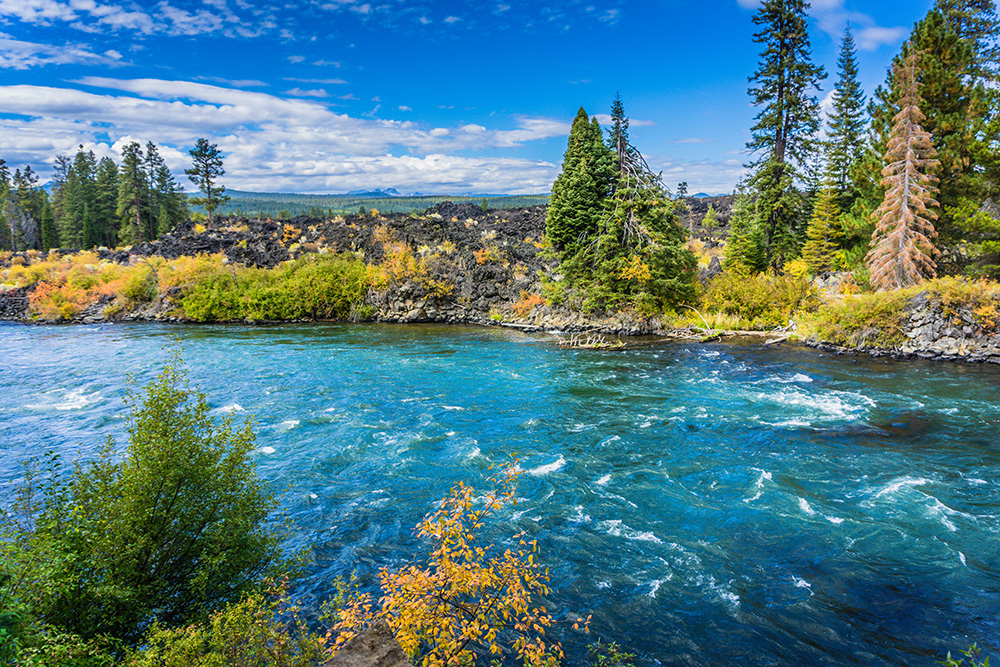
Conclusion: The Enduring Equity of the Bend Brand
In conclusion, when we ask what Bend, Oregon is known for, we are really asking how a mid-sized city in Central Oregon became a global shorthand for a specific way of living. It is known for its Lifestyle Brand Equity.
Through the strategic alignment of natural assets, corporate partnerships, and sophisticated destination marketing, Bend has created a brand that is both aspirational and accessible. It has successfully navigated the transition from a resource-based economy to an experience-based economy, providing a blueprint for any brand—personal or corporate—looking to build a loyal following.
Bend proves that a brand is not just a logo or a slogan; it is a consistent, lived experience that resonates with the values of its audience. Whether you are sipping a local IPA or hiking a volcanic trail, you are participating in a carefully curated brand narrative that continues to set the standard for regional identity in the 21st century.
aViewFromTheCave is a participant in the Amazon Services LLC Associates Program, an affiliate advertising program designed to provide a means for sites to earn advertising fees by advertising and linking to Amazon.com. Amazon, the Amazon logo, AmazonSupply, and the AmazonSupply logo are trademarks of Amazon.com, Inc. or its affiliates. As an Amazon Associate we earn affiliate commissions from qualifying purchases.