
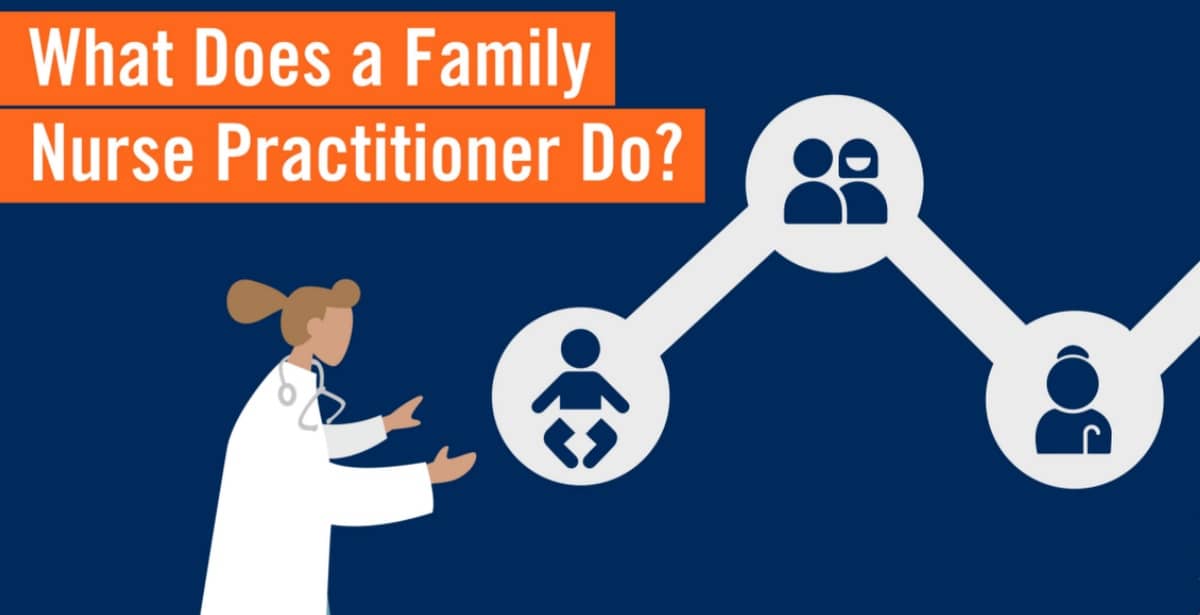
The healthcare landscape is constantly evolving, and at its forefront are advanced practice registered nurses (APRNs) who play a pivotal role in delivering comprehensive patient care. Among these vital professionals, the Family Nurse Practitioner (FNP) stands out for their broad scope of practice, serving individuals and families across the lifespan. But what exactly does an FNP do? This article delves into the multifaceted responsibilities, skills, and impact of FNPs within the modern healthcare system, focusing on the Tech aspects of their practice.
The role of an FNP has expanded significantly with advancements in technology, transforming how they assess, diagnose, treat, and manage patient health. From electronic health records (EHRs) to telehealth platforms and sophisticated diagnostic tools, technology is not just a supplementary aid but an integral component of an FNP’s daily practice. Understanding the technological competencies and applications within the FNP role is crucial for appreciating their efficiency, reach, and the quality of care they provide in today’s digitally-driven world.
The Technological Foundation of FNP Practice
The modern FNP is a digitally adept healthcare provider, leveraging a suite of technologies to deliver optimal care. This technological foundation underpins their ability to manage patient information, communicate effectively, and utilize diagnostic insights.
Electronic Health Records (EHRs) and Health Information Management
At the core of an FNP’s technological toolkit lies the Electronic Health Record (EHR) system. These digital platforms have revolutionized how patient data is collected, stored, accessed, and shared. For FNPs, EHRs are indispensable for:
- Comprehensive Patient Data Management: EHRs allow FNPs to meticulously document patient histories, physical examinations, diagnoses, treatment plans, medications, allergies, and lab results. This centralized digital repository ensures that all relevant information is readily available, reducing the risk of errors and improving care coordination. FNPs can quickly review past medical encounters, identify trends, and make informed decisions based on a complete picture of the patient’s health journey.
- Clinical Decision Support Systems (CDSS): Many EHRs incorporate CDSS, which provide evidence-based alerts and reminders to FNPs. These systems can flag potential drug interactions, suggest appropriate screening tests based on patient demographics and history, or recommend treatment protocols aligned with current clinical guidelines. This technological assistance enhances diagnostic accuracy and treatment efficacy, ensuring patients receive the safest and most effective care.
- Interoperability and Information Exchange: Modern EHR systems are increasingly designed for interoperability, allowing seamless exchange of patient data between different healthcare providers and organizations. This capability is crucial for FNPs who often coordinate care with specialists, hospitals, and pharmacies. Secure data sharing through standardized protocols ensures continuity of care, especially for patients with complex medical needs or those transitioning between care settings.
- Data Analytics and Population Health Management: Beyond individual patient care, EHR data can be aggregated and analyzed to identify population health trends, disease prevalence, and the effectiveness of interventions. FNPs, in conjunction with healthcare systems, can utilize these insights to develop targeted public health initiatives, preventive care strategies, and quality improvement projects. This macro-level application of technology empowers FNPs to contribute to broader health outcomes.
Telehealth and Remote Patient Monitoring
The advent of telehealth has dramatically expanded the reach and accessibility of FNP services, particularly in underserved areas or for patients with mobility challenges.
- Virtual Consultations and Assessments: Telehealth platforms enable FNPs to conduct virtual visits via video conferencing, allowing them to assess symptoms, provide diagnoses, prescribe medications, and offer health education remotely. This is particularly valuable for follow-up appointments, managing chronic conditions, and addressing acute but non-emergent health concerns. The ability to conduct these consultations securely and efficiently leverages real-time audio and visual communication.
- Remote Patient Monitoring (RPM) Technologies: RPM devices, such as wearable sensors, blood pressure cuffs, glucose monitors, and smart scales, transmit patient vital signs and health data directly to FNPs. This continuous stream of information allows for proactive management of chronic diseases like diabetes, hypertension, and heart failure. FNPs can identify early signs of deterioration, intervene before a patient’s condition worsens, and personalize treatment plans based on real-time physiological data, thereby reducing hospitalizations and improving patient outcomes.
- Digital Health Applications and Patient Engagement: Many FNPs utilize or recommend patient-facing health apps that help individuals track their health metrics, manage medications, access educational resources, and communicate with their healthcare providers. These digital tools empower patients to take a more active role in their health management, fostering adherence to treatment plans and promoting healthy behaviors. FNPs leverage these applications to enhance patient engagement and support self-care.
Advanced Diagnostic and Therapeutic Technologies
FNPs are increasingly utilizing sophisticated technologies to enhance their diagnostic capabilities and therapeutic interventions.
Diagnostic Imaging and Laboratory Technologies

While FNPs do not typically perform complex imaging procedures themselves, they play a critical role in ordering, interpreting, and integrating the results of various diagnostic technologies into patient care.
- Point-of-Care (POC) Testing: FNPs often have access to POC testing devices that provide rapid results for common conditions, such as strep throat, influenza, or urine infections. These portable diagnostic tools enable immediate decision-making in the clinic setting, reducing the need for lengthy laboratory processing and improving patient throughput. This immediacy allows for prompt initiation of treatment and better patient satisfaction.
- Tele-radiology and Tele-pathology Integration: FNPs effectively utilize reports from remote radiologists and pathologists. When ordering X-rays, CT scans, or MRIs, the images are often interpreted by specialists in different locations. Similarly, tissue samples are analyzed by pathologists. FNPs integrate these reports into their clinical assessment, using the technological infrastructure that facilitates remote expert interpretation to inform their diagnoses and treatment strategies.
- Advanced Laboratory Data Interpretation: Modern laboratories utilize sophisticated automated equipment and complex analytical techniques. FNPs are trained to interpret a wide array of laboratory results, from basic blood counts and chemistry panels to more specialized genetic testing and infectious disease markers, understanding the technological underpinnings that generate this data.
Therapeutic Technologies and Digital Prescribing
The technological evolution extends to the methods by which FNPs deliver therapies and manage medications.
- Electronic Prescribing (e-Prescribing): E-prescribing is a standard practice for FNPs, where prescriptions are electronically transmitted directly to pharmacies. This system reduces the risk of prescription errors due to illegible handwriting, ensures accurate dosage information, and allows for real-time checks of drug formularies and potential interactions. It streamlines the medication management process for both the patient and the pharmacy.
- Smart Infusion Pumps and Medication Administration Technologies: In settings where FNPs administer intravenous medications or other complex therapies, they interact with sophisticated smart infusion pumps. These devices are programmed with specific medication libraries and dosage limits, incorporating safety features to prevent medication errors. Understanding the programming and operation of these advanced therapeutic technologies is part of an FNP’s skill set.
- Personalized Medicine Technologies: As the field of personalized medicine advances, FNPs are increasingly involved in utilizing genetic and molecular data to tailor treatment plans. While the interpretation of complex genomic data might be done by specialists, FNPs are often on the front lines of discussing genetic test results with patients, explaining their implications, and incorporating this information into their care plans, facilitated by secure digital platforms for data sharing.
The Future of FNP Practice: Embracing Emerging Technologies
The role of an FNP is intrinsically linked to the ongoing advancements in healthcare technology. As new tools and platforms emerge, FNPs are poised to integrate them into their practice to enhance efficiency, accessibility, and the quality of patient care.
Artificial Intelligence (AI) and Machine Learning (ML) in FNP Practice
AI and ML are beginning to permeate various aspects of healthcare, and FNPs will be at the forefront of utilizing these transformative technologies.
- AI-Powered Diagnostic Aids: AI algorithms are being developed to assist in the interpretation of medical images, analyze patient data for early disease detection, and predict patient outcomes. FNPs may leverage AI tools to augment their diagnostic capabilities, receiving AI-generated insights or alerts that highlight potential areas of concern, thereby improving diagnostic speed and accuracy.
- Predictive Analytics for Proactive Care: Machine learning models can analyze vast datasets to identify patients at high risk for certain conditions or complications. FNPs can use these predictive analytics to proactively intervene with preventive strategies, targeted screenings, and personalized management plans, shifting from reactive to proactive healthcare.
- Personalized Treatment Recommendations: AI can analyze individual patient data, including genetic information, lifestyle factors, and response to previous treatments, to suggest the most effective and personalized therapeutic approaches. FNPs will play a key role in integrating these AI-driven recommendations into their clinical judgment and patient care plans.
- AI-Assisted Patient Education and Support: Chatbots and virtual assistants powered by AI can provide patients with instant answers to common health questions, medication reminders, and educational materials. This frees up FNP time for more complex patient interactions and ensures patients have access to reliable information around the clock.

The Evolving Role of FNPs in Digital Health Innovation
FNPs are not just passive users of technology; they are increasingly becoming active participants in shaping the future of digital health.
- Data-Driven Practice Improvement: By effectively utilizing EHR data and other digital health tools, FNPs contribute to the continuous improvement of healthcare processes and patient outcomes. They can identify areas for technological enhancement and provide valuable feedback to developers of health IT solutions.
- Advocacy for User-Centric Technology: As frontline healthcare providers, FNPs are uniquely positioned to advocate for technologies that are intuitive, efficient, and truly support patient care. Their input is invaluable in designing user-friendly interfaces and workflows that minimize administrative burden and maximize clinical effectiveness.
- Leading the Integration of New Technologies: As new diagnostic tools, therapeutic devices, and digital platforms become available, FNPs are often among the first to adopt and master them. Their adaptability and commitment to leveraging technology for patient benefit make them leaders in the ongoing evolution of healthcare delivery.
In conclusion, the role of a Family Nurse Practitioner is deeply intertwined with the technological advancements shaping modern healthcare. From managing complex patient data in EHRs and delivering care via telehealth, to utilizing advanced diagnostic tools and embracing the potential of AI, FNPs are at the forefront of technologically-driven healthcare. Their ability to skillfully integrate and leverage these tools ensures they provide efficient, accessible, and high-quality care to individuals and families across the lifespan, solidifying their indispensable position in the healthcare ecosystem.
aViewFromTheCave is a participant in the Amazon Services LLC Associates Program, an affiliate advertising program designed to provide a means for sites to earn advertising fees by advertising and linking to Amazon.com. Amazon, the Amazon logo, AmazonSupply, and the AmazonSupply logo are trademarks of Amazon.com, Inc. or its affiliates. As an Amazon Associate we earn affiliate commissions from qualifying purchases.