
In the hyper-competitive landscape of global sports and lifestyle apparel, few industries rely as heavily on the nuances of brand strategy as skateboarding. When consumers ask, “What are good skateboard brands?” they are rarely asking about the physical density of the maple wood or the tensile strength of the trucks alone. Instead, they are inquiring about the brand’s cultural capital, its standing within the subculture, and the narrative it projects.
In the world of skateboarding, a “good” brand is one that successfully balances the tension between commercial viability and “core” authenticity. From a brand strategy perspective, these companies represent fascinating case studies in community-led marketing, visual identity, and long-term brand equity. This article explores the top skateboard brands through the lens of corporate identity and strategic positioning, dissecting why certain names have dominated the pavement for decades while others fade into obscurity.
The Anatomy of a Successful Skateboard Brand
The foundation of a premier skateboard brand is not built on traditional advertising but on the concept of “The Crew.” In brand strategy terms, this is a form of community-centric marketing where the product is validated by a specialized group of influencers (the professional skate team).
Storytelling and Subcultural Heritage
A brand like Powell-Peralta or Santa Cruz does not just sell wooden decks; they sell a lineage. These brands have mastered the art of heritage branding. By maintaining a consistent story—of rebellion, artistic freedom, and California sun—they create a sense of belonging for the consumer. For a brand to be considered “good” in this space, its storytelling must feel organic. If the narrative feels manufactured by a boardroom, the subculture will reject it, a phenomenon often seen when non-endemic “big box” corporations attempt to enter the market without a strategic partnership with established figures.
Visual Semiotics: The Power of the Graphic
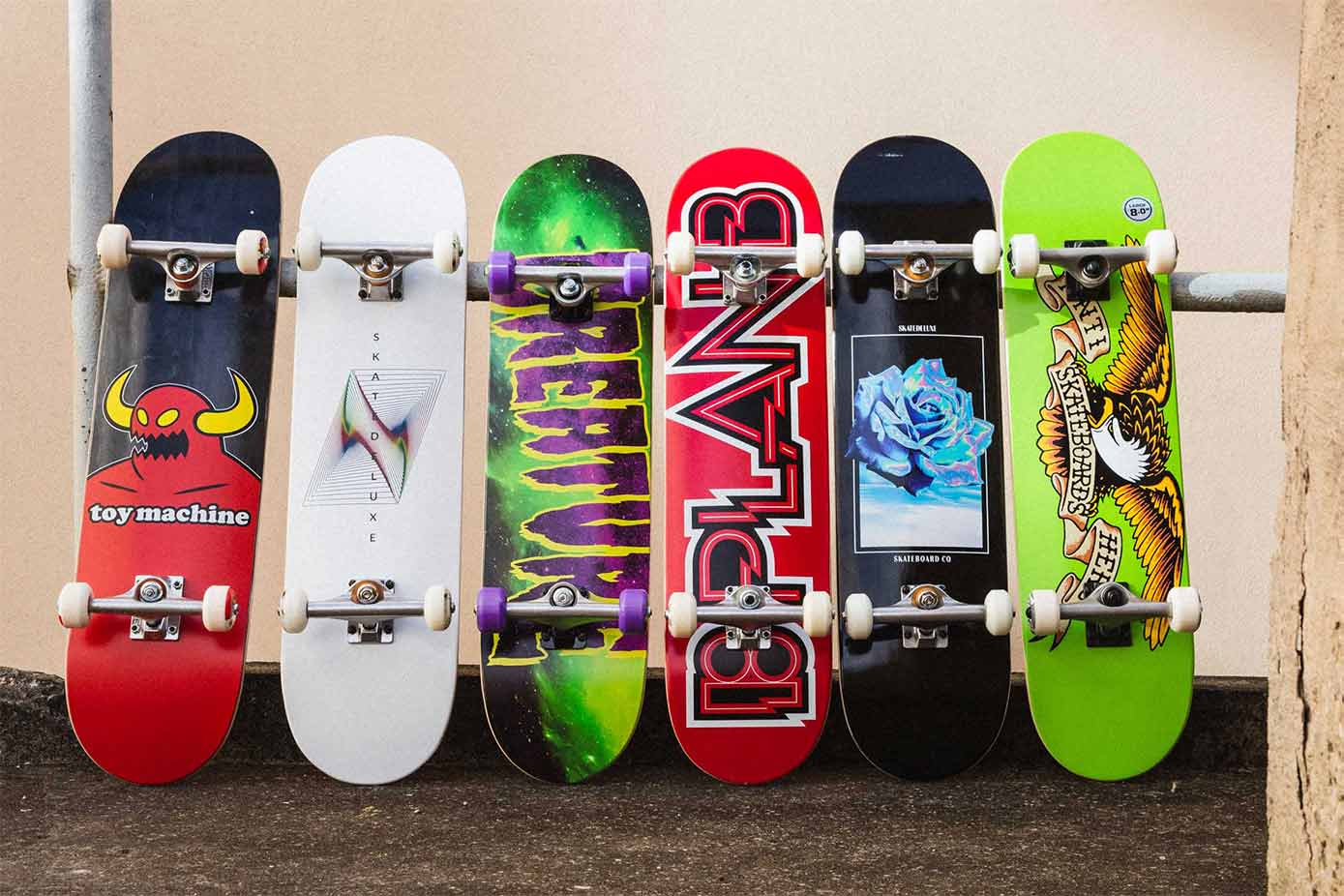
Skateboarding is a visual medium. The graphic on the bottom of a board is the brand’s primary billboard. High-tier brands understand that their visual identity must be instantly recognizable. Consider the “Screaming Hand” by Santa Cruz, designed by Jim Phillips. This single piece of intellectual property (IP) has become more than a logo; it is a global icon of counter-culture. Successful brands invest heavily in unique artistic voices, ensuring their “brand DNA” is visible even from thirty feet away at a skatepark.
Market Leaders: Case Studies in Brand Dominance
To understand what makes a brand successful, we must look at the entities that have survived economic downturns and shifting trends. These market leaders utilize distinct strategies to maintain their “good” status in the eyes of the consumer.
The Legacy Players: Santa Cruz and Powell-Peralta
These brands are the masters of the “Continuity Strategy.” Santa Cruz, founded in 1973, is perhaps the oldest continuous skateboard brand in the world. Their strategy revolves around the constant re-issue of classic graphics. By leveraging nostalgia, they appeal to “Old School” skaters (those with high disposable income) while simultaneously marketing the “vintage cool” aesthetic to younger generations. Their brand identity is synonymous with the origins of the sport, giving them an unshakeable foundation of authority.
The Aesthetic Visionaries: Alien Workshop and Girl Skateboards
In the 1990s, the brand landscape shifted toward more curated, art-driven identities. Girl Skateboards (under the Crailtap umbrella) utilized a strategy of minimalist branding and high-concept video production. Their logo—a simple stylized icon found on restroom doors—is a masterclass in minimalist corporate identity. By keeping the branding clean and the team’s personality at the forefront, Girl created a “lifestyle club” that fans felt privileged to join. Alien Workshop, conversely, leaned into a niche brand identity centered on paranoia, extraterrestrials, and Midwestern industrial grit, proving that a hyper-specific brand voice can command a fiercely loyal market share.
Strategic Positioning: Differentiating in a Saturated Market
In a market where many products are functionally similar (seven plies of Canadian Maple), differentiation is achieved through strategic positioning and “Quality Perception.”
Quality vs. Image
While most “good” brands source their wood from a handful of reputable woodshops (like PS Stix or Generator), a brand’s perceived quality is often a result of its marketing. Brands like Baker or Deathwish position themselves as “rugged” and “raw.” Their brand strategy focuses on the “piss and vinegar” of street skating. They don’t want to look polished; they want to look like they can survive a ten-stair drop. This “toughness” becomes their brand promise, attracting a demographic that values durability and “street cred” over polished corporate aesthetics.
The Role of Professional Teams in Brand Building
In the skateboard industry, the “Pro Team” is the equivalent of a brand’s R&D and Marketing departments combined. A brand is only as good as the skaters who represent it. From a brand strategy standpoint, signing a high-profile athlete is an acquisition of their personal brand. When a legendary skater like Andrew Reynolds is associated with Baker, his personal brand of “perfectionism and grit” is transferred to the company. This creates a symbiotic relationship where the individual’s reputation reinforces the brand’s market position.
Digital Adaptation and Modern Brand Strategy
The advent of social media has forced skateboard brands to evolve from traditional print media (magazines like Thrasher) to real-time digital engagement. The brands that have thrived are those that transitioned into content houses.
Social Media and Video Content
Video content has always been the lifeblood of skate branding, but the format has changed. “Good” brands today, such as Palace or Supreme, use a “Drop” strategy combined with cryptic, lo-fi social media content. Palace, in particular, has revolutionized brand voice through its witty, irreverent product descriptions and “shaky cam” aesthetics. By rejecting the polished look of modern digital advertising, they cultivate an “insider” feel that resonates with a tech-savvy audience tired of traditional corporate polish.
Sustainability and Corporate Social Responsibility (CSR)
Modern brand strategy requires a commitment to values. Brands like Element and Arbor have positioned themselves around environmental consciousness. Element’s “Wind, Water, Fire, Earth” pillars were an early example of a brand integrating environmental themes into its core identity. In today’s market, being a “good” brand also involves ethical manufacturing and sustainability. Companies that use eco-friendly resins or support community skatepark builds are building “Brand Goodwill,” which translates to long-term customer retention.
The Lifestyle Expansion: Cross-Industry Brand Synergy
The final stage of a skateboard brand’s evolution is its transition into a global lifestyle brand. This is where the “Brand” transcends the “Product.”
The Supreme Phenomenon
Supreme is the ultimate case study in brand equity. What began as a small skate shop in New York has become a multi-billion dollar entity. Their strategy—scarcity, high-fashion collaborations (Louis Vuitton, Nike), and a “downtime” aesthetic—has allowed them to move far beyond the skatepark. While some “core” skaters criticize this expansion, from a business perspective, Supreme has achieved the highest possible level of brand recognition.
Synergy with Fashion and Luxury
We are currently seeing a “Luxury-Skate” crossover where brands like Vans and Dickies (while not strictly deck brands, they are integral to the ecosystem) have become staples of the high-fashion world. The “good” brands are those that can maintain their relevance in the skatepark while their apparel is sold in high-end boutiques. This requires a delicate balance; if the brand moves too far into fashion, it loses its “skate” soul. If it stays too small, it misses out on the revenue necessary for growth.

Conclusion: The Metric of a “Good” Brand
In the final analysis, “good” skateboard brands are those that successfully manage their Brand Equity through a combination of visual consistency, authentic storytelling, and community engagement. Whether it is the historic graphics of Santa Cruz, the minimalist cool of Girl, or the disruptive scarcity of Palace, these companies succeed because they understand their audience’s psychological need for identity.
For a business or a consumer, the value of a skateboard brand lies in its ability to represent a specific slice of culture. The brands that will continue to lead the market are those that recognize they are not just selling a piece of equipment; they are selling a ticket to a community. In an era of digital disconnection, the brands that offer a sense of “realness”—validated by the sound of wheels on pavement and the grit of the street—will always be the ones deemed “good” by the market.
aViewFromTheCave is a participant in the Amazon Services LLC Associates Program, an affiliate advertising program designed to provide a means for sites to earn advertising fees by advertising and linking to Amazon.com. Amazon, the Amazon logo, AmazonSupply, and the AmazonSupply logo are trademarks of Amazon.com, Inc. or its affiliates. As an Amazon Associate we earn affiliate commissions from qualifying purchases.