
A “light period,” often referred to as spotting or a light menstrual flow, is a common experience for many individuals. While often benign, understanding what a light period can indicate is crucial for maintaining reproductive health and identifying potential underlying issues. This article delves into the various reasons behind a lighter than usual menstrual flow, focusing on the technological advancements and tools that aid in monitoring and understanding these changes.
Understanding Menstrual Cycle Variations and Technology
The menstrual cycle is a complex interplay of hormones that typically lasts around 28 days, though variations are normal. A period is the shedding of the uterine lining when pregnancy doesn’t occur. The flow’s intensity can be influenced by numerous factors, and technology now plays a significant role in helping individuals track and interpret these nuances.
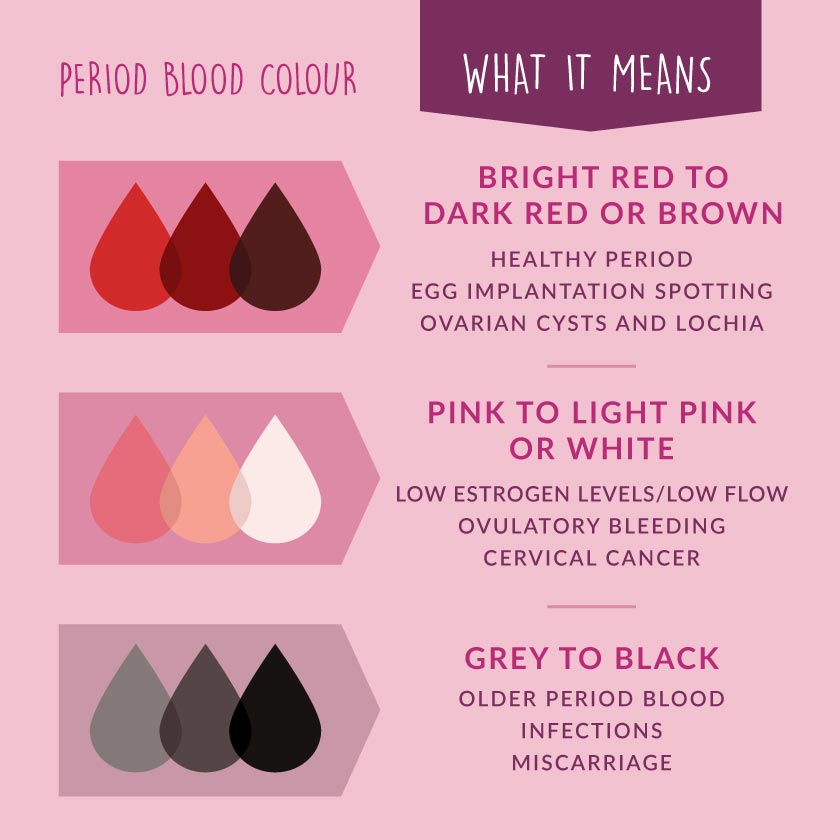
The Nuances of Menstrual Flow Intensity
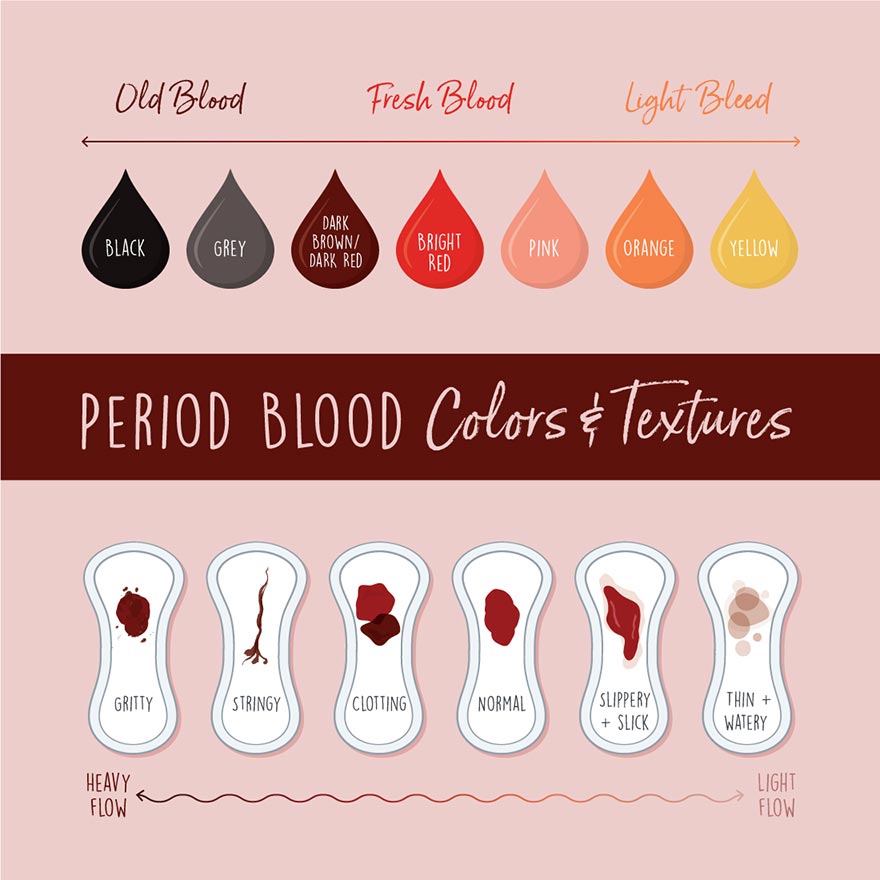
Menstrual flow intensity is typically described by its volume and duration. A “heavy” period involves significant bleeding, often requiring frequent pad or tampon changes. Conversely, a “light” period might involve only spotting or a flow that lasts for a shorter duration than usual. It’s important to establish a baseline for your own cycle to accurately identify what constitutes a deviation. Many factors can contribute to a lighter flow, and recognizing these can empower individuals to seek appropriate medical advice when necessary.
Technological Tools for Tracking and Analysis
In the past, tracking menstrual cycles relied on calendars and manual notes. Today, a plethora of sophisticated technologies are available to offer deeper insights.
Period Tracking Apps: More Than Just Dates
Period tracking apps have revolutionized how individuals monitor their cycles. These apps go beyond simply marking the start and end dates of menstruation. They allow users to log details such as:
- Flow intensity: Users can often select from options like light, moderate, heavy, or spotting.
- Symptom logging: This includes tracking mood changes, energy levels, cramping, breast tenderness, and other premenstrual or menstrual symptoms.
- Other cycle-related events: Logging ovulation predictor kit results, intercourse, and cervical mucus changes.
By consistently using these apps, individuals can build a detailed history of their menstrual patterns. This data can then be analyzed to identify trends and anomalies, including consistent lighter periods. Some advanced apps even use algorithms to predict future cycles and potential fertility windows based on the logged data.
Wearable Technology: Unveiling Deeper Insights
Wearable devices, such as smartwatches and fitness trackers, are increasingly incorporating menstrual health features. These devices can offer additional layers of data that may indirectly indicate changes in hormonal balance, which in turn can affect menstrual flow.
- Heart Rate Variability (HRV): HRV is a measure of the variation in time between heartbeats. Fluctuations in HRV can sometimes be linked to hormonal shifts. Some apps and wearables correlate these changes with different phases of the menstrual cycle, potentially highlighting periods of hormonal flux that could lead to lighter flows.
- Basal Body Temperature (BBT): While not a direct indicator of period intensity, tracking BBT can help identify ovulation. A consistent pattern of ovulation is essential for a regular cycle. Deviations in BBT patterns might indirectly suggest hormonal imbalances that could affect menstrual flow. Some smart rings and thermometers are designed for automated BBT tracking.
- Sleep Patterns: Disrupted sleep can impact hormonal regulation. Wearables can track sleep duration and quality, and significant changes might correlate with hormonal fluctuations affecting the menstrual cycle.
The integration of these physiological metrics with menstrual cycle logging provides a more holistic view of an individual’s reproductive health. This data can be incredibly valuable when discussing changes in menstrual flow with healthcare providers.
Telemedicine and Digital Health Platforms
The rise of telemedicine has made accessing healthcare more convenient, especially for discussing sensitive topics like menstrual health. Many healthcare providers now offer virtual consultations, allowing individuals to discuss their period tracking data and concerns remotely.
- Secure Data Sharing: Many period tracking apps and wearable devices offer the option to export or share data securely with healthcare providers. This allows for more informed consultations, as the doctor has access to objective data rather than relying solely on patient recall.
- AI-Powered Health Insights: Emerging AI tools are being developed to analyze menstrual cycle data from various sources (apps, wearables) to identify potential health risks or patterns that might require medical attention. These tools can act as early warning systems, flagging unusual trends like consistently light periods that warrant further investigation.
By leveraging these technological advancements, individuals can gain a deeper understanding of their bodies and menstrual cycles, enabling proactive management of their reproductive health.
Common Causes of a Light Period
A light period, or hypomenorrhea, can be caused by a variety of factors, ranging from normal physiological changes to more serious medical conditions. Understanding these potential causes is the first step in determining if further investigation is needed.
Hormonal Fluctuations
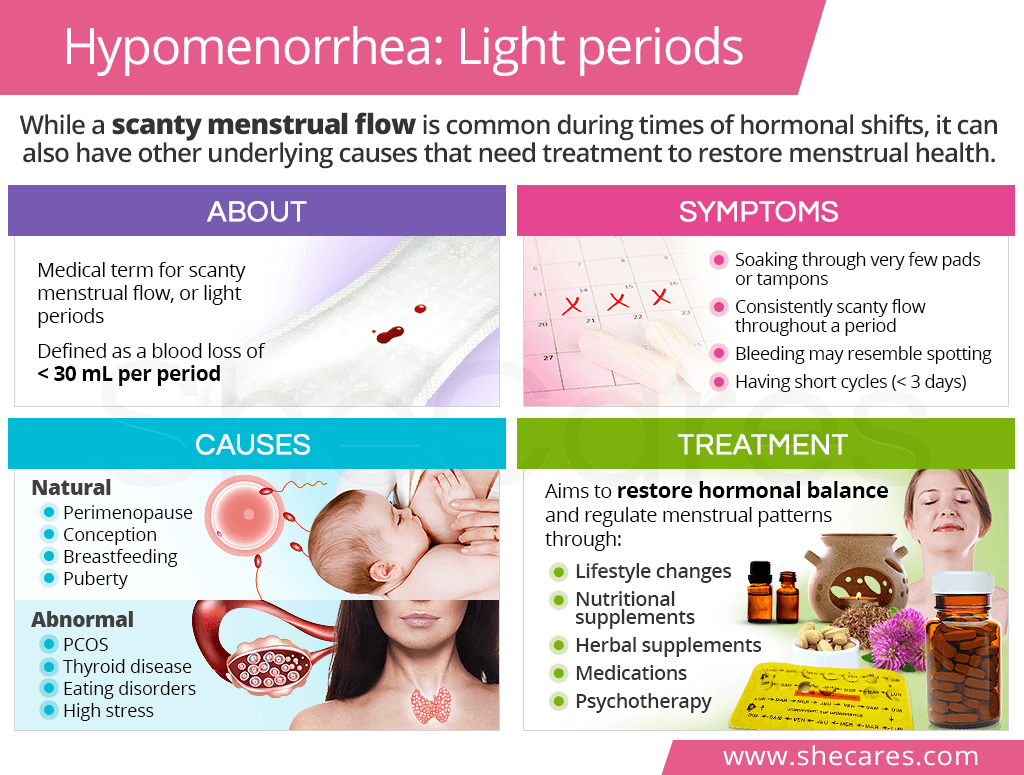
The most common culprits behind a lighter menstrual flow are hormonal fluctuations, particularly involving estrogen and progesterone. These hormones regulate the growth and shedding of the uterine lining.
- Stress: Chronic stress can significantly disrupt the endocrine system, leading to imbalances in the hormones that control the menstrual cycle. High levels of cortisol, the stress hormone, can interfere with ovulation and the regularity of your periods.
- Weight Changes: Significant weight loss or gain can impact hormone production and regulation. Rapid weight loss, especially, can lead to a deficiency in body fat, which is crucial for hormone synthesis. Conversely, obesity can also disrupt hormonal balance.
- Exercise: While regular exercise is beneficial, excessive or very intense physical activity, particularly for athletes, can lead to a condition known as “athletic amenorrhea” (absence of periods) or oligomenorrhea (infrequent periods), which can also manifest as lighter flows.
- Perimenopause: As individuals approach menopause, hormonal levels begin to fluctuate naturally. This can lead to irregular periods, including lighter or shorter flows, in the years leading up to the final menstrual period.
- Hormonal Birth Control: Many forms of hormonal contraception, such as birth control pills, patches, injections, and hormonal IUDs, are designed to suppress ovulation or thin the uterine lining. This often results in significantly lighter periods or even the cessation of periods altogether.
Medical Conditions and Interventions
Beyond hormonal fluctuations, certain medical conditions and interventions can also contribute to lighter periods.
- Polycystic Ovary Syndrome (PCOS): PCOS is a common hormonal disorder that can cause irregular menstrual cycles, including periods that are lighter or absent. It is characterized by an imbalance of reproductive hormones, leading to issues with ovulation and the development of ovarian cysts.
- Thyroid Issues: Both an overactive (hyperthyroidism) and underactive (hypothyroidism) thyroid gland can affect menstrual cycles. Thyroid hormones play a role in regulating many bodily functions, including reproductive hormones.
- Uterine Scarring (Asherman’s Syndrome): This condition, often caused by surgical procedures on the uterus such as D&C (dilation and curettage) or C-sections, can lead to the formation of scar tissue that partially or completely obstructs the uterine cavity. This scarring can reduce the amount of tissue available to shed during menstruation, resulting in lighter or absent periods.
- Early Pregnancy: Light bleeding or spotting can sometimes be an early sign of pregnancy, known as implantation bleeding. This occurs when a fertilized egg attaches to the uterine wall. It’s crucial to distinguish this from a regular period.
- Medications: Certain medications, other than hormonal birth control, can also influence menstrual flow. For instance, some blood thinners or chemotherapy drugs might affect the uterine lining and menstrual volume.
Lifestyle Factors and Other Considerations
Even subtle changes in lifestyle can impact your menstrual flow.
- Diet: Nutritional deficiencies, particularly iron deficiency anemia, can sometimes be associated with changes in menstrual flow, although it’s more commonly linked to heavy bleeding. However, a severely restrictive diet can disrupt hormonal balance.
- Underlying Infections: While less common, certain infections within the reproductive tract could potentially affect the uterine lining and influence menstrual flow.
It is important to reiterate that a single instance of a lighter period is usually not a cause for alarm. However, if you notice a persistent change in your menstrual flow, especially if it’s accompanied by other symptoms, consulting a healthcare professional is highly recommended.
When to Seek Medical Advice
While many instances of light periods are normal or easily explained, there are times when it’s important to consult a healthcare provider. Technology, as discussed, can provide valuable data to support these discussions.
Persistent Changes and Concerning Symptoms
If you’ve been consistently tracking your periods using apps or other methods and notice a significant and persistent decrease in your menstrual flow, it warrants attention.
- Sudden Cessation of Periods (Amenorrhea): If your periods completely stop, even if they were previously light, this is a significant change that requires medical evaluation. This could indicate pregnancy, hormonal imbalances, or other underlying conditions.
- Intermittent Bleeding: Experiencing spotting or light bleeding between periods can be a sign of various issues, including hormonal imbalances, fibroids, polyps, or even certain types of infections.
- Pain or Discomfort: If your light period is accompanied by unusual pelvic pain, cramping that is different from your usual menstrual pain, or any other discomfort, it’s advisable to seek medical advice.
- Unexplained Fatigue or Other Symptoms: A persistent light period, especially when coupled with unusual fatigue, changes in mood, or other new symptoms, could be an indicator of an underlying health issue that needs to be addressed.
Utilizing Technology for Medical Consultations
The data gathered through period tracking apps and wearable devices can be invaluable when consulting a healthcare provider.
- Detailed Cycle History: Instead of relying on memory, you can present your doctor with precise logs of your menstrual cycles, including dates, flow intensity, and associated symptoms. This provides a clear picture of the changes you’ve experienced.
- Identifying Patterns: Technology can help you identify patterns that might not be immediately obvious to the naked eye. For example, an app might highlight that your lighter periods consistently occur after periods of high stress or significant changes in your exercise routine.
- Informed Discussions: With objective data at hand, you can have more informed and productive discussions with your doctor. You can pinpoint specific concerns and ask targeted questions based on your tracked data.
- Monitoring Treatment Effectiveness: If a medical condition is diagnosed and treatment is initiated, continued use of tracking technology can help monitor the effectiveness of the treatment in regulating your menstrual cycle and flow.
Diagnostic Tools and Medical Evaluation
When you consult a healthcare provider about a light period, they will likely take a comprehensive medical history and perform a physical examination. Depending on the findings, they may recommend various diagnostic tools.
- Blood Tests: These can help assess hormone levels (e.g., thyroid hormones, reproductive hormones), check for pregnancy, and identify any underlying deficiencies like anemia.
- Pelvic Ultrasound: This imaging technique can visualize the uterus and ovaries, helping to detect conditions such as uterine fibroids, ovarian cysts, or abnormalities in the uterine lining.
- Hormone Level Monitoring: For individuals with suspected hormonal imbalances, your doctor might recommend tracking hormone levels over several cycles.
- Endometrial Biopsy: In some cases, a small sample of the uterine lining may be taken for microscopic examination to rule out certain conditions.
Preventive Health and Proactive Monitoring
The best approach to managing your reproductive health is often proactive. By using technological tools to consistently monitor your menstrual cycle, you can identify changes early and address potential issues before they become more serious. A light period, in itself, is not a definitive indicator of a problem, but it serves as a signal. Listening to your body and utilizing the advancements in health technology can empower you to take control of your well-being.
In conclusion, a light period can signify a range of things, from normal hormonal shifts and lifestyle adjustments to potential underlying medical conditions. By embracing the capabilities of modern technology for tracking and analysis, individuals can gain a deeper understanding of their menstrual health, facilitating more informed conversations with healthcare providers and ultimately contributing to proactive and effective health management.
aViewFromTheCave is a participant in the Amazon Services LLC Associates Program, an affiliate advertising program designed to provide a means for sites to earn advertising fees by advertising and linking to Amazon.com. Amazon, the Amazon logo, AmazonSupply, and the AmazonSupply logo are trademarks of Amazon.com, Inc. or its affiliates. As an Amazon Associate we earn affiliate commissions from qualifying purchases.