
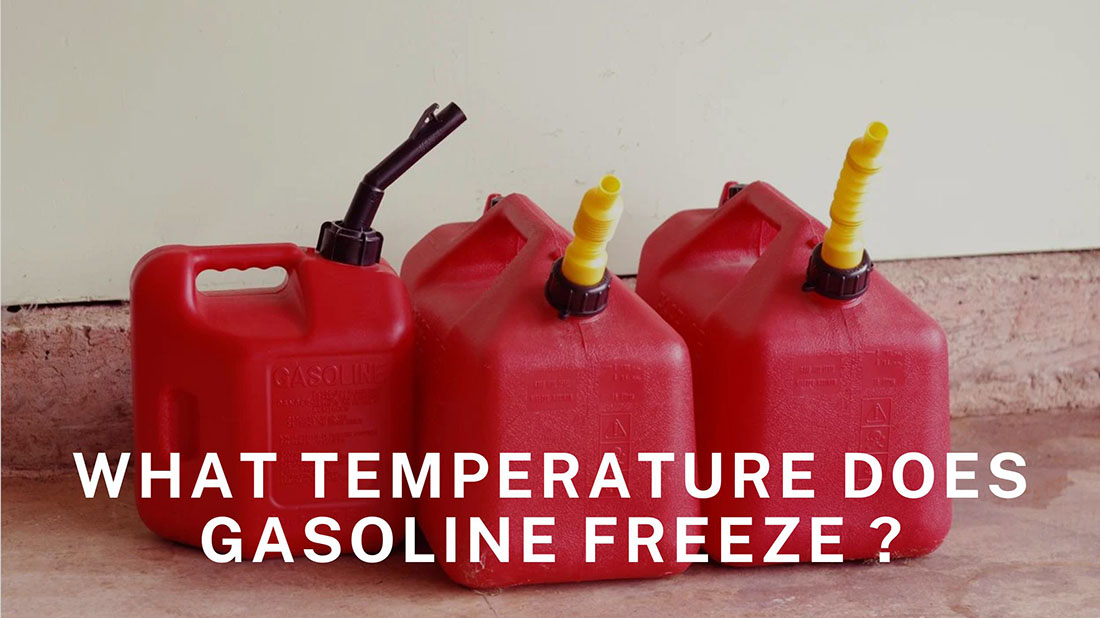
In the realm of thermodynamics and chemical engineering, the behavior of fluids under extreme conditions is a cornerstone of modern technological development. When we ask, “What temperature does gasoline freeze at?” we are not merely asking for a single number on a thermometer. Instead, we are delving into a complex world of hydrocarbon chains, fractional distillation, and precision-engineered chemical additives. Unlike water, which exhibits a clear phase transition at 32°F (0°C), gasoline is a sophisticated technological cocktail designed to remain functional across a vast thermal spectrum.
Understanding the “freezing point” of gasoline requires an exploration of how automotive technology and chemical science intersect to keep the wheels of global infrastructure turning in the harshest environments on Earth.

The Science of Molecular Stasis: Why Gasoline Doesn’t Have a Single Freezing Point
To understand the thermal limits of gasoline, one must first understand its technical composition. Gasoline is not a pure substance; it is a complex mixture of over 150 different hydrocarbons, including additives that enhance performance and stability. Because it is a mixture, it does not have a singular freezing point. Instead, it undergoes a gradual transition into a waxy, semi-solid state.
Fractional Distillation and Chemical Composition
The technology behind gasoline begins at the refinery through a process known as fractional distillation. Crude oil is heated, and different components are captured as they vaporize at various temperatures. Gasoline is composed primarily of liquid hydrocarbons like heptane, octane, and various aromatics. Each of these individual molecules has its own freezing point. For example, pure octane freezes at approximately -70°F (-57°C), while heptane freezes at -131°F (-91°C).
Because gasoline is a blend of these varying molecules, it does not “snap freeze” like water. As the temperature drops, the heavier molecules within the blend begin to precipitate out or solidify first. This creates a technical phenomenon known as “waxing” or “clouding,” where the fuel becomes increasingly viscous and slushy rather than a solid block of ice.
The Role of Hydrocarbons in Thermal Resistance
In the context of material science, the structural arrangement of hydrocarbons dictates their resistance to cold. Isomers—molecules with the same formula but different structures—play a massive role in how gasoline behaves at sub-zero temperatures. Refiners utilize advanced chemical technology to ensure that the balance of these hydrocarbons prevents the fuel from reaching its “pour point” (the temperature at which it loses its flow characteristics) until it reaches extreme lows, typically ranging between -40°F and -200°F, depending on the specific grade and seasonal additives.
Winter Blending: The Technological Evolution of Seasonal Fuel
One of the most significant technological feats in the petroleum industry is the implementation of seasonal fuel volatility adjustments. The gasoline you pump in July is chemically distinct from the gasoline you pump in January. This is a deliberate engineering strategy to ensure that internal combustion engines can function despite drastic changes in ambient temperature.
Vapor Pressure and Cold-Start Technology
The primary technical metric used in winter blending is Reid Vapor Pressure (RVP). RVP measures the volatility of the fuel—essentially, how easily it evaporates to create the combustible gas-air mixture required to start an engine. In cold temperatures, liquid gasoline does not vaporize easily, which can lead to “cold start” failures.
To solve this, fuel engineers integrate higher concentrations of “light-end” hydrocarbons, such as butane, into the winter blend. Butane has a much lower boiling point and higher vapor pressure than heavier components. By technologically increasing the butane content, engineers lower the effective freezing point of the mixture and ensure the fuel remains volatile enough to ignite even when the engine block is freezing.
Proprietary Additive Packages
Beyond the base hydrocarbons, modern gasoline is infused with sophisticated additive technology. These are not merely “cleaners”; they are highly engineered chemical packages designed to inhibit the formation of ice crystals from any trace moisture in the fuel system.
In sub-zero environments, even a microscopic amount of water in a fuel line can freeze, creating a blockage that mimics a frozen fuel supply. De-icers and surfactants are added to the fuel to chemically bind with water molecules, preventing them from coalescing into ice. This technological layer of protection is what allows vehicles to operate in regions like Alaska, Siberia, or Northern Canada, where temperatures regularly plummet below the functional limits of standard-grade fuels.
Automotive Tech: How Modern Engines Combat Low-Temperature Fluid Dynamics
The chemistry of the fuel is only half of the equation. The technology housed within the vehicle itself has evolved to manage the changing viscosity and behavior of gasoline in extreme cold. The synergy between fuel chemistry and engine hardware is a triumph of mechanical engineering.
Fuel Injection Calibration in Sub-Zero Climates
In older carbureted engines, cold gasoline was a significant hurdle, often leading to stalling or “flooding.” Modern Engine Control Units (ECUs), however, utilize high-tech sensors to monitor ambient air temperature and fuel density. When the ECU detects extreme cold, it automatically recalibrates the fuel injection timing and the air-to-fuel ratio.
By increasing the volume of fuel injected (creating a “rich” mixture), the system compensates for the poor vaporization of cold gasoline. High-pressure common rail injection systems also help by atomizing the fuel into such fine droplets that even near-freezing gasoline can be effectively combusted. This digital management system bridges the gap between the fuel’s physical state and the engine’s operational requirements.
The Role of Thermal Management Systems
Advanced automotive platforms now incorporate sophisticated thermal management systems to protect the fuel delivery architecture. This includes heated fuel lines and “fuel-to-coolant” heat exchangers. In some high-performance or heavy-duty applications, the vehicle uses excess heat generated by the engine or electrical heating elements to warm the fuel before it reaches the injectors.
This tech ensures that even if the gasoline has become highly viscous due to extreme cold, it is returned to an optimal operating temperature before the combustion cycle begins. These systems are essential for maintaining fuel efficiency and reducing emissions, as cold, poorly atomized fuel burns inefficiently and increases wear on the catalytic converter.
The Future of Fuel Tech: Synthetic Hydrocarbons and Electric Alternatives
As we look toward the future, the technology surrounding fluid stability in extreme temperatures is shifting from fossil fuels to synthetic alternatives and electrical energy storage. The “freezing point” of energy is being redefined by new engineering paradigms.
Lab-Grown Fuels and Extreme Thermal Stability
The emerging field of synthetic “e-fuels” offers the possibility of designing gasoline at the molecular level. Unlike traditional refining, which relies on the “luck of the draw” from crude oil deposits, synthetic fuels are built from the ground up using captured carbon and hydrogen.
This allows scientists to create fuels with specific thermal properties, potentially pushing the freezing and “waxing” points even lower than current standards. For aerospace and arctic exploration technology, these lab-grown hydrocarbons represent the next frontier in fuel stability, ensuring that machines can operate in environments that would render conventional gasoline useless.
The Paradigm Shift to Battery Thermal Management
While gasoline’s challenge is avoiding solidification, the technological challenge of the future—Electric Vehicles (EVs)—is managing the “freezing” of ion movement within battery cells. In extremely cold temperatures, the liquid electrolytes in lithium-ion batteries become sluggish, much like gasoline becoming waxy.
The “tech” in this space involves the development of solid-state batteries and advanced Active Thermal Management Systems (ATMS). These systems use heat pumps and resistive heaters to keep battery packs within a “Goldilocks” temperature range. Just as we once engineered gasoline blends to survive the winter, we are now engineering the thermal environments of batteries to ensure that energy delivery remains constant, regardless of the thermometer’s reading.
Conclusion: The Engineering of Resilience
The question of what temperature gasoline freezes at ultimately reveals a broader narrative about human ingenuity. Gasoline doesn’t have a simple freezing point because we have engineered it not to. Through the clever application of fractional distillation, the strategic use of seasonal additives like butane, and the integration of sophisticated engine management software, we have created a fuel technology that is remarkably resilient.
As we move into an era of synthetic fuels and electric propulsion, the lessons learned from managing the thermal dynamics of gasoline will continue to inform our designs. Whether it is preventing hydrocarbon waxing in a sub-arctic pipeline or managing ion flow in a frozen battery, the technology of temperature resistance remains a fundamental pillar of our mobile world. Gasoline’s “freezing point” is not a fixed barrier, but a technical frontier that we have successfully pushed back through a century of chemical and mechanical innovation.
aViewFromTheCave is a participant in the Amazon Services LLC Associates Program, an affiliate advertising program designed to provide a means for sites to earn advertising fees by advertising and linking to Amazon.com. Amazon, the Amazon logo, AmazonSupply, and the AmazonSupply logo are trademarks of Amazon.com, Inc. or its affiliates. As an Amazon Associate we earn affiliate commissions from qualifying purchases.