
In the world of software engineering and information technology, the term “cave diving” refers to one of the most hazardous yet essential activities a developer or systems architect can undertake. It is the practice of venturing deep into undocumented, ancient, and highly complex legacy codebases—the digital equivalent of a limestone cavern—to fix a critical bug, integrate a modern API, or extract data from a system that everyone else has forgotten how to use.
Much like the physical sport, digital cave diving requires specialized equipment, a high tolerance for risk, and a methodical approach to navigation. If you move too fast, you risk a “silt-out”—a situation where one change kicks up so many dependencies and errors that you can no longer see the path forward. This article explores the technical reality of cave diving, the risks associated with deep-system exploration, and the strategies modern organizations use to map the darkness of their technical debt.

Defining the Digital Abyss: What Cave Diving Means in Modern Tech
At its core, cave diving in a tech context is the exploration of systems where the “light” of modern documentation does not reach. These are often the mission-critical cores of banks, airlines, or government agencies that were built decades ago and have been layered over with “patchwork” solutions ever since.
The Anatomy of a Legacy System
A “cave” in a tech stack is characterized by its opacity. Unlike modern microservices, which are designed to be observable and decoupled, legacy systems are often monolithic and “tightly coupled.” A single change in a data parsing module from 1998 might unexpectedly crash a mobile payment gateway in 2024. These systems are often written in languages that are no longer in common use—such as COBOL, Fortran, or early versions of C—and they operate on hardware or virtual environments that are increasingly difficult to maintain.
Why We “Dive”: The Necessity of Maintaining Old Infrastructure
If these systems are so dangerous and difficult to navigate, why not simply replace them? The reality is that these “caves” often house the most valuable data and logic an organization possesses. Replacing a core banking system or a global logistics engine is a multi-billion-dollar risk. Therefore, “cave divers”—senior engineers with specialized knowledge—must go in to perform maintenance, ensure security compliance, or build bridges to modern cloud environments. We dive because the “cave” is where the foundational logic of the business lives.
The Tools of the Trade: Survival Kits for Technical Spelunking
Just as a physical diver wouldn’t enter a cave without a redundant air supply and a guide line, a technical diver needs a specific stack of tools to survive an encounter with legacy architecture. Without these, the risk of getting lost in a labyrinth of “spaghetti code” is nearly 100%.
Reverse Engineering and Documentation Recovery
When original documentation is missing or outdated, the first tool in the diver’s kit is a decompiler or a disassembler. Tools like IDA Pro or Ghidra allow engineers to see what a program is actually doing at the machine level, rather than what the non-existent manual says it should do. Additionally, documentation generators can be run against old codebases to create a visual map of class structures and dependencies, providing a “topographical map” of the cave before the diver enters.
Static and Dynamic Analysis Tools
To avoid a catastrophic failure, cave divers use static analysis tools (like SonarQube) to scan code for vulnerabilities without executing it. Once the general layout is understood, dynamic analysis—observing the system while it runs in a controlled environment—becomes the “sonar.” By watching how memory is allocated and how data flows through the system in real-time, engineers can identify the “tight squeezes” where the system is most likely to fail under pressure.
Risk Management: Avoiding the Fatal Squeeze of System Failure
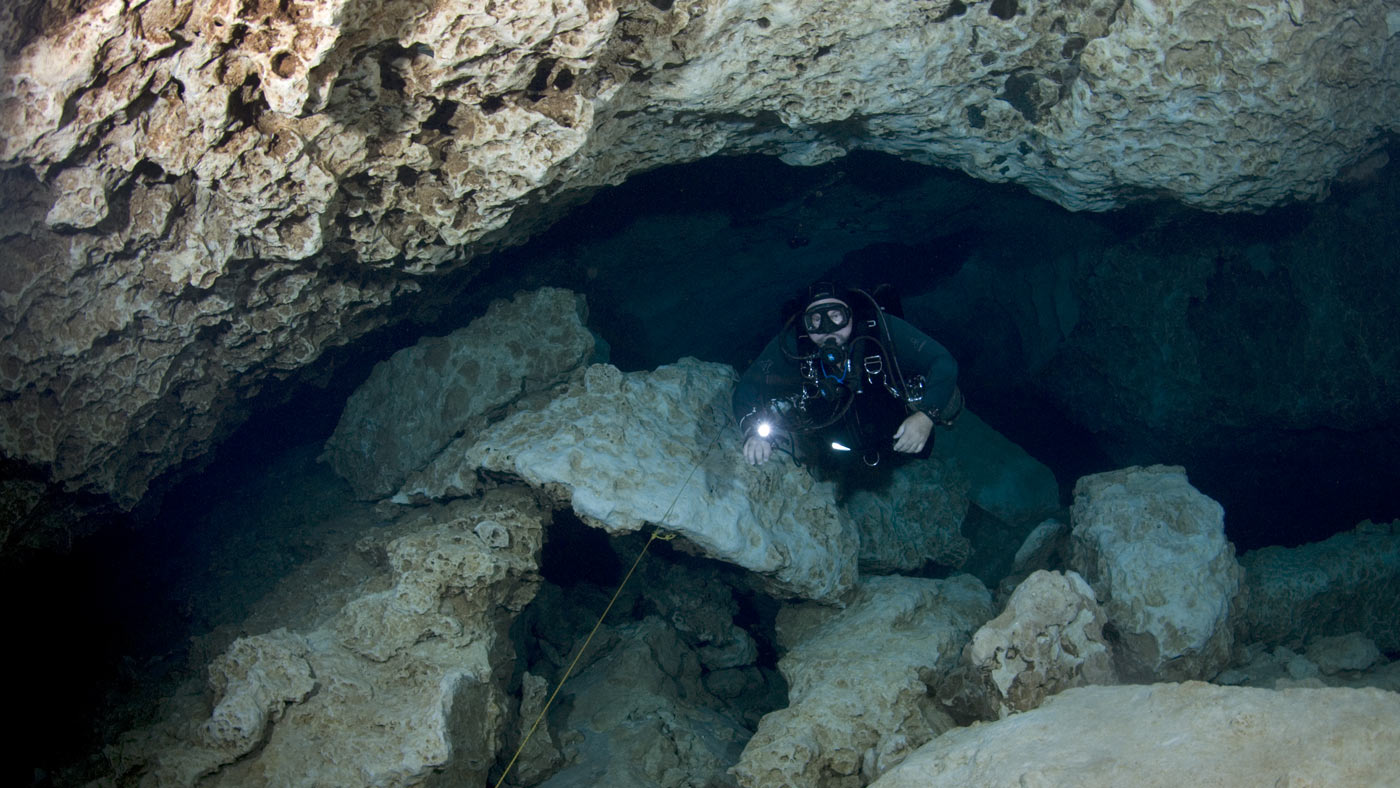
The primary danger of cave diving is the “cascade failure.” In an interconnected system, pulling on one loose thread can cause the entire ceiling to come down. Professional cave divers in tech use rigorous risk management protocols to ensure they—and the system—make it out in one piece.
Mapping the Dependencies
The most dangerous part of any legacy system is the hidden dependency. A global variable that is modified by three different modules, two of which haven’t been touched in a decade, is a disaster waiting to happen. “Mapping” involves using automated dependency graphers to visualize every connection. Before a single line of code is changed, a diver must understand the “ripple effect.” If I change the date format here, which twenty downstream systems will break?
Sandboxing and Safe Exploration Environments
A rule of thumb for any deep-system dive: never dive in production. Creating a “digital twin” or a sandbox environment that perfectly replicates the legacy system is the only way to explore safely. This involves containerizing old OS environments or using hardware emulators. By testing a “blast radius” in a sandbox, engineers can simulate failures without impacting the end-user, much like a diver practicing a difficult maneuver in a pool before heading into the actual cavern.
From Darkness to Light: Modernizing the “Cave”
The ultimate goal of most technical cave diving missions isn’t just to survive; it’s to make the system more accessible for the next generation. This process, known as modernization or “replatforming,” aims to bring the legacy logic into the light of modern DevOps practices.
Refactoring vs. Rewriting
One of the most important decisions a diver makes is whether to “refactor” (clean up and reorganize) or “rewrite” (build from scratch). Refactoring is like installing lights and safety rails in a cave; it makes the existing structure safer. Rewriting is like building a new tunnel alongside the old one. Most experts suggest a “Strangler Fig” pattern: gradually replacing pieces of the old system with modern services until the “cave” is no longer needed and can be safely decommissioned.
Implementing Microservices and Cloud Migration
Modern cave diving often ends with “breaking up the monolith.” By identifying specific functions within the legacy code—such as “Calculate Interest” or “Generate Invoice”—divers can wrap these old functions in modern APIs. This allows a cloud-native application to communicate with the deep-system core, effectively “bridging” the cave to the modern world and reducing the need for deep, dangerous dives in the future.
The Future of Deep System Exploration
As our digital world grows older, the amount of legacy code is only increasing. The “caves” of tomorrow are being built today in the form of complex JavaScript frameworks and AI-generated code. However, the tools we use for cave diving are also evolving.
AI-Assisted Code Discovery
The most significant advancement in technical cave diving is the use of Large Language Models (LLMs) to analyze legacy code. AI can read millions of lines of COBOL or legacy Java in seconds, identifying patterns, documenting logic, and suggesting refactors that would take a human engineer months to uncover. These AI “scouts” can enter the cave first, providing the human diver with a detailed report of what to expect.

The Growing Importance of Digital Archeology
We are entering an era where “Digital Archeology” is becoming a standard corporate requirement. Companies are realizing that they cannot afford to let their core systems become undocumented mysteries. The future of the Tech niche lies in better observability and automated documentation, ensuring that tomorrow’s engineers don’t have to be “cave divers”—they can simply be “tourists” in a well-mapped, well-lit digital environment.
In conclusion, “cave diving” in technology is the high-stakes art of managing the past to protect the future. It requires a unique blend of historical knowledge, modern tool proficiency, and a disciplined approach to risk. While the goal is always to move toward the light of modern architecture, the depth of our global technical debt ensures that for the foreseeable future, we will always need brave engineers willing to dive into the dark.
aViewFromTheCave is a participant in the Amazon Services LLC Associates Program, an affiliate advertising program designed to provide a means for sites to earn advertising fees by advertising and linking to Amazon.com. Amazon, the Amazon logo, AmazonSupply, and the AmazonSupply logo are trademarks of Amazon.com, Inc. or its affiliates. As an Amazon Associate we earn affiliate commissions from qualifying purchases.