
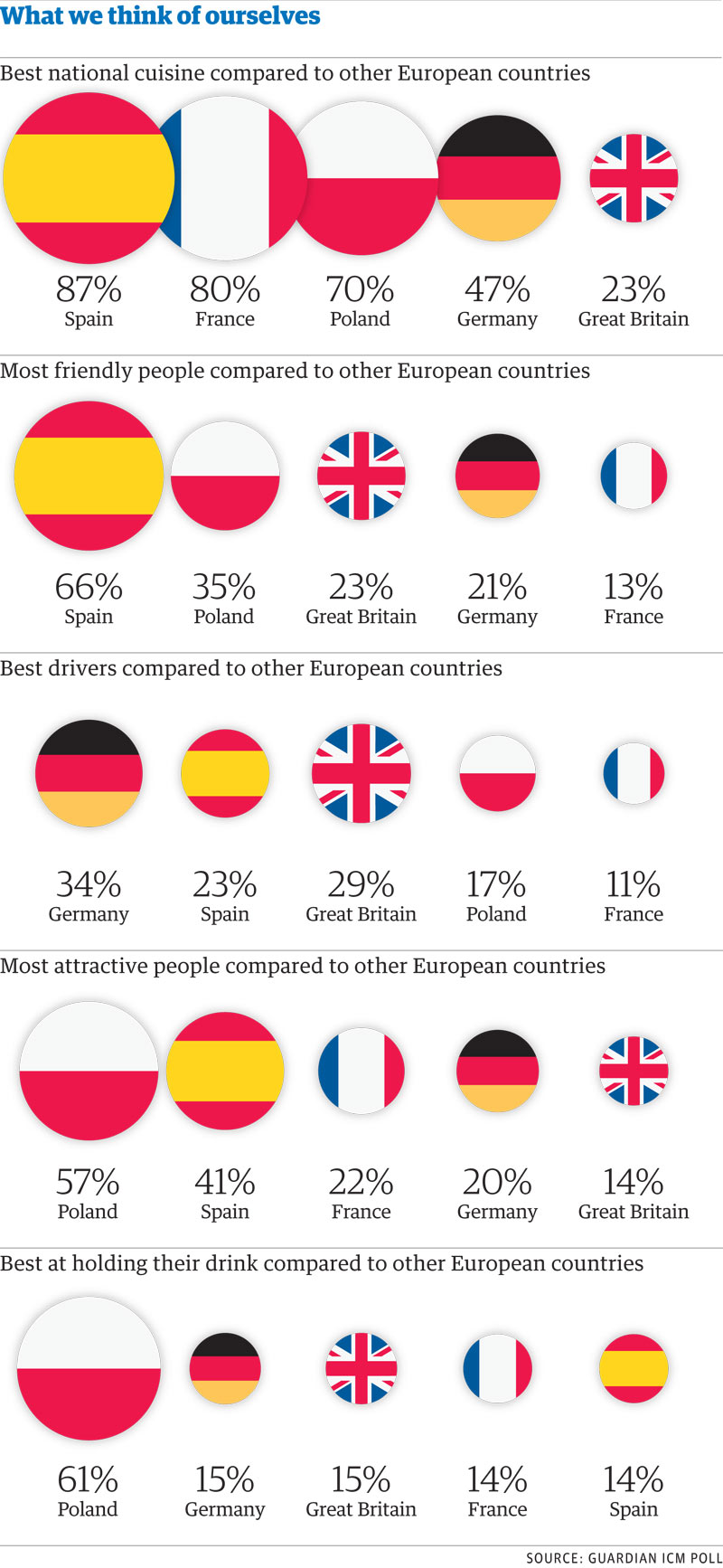
In the realm of global marketing and international relations, the question “what country has the most attractive people” is rarely about individual vanity. Instead, it serves as a gateway to understanding “Nation Branding”—a sophisticated strategic framework where the perceived physical appeal, style, and charisma of a population are leveraged as high-value assets. A country’s “attractiveness” is a potent form of soft power, influencing everything from foreign direct investment and tourism to the exportability of domestic luxury goods.
When we analyze which nations are perceived as having the most attractive people, we are actually looking at a complex interplay of media saturation, cultural storytelling, and the “Halo Effect.” This article explores how modern brand strategies transform aesthetic perceptions into economic dividends, and how certain countries have successfully commodified their national identity to dominate the global market.

The Halo Effect: How Human Attractiveness Translates to Brand Equity
In brand psychology, the “Halo Effect” occurs when our perception of one positive trait influences our opinion of other, unrelated traits. When a nation is globally recognized for having “attractive” people, this perception rarely stays confined to physical appearance. It bleeds into the perceived quality of that nation’s exports, the sophistication of its technology, and the desirability of its lifestyle.
Soft Power and the Human Face of a Nation
Soft power—the ability to influence others through attraction rather than coercion—is the cornerstone of nation branding. A country perceived as aesthetically pleasing often finds it easier to export its cultural values. For instance, the “attractiveness” of a population is frequently tied to health, vitality, and modernism. When global audiences see the faces of a nation reflected in cinema, fashion, and social media, they are not just looking at individuals; they are looking at a brand ambassador for that country’s stability and prosperity.
From a strategic standpoint, the “most attractive” country is often the one with the most effective media distribution. By projecting a consistent image of beauty and charisma, nations build a brand that feels approachable and elite simultaneously, creating a gravitational pull for international talent and capital.
The Intersection of Culture and Visual Identity
The perception of attractiveness is deeply rooted in how a nation curates its visual identity. A country’s brand is a combination of its heritage and its contemporary relevance. When a nation’s people are perceived as attractive, it often reflects a successful synthesis of these two elements. This visual identity becomes a “shorthand” for consumers. For example, the perceived “chicness” of the French or the “effortless cool” of Scandinavians serves as a pre-built marketing platform for brands originating in those regions. Companies don’t just sell a product; they sell a piece of the national aesthetic.
Strategic Case Studies: Countries That Mastered the Aesthetic Brand
Several nations have moved beyond the superficiality of “beauty rankings” to build multi-billion dollar industries based on their perceived attractiveness. These countries provide a blueprint for how personal branding on a national scale can drive corporate success.
Brazil: Vitality and the Lifestyle Export
Brazil is frequently cited in global polls regarding attractiveness, but from a brand strategy perspective, Brazil has marketed something more specific: vitality. The Brazilian brand is synonymous with health, diversity, and an active outdoor lifestyle. This has allowed the country to dominate the global market in swimwear, fitness apparel, and cosmetic procedures. By anchoring its national brand in the “attractiveness” of its people, Brazil has created a niche where its products are seen as the “secret” to achieving that same level of vibrancy.
Italy: The Legacy of Art and Elegance
Italy’s brand strategy is perhaps the most enduring in the world. The perception of the “attractive Italian” is inextricably linked to Sprezzatura—the art of effortless elegance. This isn’t just a social trait; it is a corporate identity. Because the world perceives Italians as aesthetically sophisticated, “Made in Italy” has become one of the most powerful brand legacies in history. Whether it is high-end fashion, automotive design, or furniture, the perceived attractiveness of the culture adds a premium price tag to every export.

South Korea: The K-Beauty and K-Pop Revolution
Perhaps the most modern example of strategic nation branding is South Korea. Through the “Hallyu” or Korean Wave, the government and private sectors collaborated to export Korean music, drama, and skincare. The global obsession with the “attractive” stars of K-Pop led directly to the explosion of the K-Beauty industry. By defining a specific aesthetic—characterized by “glass skin” and youthful energy—South Korea transformed its population’s image into a global gold standard for the cosmetic and tech industries, proving that attractiveness can be a manufactured and highly profitable brand export.
Measuring the “Attractiveness Index” through Data and Sentiment Analysis
In the digital age, determining which country has the “most attractive” people has moved from subjective opinion to data-driven sentiment analysis. Brand strategists use complex algorithms to measure how national identities are performing in the global marketplace of ideas.
Digital Sentiment and Global Rankings
Marketing firms now use AI-driven social listening tools to track “aesthetic sentiment.” By analyzing millions of social media posts, mentions, and engagement metrics, brands can identify which national identities are currently “trending.” These rankings are vital for global companies when deciding where to launch new product lines or which “national look” to feature in a global campaign. If data shows a rising global interest in the aesthetic of a specific region—such as the recent surge in West African fashion and beauty—brand strategists will pivot their corporate identities to align with that perceived attractiveness.
The Role of Social Media Influencers in Shaping Perceptions
The decentralization of media means that a country’s brand is no longer just in the hands of its tourism board; it is in the hands of its influencers. TikTok and Instagram serve as 24/7 billboards for national aesthetics. When influencers from a specific country go viral, they serve as micro-brand ambassadors. A country that produces high volumes of engaging, aesthetically pleasing content will naturally rise in the “attractiveness” rankings. This digital footprint is a critical metric for nation branding, as it creates a peer-to-peer endorsement that traditional advertising cannot replicate.
From People to Products: Leveraging Human Appeal for Corporate Identity
For businesses, the “attractiveness” of their home country is a strategic asset that must be managed. In a globalized economy, the origin of a brand often dictates its entry point into the market.
Global Campaigns and Local Talent
When a global brand like Nike or L’Oréal selects talent for a campaign, they are not just looking for a beautiful face; they are looking for a face that carries the “brand weight” of a nation. If a country is currently perceived as the “most attractive,” talent from that region becomes a shortcut to achieving “cool factor” for a brand. This creates a symbiotic relationship: the country provides the aesthetic prestige, and the global brand reinforces that prestige through high-visibility marketing.
Building Authenticity through National Identity
In an era of skepticism, “authenticity” is the most valuable currency in branding. Consumers are increasingly drawn to brands that feel rooted in a specific place and culture. By leaning into the perceived attractiveness and lifestyle of their home country, companies can build a narrative of authenticity. For example, a skincare brand from Iceland leverages the perceived “pure and natural beauty” of the Icelandic people and environment. This isn’t just a marketing gimmick; it is a strategic alignment of product efficacy with national brand perception.
Conclusion: The Future of Strategic Attraction
The question of “what country has the most attractive people” will always be a topic of popular debate, but for brand strategists, the answer lies in economic impact. Attractiveness is a multifaceted tool of nation branding that, when managed correctly, drives tourism, boosts exports, and enhances a country’s standing on the world stage.
As we move further into a visual-first digital economy, the countries that will “win” the title of most attractive are those that successfully integrate their human capital with their corporate identity. By fostering a culture of health, creativity, and distinct visual storytelling, a nation can ensure that its “face” is not just beautiful, but also a powerhouse of global influence and brand equity. In the final analysis, the most attractive country is the one that best understands how to turn its cultural aesthetic into a sustainable global brand.
aViewFromTheCave is a participant in the Amazon Services LLC Associates Program, an affiliate advertising program designed to provide a means for sites to earn advertising fees by advertising and linking to Amazon.com. Amazon, the Amazon logo, AmazonSupply, and the AmazonSupply logo are trademarks of Amazon.com, Inc. or its affiliates. As an Amazon Associate we earn affiliate commissions from qualifying purchases.