
In an increasingly globalized economy, the concept of “home” has evolved from a static geographical location into a strategic financial asset. For investors, entrepreneurs, and high-net-worth individuals, a residence permit is far more than a simple legal document allowing one to stay in a foreign country. It represents a gateway to international banking, tax optimization, and wealth diversification. This guide explores the residence permit through the lens of personal finance, examining how it functions as a critical tool for securing economic freedom and long-term financial stability.

Understanding the Residence Permit as a Financial Tool
At its core, a residence permit is an official document issued by a sovereign nation that grants a foreign national the right to reside within its borders for a specific duration. However, from a financial perspective, it serves as the foundational infrastructure for a “Plan B” strategy. By decoupling one’s physical presence from their country of birth, an individual can optimize their financial life in ways that are impossible under a single jurisdiction.
Defining the Residence Permit in a Borderless Economy
While a visa typically grants entry for short-term purposes like tourism or business meetings, a residence permit allows for a more permanent integration into a country’s economic ecosystem. It permits the holder to open local bank accounts, register businesses, and, in many cases, access the local healthcare and education systems. In the context of money management, this means the ability to hold assets in different currencies and jurisdictions, mitigating the risks associated with domestic inflation or political instability.
Temporary vs. Permanent Residency: Impact on Financial Planning
Residence permits are generally divided into two categories: temporary and permanent.
- Temporary Residence Permits (TRP): These are usually valid for one to five years and are tied to specific conditions, such as employment, study, or a specific investment threshold. For the financially savvy, a TRP is an introductory phase used to test a market’s investment climate or tax benefits before committing deeper capital.
- Permanent Residence Permits (PRP): Often granted after a period of legal stay or a significant financial contribution, a PRP offers indefinite stay and a higher degree of security. Financially, permanent residency is a major milestone because it often removes restrictions on property ownership and can be a stepping stone toward citizenship, which carries the ultimate benefit of a second passport and expanded travel freedom.
Residency by Investment: The ‘Golden Visa’ Landscape
One of the most direct intersections of residency and personal finance is the “Residency by Investment” (RBI) scheme, popularly known as a “Golden Visa.” These programs allow individuals to “purchase” residency rights by making a significant contribution to a country’s economy. For many, this is not merely an expense but a strategic relocation of capital.
Capital Requirements and Asset Classes
The price of a residence permit varies wildly depending on the desirability and economic stability of the host country. Investment thresholds can range from $100,000 in parts of the Caribbean or South America to over $2 million in premium European or North American jurisdictions.
Investors typically choose between several asset classes:
- Real Estate: Purchasing residential or commercial property is the most common route. This offers the dual benefit of a residence permit and a tangible asset that may appreciate over time or generate rental income.
- Capital Transfer: Some countries allow residency in exchange for a large deposit in a national bank or the purchase of government bonds.
- Job Creation: Entrepreneurs may obtain residency by launching a business that employs a specific number of local citizens, thus contributing to the nation’s GDP.
- Investment Funds: A growing trend involves investing in regulated venture capital or private equity funds, which offers a more hands-off approach compared to property management.
Evaluating the ROI of Global Residency Programs
When treating a residence permit as a financial investment, one must calculate the Return on Investment (ROI). This isn’t just about the potential appreciation of a Spanish villa or a Greek apartment. The real ROI lies in the intangible benefits: access to the European Union’s Single Market, the ability to invoice clients from a more “reputable” jurisdiction, or the significant savings achieved through more favorable tax regimes. A residence permit should be viewed as a hedge against “home country risk”—the danger that your entire net worth is tied to the fate of a single nation’s economy.
Tax Implications and Fiscal Advantages of New Residency
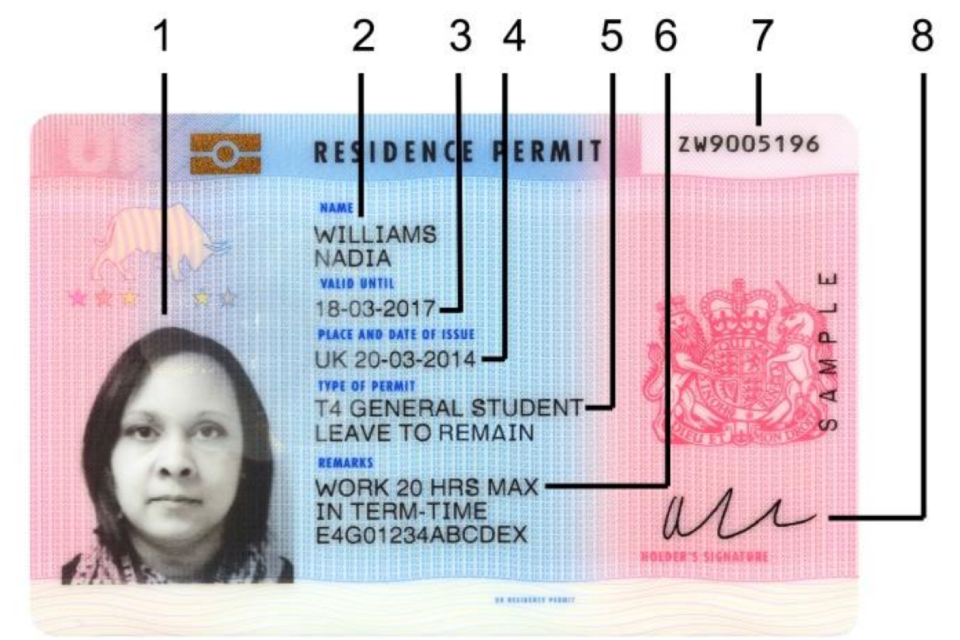
Perhaps the most compelling reason to seek a residence permit is the potential for tax optimization. While many people confuse legal residency with tax residency, the two are inextricably linked. Understanding the nuances of how a residence permit affects your tax liability is essential for effective wealth preservation.
Tax Residency vs. Legal Residency
Holding a residence permit does not automatically make you a tax resident of that country. Most nations use a “183-day rule,” where you become a tax resident only if you spend more than half the year within their borders. However, some countries offer special tax statuses for new residents. For example, Italy’s “Lump Sum Tax” or Portugal’s “Non-Habitual Resident” (NHR) program (though recently modified) were designed to attract wealthy individuals by offering fixed tax rates or exemptions on foreign-sourced income for a set period.
Wealth Preservation and Diversification Strategies
A residence permit allows an individual to legally move their “center of vital interests.” By obtaining residency in a jurisdiction with no capital gains tax, no inheritance tax, or a territorial tax system (where only income earned within the country is taxed), an investor can significantly accelerate their wealth accumulation. This is a common strategy for digital entrepreneurs and crypto-investors who are not tethered to a physical office and can choose to reside in tax-friendly hubs like Dubai, Panama, or certain Caribbean nations.
Navigating the Costs: Fees, Maintenance, and Indirect Expenses
While a residence permit offers numerous financial advantages, it is not without its costs. A professional financial plan must account for both the visible and invisible expenses associated with maintaining legal status abroad.
Upfront Investment and Processing Costs
Beyond the primary investment (e.g., $500,000 for real estate), there are significant “sunk costs.” These include government processing fees, legal fees for immigration attorneys, and mandatory background checks. In some European programs, these administrative costs can add an additional 10% to 15% to the total investment.
Sustaining Residency: Compliance and Renewal Fees
A residence permit is rarely a “one-and-done” transaction. Most temporary permits require periodic renewals, which involve updated financial statements, proof of health insurance, and further government fees. Furthermore, if the residency is tied to a business, there are ongoing costs for corporate compliance, accounting, and tax filings in the host country. Failure to account for these “maintenance costs” can erode the financial benefits that the residency was intended to provide.
The Future of Residency: Economic Resilience and Personal Freedom
In the modern era, the most successful individuals are those who are “geographically independent.” A residence permit is the ultimate tool for achieving this independence. It provides a legal framework for a life that is diversified across multiple borders, ensuring that no single government has total control over an individual’s wealth or movement.
Portfolio Residency as a Hedge Against Market Volatility
Just as a wise investor does not put all their money into a single stock, a wise global citizen does not rely on a single residency. “Portfolio Residency” is the practice of holding permits in multiple regions—for example, a residence permit in a stable European country for lifestyle and safety, and another in a low-tax jurisdiction for business operations. This diversification protects against regional economic downturns, currency devaluations, and changes in local tax laws.

The Value of Financial Optionality
Ultimately, a residence permit is about “optionality.” In finance, an option gives you the right, but not the obligation, to take an action. A residence permit gives you the option to move your capital, your family, and your business to a more favorable environment at a moment’s notice. In an era of unpredictable global shifts, the ability to pivot—financially and physically—is perhaps the most valuable asset one can possess.
By viewing a residence permit not just as a piece of plastic or a stamp in a passport, but as a sophisticated financial instrument, individuals can better navigate the complexities of the global economy. Whether it is through a Golden Visa, a digital nomad permit, or a business residency, the goal remains the same: to maximize personal freedom and secure a prosperous financial future in an uncertain world.
aViewFromTheCave is a participant in the Amazon Services LLC Associates Program, an affiliate advertising program designed to provide a means for sites to earn advertising fees by advertising and linking to Amazon.com. Amazon, the Amazon logo, AmazonSupply, and the AmazonSupply logo are trademarks of Amazon.com, Inc. or its affiliates. As an Amazon Associate we earn affiliate commissions from qualifying purchases.