
In the mid-20th century, finding a 24-hour drug store was a matter of local knowledge or a frantic search through a physical phone book. Today, the question of “what drug stores are open 24 hours” is answered in milliseconds through a complex web of geolocation services, real-time data synchronization, and sophisticated mobile application architecture. The convenience of 24/7 pharmaceutical access is no longer just a feat of retail logistics; it is a triumph of modern technology. From the APIs that power map searches to the AI-driven inventory systems that ensure medicine is in stock at 3:00 AM, the intersection of tech and essential retail has redefined how we handle health emergencies.
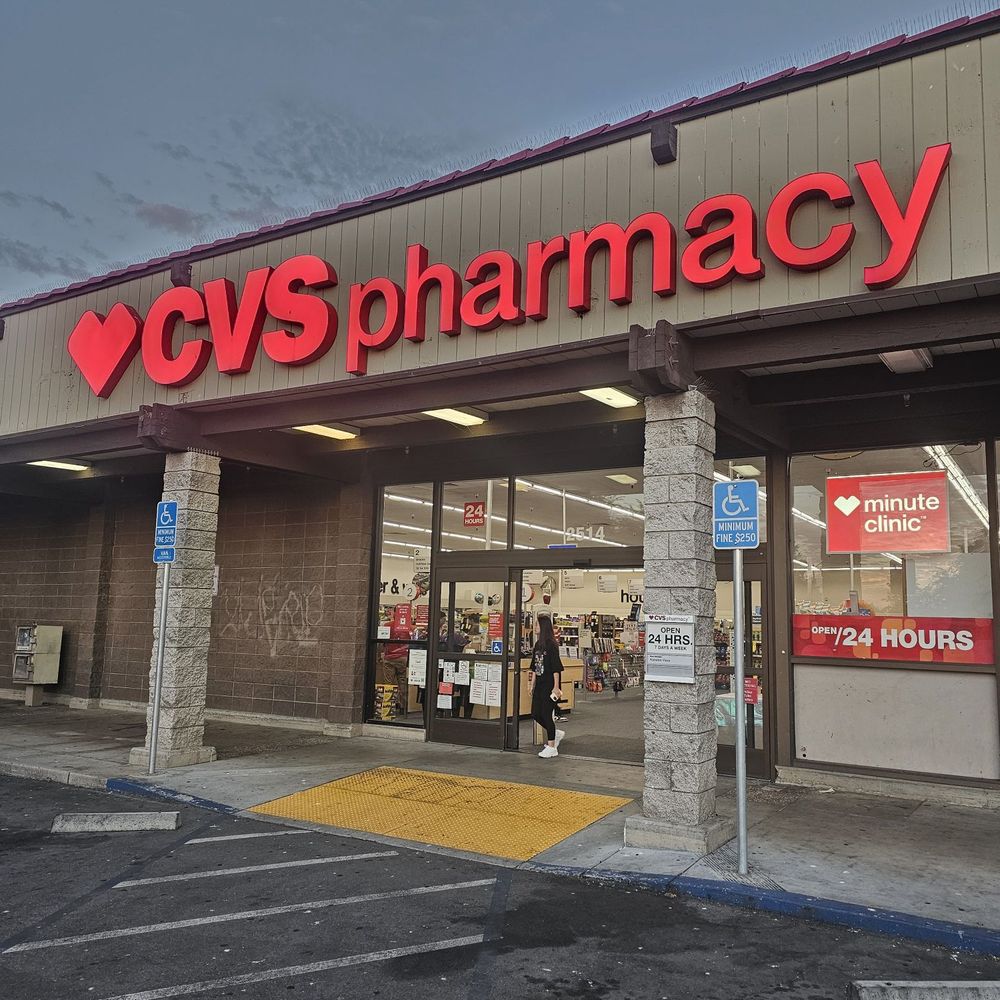
The Role of Geolocation and Real-Time Data in Locating 24-Hour Services
When a user types “24-hour drug store near me” into a search engine, they are initiating a high-speed data exchange that involves multiple layers of software. This process relies heavily on Global Positioning System (GPS) data and the integration of diverse Application Programming Interfaces (APIs).
API Integration and Google Maps Optimization
The backbone of locating an open pharmacy is the Google Maps Platform or similar geospatial services like Mapbox. Major retail chains such as CVS and Walgreens utilize Google My Business (GMB) APIs to push real-time updates regarding their operating hours. This is not a static process. During holidays or local emergencies, these APIs allow corporate headquarters to update the “open” status of thousands of locations simultaneously. For the developer, the challenge lies in ensuring low latency—the time it takes for a store’s closing (or its 24-hour status) to reflect on the user’s screen. Modern tech stacks utilize “push” notifications and webhooks to ensure that the moment a store’s status changes in the corporate database, it is reflected across all consumer-facing digital maps.
How Proprietary Retail Apps Track Live Inventory and Hours
Beyond Google Maps, proprietary applications from major pharmacies offer a deeper level of technological integration. These apps do more than just show a location; they connect directly to the store’s Point of Sale (POS) and Enterprise Resource Planning (ERP) systems. When you search for an open 24-hour store on a dedicated pharmacy app, you aren’t just seeing a pin on a map. You are accessing a cloud-based server that queries the specific store’s local server to verify if a pharmacist is currently on duty and if specific medications are available. This level of transparency is powered by high-speed cloud computing environments like AWS or Azure, which manage the massive data throughput required to sync thousands of retail nodes in real-time.
Telemedicine and E-Prescriptions: Bridging the Gap Between Late-Night Needs and Digital Fulfillment
The question of “which drug store is open” is often followed by “how do I get my prescription there?” This is where the digital transformation of healthcare, or Telehealth, intersects with the physical 24-hour retail model.
The Rise of the Virtual Pharmacist
In many jurisdictions, technology has enabled the rise of the “remote-verify” pharmacist. While a physical store might be open 24 hours, keeping a licensed pharmacist on-site at all times in every location can be a logistical challenge. Modern pharmaceutical tech now allows for “tele-pharmacy” hubs. Using high-definition video links and secure digital imaging, a pharmacist at a central 24-hour hub can verify a prescription filled by a technician at a satellite 24-hour location. This ensures that the digital infrastructure supports the physical availability of the store, allowing technology to solve the human resource constraints of 24/7 operations.
Secure Digital Health Records and Instant Data Transfer
E-prescribing software has replaced the handwritten note, significantly reducing errors and increasing the speed of midnight pharmacy visits. When a doctor issues an emergency prescription via a platform like Epic or Cerner, the data is transmitted via Surescripts—a secure health information network. This technology ensures that by the time a patient arrives at a 24-hour drug store, their information is already decrypted and waiting in the pharmacy’s internal queue. The security protocols involved—including AES-256 encryption and HIPAA-compliant cloud storage—are what make this seamless transition from a digital “urgent care” visit to a physical 24-hour pharmacy possible.
Automation and Robotics: The Tech Powering the 24-Hour Drug Store Model

Operating a retail environment 24 hours a day is cost-intensive. To make this model sustainable, drug stores have turned to advanced automation and robotics to handle the “heavy lifting” of the graveyard shift.
Automated Dispensing Cabinets (ADCs)
In many modern 24-hour pharmacies, the “back of house” looks more like a high-tech laboratory than a traditional store. Automated Dispensing Cabinets (ADCs) and robotic pill-counters use optical sensors and weight-based verification to sort and bottle medications with 99.9% accuracy. These machines are integrated with the store’s inventory software, automatically flagging when a specific drug’s stock is low. For a 24-hour store, this automation is critical; it allows the skeletal night staff to focus on patient consultation and safety while the “bots” handle the repetitive task of counting and labeling.
AI-Driven Inventory Management Systems
Artificial Intelligence (AI) plays a silent but pivotal role in the 24-hour retail cycle. Machine learning algorithms analyze years of historical data to predict which medications will be in high demand during specific times or seasons. For instance, an AI system might notice a spike in asthma-related prescriptions during a specific pollen-heavy week and automatically increase the stock orders for 24-hour locations in affected zip codes. This predictive analytics ensures that when a user finds an open store at 4:00 AM, the technology has already ensured the product they need is sitting on the shelf.
Digital Security and Privacy in Midnight Transactions
As more users turn to mobile apps and digital interfaces to locate and interact with 24-hour pharmacies, the importance of cybersecurity becomes paramount. Handling sensitive health data and financial information in an “always-on” environment requires a robust security architecture.
Encryption in Mobile Payment Processing
The convenience of “checking out” via a mobile app before arriving at the store is powered by secure payment gateways. Technologies like Near Field Communication (NFC) for Apple Pay or Google Pay, and tokenization for in-app purchases, ensure that the user’s financial data is never actually stored on the pharmacy’s local server. Instead, a “token” is used to validate the transaction. This tech is essential for 24-hour operations, where physical security might be lower at night, but digital security must remain at an all-time high.
HIPAA Compliance in Digital Pharmacy Interfaces
Any app that helps you find a 24-hour drug store or manage your prescriptions must navigate the complex landscape of HIPAA (Health Insurance Portability and Accountability Act) compliance. From a tech perspective, this involves end-to-end encryption of all Protected Health Information (PHI). Developers must build “audit trails” into the software, recording every time a record is accessed and by whom. For the consumer, this means that while the tech makes finding a pharmacy easy, it also keeps their medical history under a digital lock and key, even during a late-night emergency.
The Future of On-Demand Healthcare: Beyond the Physical Storefront
As we look toward the future, the definition of a “24-hour drug store” is shifting from a physical location you visit to a digital service that comes to you. The technological trends currently in development suggest a radical shift in how we perceive 24/7 accessibility.
Drone Delivery and Autonomous Logistics
Companies like Zipline and Amazon Pharmacy are already experimenting with drone delivery for urgent medical supplies. In the near future, the question “what drug store is open 24 hours” may be irrelevant, as autonomous delivery bots or drones could fulfill orders from a centralized, automated 24-hour warehouse. This involves complex “Sense and Avoid” AI technology and sophisticated airspace management software, moving the pharmacy experience entirely into the realm of high-tech logistics.

AI Chatbots for Immediate Medical Queries
Before a person even heads to a 24-hour pharmacy, they often have questions. Natural Language Processing (NLP) and Large Language Models (LLMs) are being integrated into pharmacy apps to provide instant, 24/7 triage. These AI chatbots can analyze a user’s symptoms, cross-reference them with their medication history, and advise whether an immediate trip to a 24-hour pharmacy is necessary or if the issue can wait until morning. This “digital front door” is the latest layer in the tech stack that supports the 24-hour healthcare ecosystem.
In conclusion, the modern ability to find and utilize 24-hour drug stores is a testament to how deeply technology has permeated our daily lives. It is a seamless blend of GPS, cloud computing, AI, and secure data transmission. As these technologies continue to evolve, the “24-hour pharmacy” will become increasingly proactive, using data to meet our needs before we even realize we have them. The pharmacy of the future isn’t just a store that never closes; it’s a digital infrastructure that never sleeps.
aViewFromTheCave is a participant in the Amazon Services LLC Associates Program, an affiliate advertising program designed to provide a means for sites to earn advertising fees by advertising and linking to Amazon.com. Amazon, the Amazon logo, AmazonSupply, and the AmazonSupply logo are trademarks of Amazon.com, Inc. or its affiliates. As an Amazon Associate we earn affiliate commissions from qualifying purchases.