
In the contemporary digital landscape, the term “viral” is often tossed around by marketing departments and content creators as the ultimate benchmark of success. However, for a brand—whether it is a multinational corporation or a burgeoning personal brand—the definition of a viral video extends far beyond a simple view count. In a world where attention is the most valuable currency, understanding what truly constitutes virality is essential for building a sustainable brand identity and achieving long-term market resonance.
Defining Virality in the Age of Digital Branding
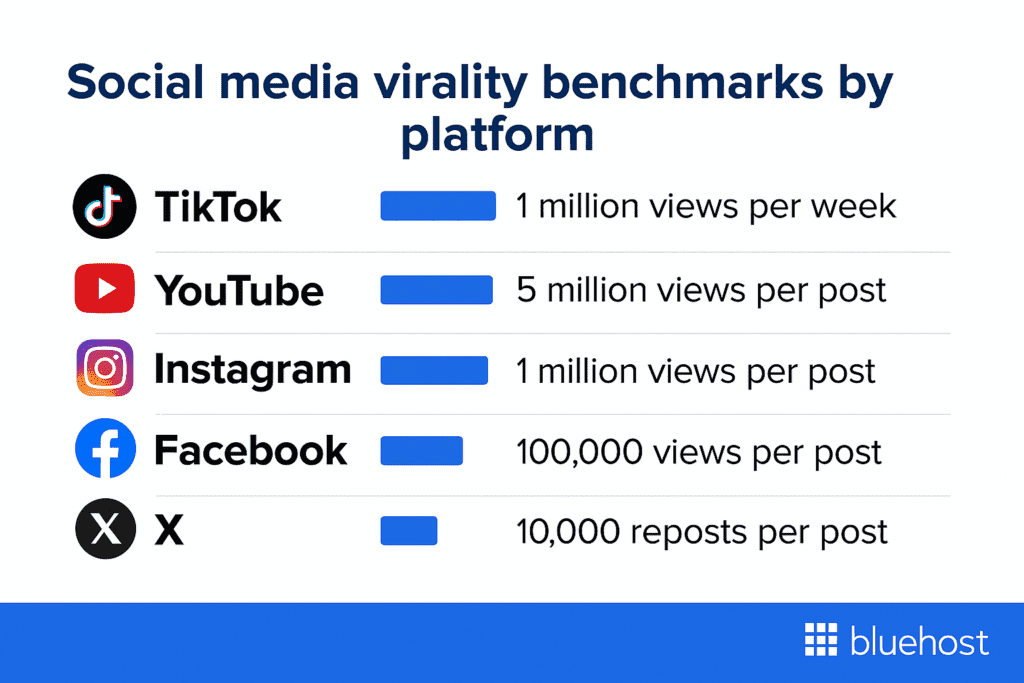
For many, the initial instinct is to define virality through a specific numerical milestone. Traditionally, hitting one million views was the gold standard. However, in an era where platforms like TikTok and YouTube Shorts generate billions of impressions daily, the sheer volume of views is no longer the sole indicator of viral status.
Beyond the One Million View Threshold
From a brand strategy perspective, virality is relative. If a niche B2B software company produces a video that reaches 50,000 highly targeted decision-makers in the tech industry, that video has achieved a level of “niche virality” that is far more valuable than a generic prank video reaching ten million people.
True virality is characterized by a high ratio of shares to views. It is not just about who sees the content, but who feels compelled to pass it on. When a brand’s content moves from one digital ecosystem to another—starting on TikTok, being shared on X (formerly Twitter), and eventually landing in private WhatsApp groups—it has achieved a viral state. This cross-platform migration signifies that the content has transcended its original audience and become a cultural touchpoint.
The Velocity Factor: Speed vs. Volume
Another critical component in defining a viral video is the speed of accumulation. A video that gains a million views over three years is successful “evergreen” content; a video that gains a million views in forty-eight hours is viral.
For a brand, this velocity is crucial because it creates a “snowball effect.” High velocity signals to platform algorithms that the content is high-priority, leading to even more aggressive distribution. This rapid exposure allows a brand to dominate the digital conversation for a window of time, providing a unique opportunity to pivot that temporary attention into permanent brand equity.
The Mechanics of Viral Brand Content
Virality is rarely an accident. While there is always an element of timing and luck, brands that consistently go viral do so by leaning into specific psychological triggers and strategic frameworks. To create a video that is “considered viral,” a brand must understand the intersection of human emotion and digital behavior.
Emotional Resonance and High-Arousal Triggers
Research into viral content consistently shows that emotions drive sharing. Specifically, “high-arousal” emotions—such as awe, excitement, amusement, or even righteous indignation—are the primary catalysts for a user to hit the share button.
When a brand creates content that evokes awe (think of Red Bull’s space jump) or extreme amusement (the quirky persona of the Duolingo owl on TikTok), they are tapping into the biological drive to share intense experiences. For a brand, the goal is to align these high-arousal emotions with their corporate identity. If the emotion is disconnected from the brand’s core values, the virality becomes a “hollow” metric that fails to drive brand loyalty.
Relatability and the “Mirror Effect” in Personal Branding
In the realm of personal branding, virality often stems from the “Mirror Effect”—the ability of the audience to see themselves in the creator’s story. Viral videos in this category often focus on “behind-the-scenes” struggles, “day-in-the-life” realizations, or the debunking of industry myths.
When a founder shares a vulnerable moment about a failed product launch that reaches hundreds of thousands of views, it is considered viral because it humanizes the brand. This relatability fosters a sense of community. The viewers aren’t just consuming content; they are participating in a shared experience. This is why “authentic” content often outperforms highly polished, expensive commercials in the viral stakes.

Leveraging Platform Ecosystems for Brand Exposure
Every social media platform has its own “language” and algorithmic preference for what it deems viral. A brand must tailor its content to fit these specific ecosystems while maintaining a consistent visual and narrative identity.
Algorithmic Alignment: Matching Content to the Distribution Engine
What is considered viral on YouTube is different from what is considered viral on Instagram Reels. YouTube’s algorithm prioritizes watch time and click-through rate (CTR), meaning viral videos there tend to be longer-form or have highly compelling storytelling arcs. Conversely, TikTok and Reels prioritize “re-watch rate” and completion rate.
For a brand to achieve virality, they must design content that satisfies these technical requirements. For example, a viral TikTok often utilizes a “looping” technique where the end of the video flows seamlessly back into the beginning, tricking the algorithm into seeing a 200% completion rate. By mastering these platform-specific nuances, brands can “force” virality by making their content more palatable to the software that decides who sees it.
The Role of Community Engagement in Sustaining Reach
A video is often pushed into the viral stratosphere by the comment section. In modern brand strategy, the video itself is only half of the content; the engagement is the other half. Viral videos are typically those that spark a conversation, debate, or “stitch” (where other users record their own video alongside the original).
Brands like RyanAir or Empire State Building have mastered the art of “viral commenting.” By responding to users with wit and personality, they keep the video relevant in the algorithm for longer periods. This engagement signals to the platform that the content is a hub of social activity, further extending its reach.
From Viral Moment to Sustainable Brand Equity
The greatest danger for a brand is becoming a “one-hit wonder.” A viral video provides a massive influx of attention, but if that attention isn’t captured and converted, it is a wasted opportunity.
Converting Views into Brand Loyalty and ROI
A video is truly successful for a brand when it moves the needle on Key Performance Indicators (KPIs). This doesn’t always mean immediate sales; it could mean a spike in search volume for the brand name, a massive increase in followers, or a shift in public perception.
Strategic brands use viral moments as the “top of the funnel.” Once a video goes viral, the brand’s profile must be optimized to capture that traffic—whether through a clear link in the bio, a compelling “about us” story, or a follow-up series that retains the new audience. The transition from a viral viewer to a brand advocate is where the real value lies. If a video gets 5 million views but zero new followers or subscribers, the content was viral, but the brand strategy was a failure.
The Risks of Negative Virality and Brand Misalignment
It is important to note that not all virality is positive. A video can go viral because it is controversial, offensive, or portrays a brand in a poor light. “Cancel culture” is essentially negative virality.
When a brand attempts to “chase trends” that do not align with its corporate identity, it risks a backlash that can be just as viral as a success. For example, if a luxury brand tries to use a “cheap” meme format that feels forced or cringeworthy, the resulting virality might be based on mockery rather than admiration. Defining what is considered a viral video for your brand must include a filter of brand safety and alignment.

Conclusion: The New Standard of Virality
In conclusion, a viral video is no longer defined by a static number on a screen. For the modern brand, a video is considered viral when it achieves high-velocity distribution, sparks cross-platform sharing, and—most importantly—reinforces the brand’s core message to a wide yet relevant audience.
Virality is a tool, not a destination. By focusing on emotional resonance, algorithmic mastery, and strategic conversion, brands can move beyond the pursuit of “empty views” and harness the power of viral content to build lasting influence in the digital age. The goal is not just to be seen by everyone, but to be remembered by the right people.
aViewFromTheCave is a participant in the Amazon Services LLC Associates Program, an affiliate advertising program designed to provide a means for sites to earn advertising fees by advertising and linking to Amazon.com. Amazon, the Amazon logo, AmazonSupply, and the AmazonSupply logo are trademarks of Amazon.com, Inc. or its affiliates. As an Amazon Associate we earn affiliate commissions from qualifying purchases.