
In the world of consumer behavior and brand strategy, “taste” is rarely a purely sensory experience. Instead, it is a complex synthesis of expectation, marketing, and brand positioning. When a consumer asks, “What does turkey bacon taste like?” they are not merely inquiring about salt content or texture; they are engaging with a branding masterclass in substitution. Turkey bacon, as a product, exists in a unique liminal space—it is defined entirely by what it is not. It is a challenger brand in a category dominated by a heavyweight incumbent: traditional pork bacon.
To understand the “taste” of turkey bacon from a brand perspective, we must look at how the product has been engineered to occupy a specific psychological niche. It is a product of clever naming, strategic health-positioning, and a deep understanding of consumer compromise. This article explores the branding mechanics behind turkey bacon and how its perceived flavor is a byproduct of corporate identity and market strategy.
The Semantics of Taste: How Brand Naming Influences Perception
The most significant asset of turkey bacon is its name. In the world of corporate identity, the word “bacon” carries immense equity. It evokes a specific set of sensory triggers: crispness, smoke, salt, and indulgence. By appending “turkey” to this established brand, manufacturers are performing a “brand extension” that leverages the positive attributes of bacon while attempting to shed its negative associations (such as high fat and calorie content).
The Halo Effect of the “Bacon” Moniker
When a consumer tries turkey bacon, their palate is already biased by the word “bacon.” This is known in psychology as the “halo effect.” In branding, this means that the positive feelings a consumer has toward the original product (pork bacon) are transferred to the substitute. However, this creates a precarious brand promise. If the product is called “Bacon,” it must perform like bacon.
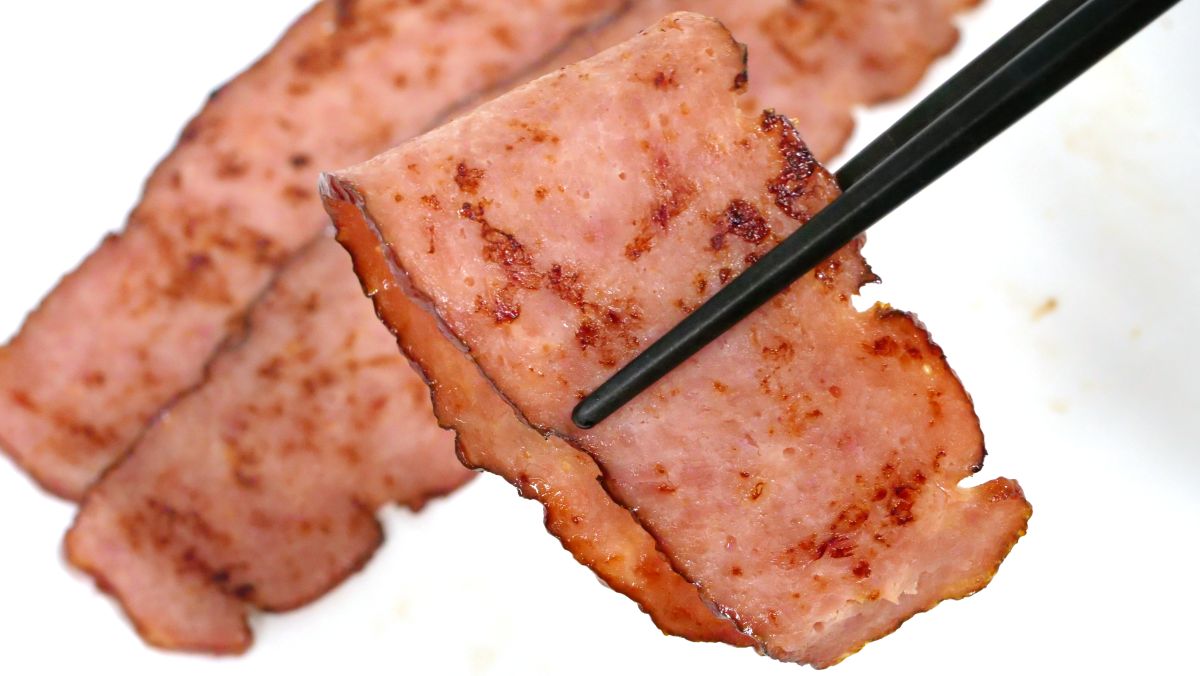
From a brand strategy standpoint, turkey bacon tastes like a “calculated approximation.” It is processed to mimic the aesthetic of its pork counterpart—long strips with alternating layers of light and dark meat to simulate fat and muscle. The taste, therefore, is heavily influenced by the consumer’s desire for the “bacon experience” without the “bacon guilt.” The brand isn’t just selling a protein; it is selling an emotional loophole.
Managing Expectations through Sensory Branding
Successful brands in the alternative meat space manage expectations through sensory branding. They recognize that turkey bacon cannot perfectly replicate the rendered fat of pork. Consequently, the branding shifts the focus to “smokiness” and “leanness.” By emphasizing these attributes on the packaging and in advertisements, the brand redefines the criteria for a “good” taste. To the loyal consumer, turkey bacon tastes like “efficiency” and “wellness,” because the brand has successfully framed the lack of grease as a feature rather than a bug.
Positioning Against the Incumbent: The Challenger Brand Strategy
Every brand exists in relation to its competition. In the case of turkey bacon, the competition is one of the most beloved food items in history. To survive, turkey bacon brands must employ a “Challenger Brand” strategy. This involves identifying a weakness in the leader—in this case, the health concerns associated with pork—and positioning the substitute as the heroic alternative.
Identifying the “Health-Conscious” Segment
The target demographic for turkey bacon is not the pork purist; it is the “pragmatic balancer.” These are consumers who want the lifestyle associated with a hearty breakfast but have been told by their doctors, or their own fitness apps, to reduce saturated fat.
The “taste” of turkey bacon is, for this segment, the taste of a successful compromise. In marketing terms, this is “functional branding.” The product provides the function of a salty breakfast protein while fitting into a specific nutritional macro-profile. Brands like Butterball or Oscar Mayer don’t market turkey bacon as a culinary peak; they market it as a smart choice. When a product tastes like a “smart choice,” its physical flavor becomes secondary to its psychological utility.
The Trade-off: Authenticity vs. Utility
A major challenge in this niche is the tension between authenticity and utility. Brands that lean too hard into “tasting exactly like pork” often fail because they highlight the gap between the two. The most successful brands in this category acknowledge the difference. They position turkey bacon as a unique product with its own distinct profile—usually described as “milder,” “meatier,” and “less oily.” By owning these differences, the brand builds a sense of authenticity that isn’t dependent on imitation.

The Marketing of Texture and Flavor Profiles
In food tech and brand development, the “mouthfeel” of a product is a critical component of its identity. Turkey bacon is a highly engineered product. Unlike a steak, which is a single cut of muscle, turkey bacon is often chopped, reformed, and cured. This allows brands to have total control over the consistency of the “taste.”
Consistency as a Brand Promise
One of the reasons consumers return to specific brands of turkey bacon is the promise of consistency. In the world of high-volume CPG (Consumer Packaged Goods), consistency is the ultimate brand builder. Because turkey bacon is processed, it lacks the anatomical variation found in pork belly.
A brand can ensure that every strip has the exact same ratio of salt to smoke, and the exact same thickness. For the consumer, this “engineered taste” creates a sense of reliability. You know exactly what it will taste like every time you open the package. In a volatile world, the reliability of a brand’s flavor profile is a powerful driver of recurring revenue.
Packaging and Visual Cues in Consumer Choice
The “taste” starts with the eyes. Branding experts use specific color palettes for turkey bacon—often incorporating greens, light blues, or bright whites to signal “health” and “freshness.” This contrasts with the deep reds and blacks often used for premium pork bacon, which signal “richness” and “intensity.”
When a consumer sees “90% Less Fat” in bold lettering against a light background, their brain begins to prepare for a lighter, leaner flavor. By the time the product reaches the frying pan, the brand has already told the consumer how to perceive the taste. The sizzle might be quieter, and the aroma might be less pungent, but because the brand has prepared them for a “cleaner” experience, the consumer interprets this as a positive.
Economic Implications of Brand Loyalty in Alternative Meats
The market for turkey bacon is not just about flavor; it is about the economics of the “alternative” category. As inflation impacts meat prices and as global health trends lean toward poultry over red meat, the brand value of turkey bacon continues to rise.
Price Elasticity and the Premium of “Health”
Interestingly, turkey bacon often commands a price point that is decoupled from the raw cost of turkey. This is the power of branding. By positioning the product as a “healthier alternative,” brands can maintain higher margins. Consumers are often willing to pay a premium for the “peace of mind” that comes with the product.
In this context, what does turkey bacon taste like? It tastes like “value for money” in the health department. The consumer isn’t just buying protein; they are buying an insurance policy against high cholesterol. The brand successfully converts a commodity (turkey meat) into a specialized health tool, allowing for greater price elasticity.
Future Outlook: The Rise of Lab-Grown and Plant-Based Competitors
The branding landscape for turkey bacon is currently facing a new challenge: the rise of plant-based and lab-grown “bacons.” These new players are using the same “substitution” playbook that turkey bacon brands perfected decades ago.
To stay relevant, turkey bacon brands are now doubling down on their “real meat” identity. They are positioning themselves as the “middle ground” between the perceived heavy indulgence of pork and the “ultra-processed” nature of plant-based alternatives. The “taste” is now being marketed as “Real Turkey, Real Smoke, Real Meat.” This shift from “health alternative” to “authentic protein” shows how brand strategy must evolve to survive in a crowded marketplace.
In conclusion, the question of what turkey bacon tastes like cannot be answered by a simple culinary description. From a brand and business perspective, turkey bacon tastes like a sophisticated marketing strategy. It is the flavor of a successful compromise, the mouthfeel of food engineering, and the psychological satisfaction of a brand promise kept. Whether it’s a side dish at a breakfast table or a case study in a marketing boardroom, turkey bacon remains a testament to the power of branding in shaping our literal and metaphorical tastes.
aViewFromTheCave is a participant in the Amazon Services LLC Associates Program, an affiliate advertising program designed to provide a means for sites to earn advertising fees by advertising and linking to Amazon.com. Amazon, the Amazon logo, AmazonSupply, and the AmazonSupply logo are trademarks of Amazon.com, Inc. or its affiliates. As an Amazon Associate we earn affiliate commissions from qualifying purchases.