
To ask “what does the internet look like?” is to embark on a journey far beyond the tangible realm of wires, servers, and blinking lights. It’s to peer into a dynamic, multifaceted entity that has woven itself into the very fabric of modern existence, manifesting in countless forms. The internet isn’t a static image; it’s a living, breathing ecosystem, constantly evolving, shaped by technological innovation, driven by branding and identity, and fueled by an intricate global economy. It looks like the glowing screen in your hand, the virtual storefronts lining digital avenues, the global community sharing ideas, and the intricate algorithms silently powering it all.
At its core, the internet is an interplay of data, human intention, and machine logic. Its “appearance” is less about visual aesthetics and more about its functional manifestations and the experiences it creates. It looks like the vast ocean of information accessible with a click, the intricate network of connections that bind us, the booming marketplace where goods and services exchange hands globally, and the carefully crafted digital identities that define individuals and corporations alike. Understanding what the internet looks like requires examining these diverse layers, from its foundational technology to its economic impact and the branding strategies that give it shape and meaning.
The Technological Tapestry: Underlying Infrastructure and Innovation
The most fundamental answer to “what does the internet look like?” lies in its technological bedrock. It looks like an invisible network of light and electricity, constantly transmitting information at mind-boggling speeds. It’s the intricate dance of hardware and software, the relentless march of innovation, and the constant battle to secure its vast digital frontiers.
The Unseen Foundations: From Cables to Clouds
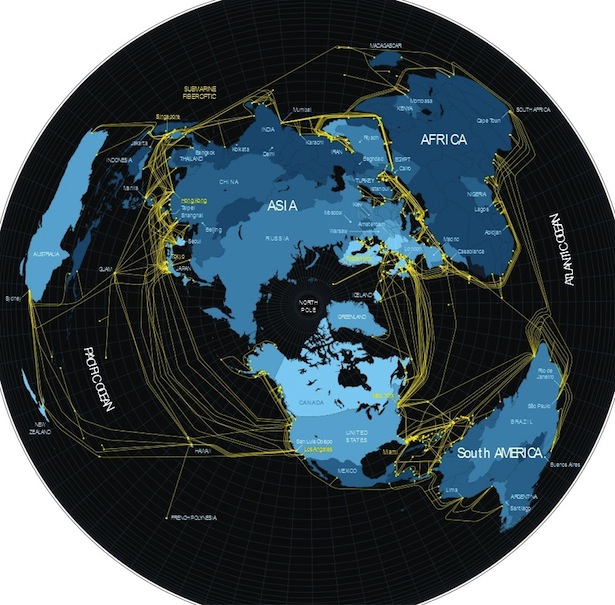
Beneath the apps and websites we interact with daily, the internet looks like an immense global infrastructure. It’s a sprawling network of fiber optic cables laid across ocean floors and beneath city streets, connecting continents and data centers. These data centers, often immense, fortress-like buildings, are where the internet’s memory resides – rows upon rows of servers humming with the collective data of humanity. What we experience as seamless connectivity is the result of billions of dollars in infrastructure investment, constantly maintained and upgraded.
It also looks like the “cloud” – a metaphor for these distributed computing resources that host our files, power our applications, and process our data remotely. This foundational layer, though largely invisible to the end-user, is the physical and logical skeleton upon which the entire digital world is built. It looks like the backbone of modern society, enabling everything from real-time communication to global commerce.
The Software Ecosystem: Apps, AI, and User Experience
If the cables and servers are the bones, then software is the flesh and blood of the internet. From this perspective, the internet looks like an infinite bazaar of applications and programs. It manifests as the sleek interfaces of mobile apps on our smartphones, the complex algorithms powering search engines, and the immersive worlds of online gaming. Software is how we see and interact with the internet.
The rapid advancements in Artificial Intelligence (AI) have dramatically reshaped this landscape. The internet now looks like a system increasingly capable of understanding, generating, and even predicting. AI tools are embedded in everything from personalized content recommendations and intelligent chatbots to sophisticated data analysis platforms. It looks like an evolving intelligence, automating tasks, enhancing creativity, and offering new levels of personalization. This constant evolution of software and AI tools dictates how we experience and utilize the internet, shaping our digital lives with ever-more sophisticated interactions.
Navigating the Digital Wild West: Security, Privacy, and Trust
For many, the internet also looks like a complex, sometimes perilous, environment where security and privacy are constant concerns. It manifests as the encrypted padlock icon in a browser, the multi-factor authentication requests, and the constant stream of news about data breaches and cyber threats. Digital security, encompassing everything from cybersecurity protocols to personal data protection, is an integral part of its appearance.
The internet looks like an ongoing battleground between those who build and secure its systems and those who seek to exploit vulnerabilities. It looks like a set of terms and conditions we rarely read, privacy settings we struggle to configure, and the ethical dilemmas surrounding data collection and surveillance. For both individuals and organizations, maintaining digital security and fostering trust are paramount, shaping how we perceive and interact with this vast network.
The Branded Canvas: Crafting Identity and Connection in the Digital Space
Beyond its technological underpinnings, the internet looks like a sprawling, vibrant canvas where identities are crafted, stories are told, and connections are forged. It’s a space where businesses build their empires and individuals carve out their niches, all through the art of branding and digital presence.
Corporate Identities and Digital Storytelling
For businesses, the internet looks like their primary storefront, advertising billboard, and customer service center rolled into one. It manifests as meticulously designed websites, engaging social media profiles, and targeted digital marketing campaigns. Brand strategy is critical in this environment; how a company presents itself online—its corporate identity, its messaging, its visual language—determines its perceived value and trustworthiness.
The internet looks like a space where brand reputation is built and maintained, often in real-time. Case studies of successful (and unsuccessful) digital campaigns abound, illustrating the power of online storytelling and strategic engagement. From multinational corporations to nascent startups, the internet is where brands come alive, connect with their audience, and project their desired image onto a global stage.
The Rise of Personal Branding and Influence
The internet doesn’t just look like a corporate playground; it’s also a powerful platform for individual expression and influence. It looks like the meticulously curated Instagram feed of an influencer, the insightful LinkedIn profile of a thought leader, or the personal blog sharing expertise. Personal branding has become a significant phenomenon, enabling individuals to craft their public persona, build communities, and monetize their skills and passions.
The internet looks like a stage where anyone can become a content creator, an educator, or an advocate. It has democratized access to audiences, allowing individuals to bypass traditional gatekeepers and connect directly with their followers. This aspect of the internet highlights its power as a tool for self-actualization and community building, reflecting the diverse faces and voices that populate its digital landscape.
Design as the Digital Face: UX/UI and Aesthetics
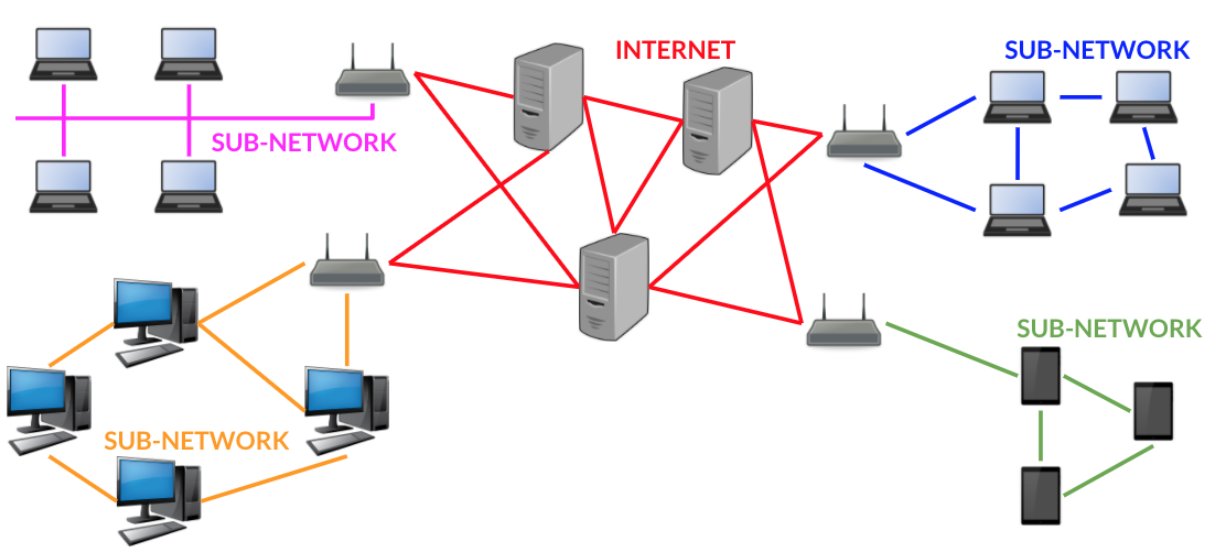
Crucially, the internet looks like a carefully designed experience. The user interface (UI) and user experience (UX) design of websites, apps, and digital platforms are what give the internet its visual and interactive appeal. It looks like intuitive navigation, aesthetically pleasing layouts, and responsive interfaces that make digital interactions seamless and enjoyable.
Every color choice, font selection, button placement, and animation contributes to the overall “look” and feel of the internet. It looks like a world where design is not just about aesthetics, but about functionality and emotional connection. Good design fosters engagement, builds trust, and makes complex technologies accessible, shaping how we perceive and navigate the vast digital landscape.
The Economic Engine: Valuing and Transacting in a Connected World
Perhaps one of the most transformative ways to answer “what does the internet look like?” is through the lens of economics. It looks like a colossal marketplace, a bustling financial hub, and a relentless engine of opportunity and wealth creation.
The E-commerce Revolution and Digital Marketplaces
For many, the internet looks like a never-ending shopping mall. It manifests as the global e-commerce giants, the niche online boutiques, and the vast digital marketplaces where goods and services are bought and sold 24/7. This revolution has fundamentally altered consumption patterns, making products from around the world accessible with a few clicks.
The internet looks like a place where business finance is re-imagined – from seamless online payment gateways to global logistics networks. It has lowered barriers to entry for entrepreneurs, allowing small businesses to compete on a global scale. The sheer volume of transactions, the diversity of products, and the global reach define this economic facet of the internet’s appearance.
New Avenues for Wealth: Online Income, Side Hustles, and Investing
The internet also looks like a powerful enabler of personal finance and wealth generation. It manifests as the myriad opportunities for online income, from freelancing platforms and content monetization (YouTube, Patreon) to selling digital products. The rise of side hustles has been greatly facilitated by the internet, allowing individuals to supplement their income, develop new skills, and explore entrepreneurial ventures without significant upfront investment.
Furthermore, the internet looks like a sophisticated financial tool for investors. Online trading platforms, robo-advisors, and accessible market data have democratized investing, allowing individuals to manage their portfolios, research opportunities, and participate in global markets more easily than ever before. It has changed the face of financial planning and personal wealth management, offering unprecedented control and access.
The Future of Finance: Crypto, Decentralization, and Financial Innovation
Looking ahead, the internet looks like the birthplace of a new financial paradigm. It manifests as the volatile yet promising world of cryptocurrencies like Bitcoin and Ethereum, the underlying blockchain technology, and the growing ecosystem of decentralized finance (DeFi). This segment of the internet represents a radical reimagining of money, banking, and financial services, promising greater transparency, security, and accessibility.
The internet looks like a proving ground for financial innovation, with new financial tools, digital wallets, and peer-to-peer lending platforms emerging constantly. It reflects a shift towards greater financial autonomy and a challenge to traditional centralized institutions. This evolving financial landscape is a powerful testament to the internet’s capacity for disruptive transformation, offering a glimpse into what its economic future might look like.
The Evolving Frontier: Interacting with the Internet of Tomorrow
Finally, what does the internet look like when we peer into its future? It looks like an ever-more immersive, integrated, and intelligent companion, blurring the lines between the digital and physical worlds.
Immersive Worlds: The Metaverse and Beyond
The internet of tomorrow increasingly looks like the metaverse – persistent, shared 3D virtual spaces where users can interact with each other, digital objects, and AI avatars. It manifests as virtual reality (VR) headsets transporting us to simulated environments, augmented reality (AR) overlays enhancing our real-world view, and digital twins replicating physical spaces online. These immersive worlds represent the next frontier of online interaction, promising new forms of entertainment, commerce, and social connection.
This vision of the internet looks like a space where our digital identities (avatars) become extensions of ourselves, where virtual assets have real-world value, and where experiences are no longer limited by physical constraints. It’s a blend of cutting-edge tech, innovative branding opportunities within virtual spaces, and a whole new economy built on digital ownership and experiences.
The Blurring Lines: Digital and Physical Realities
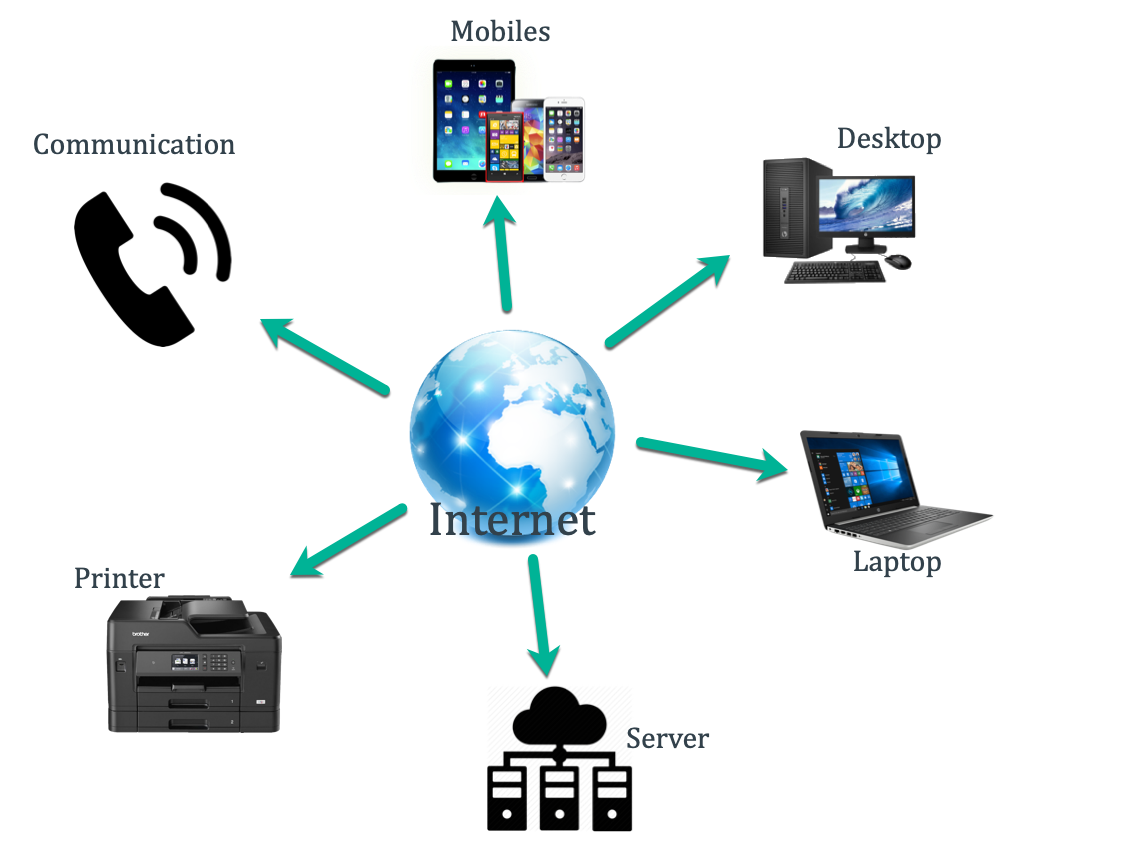
Beyond dedicated virtual worlds, the internet looks like an increasingly pervasive presence, seamlessly integrated into our physical environments. It manifests as smart gadgets connecting our homes, wearable technology monitoring our health, and the Internet of Things (IoT) creating intelligent ecosystems in cities and industries. The internet is no longer just something we access on a screen; it’s becoming an ambient, responsive layer of our reality.
This integration means the internet looks like the smart speaker answering our questions, the connected car navigating our commutes, and the intelligent sensors optimizing energy usage. It reflects a future where digital and physical realities are not distinct but intermingled, with technology silently augmenting our daily lives.
Conclusion: A Dynamic, Multifaceted Mirror
So, what does the internet look like? It looks like everything and nothing all at once. It’s an invisible global network and a tangible device in your hand. It’s a platform for massive corporations and a megaphone for individual voices. It’s a source of immense wealth and a tool for personal finance. It’s the infrastructure connecting us, the brands defining us, and the economy empowering us.
Ultimately, the internet looks like a mirror, reflecting our collective ingenuity, our aspirations, our commerce, and our very identities in the digital age. It’s a continuous work in progress, shaped by the relentless pace of technology, the strategic imperatives of branding, and the intricate flows of money that define our modern world. Its “appearance” is less a fixed image and more a constantly shifting panorama, evolving with every innovation, every interaction, and every new idea that springs forth from its boundless digital expanse.
aViewFromTheCave is a participant in the Amazon Services LLC Associates Program, an affiliate advertising program designed to provide a means for sites to earn advertising fees by advertising and linking to Amazon.com. Amazon, the Amazon logo, AmazonSupply, and the AmazonSupply logo are trademarks of Amazon.com, Inc. or its affiliates. As an Amazon Associate we earn affiliate commissions from qualifying purchases.