
The persistent, acrid scent of urine is a challenge that has plagued human environments for millennia. Whether in the context of pet ownership, healthcare facilities, or high-traffic public infrastructure, the “urine smell” is more than an aesthetic nuisance; it is a complex chemical puzzle. For decades, the solution was simple: mask the odor with heavy perfumes. However, as we move further into the 21st century, the focus has shifted from concealment to eradication through advanced technology.
What kills urine smell today is no longer a simple bottle of bleach. Instead, it is a sophisticated intersection of bio-engineering, chemical technology, and smart hardware. By leveraging molecular science and the Internet of Things (IoT), we are now able to neutralize odors at their source, ensuring environments remain sterile, pleasant, and technologically optimized.
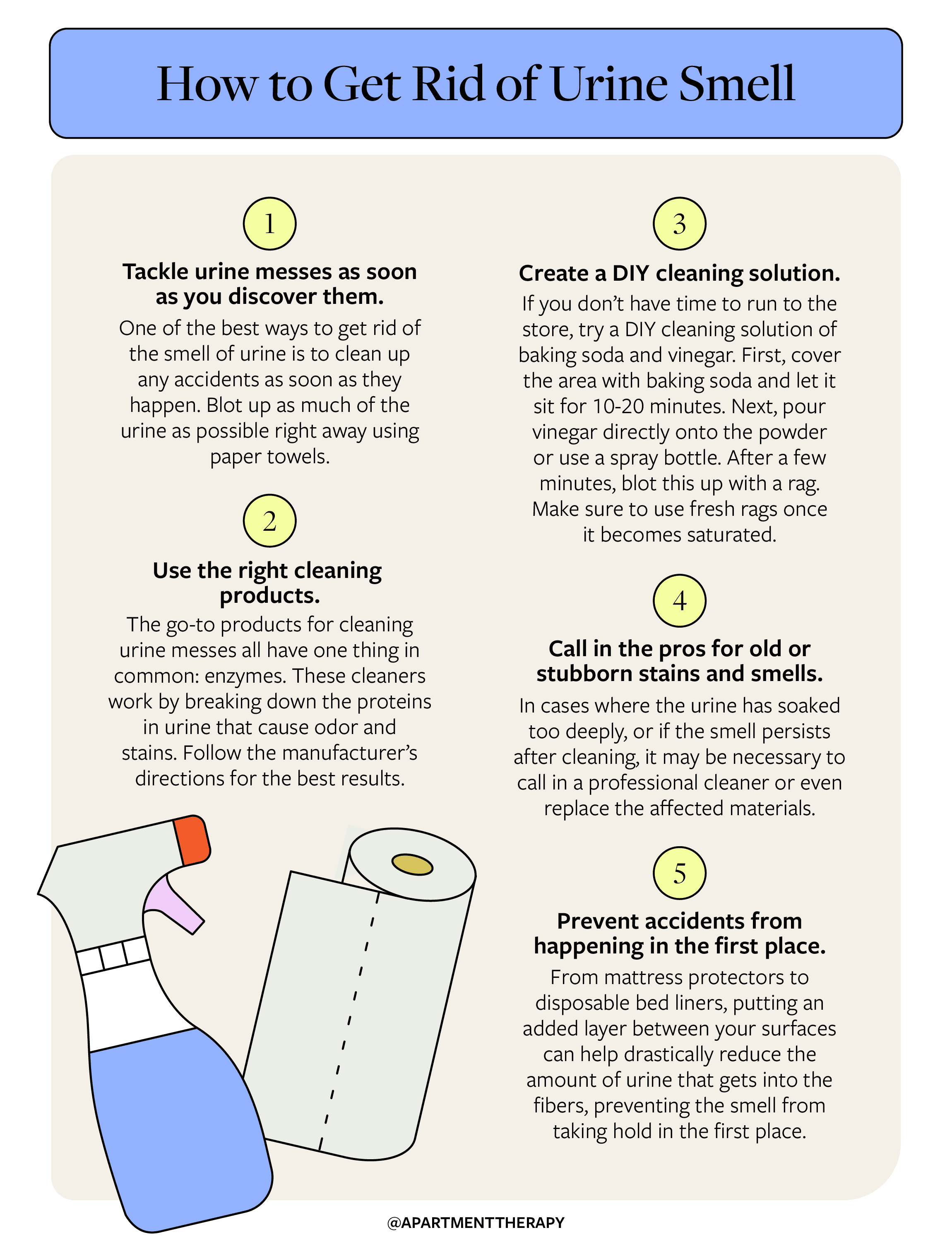
The Molecular Problem: Why Traditional Chemistry Fails
To understand what kills urine smell from a technological standpoint, one must first understand the enemy. Urine is a complex biological byproduct containing urea, salts, and various proteins. However, the true culprit behind the lingering “stink” is uric acid. While urea and other components are water-soluble and easily removed with standard detergents, uric acid crystals are not.
The Chemistry of Uric Acid Crystals
When urine dries, the urea decomposes into ammonia, which provides the initial pungent “hit.” However, the uric acid stays behind, forming hard, microscopic crystals. These crystals are insoluble in water and traditional cleaning agents. They bond to porous surfaces like grout, wood, and fabric. When humidity rises, these crystals are “reactivated,” releasing the odor all over again.
The Limits of Traditional Surfactants
Standard household cleaners rely on surfactants to lift dirt and fragrance to mask smells. From a tech perspective, this is a “legacy system” that fails because it doesn’t address the underlying data—the uric acid crystal. High-tech solutions today avoid the “masking” approach entirely, focusing instead on chemical reactions that disassemble the molecular structure of the odor-causing agents.
Bio-Tech Solutions: Enzymatic and Microbial Engineering
The most significant leap in odor eradication technology has come from the field of white biotechnology. Rather than using harsh, caustic chemicals that can damage surfaces and the environment, scientists have engineered biological catalysts—enzymes—designed to “eat” the odor at a molecular level.
How Synthetic Enzymes Target Specific Proteins
Modern enzymatic cleaners are a feat of bio-engineering. Unlike generic cleaners, these solutions contain specific classes of enzymes: proteases to break down proteins, lipases for fats, and, most importantly, uricases. A uricase is a specific enzyme that catalyzes the oxidation of uric acid into more soluble substances like allantoin.
By applying these engineered enzymes, we are essentially deploying a microscopic “demolition crew” that identifies the specific molecular bond of the uric acid crystal and breaks it apart. Once the crystal is dissolved, it can be wiped away, removing the source of the smell forever.
The Rise of Probiotic Cleaning Agents
Beyond simple enzymes, the latest tech involves “living” cleaners. These products utilize dormant probiotic bacteria. When applied to a surface contaminated with urine, these bacteria “wake up” and begin producing their own enzymes in real-time. This creates a residual cleaning effect. As long as there is organic matter (urine) to consume, the bacteria continue to work, providing a long-term technological solution for high-traffic areas where re-contamination is frequent.
Smart Sanitation: The Internet of Things (IoT) in Odor Management
The “PropTech” (Property Technology) sector has revolutionized how large facilities handle sanitation. It is no longer enough to have a cleaning schedule; modern facility management uses data to determine when and where a smell might occur.

Sensors and Real-Time Ammonia Detection
High-tech restrooms in airports, stadiums, and “smart buildings” are now equipped with ammonia and VOC (Volatile Organic Compound) sensors. These sensors monitor the air quality in real-time. When the concentration of ammonia reaches a certain threshold—often before a human can even detect it—the system triggers an alert.
This data-driven approach allows for “just-in-time” cleaning. Instead of cleaning a restroom every two hours regardless of use, facility managers can deploy staff exactly when the tech signals an increase in odor-causing molecules. This optimizes labor and ensures that odors never have the chance to bond to surfaces.
Automated Disbursement Systems
Integrated into these smart buildings are automated disbursement systems. These are not the simple “scent sprayers” of the past. These are precision-engineered delivery systems that release neutralizing agents—often via dry-mist technology—that bond with airborne odor molecules to drop them out of the air, or apply enzymatic solutions directly into drains and onto surfaces after a detected high-traffic event.
Light and Air: UV-C and Photocatalytic Oxidation
When we look at what kills urine smell in sterile environments like hospitals or high-end laboratories, we move away from liquids and toward the electromagnetic spectrum. Light and air-purification technologies offer a “hands-off” approach to total odor eradication.
Using UV-C to Disrupt Bacterial DNA
Ammonia-producing bacteria thrive in damp, dark environments. UV-C light (ultraviolet light in the 200–280 nm range) is a potent germicidal tool. When specialized UV-C lamps are used in a space, the light penetrates the cellular membrane of bacteria and destroys their DNA/RNA.
By killing the bacteria that facilitate the breakdown of urea into ammonia, UV-C tech prevents the smell from forming in the first place. Many modern “cleaning robots” now utilize UV-C arrays to sanitize floors and walls in medical settings, ensuring that biological odors are neutralized at the microbial level.
Nano-coatings and Photocatalytic Oxidation (PCO)
One of the most exciting tech developments is the use of Titanium Dioxide (TiO2) nano-coatings. When applied to surfaces like tiles or porcelain, these coatings are invisible. However, when they are exposed to light (either UV or ambient), a process called photocatalytic oxidation occurs.
This process creates hydroxyl radicals and superoxide ions on the surface. These are incredibly reactive species that “oxidize” (burn up at a molecular level) any organic matter that touches them, including urine. In a building treated with PCO technology, the surfaces themselves become active agents in killing urine smells, effectively self-cleaning through the power of light.
The Future of Odor Control: AI and Predictive Maintenance
As we look toward the future, the integration of Artificial Intelligence (AI) will provide the final layer of defense against environmental odors. The goal is to move from reactive cleaning to predictive prevention.
Machine Learning in Facility Management
By analyzing years of sensor data, AI algorithms can now predict “high-risk” times for odor issues. For example, in a large office complex, the AI might identify that humidity levels, outdoor temperature, and occupancy patterns on a Tuesday afternoon create the perfect storm for “urine smell” issues in the basement restrooms.
The AI can proactively adjust the HVAC system to increase air exchange or trigger a pre-emptive application of enzymatic neutralizers. This level of technological integration turns odor management into a background process of the building’s “nervous system.”

Sustainable Tech and the Green Future
The next generation of tech focused on “what kills urine smell” is also prioritizing sustainability. The focus is shifting toward “green chemistry”—developing bio-synthetic neutralizers that are 100% biodegradable and non-toxic. We are seeing the development of encapsulated technology, where neutralizing molecules are trapped in microscopic “bubbles” that only pop when they encounter the specific pH level of urine. This ensures that no chemical is wasted and the environmental footprint is kept to a minimum.
In conclusion, killing the smell of urine in the modern era is an exercise in high-level problem solving. It requires a move away from the “analog” solutions of perfumes and mops toward a “digital” and “biological” framework. By combining enzymatic engineering, IoT sensors, UV-C sterilization, and AI-driven predictive models, we have reached a point where persistent biological odors can be systematically eliminated. Technology hasn’t just given us better cleaners; it has given us the tools to maintain pristine environments with mathematical precision.
aViewFromTheCave is a participant in the Amazon Services LLC Associates Program, an affiliate advertising program designed to provide a means for sites to earn advertising fees by advertising and linking to Amazon.com. Amazon, the Amazon logo, AmazonSupply, and the AmazonSupply logo are trademarks of Amazon.com, Inc. or its affiliates. As an Amazon Associate we earn affiliate commissions from qualifying purchases.