
In the hyper-competitive landscape of global commerce, a brand’s visual identity is far more than an aesthetic choice; it is a silent language that communicates values, history, and intent. As modern corporations and personal brands strive for deeper resonance and authenticity, many are looking beyond traditional Western design motifs to ancient systems of communication. Among the most potent and sophisticated of these systems are Adinkra symbols.
Originating from the Akan people of Ghana and Cote d’Ivoire, Adinkra symbols are more than decorative patterns. They are a complex visual vocabulary representing concepts, aphorisms, and philosophical breakthroughs. For a brand strategist or designer, understanding what Adinkra symbols are—and how they function as a semiotic framework—offers a masterclass in building a corporate identity that is both visually striking and intellectually profound.

The Strategic Power of Symbolism in Brand Identity
At its core, branding is the art of distilling complex ideas into recognizable icons. Adinkra symbols have performed this function for centuries. Traditionally used on cloth, pottery, and architecture, each symbol encapsulates a specific proverb or a shared communal value. When integrated into a modern brand strategy, these symbols provide a shortcut to emotional connection and narrative depth.
Understanding the Semiotics of Adinkra
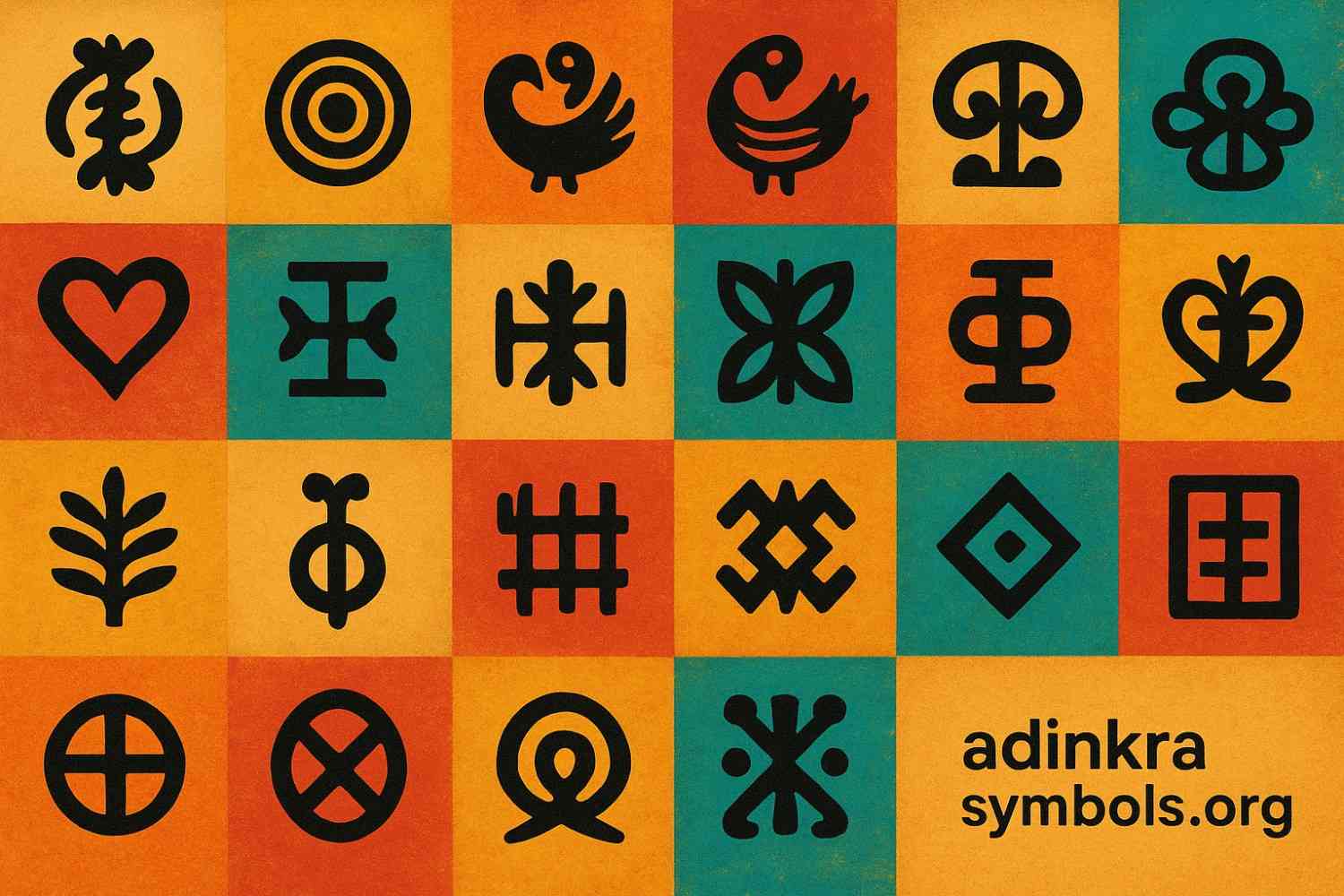
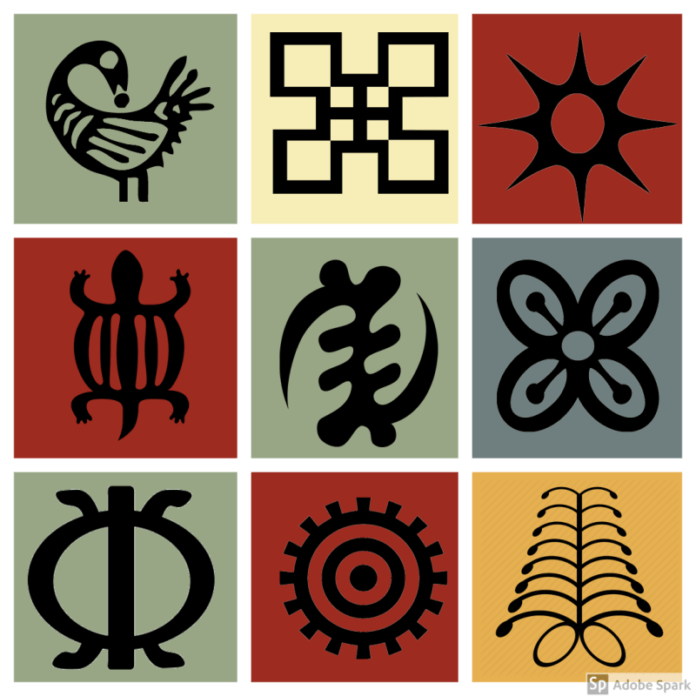
Semiotics, the study of signs and symbols, is a cornerstone of effective marketing. Adinkra symbols are inherently semiotic because they do not just represent objects; they represent behaviors and ethical stances. For instance, the symbol Sankofa (depicted either as a stylized heart or a bird looking backward) translates to “reach back and get it.” In a branding context, this symbol is a powerful tool for organizations focused on heritage, historical preservation, or learning from past experiences to build a better future.
By utilizing such symbols, a brand can bypass long-form copy and communicate a “vibe” or a philosophy instantaneously. This is particularly useful in an era of short attention spans where a logo must work across various digital touchpoints, from a favicon to a massive billboard.
From Ancient Cloth to Global Corporate Identity
The transition of Adinkra from traditional textile use to global corporate identity marks a shift in how we perceive African design in the professional sphere. Historically, Western branding relied heavily on Bauhaus or Swiss Style minimalism—clean, often sterile, and utilitarian. Adinkra offers a different kind of minimalism: one that is organic, geometric, and saturated with meaning.
Strategic branders are now utilizing these symbols to signify “Global Citizenship” and “Ethical Innovation.” When a company incorporates an Adinkra motif, it often signals a move away from the “faceless corporation” model toward a “human-centric” identity. This transition is essential for brands targeting Gen Z and Millennial demographics, who prioritize brand purpose and cultural literacy in their purchasing decisions.
Integrating Adinkra Symbols into Brand Design Systems
Integrating a traditional symbol into a contemporary design system requires a delicate balance between preservation and modernization. The goal is not merely to “copy and paste” a symbol but to synthesize its geometry with the brand’s unique visual language.
Creating Visual Consistency through Geometric Motifs
Most Adinkra symbols are based on a radical symmetry or a repetitive geometric logic, making them incredibly adaptable for modern graphic design. Symbols like Gye Nyame (representing the supremacy of a higher power) or Dwennimmen (the ram’s horns, representing strength and humility) possess a structural integrity that fits perfectly within a grid-based design system.
For a brand identity, these motifs can be used to create:
- Logomarks: The central icon of the brand.
- Patterns: Secondary brand assets for packaging, website backgrounds, or social media templates.
- Wayfinding: Using different symbols to denote different departments or service pillars within a company (e.g., using a symbol for “cooperation” on a community outreach page).
The geometric nature of Adinkra allows for scalability. Whether etched onto a high-end luxury watch or displayed on a mobile app, the clarity of the lines ensures that the brand remains recognizable across all mediums.
Case Studies: Successful Applications in Contemporary Branding
Several international brands and social enterprises have successfully leaned into Adinkra symbolism to differentiate themselves. For example, fashion houses and high-end cosmetic brands have utilized the Duafe (wooden comb) symbol—which represents femininity, beauty, and hygiene—to anchor their visual storytelling.
In the tech and education sectors, the Nyansapo (wisdom knot) is a frequent choice. It signals that the brand is a “knot” where various threads of knowledge come together to solve complex problems. By looking at these case studies, it becomes clear that the most successful applications occur when the symbol’s traditional meaning aligns perfectly with the brand’s mission statement. This alignment creates a “truth” in branding that consumers can sense intuitively.
Ethical Branding and Cultural Appreciation
Whenever a brand adopts symbols from a specific culture, it enters the territory of cultural representation. In the modern marketplace, the line between “appreciation” and “appropriation” is a critical concern for brand reputation and corporate ethics.
Navigating Cultural Appropriation vs. Inspiration
Cultural appropriation occurs when a brand uses symbols for profit without acknowledging their origin, understanding their meaning, or giving back to the source community. For a brand to use Adinkra symbols ethically, the strategy must include a commitment to education.
Brand managers should ensure that the use of these symbols is documented in their brand guidelines. This documentation should explain the symbol’s name, its Akan origin, and why the brand has chosen it. This transparency builds trust with the audience and protects the brand from accusations of superficiality. Furthermore, ethical brands often partner with Ghanaian designers or contribute to community projects in the regions where these symbols originated, creating a reciprocal relationship.
Building Authentic Connections through Heritage Marketing
Heritage marketing is not just for brands with a 100-year-old history. New brands can leverage “borrowed heritage” by aligning themselves with ancient wisdom systems. However, authenticity is the currency of the digital age. If a brand uses the Akokonan (the leg of a hen, representing mercy and nurturing) but has poor labor practices, the symbolism will eventually backfire.
To build an authentic connection, the symbol must be an outward reflection of internal corporate culture. If a brand chooses a symbol representing “Unity in Diversity” (Funtunfunefu-Denkyemfunefu), that value should be reflected in their hiring practices and internal policies. When the symbol and the corporate action match, the brand achieves a level of “Brand Integrity” that is difficult for competitors to replicate.
The Future of Symbolic Communication in Marketing
As we move further into a visual-first digital economy, the role of complex symbols in branding will only grow. Adinkra symbols are uniquely positioned to lead this trend because they bridge the gap between ancient wisdom and future-facing design.
Minimalist Design and the Return to Primitive Shapes
The current trend in branding is a “return to the primitive.” After decades of over-designed, 3D, and gradient-heavy logos, brands are returning to flat, high-contrast, black-and-white shapes. Adinkra symbols are the original “flat design.” Their simplicity allows them to stand out in a crowded digital marketplace where icons must be legible at the size of a thumbnail.
Moreover, as AI-generated art and design become more prevalent, there is a growing desire for “human-coded” symbols. Adinkra symbols, born from centuries of human philosophy and manual craftsmanship, offer a sense of “soul” and “provenance” that purely algorithmic designs often lack.
Adinkra Symbols in Digital and Motion Branding
The future of branding is not static; it is kinetic. Adinkra symbols lend themselves beautifully to motion graphics. Because many are symmetrical or based on circular/square frameworks, they can be animated to “unfold” or “interlock” in digital intros for videos and apps.
Imagine a financial app that uses the Adinkrahene (the king of the symbols, representing leadership and greatness) as its loading icon. As the circle rotates and expands, it communicates a sense of authority and security. This marriage of ancient symbolism and high-tech interface design is where the next frontier of brand strategy lies.
In conclusion, “what are Adinkra symbols” is a question that leads to the heart of what makes a brand memorable. They are not merely icons; they are vessels of cultural intelligence. For the modern brand strategist, these symbols offer a way to communicate complex values with elegance, to respect historical legacy while building a forward-thinking identity, and to create a visual language that resonates on a universal, human level. In the quest for brand authenticity, the symbols of the past may very well be the most effective tools for the future.
aViewFromTheCave is a participant in the Amazon Services LLC Associates Program, an affiliate advertising program designed to provide a means for sites to earn advertising fees by advertising and linking to Amazon.com. Amazon, the Amazon logo, AmazonSupply, and the AmazonSupply logo are trademarks of Amazon.com, Inc. or its affiliates. As an Amazon Associate we earn affiliate commissions from qualifying purchases.