
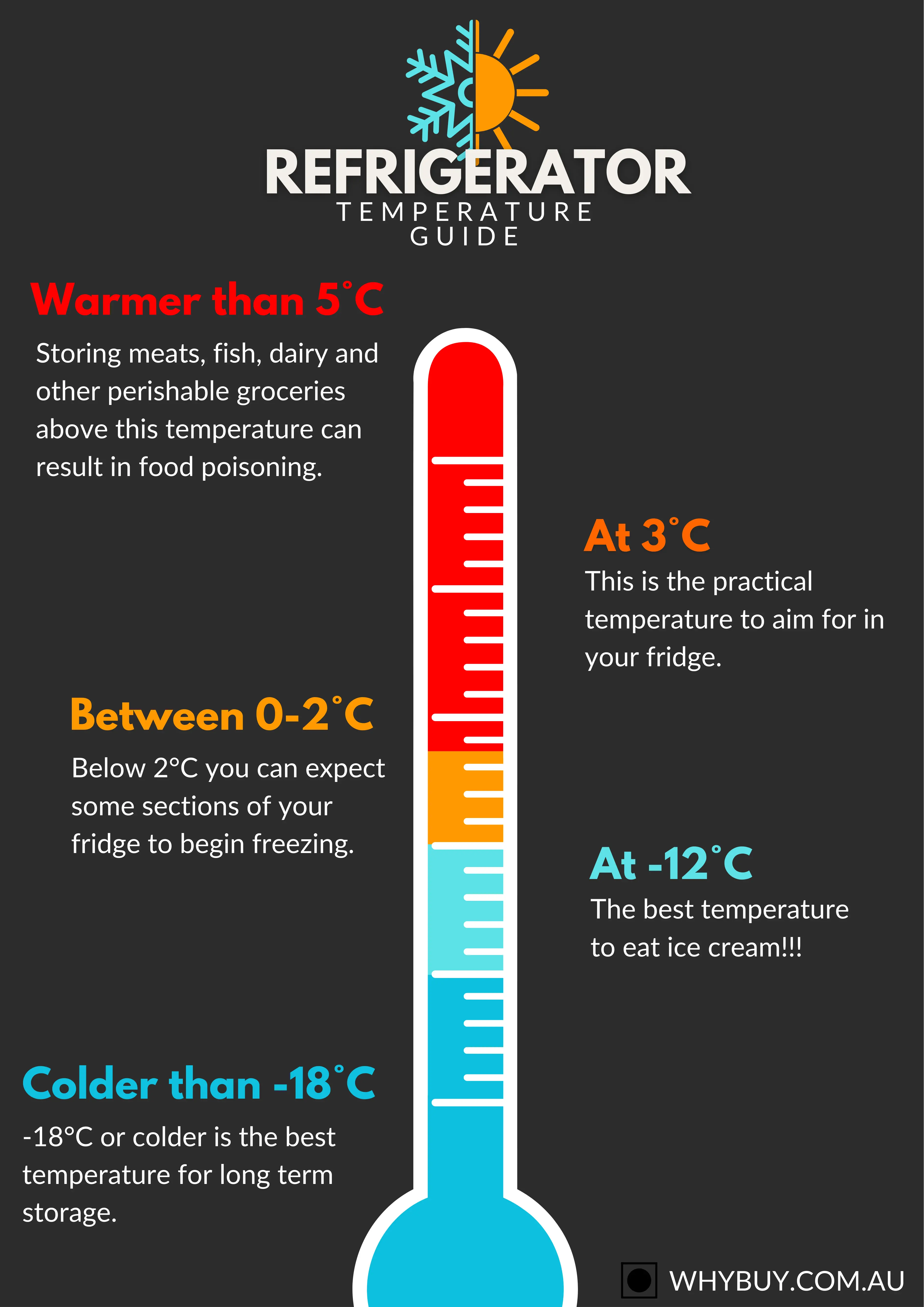
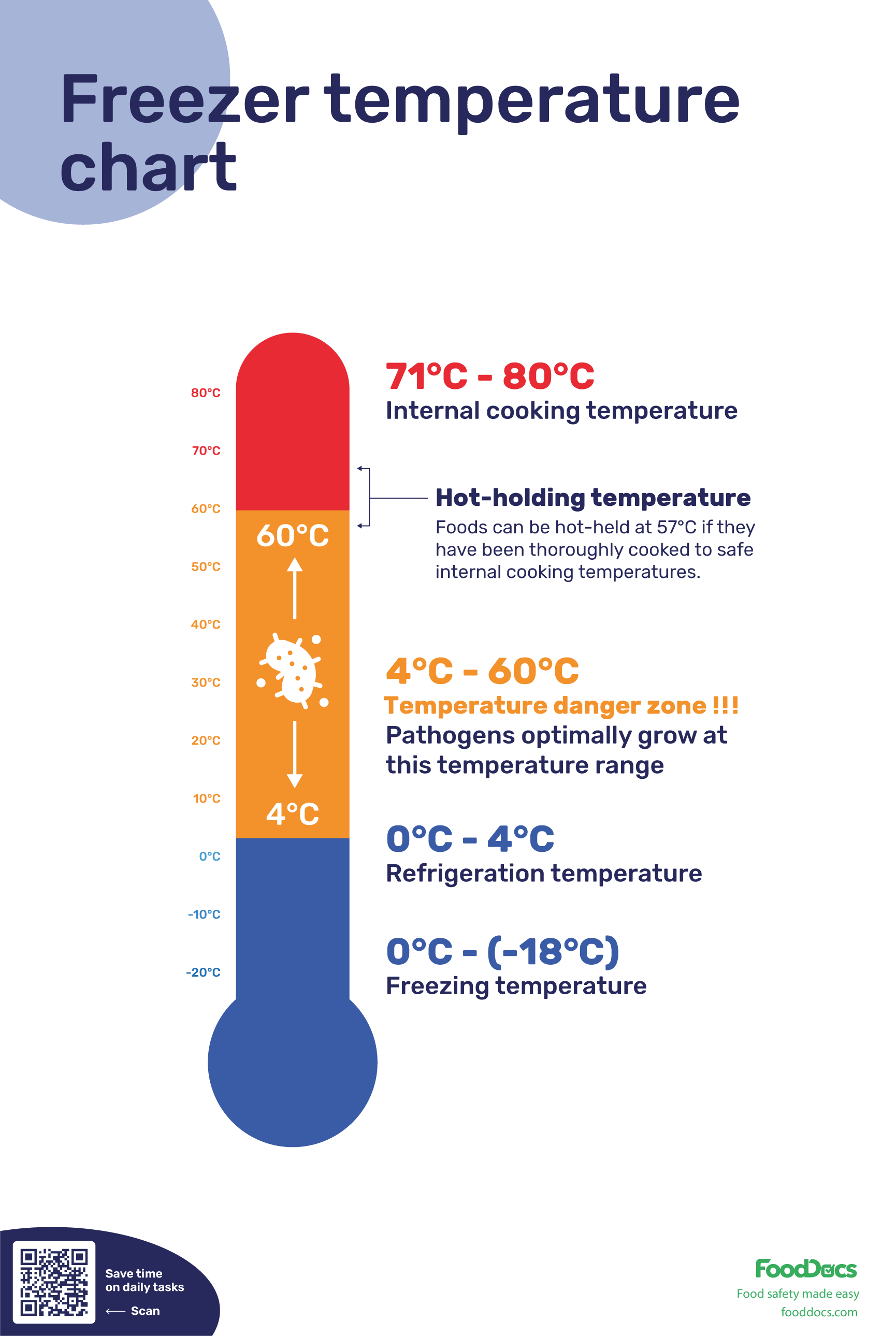
In the landscape of modern household appliances, the freezer is often the most overlooked piece of technology. We interact with it daily, yet the sophisticated engineering required to maintain a specific thermal environment is rarely scrutinized. When asking, “What is the normal temperature for a freezer?” the answer—0°F (-18°C)—is not merely a suggestion or a round number chosen for convenience. It is a precise technological benchmark established through decades of thermodynamic research, food science, and engineering innovation.
Maintaining this specific temperature is a feat of digital precision and mechanical endurance. In the era of the Smart Home and the Internet of Things (IoT), the “normal” temperature of a freezer has evolved from a manual setting on a plastic dial to a data-driven metric monitored by microprocessors and optimized by artificial intelligence.
The Engineering Standard: Why 0°F Is the Technological Benchmark
To understand why 0°F is the global standard, one must look at the history of refrigeration technology. Before the mid-20th century, freezing was inconsistent. It wasn’t until the development of more efficient compressors and synthetic refrigerants that the industry could reliably hit sub-zero marks.
The Science of Thermal Stasis
The selection of 0°F as the “normal” temperature is rooted in the inhibition of enzymatic activity and the prevention of microbial growth. While many bacteria become dormant at 32°F (0°C), certain chemical reactions that degrade food quality continue to occur until much lower temperatures are reached. At 0°F, the molecular movement within organic matter is slowed to a point where vitamin content, flavor profiles, and texture are preserved for extended periods. This specific setting represents the “sweet spot” where energy consumption meets maximum preservation efficacy.
Flash Freezing vs. Static Freezing
Modern high-end freezers utilize “Power Freeze” or “Flash Freeze” technologies. This tech allows the unit to temporarily drop the temperature well below 0°F to accommodate a large influx of room-temperature items. From a technical perspective, the goal is to pass through the “Zone of Maximum Crystallization” as quickly as possible. When food freezes slowly, large ice crystals form, puncturing cell membranes and ruining texture. Advanced sensor arrays detect the thermal load and adjust the compressor’s cycle to ensure the core temperature of the food reaches the 0°F benchmark before large crystals can form.
The Hardware Architecture: Sensors, Inverters, and Airflow Dynamics
A freezer is more than an insulated box; it is a complex thermal management system. The ability to maintain a consistent 0°F environment depends on the synergy between several key technological components.
Digital Thermistors and Sensor Arrays
Traditional mechanical thermostats have been largely replaced by NTC (Negative Temperature Coefficient) thermistors. These are digital sensors that change their electrical resistance based on temperature. In a modern “Tech-Forward” freezer, these sensors are placed strategically—not just near the evaporator, but in the door seals and at various heights within the cavity. This allows the onboard logic board to calculate a more accurate average temperature and identify “warm spots” that could compromise food safety.
Inverter Compressor Technology
The heart of temperature regulation is the compressor. Older models operated on a binary “on/off” logic, leading to significant temperature swings. Modern units utilize Digital Inverter Compressors. This technology works much like a car’s accelerator; rather than stopping and starting, the motor runs at variable speeds. When the sensors detect a slight rise in temperature (perhaps from the door being opened), the inverter subtly increases the RPM. This results in a much tighter temperature deviation, often staying within 0.5 degrees of the 0°F target, while simultaneously reducing mechanical wear and energy consumption.
Forced-Air Dynamics and Evaporator Management
Consistency is as important as the temperature itself. Advanced airflow technology, often marketed as “Multi-Flow” or “Twin Cooling,” uses a series of fans and vents to circulate air through every corner of the unit. This prevents the “layering” effect where the bottom of the freezer is significantly colder than the top. Furthermore, the technology behind “Frost-Free” operation involves a sophisticated timed heater cycle that melts ice off the evaporator coils without raising the internal temperature of the food—a delicate technological balancing act.

Smart Preservation: IoT and the Future of Cold Storage
The “normal” freezer temperature is no longer a “set it and forget it” metric. Integration with smart home ecosystems has transformed how we manage thermal data, turning the freezer into a connected node in the digital home.
Remote Monitoring and Telemetry
Through Wi-Fi connectivity and dedicated apps, users can now receive real-time telemetry from their freezer. If the internal temperature rises to 10°F due to a power outage or a door left slightly ajar, the unit sends a push notification to the user’s smartphone. This layer of digital security protects thousands of dollars in contents and provides peace of time through data transparency.
AI-Driven Predictive Cooling
The latest frontier in freezer tech is the application of Machine Learning (ML). Smart freezers can now learn a household’s patterns. If the AI detects that the freezer is frequently opened between 5:00 PM and 7:00 PM for dinner preparation, it can proactively lower the temperature to -2°F at 4:30 PM. This “thermal buffering” ensures that despite the frequent door openings, the average temperature never drifts above the safe 0°F threshold. This predictive tech represents a shift from reactive cooling to proactive climate management.
Integration with Energy Grids
In the context of Smart Grids, modern freezers are being designed to communicate with utility providers. During periods of peak electrical demand, the freezer can “over-chill” itself when rates are low and then power down during peak hours, utilizing its high-tech insulation to stay at the normal temperature without drawing power. This synergy between domestic tech and public infrastructure is the future of sustainable living.
Troubleshooting the Tech: Digital Diagnostics for Temperature Fluctuations
When a freezer fails to maintain the normal temperature of 0°F, the issue is often a failure of a specific technological component rather than a general mechanical breakdown.
Software Calibrations and Logic Errors
Sometimes, the hardware is fine, but the software calibration is off. Modern technicians use diagnostic ports—much like the OBD-II port in a car—to interface with the freezer’s control board. They can run “Force Defrost” cycles or recalibrate the digital offset of the thermistors. If your freezer displays 0°F but an independent digital thermometer shows 5°F, it may require a firmware update or a sensor recalibration.
Mechanical Impediments to Tech Performance
Even the most advanced AI cannot overcome physical blockages. The “normal” temperature is dependent on unobstructed airflow. A common tech-related failure occurs when users block the return air vents with bulky items. This causes the sensors to misread the ambient air, leading the compressor to overwork or underperform. Understanding the “user interface” of the freezer—how to pack it to optimize the internal airflow tech—is crucial for maintaining the standard.
The Role of Gasket Integrity and Vacuum Seals
The insulation technology of a freezer is only as good as its seal. High-tech magnetic gaskets ensure a hermetic seal that prevents thermal leakage. Technicians now use infrared thermal imaging to detect “leaks” in the seal that are invisible to the human eye. Maintaining the 0°F standard requires that the physical barrier between the internal tech and the external environment remains uncompromised.
Conclusion: The Precision of the Zero-Degree Standard
The question of what constitutes a “normal” temperature for a freezer is a gateway into the world of sophisticated thermal engineering. While the number “0” is simple, the technology required to maintain it is anything but. From the variable-speed logic of digital inverter compressors to the predictive algorithms of smart home integration, keeping a freezer at 0°F is a testament to the advancement of domestic technology.
As we move forward, the “normal” temperature will likely remain the same, but the tech used to achieve it will become even more invisible, efficient, and intelligent. We are moving toward an era where the freezer is not just a cold box, but a precision instrument that manages energy, monitors food health, and integrates seamlessly into our digital lives. Understanding the tech behind the temperature allows us to better appreciate the silent, freezing sentinel in our kitchens.
aViewFromTheCave is a participant in the Amazon Services LLC Associates Program, an affiliate advertising program designed to provide a means for sites to earn advertising fees by advertising and linking to Amazon.com. Amazon, the Amazon logo, AmazonSupply, and the AmazonSupply logo are trademarks of Amazon.com, Inc. or its affiliates. As an Amazon Associate we earn affiliate commissions from qualifying purchases.