
In the medical world, the person who draws your blood is known as a phlebotomist. Traditionally, this role was defined by manual dexterity, a steady hand, and a keen eye for finding the right vein. However, as we move deeper into the 21st century, the definition of the phlebotomist is undergoing a radical technological shift. The “person” drawing your blood is no longer just a clinician; they are becoming a high-tech operator managing a suite of sophisticated digital tools designed to make diagnostics faster, safer, and more accurate than ever before.

From robotic venipuncture systems to near-infrared vein visualization, the field of phlebotomy is a microcosm of the broader digital transformation occurring in healthcare. This article explores how modern technology is reshaping the identity of the phlebotomist and what it means for the future of medical diagnostics.
Defining the Modern Phlebotomist in the Digital Age
At its core, phlebotomy is the practice of drawing blood from a patient for clinical or medical testing. While the foundational goal remains the same, the workflow has been completely overhauled by software and digital integration. The modern phlebotomist is now an essential link in the data chain of digital healthcare.
The Core Role: More Than Just a Blood Draw
While the “person” is still the primary interface for the patient, their responsibilities have expanded. They are now responsible for ensuring that the biological sample is correctly “tagged” in a digital ecosystem. In the past, paper labels and manual logs were the norm. Today, phlebotomists use handheld scanners and integrated software to sync a patient’s unique ID with the laboratory Information System (LIS). This ensures that from the moment the needle touches the skin, the sample is tracked with 100% digital accuracy.
How Digital Integration is Changing Clinical Workflows
The integration of Electronic Health Records (EHR) has streamlined how phlebotomists operate. Instead of waiting for a physical requisition form, a phlebotomist receives real-time alerts on mobile devices. These apps prioritize patients based on the urgency of the test (STAT orders) and provide detailed technical instructions on the specific volumes and types of tubes required. This software-driven approach minimizes pre-analytical errors—the most common cause of diagnostic mistakes—making the phlebotomist a critical technician in a data-driven environment.
Automation and Robotics in Venipuncture
Perhaps the most disruptive technological advancement in this field is the introduction of robotic phlebotomy. For patients who have “difficult veins” or those in high-volume hospital settings, the person drawing your blood might soon be overseeing a robotic counterpart.
The Rise of Autonomous Blood Drawing Robots
Companies are currently developing and deploying autonomous systems that use a combination of ultrasound and computer vision to identify a suitable vein. These robots can perform the insertion with sub-millimeter precision. The role of the human phlebotomist in this scenario shifts from the physical act of “sticking” the patient to acting as a system supervisor. They calibrate the machine, ensure the patient is comfortable, and monitor the digital interface for any anomalies during the procedure.
Enhancing Precision and Reducing Human Error
Robotic systems eliminate the “human factor” of fatigue and tremors. By using advanced algorithms to calculate the depth and angle of the needle, these machines achieve a high success rate on the first attempt. For the healthcare industry, this technology represents a significant leap forward in operational efficiency. In a tech-centric clinic, the phlebotomist’s expertise is increasingly measured by their ability to troubleshoot these AI-driven systems and interpret the real-time data they provide.
Innovative Tools Redefining Patient Experience
The “gadgets” used by phlebotomists today look like something out of a science fiction movie. These tools are designed to solve the age-old problem of the “hard draw,” where a clinician struggles to find a viable vein, leading to patient discomfort and multiple needle sticks.
Vein Visualization Technology (Infrared Scanners)
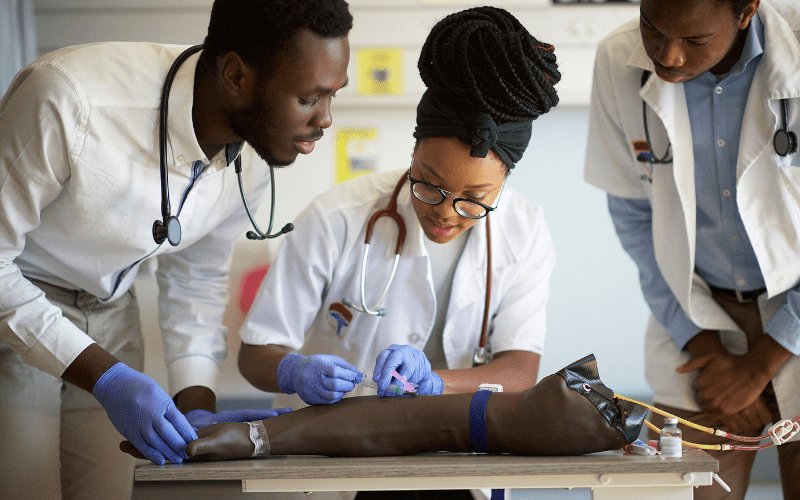
One of the most widely adopted tech tools in modern phlebotomy is the vein finder. These devices use near-infrared (NIR) light to map the patient’s vasculature. Since hemoglobin in the blood absorbs infrared light, the device can project a real-time digital map of the veins directly onto the patient’s skin. This “augmented reality” allows the phlebotomist to see beneath the surface, identifying valves and bifurcations that would be invisible to the naked eye. This is a prime example of how hardware and software work together to enhance human capability.
Needle-Free Sampling and Micro-Fluidics
The future of phlebotomy may not involve a traditional needle at all. Tech startups are developing needle-free blood collection devices that use capillary action to draw blood through microscopic channels. These devices are often paired with micro-fluidic chips that can perform basic analysis on the spot. In this tech-driven model, the phlebotomist becomes a facilitator of decentralized testing, using small, wearable devices to collect high-quality samples with minimal invasiveness.
Data Security and the Role of AI in Diagnostics
As the phlebotomist becomes more reliant on digital tools, the importance of digital security and data integrity grows. The blood sample is no longer just a liquid in a tube; it is a source of massive amounts of digital information that must be protected and analyzed.
Protecting Sensitive Bio-Data
With the rise of “smart” labs, the data generated from a single blood draw is transmitted across cloud networks for analysis. The modern phlebotomy technician must be trained in digital security protocols to ensure that patient privacy is maintained. Cybersecurity in phlebotomy involves secure logins for mobile devices, encrypted data transmission to the lab, and ensuring that the digital “handshake” between the collection device and the hospital database is secure.
Predictive Analytics: Turning Bloodwork into Health Forecasts
Artificial Intelligence is now being used to analyze blood samples at a speed and depth impossible for humans. Once the phlebotomist collects the sample and it is digitized via high-resolution imaging or molecular sequencing, AI algorithms search for patterns. These tools can predict the onset of chronic diseases months or even years before symptoms appear. The phlebotomist, therefore, is the first step in a complex AI pipeline that transforms biological matter into predictive health insights.
The Future Workforce: Hybrid Skills for Phlebotomy Techs
As technology continues to advance, the education and skill set required for the person drawing your blood are changing. The industry is moving toward a “hybrid” model where clinical knowledge is inseparable from technical proficiency.
Balancing Clinical Skills with Technical Proficiency
Future phlebotomists will need to be as comfortable with software interfaces as they are with anatomy. Training programs are beginning to include modules on “Health Informatics” and “Robotic System Management.” The goal is to create a workforce that can bridge the gap between the patient and the machine. While the empathetic “human touch” remains vital for patient comfort, the technical ability to navigate complex diagnostic ecosystems is what will define professional success in the coming decade.
Continuing Education in a Tech-Driven Landscape
The pace of technological change means that a phlebotomist’s education does not end with certification. Staying relevant in the field requires constant upskilling in new software updates, new robotic hardware, and evolving data standards. We are seeing the emergence of “Phlebotomy Technologists”—a new tier of professionals who specialize in the maintenance and optimization of blood-drawing tech. These individuals represent the pinnacle of the niche, combining traditional medical skills with high-level technical troubleshooting.
Conclusion
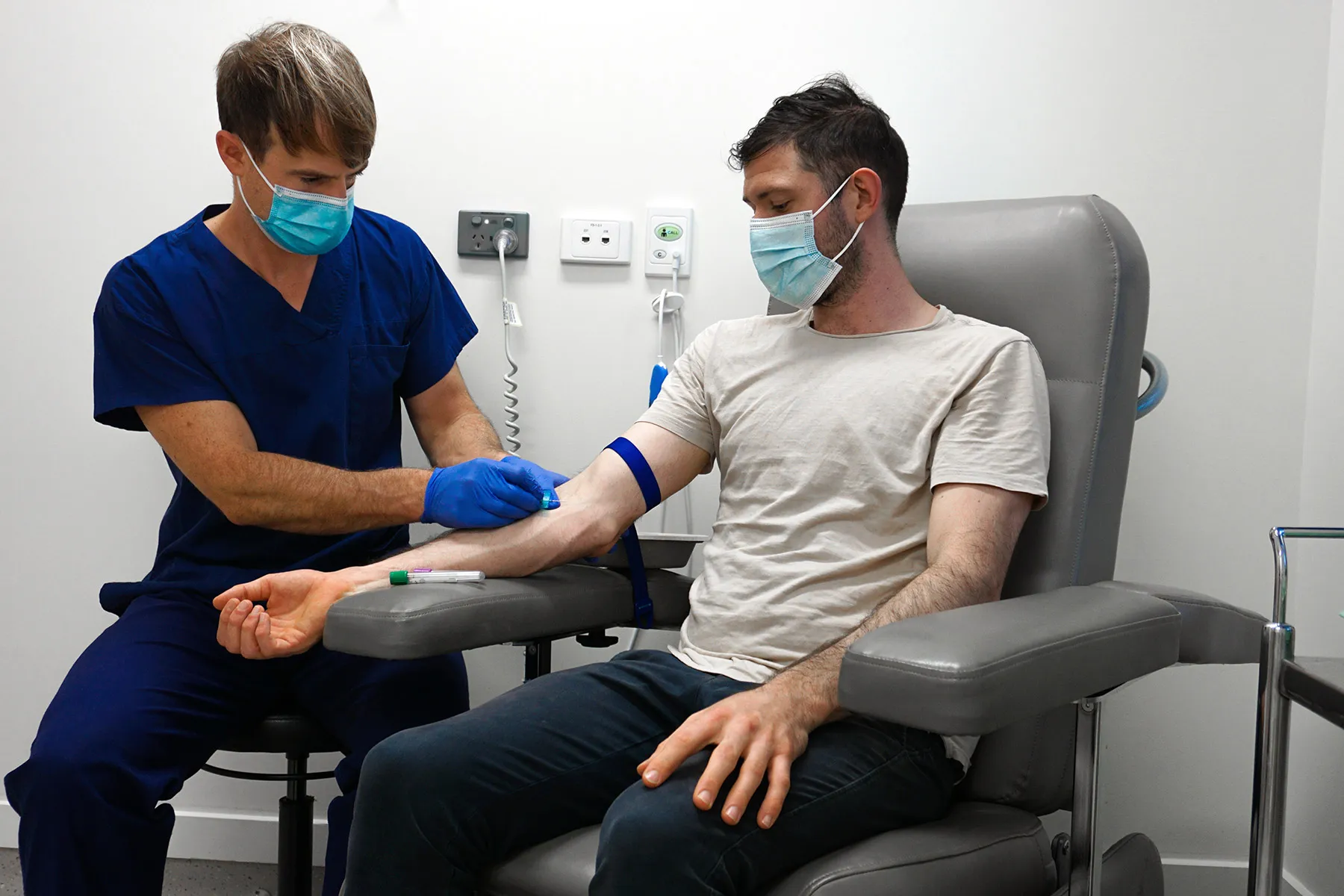
When you ask, “What is the person called that draws your blood?” the simple answer is a phlebotomist. But the more accurate, modern answer is that they are a “Diagnostic Technology Specialist.” They are the gatekeepers of our biological data, utilizing infrared optics, autonomous robotics, and sophisticated software to ensure that our healthcare is as precise as possible.
The digital transformation of phlebotomy is a testament to how technology can take a manual, often stressful procedure and turn it into a streamlined, data-rich experience. As we look toward the future, the needle and the syringe will likely give way to sensors and algorithms, but the importance of the skilled professional operating that technology will only continue to grow. In the intersection of tech and medicine, the phlebotomist remains a vital link, ensuring that the data flowing through our veins is accurately captured and protected in the digital world.
aViewFromTheCave is a participant in the Amazon Services LLC Associates Program, an affiliate advertising program designed to provide a means for sites to earn advertising fees by advertising and linking to Amazon.com. Amazon, the Amazon logo, AmazonSupply, and the AmazonSupply logo are trademarks of Amazon.com, Inc. or its affiliates. As an Amazon Associate we earn affiliate commissions from qualifying purchases.