
While the term “isinglass” might conjure images of artisanal brewing or historical shipbuilding, its true significance today lies increasingly within the realm of advanced materials science and, consequently, its burgeoning applications in various technological domains. Far from being a mere historical curiosity, isinglass represents a fascinating intersection of natural sourcing, intricate processing, and cutting-edge material properties that are opening doors for innovation across multiple tech sectors. This article will explore the technical underpinnings of isinglass, its unique properties, and its current and potential future roles within the technological landscape.
The Molecular Architecture of Isinglass: Unpacking its Unique Properties
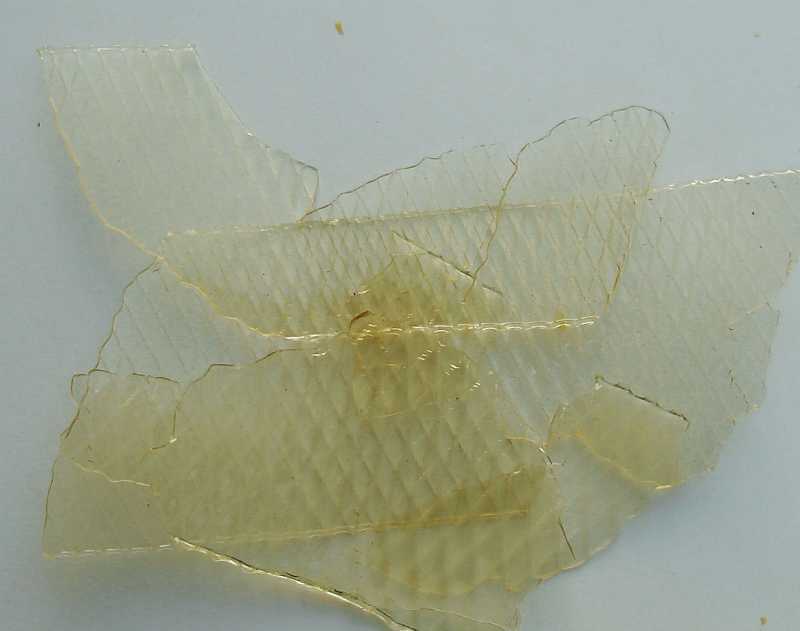
At its core, isinglass is a highly purified form of collagen, primarily derived from the swim bladders of fish. This seemingly simple origin belies a complex molecular structure that is responsible for its distinctive characteristics. Understanding this structure is paramount to appreciating its technological utility.
Collagen’s Intrinsic Gelatinous Nature
The fundamental component of isinglass is collagen, a fibrous protein that is abundant in connective tissues of animals. In its processed form for technological applications, collagen is denatured and broken down into gelatin. The specific processing of isinglass, however, is optimized to preserve a higher degree of its native structure compared to standard gelatin. This leads to a gel with remarkable clarity, a relatively low gelling temperature, and importantly, a reversible gel-sol transition. This means that isinglass gels can be melted and resolidified multiple times without significant loss of their structural integrity, a property crucial for many manufacturing processes.
Purity and Biocompatibility: A Technological Advantage
The traditional methods of producing isinglass, often involving careful cleaning and drying of the swim bladders, result in a product of exceptionally high purity. This purity is critical for technological applications where contaminants can compromise performance or introduce unwanted side effects. Furthermore, as a naturally derived protein, isinglass is generally biocompatible and biodegradable. This makes it an attractive material in fields where interaction with biological systems is a concern, such as in medical devices or advanced bio-packaging. The absence of common allergens often found in other protein-based materials also broadens its appeal.
Rheological Characteristics: Flow and Viscosity in Focus
The rheological properties of isinglass, which describe its flow and deformation characteristics, are of particular interest to technologists. It exhibits a thixotropic behavior, meaning its viscosity decreases over time when subjected to shear stress (like stirring or pumping) and then gradually recovers when the stress is removed. This is highly advantageous in manufacturing processes that require materials to be easily manipulated but also to hold their shape once applied. For instance, in coatings or adhesives, this thixotropy allows for smooth application without dripping, followed by rapid setting. The precise control over viscosity at different shear rates makes it a valuable component in formulations for advanced manufacturing.
Isinglass in Modern Technology: From Filtration to Advanced Materials
The unique combination of clarity, reversibility, biocompatibility, and controlled rheology has propelled isinglass beyond its traditional uses into a variety of sophisticated technological applications. Its ability to act as a binder, a clarifying agent, and a structural component is being leveraged in innovative ways.
Advanced Filtration and Clarification Technologies
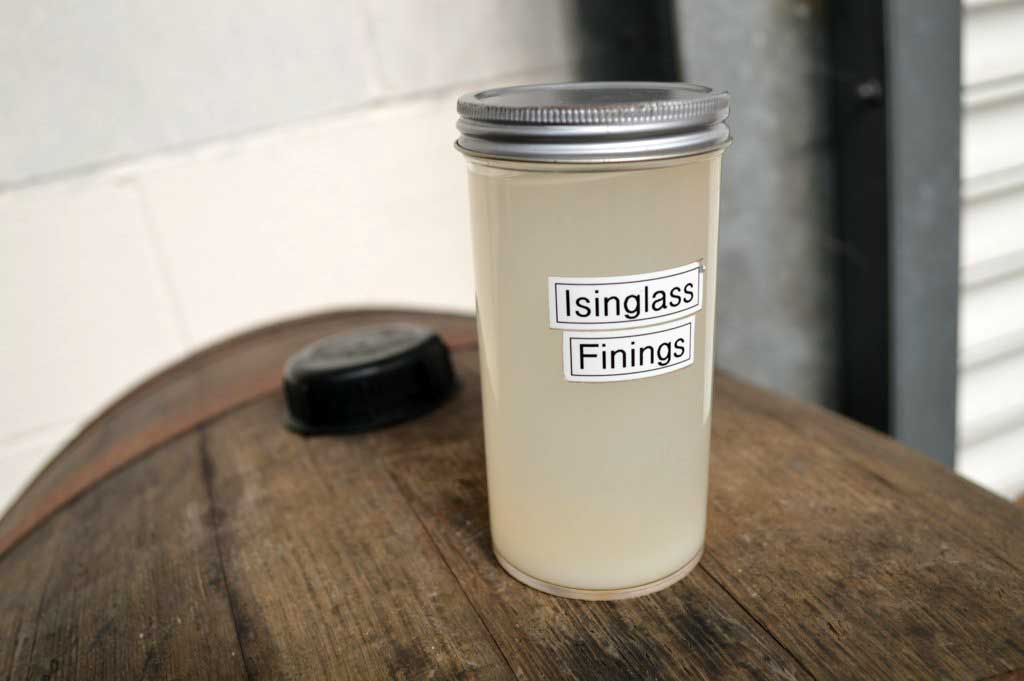
One of the most established and continuously evolving technological uses of isinglass is in filtration and clarification. Its fining properties, historically recognized in winemaking and brewing, stem from its ability to bind to negatively charged particles, causing them to aggregate and precipitate out of a liquid. In a technological context, this principle is being adapted for more advanced filtration systems.
Microfiltration and Ultrafiltration Enhancement
Isinglass can be incorporated into filtration membranes or used as a pre-treatment agent to enhance the efficiency of microfiltration and ultrafiltration processes. Its ability to selectively aggregate specific impurities without significantly affecting the desired product flow makes it ideal for purifying sensitive biological solutions or complex chemical mixtures. This is particularly relevant in the pharmaceutical industry for the purification of vaccines, antibodies, and other biologics, where maintaining product integrity is paramount.
Water Purification and Remediation
The potential of isinglass in water purification and environmental remediation is also being explored. Its natural origin and biodegradability make it a more sustainable alternative to some synthetic flocculants. Research is ongoing into utilizing modified isinglass formulations to effectively remove heavy metals, microplastics, and other persistent pollutants from water sources. Its fining capabilities can also be used in wastewater treatment plants to improve the clarity and reduce the turbidity of effluent before discharge.
Biocompatible Materials and Biomedical Applications
The inherent biocompatibility and biodegradability of isinglass make it a compelling candidate for a range of biomedical applications. As research into advanced biomaterials accelerates, isinglass is emerging as a versatile component.
Drug Delivery Systems
Isinglass’s ability to form stable gels that can encapsulate active pharmaceutical ingredients (APIs) is leading to its investigation for novel drug delivery systems. These systems can be designed for controlled release, targeting specific tissues or organs, or improving the bioavailability of poorly soluble drugs. The reversible gel-sol transition can also be exploited for minimally invasive delivery, where a liquid formulation can be injected and then solidify in situ, forming a depot for sustained drug release.
Tissue Engineering and Regenerative Medicine
In tissue engineering, isinglass can serve as a biocompatible scaffold material. Its proteinaceous nature provides a favorable environment for cell adhesion, proliferation, and differentiation. When combined with other biomaterials, isinglass can be engineered into porous structures that mimic the extracellular matrix, supporting the growth of new tissues for regenerative medicine applications. Its biodegradability ensures that the scaffold gradually degrades as the new tissue forms, leaving behind functional biological material.

Medical Device Coatings and Adhesives
The use of isinglass as a coating for medical devices can improve their biocompatibility and reduce adverse tissue responses. It can also be formulated into bio-adhesives for wound closure or to secure implants, offering an alternative to synthetic adhesives. The clarity of isinglass is also beneficial in diagnostic devices where visual inspection or optical clarity is required.
The Manufacturing and Processing of Isinglass for Tech Applications
The transition of isinglass from a traditional food additive to a component in advanced technologies necessitates sophisticated manufacturing and processing techniques. Ensuring consistent quality, purity, and tailored material properties is crucial for its reliable performance in demanding technical environments.
From Source to High-Purity Material: A Controlled Process
The sourcing of raw material, primarily the swim bladders of certain fish species, is the first critical step. Strict quality control measures are implemented to ensure the health of the fish and the integrity of the swim bladders. The subsequent processing involves meticulous cleaning, degreasing, and drying to remove impurities and reduce the water content. This is typically followed by a controlled hydrolysis or extraction process to break down the collagen into isinglass while preserving its essential protein structure. Unlike standard gelatin production, which may involve more aggressive chemical treatments, isinglass production aims for milder conditions to maintain its unique characteristics.
Tailoring Properties Through Formulation and Modification
For specific technological applications, the inherent properties of raw isinglass may need to be further tailored. This is achieved through various formulation and modification techniques.
Cross-linking for Enhanced Stability
To improve the mechanical strength, thermal stability, and resistance to enzymatic degradation, isinglass can be chemically cross-linked. Various cross-linking agents can be employed, each offering different degrees of modification and influencing the final properties of the material. This is vital for applications requiring long-term stability or exposure to harsh environments.
Blending with Other Materials
Isinglass is often blended with other polymers, nanoparticles, or active compounds to create composite materials with synergistic properties. For instance, blending with biodegradable polymers can create scaffolds with tunable degradation rates and enhanced mechanical properties for tissue engineering. Incorporating antimicrobial agents can lead to self-sanitizing coatings for medical devices or food packaging.
Nanotechnology Integration
The development of isinglass-based nanomaterials, such as nanoparticles or nanofibers, is an exciting area of research. These nanoscale structures can offer significantly enhanced surface area and reactivity, leading to improved performance in applications like catalysis, sensors, and advanced drug delivery. Electrospinning, for example, can be used to create isinglass nanofibers for use as biomaterial scaffolds or filtration media.
Future Prospects and Challenges for Isinglass in Technology
The trajectory of isinglass in the technological landscape is one of continued growth and expanding possibilities. However, like any emerging material, it faces certain challenges that need to be addressed to unlock its full potential.
Emerging Applications and Innovations
The continuous exploration of isinglass’s properties is leading to the discovery of novel applications. Beyond the areas already discussed, research is hinting at its use in:
- Advanced Bioplastics and Biodegradable Packaging: Its film-forming capabilities and biodegradability make it a candidate for eco-friendly packaging solutions.
- Sensors and Biosensors: The ability of proteins to interact specifically with certain molecules can be harnessed for creating highly sensitive biosensors.
- 3D Printing Materials: Formulating isinglass into bio-inks could enable the 3D printing of complex biological structures or customized medical devices.
- Smart Materials: Investigating its response to external stimuli like pH or temperature could lead to the development of smart materials for responsive technologies.
Sustainability and Scalability Considerations
While isinglass is a natural material, its sustainability and scalability for large-scale technological applications require careful consideration. The reliance on specific fish species for its primary source can raise concerns about overfishing and environmental impact. Developing alternative, sustainable sourcing methods, such as cell-based collagen production or utilizing other abundant collagen sources, will be crucial for widespread adoption.
Furthermore, scaling up the highly purified and specialized processing techniques for isinglass to meet industrial demands while maintaining cost-effectiveness and quality consistency presents a significant manufacturing challenge. Investment in research and development for efficient and environmentally sound production methods will be key to its long-term success.
Regulatory Pathways and Market Adoption
The adoption of isinglass in highly regulated industries, particularly in the medical and pharmaceutical sectors, necessitates navigating complex regulatory pathways. Demonstrating the safety, efficacy, and consistent quality of isinglass-based products will be essential for gaining market approval. Building trust and educating industry stakeholders about its technological advantages will also play a vital role in driving its adoption and realizing its full potential as a versatile and innovative material for the future of technology.
aViewFromTheCave is a participant in the Amazon Services LLC Associates Program, an affiliate advertising program designed to provide a means for sites to earn advertising fees by advertising and linking to Amazon.com. Amazon, the Amazon logo, AmazonSupply, and the AmazonSupply logo are trademarks of Amazon.com, Inc. or its affiliates. As an Amazon Associate we earn affiliate commissions from qualifying purchases.