
In the world of consumer goods, few items bridge the gap between utilitarian tool and cultural icon quite like the pocket knife. When a consumer asks, “What is the best pocket knife brand?” they are rarely asking a simple question about metallurgy or blade geometry. Instead, they are inquiring about brand equity, heritage, and the psychological promise a company makes to its users. In the modern marketplace, the “best” brand is the one that most effectively aligns its corporate identity with the specific needs and aspirations of its target demographic.

From a brand strategy perspective, the pocket knife industry is a masterclass in market segmentation and identity building. Whether a company positions itself as a rugged companion for the outdoorsman or a precision-engineered accessory for the urban professional, its success depends on how well it communicates its “Brand DNA.” To answer which brand is the best, we must analyze the leaders of the industry through the lens of brand strategy, market positioning, and consumer loyalty.
The Architecture of a Legacy: Defining Brand Identity in the Blade Industry
The identity of a pocket knife brand is often forged long before a customer ever opens a box. It is rooted in a narrative that combines historical heritage with a commitment to specific manufacturing philosophies. For a brand to be considered the “best,” it must possess a clear and unmistakable identity that separates it from a sea of generic competitors.
Historical Heritage vs. Modern Innovation
Brands like Case (W.R. Case & Sons Cutlery Co.) and Buck Knives lean heavily into the “Heritage” pillar of brand strategy. Case, with its roots in late 19th-century America, utilizes traditional materials like bone handles and polished carbon steel to evoke a sense of nostalgia. Their brand promise is one of continuity; they are the knives “your grandfather carried.” This strategy targets a demographic that values tradition, craftsmanship, and the emotional resonance of an heirloom.
Conversely, brands like Spyderco and Benchmade have built their identities on the pillar of innovation. Spyderco, for instance, revolutionized the industry by introducing the “Round Hole” for one-handed opening and the pocket clip. Their brand identity is synonymous with “function over form,” often resulting in “ugly” knives that offer superior ergonomics. By prioritizing utility and pioneering new materials, Spyderco has secured its place as a leader for users who identify as practical innovators.
The Iconography of Design
A successful brand is recognizable even without a logo. In the knife industry, design language serves as visual shorthand for brand identity. The silhouette of a Victorinox Swiss Army Knife is perhaps one of the most recognized brand icons globally. Its red scales and white cross represent more than a tool; they represent Swiss precision, multi-functionalism, and a non-threatening, helpful persona. This “Visual Brand Language” (VBL) allows Victorinox to transcend the “weapon” stigma often associated with knives, positioning themselves instead as a lifestyle “utility” brand.
Market Positioning: The Spectrum from Utility to Luxury
To determine the “best” brand, one must look at where a company sits on the value chain. Brand positioning determines the price point, the distribution channels, and the perceived value in the eyes of the consumer. The pocket knife market is segmented into three distinct tiers: Mass-Market, Enthusiast, and Boutique Luxury.
The Mass-Market Giants
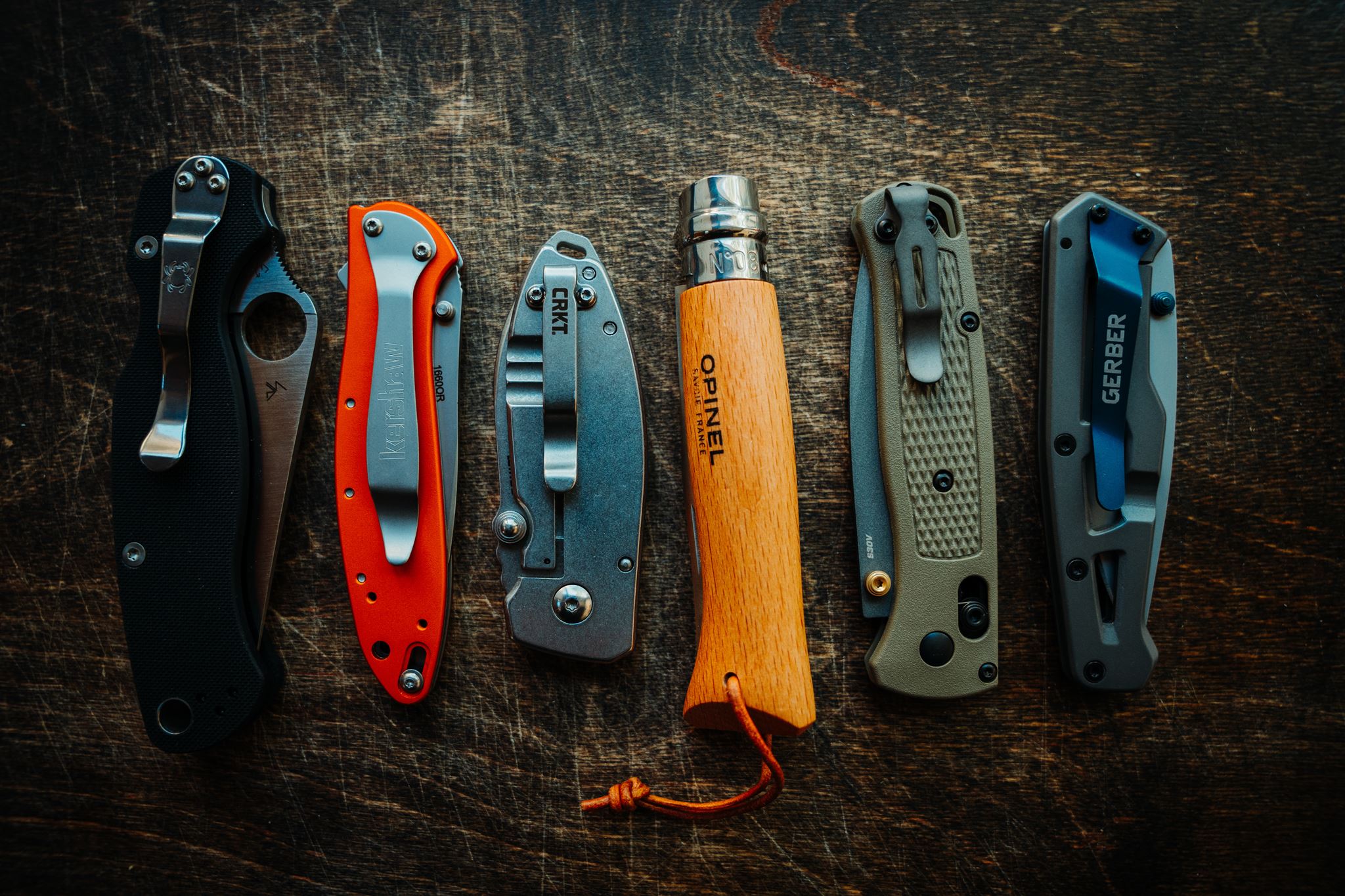
In this tier, brands like Gerber and Kershaw dominate. Their strategy is built on accessibility and volume. These brands position themselves as the “reliable workhorse” for the average consumer. Their marketing focuses on availability in big-box retailers and competitive pricing. For a user whose primary concern is “bang for the buck,” Kershaw is often cited as the best brand because it delivers high-performance features (like assisted opening) at a fraction of the cost of premium competitors.
The “Enthusiast” Tier: Benchmade and Spyderco
This is perhaps the most competitive segment of the market. Brands here, notably Benchmade, position themselves as “Premium Performance.” Benchmade’s strategy involves high-end materials (like S30V or M390 steel) and proprietary technology like the AXIS lock. Their branding is “Blue Class”—suggesting a level of professional-grade quality that justifies a $200+ price tag. By maintaining a “LifeSharp” service (sharpening and maintenance for life), Benchmade reinforces a brand promise of a lifelong partnership with the user.
The Boutique and Custom Sector: Chris Reeve Knives
At the apex of the brand pyramid sits Chris Reeve Knives (CRK). Their flagship model, the Sebenza, is often called the “gold standard” of the industry. From a branding standpoint, CRK doesn’t compete on features or volume; they compete on “Tolerance and Perfection.” Their brand story is one of surgical precision—specifically, the legendary “bank vault” lockup of their knives. By maintaining high prices and limited supply, they cultivate an aura of exclusivity and luxury. For the high-net-worth collector or the “buy once, cry once” consumer, CRK is indisputably the best because it represents the pinnacle of brand prestige.
Brand Loyalty and the Psychology of the “Everyday Carry” (EDC) Community
The pocket knife industry is unique because its consumers are not just users; they are members of a fervent community. Brand loyalty in this space is driven by psychological “moats” that companies build through community engagement and proprietary ecosystems.
Community Building through Proprietary Features
Brands create loyalty by making their products “sticky.” When a brand like Benchmade patents a locking mechanism or Spyderco trademarks a specific blade hole, they aren’t just protecting IP; they are training the consumer’s muscle memory. Once a user becomes accustomed to the “Spydie-flick” or the “AXIS-swing,” switching to another brand feels unnatural. This creates a high switching cost, which is a core tenet of long-term brand retention.
Strategic Collaborations and Limited Releases
The rise of the “Drop” culture, borrowed from the sneaker and streetwear worlds, has revolutionized knife branding. Brands like GiantMouse or Zero Tolerance (ZT) frequently collaborate with world-renowned custom knife makers like Jens Ansø or Dmitry Sinkevich. These collaborations allow a production brand to “borrow” the prestige of a custom maker, creating a halo effect. Limited edition runs and “sprints” create artificial scarcity, driving brand engagement and keeping the brand relevant in digital forums and social media circles.
Scaling Success: Marketing and Distribution Strategies in the Digital Age
In the 21st century, the “best” brand is often the one that tells the best story through digital channels. The transition from brick-and-mortar hardware stores to digital “e-tailers” and social media platforms has changed how knife brands communicate.
Omni-channel Presence and Direct-to-Consumer Models
Modern leaders like CIVIVI and its parent company WE Knife Co. have masterfully used digital marketing to disrupt the industry. By utilizing high-quality video content, engaging with reviewers on YouTube, and maintaining a strong presence on Instagram, they have rapidly climbed the ranks. Their strategy focuses on “The New Enthusiast”—younger, tech-savvy users who value aesthetics and “fidget factor” as much as cutting performance.
The Role of Influencer Marketing and User-Generated Content
The “Best Brand” title is often decided in the comments sections of YouTube and Reddit. Brands that actively support the “gear reviewer” ecosystem tend to see higher organic growth. When a brand sends prototypes to influencers for honest feedback, it signals transparency and confidence. This “User-Generated Content” (UGC) acts as social proof, which is more persuasive than traditional advertising. Brands that embrace this—like Knafs, founded by marketing veteran Ben Petersen—show how a brand can be built entirely on personality and community trust.
Conclusion: Which Brand Is Truly the Best?
The search for the “best” pocket knife brand is ultimately a search for alignment between personal values and corporate identity.
If the consumer values American craftsmanship and premium service, Benchmade stands at the top. If they value ergonomic innovation and a “no-nonsense” tool aesthetic, Spyderco is the clear winner. For those seeking unparalleled precision and status, Chris Reeve Knives holds the crown. Meanwhile, for the mass-market consumer looking for reliability and value, Kershaw or Victorinox remains the gold standard.
From a brand strategy perspective, the “best” brand is the one that successfully carves out a niche and defends it with a consistent narrative, proprietary innovation, and deep community engagement. The pocket knife industry proves that even a tool as simple as a folding blade can become a powerful vehicle for brand expression, lifestyle positioning, and lifelong consumer loyalty. In the end, the knife in your pocket says as much about who you are—and the brands you trust—as it does about the steel it’s made of.
aViewFromTheCave is a participant in the Amazon Services LLC Associates Program, an affiliate advertising program designed to provide a means for sites to earn advertising fees by advertising and linking to Amazon.com. Amazon, the Amazon logo, AmazonSupply, and the AmazonSupply logo are trademarks of Amazon.com, Inc. or its affiliates. As an Amazon Associate we earn affiliate commissions from qualifying purchases.