
Understanding household income is a fundamental aspect of personal finance, impacting everything from loan eligibility and tax calculations to eligibility for government assistance programs and even rental applications. It’s not simply a matter of adding up the paychecks of everyone living under one roof; the definition is nuanced and can vary depending on the specific context. For individuals and families navigating financial planning, seeking aid, or applying for credit, a clear grasp of what constitutes household income is essential for accurate reporting and informed decision-making. This article will delve into the various components that make up household income, explore common definitions, and highlight important distinctions that can influence financial outcomes.
Defining Household Income: A Broad Overview
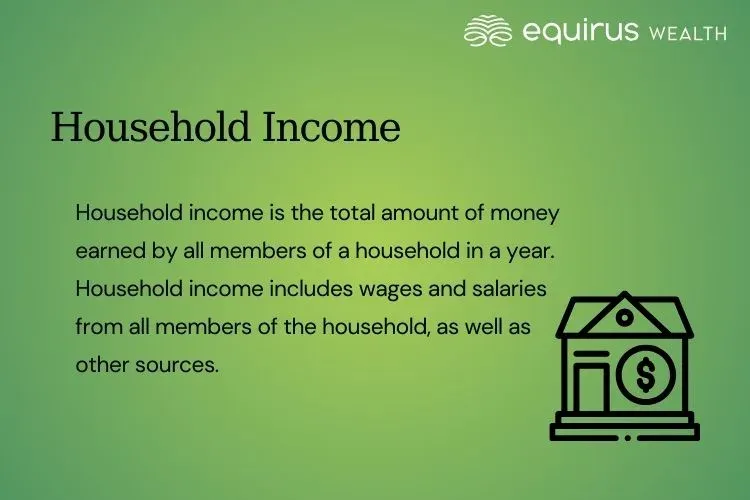
At its core, household income refers to the combined gross income of all individuals residing in a single dwelling unit. This encompasses individuals who are related by blood, marriage, or adoption, as well as any other individuals who share the same living space and contribute to the household’s financial well-being. The “gross” aspect is crucial, meaning it’s the income before any taxes, deductions, or other expenses are taken out. This broad definition aims to capture the total economic resources available to the unit.
Who is Included in the Household?
The definition of who constitutes a “household member” for income calculation purposes is paramount. Generally, this includes:
- Primary Residents: This is straightforward – the individuals whose names are on the lease or deed, or who are the primary occupants of the residence.
- Spouses or Domestic Partners: If a spouse or a legally recognized domestic partner resides in the household, their income is almost always included.
- Dependent Children: Children under a certain age (often 18 or 19, or older if still a full-time student) are typically considered part of the household. Their own earned income, if any, would be added.
- Other Relatives: Aunts, uncles, grandparents, or adult siblings living in the same home are usually included. The key determinant is whether they share living expenses and are considered part of the economic unit.
- Unrelated Individuals Sharing Expenses: In some cases, individuals who are not related but share living expenses, such as roommates who pool resources for rent and utilities, might be considered part of the household for income calculation. This can depend heavily on the specific policy or requirement. For instance, a loan application might focus on individuals with a legal obligation to the loan, while a government benefits program might have broader inclusion criteria.
It’s important to note that temporary residents, such as guests or individuals only staying for a short period, are generally not included in household income calculations. The intention is to capture the stable, ongoing financial contributions to the shared living space.
Gross vs. Net Income: The Critical Distinction
A frequent point of confusion is the difference between gross and net income. Household income typically refers to gross household income.
- Gross Household Income: This is the total income earned by all household members before any deductions are made. This includes wages, salaries, bonuses, tips, commissions, self-employment income, rental income, dividends, interest, alimony received, child support received, and any other forms of taxable income.
- Net Household Income: This is the income remaining after taxes and other mandatory deductions (like health insurance premiums or retirement contributions taken directly from a paycheck) have been subtracted.
The distinction is vital because many financial institutions, government agencies, and lenders will specify whether they require gross or net income. For example, loan applications often ask for gross annual income, while budgeting and cash flow analysis might focus on net income. Always clarify which figure is needed for any given purpose.
Sources of Income Included in Household Calculations
The income that contributes to a household’s total is diverse and can stem from various sources. Understanding these sources helps ensure a comprehensive calculation.
Earned Income: Wages, Salaries, and Self-Employment
This is the most common and often the largest component of household income.
- Wages and Salaries: This includes regular paychecks from employers for hourly work or fixed salaries. It encompasses overtime pay, bonuses, commissions, and tips. For tax purposes, this is often documented on W-2 forms.
- Self-Employment Income: For individuals who work for themselves, this income is typically calculated as their gross business receipts minus their ordinary and necessary business expenses. This can be more complex as it requires careful record-keeping and understanding of deductible expenses. Income reported on Schedule C of a tax return falls into this category.
Unearned Income: Investments, Benefits, and Other Sources
Beyond direct employment, several other income streams contribute to household financial resources.
- Investment Income: This includes income generated from assets such as stocks, bonds, mutual funds, and real estate.
- Dividends: Payments made by corporations to their shareholders.
- Interest: Earnings from savings accounts, certificates of deposit (CDs), bonds, and other debt instruments.
- Capital Gains: Profits realized from the sale of assets (like stocks or property) for more than their purchase price. While often taxed differently, they represent a financial gain for the household.
- Rental Income: Income received from renting out property owned by household members. This is typically calculated as gross rental payments received, minus allowable rental expenses.
- Retirement Income: This includes payments from pensions, annuities, and withdrawals from retirement savings accounts like 401(k)s and IRAs. The taxability of this income can vary based on the type of account and age.
- Government and Private Benefits: Various forms of financial assistance are often considered household income, though specific rules apply to each.
- Social Security Benefits: Payments received from Social Security retirement, disability, or survivor benefits.
- Unemployment Benefits: Payments received while unemployed.
- Disability Benefits: Payments from private disability insurance or government programs.
- Alimony Received: Payments made by a former spouse to support the recipient spouse.
- Child Support Received: Payments made by one parent to another for the support of their children. (Note: While often not taxed, it is still considered income for many household income calculations).
- Other Income: This can include gifts of significant value, lottery winnings, and any other income not explicitly categorized above.
What is Generally Not Included?
It’s equally important to understand what is typically excluded from household income calculations.
- Gifts: While large gifts can impact an individual’s financial situation, they are usually not counted as recurring household income unless they are part of a pattern of regular financial support.
- Inheritances: Similar to gifts, inheritances are generally considered one-time windfalls rather than regular income.
- Reimbursements: Payments received for expenses incurred, such as business travel reimbursements, are typically not counted as income, as they are meant to cover costs rather than provide profit.
- Certain Tax Credits and Deductions: While these impact the net tax liability, the credit amount itself isn’t usually added to gross income.
- Income of Temporary Residents: As mentioned earlier, individuals not considered permanent residents are excluded.
Variations in Household Income Definitions by Context
The specific definition and calculation of household income can differ significantly depending on the entity or purpose for which it is being determined. This is a critical nuance that can affect financial outcomes.

Government Programs and Subsidies
Government agencies often use household income to determine eligibility for various programs. These definitions can be quite detailed and are designed to ensure that benefits reach those most in need.
- Housing Assistance: Programs like Section 8 housing vouchers use Adjusted Gross Income (AGI) for calculations, which is a specific tax term.
- Food Assistance (SNAP): The Supplemental Nutrition Assistance Program has its own set of rules for what counts as income, often excluding certain benefits or income sources.
- Medicaid and Medicare: Eligibility for these healthcare programs is frequently tied to household income thresholds, which may use gross income, AGI, or other modified income figures.
- Education Grants and Loans: Institutions providing financial aid for education often consider household income to assess a student’s need for assistance, with definitions that can vary by institution.
In these contexts, it’s essential to refer to the specific guidelines provided by the relevant government agency, as they will dictate precisely which income sources are included and how they are calculated.
Financial Institutions: Loans, Mortgages, and Credit Applications
When applying for loans, mortgages, credit cards, or other forms of credit, financial institutions will assess your household income to gauge your ability to repay debt.
- Loan Underwriting: Lenders typically focus on stable, verifiable income sources. They will often request pay stubs, tax returns, and bank statements to confirm income. The definition used is usually gross income from consistent employment, but they may also consider other documented income streams.
- Debt-to-Income Ratio (DTI): Lenders use DTI to assess risk. This ratio compares your total monthly debt payments to your gross monthly income. An accurate calculation of gross household income is therefore crucial for a favorable DTI.
- Co-signers and Joint Applicants: If you have a co-signer or are applying jointly, their income will also be included in the household income calculation for the application.
Financial institutions aim for a clear, demonstrable ability to repay, so they prefer income that is regular, documented, and from reliable sources.
Tax Purposes
For tax purposes, the concept of “household income” as a single, unified figure is less common. Instead, tax laws focus on individual income, joint income for married couples filing jointly, and various forms of income that contribute to Adjusted Gross Income (AGI) or Taxable Income.
- Tax Filing Status: Whether you file as single, married filing jointly, married filing separately, head of household, or qualifying widow(er) significantly impacts how your income is taxed.
- Adjusted Gross Income (AGI): This is a critical figure on your tax return. It’s your gross income minus certain “above-the-line” deductions (like student loan interest, IRA contributions, or certain self-employment expenses). AGI is used to determine eligibility for many tax credits and deductions.
- Taxable Income: This is your AGI minus your standard or itemized deductions.
While a household’s collective earnings contribute to the individual tax liabilities of its members, tax law doesn’t typically aggregate all household earnings into a single “household income” figure for direct taxation. However, the combined financial strength of a household can influence individual tax planning and investment decisions.
The Importance of Accurate Household Income Assessment
Accurately assessing household income is not just a bureaucratic necessity; it has tangible implications for financial well-being, opportunity, and security.
Planning and Budgeting
For personal financial management, understanding the total income available to the household is the first step in effective budgeting. It allows families to allocate funds for expenses, savings, and investments realistically. Knowing the true household income helps prevent overspending and ensures that financial goals are achievable.
Eligibility for Financial Assistance and Benefits
As discussed, numerous government programs and non-profit initiatives rely on household income to determine eligibility. An accurate assessment ensures that individuals and families who qualify for much-needed support can access it. Conversely, misreporting income can lead to disqualification or even penalties.
Securing Loans and Mortgages
For major life purchases like a home or car, or for managing unexpected expenses, loans are often necessary. Lenders use household income to assess creditworthiness. A clear and accurate representation of income can lead to better loan terms, lower interest rates, and a higher chance of approval.
Investment and Wealth Building
While not directly a source of income, understanding the household’s total earning capacity can inform investment strategies. A higher aggregate income might allow for more aggressive investment in higher-return assets, or the ability to save more consistently for long-term wealth accumulation.
Community and Economic Analysis
On a broader scale, aggregated household income data is vital for economic analysis. It helps policymakers understand economic disparities, plan for community development, and implement effective fiscal policies. This data also informs businesses about consumer spending power in different areas.
In conclusion, the concept of household income, while seemingly straightforward, is a multifaceted one. It encompasses a wide array of income sources from all individuals within a dwelling unit, calculated on a gross basis, and its precise definition can vary based on the context. By understanding these nuances, individuals can more effectively manage their finances, access necessary resources, and make informed decisions about their financial future. Always take the time to clarify the specific definition of household income required for any particular application or purpose.
aViewFromTheCave is a participant in the Amazon Services LLC Associates Program, an affiliate advertising program designed to provide a means for sites to earn advertising fees by advertising and linking to Amazon.com. Amazon, the Amazon logo, AmazonSupply, and the AmazonSupply logo are trademarks of Amazon.com, Inc. or its affiliates. As an Amazon Associate we earn affiliate commissions from qualifying purchases.