
Bluing is a specialized electrochemical or chemical conversion coating applied to steel firearm components to provide corrosion resistance and a desired aesthetic finish. Far from a mere cosmetic treatment, bluing represents a sophisticated application of surface engineering, leveraging controlled oxidation to transform the metal’s surface properties. This process is fundamental to the longevity, functionality, and visual appeal of many mechanical gadgets, particularly firearms, by forming a passive barrier against environmental degradation. Understanding bluing delves into the intersection of materials science, chemistry, and precision manufacturing, offering insights into how robust mechanical systems are protected and preserved.
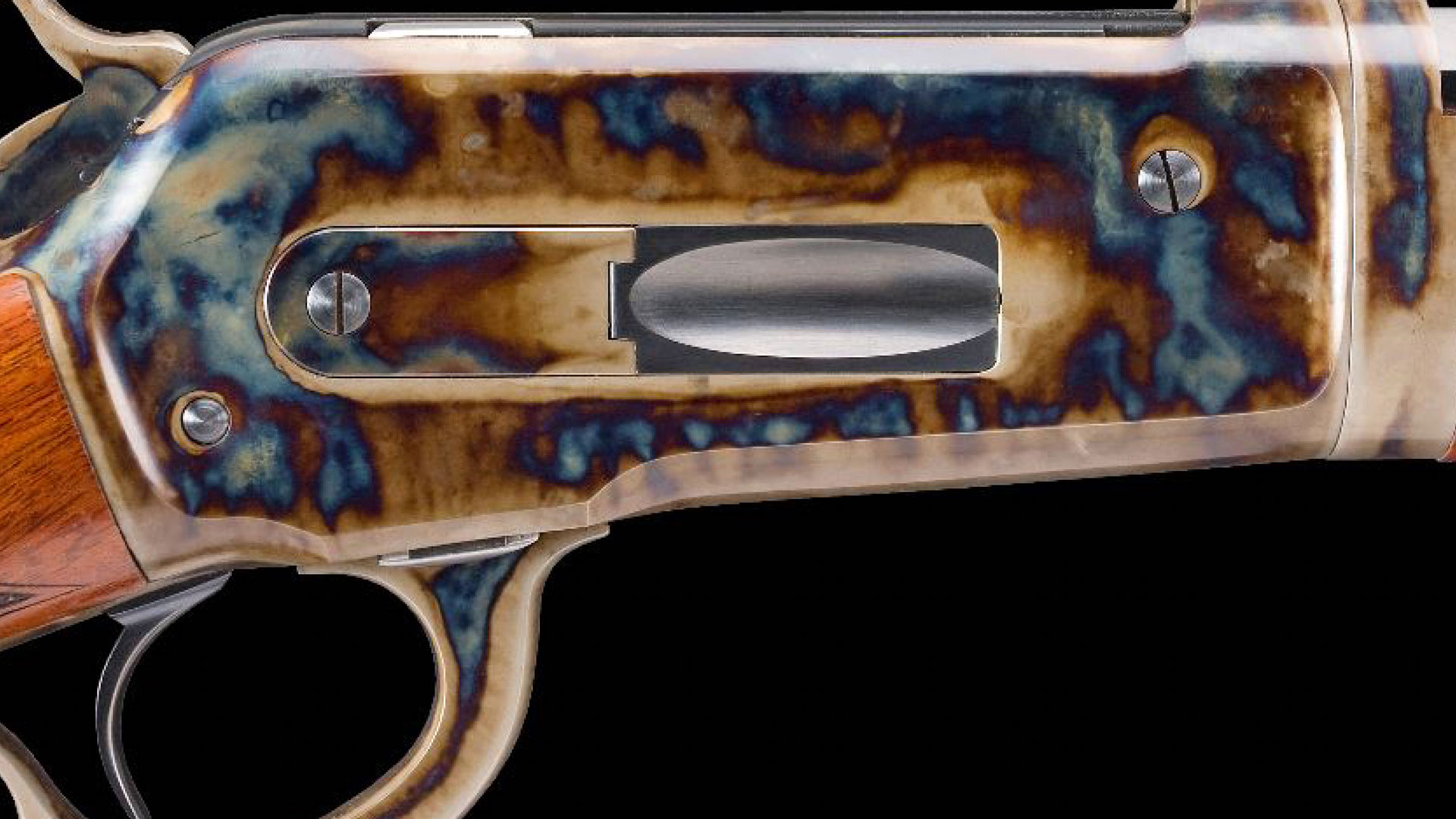
The Core Technology: Understanding Oxidation and Protection
At its heart, bluing is a controlled oxidation process. Instead of allowing steel to succumb to detrimental red rust (ferric oxide, Fe₂O₃), bluing strategically cultivates a layer of black oxide, primarily magnetite (Fe₃O₄). This technological intervention is crucial for firearm components, which are often exposed to varying environmental conditions.
The Science of Bluing: Controlled Corrosion
Steel, an alloy of iron and carbon, is inherently susceptible to corrosion when exposed to oxygen and moisture. The familiar reddish-brown rust is the uncontrolled result of this interaction. Bluing techniques induce a specific chemical reaction that forms a tenacious, microscopic layer of magnetite on the surface. This black oxide layer is chemically stable and adheres tightly to the base metal, acting as a sacrificial barrier. While not impenetrable on its own, its presence significantly slows down the progression of more destructive forms of corrosion by isolating the underlying steel from direct atmospheric contact. Crucially, this black oxide layer is porous, allowing it to absorb and retain oil, which then provides the primary long-term protection against rust, enhancing the barrier effect and offering lubrication.
Beyond Rust Prevention: Aesthetic and Practical Advantages
While corrosion resistance is the primary technical benefit, bluing offers several other practical advantages for firearm components:
- Glare Reduction: The characteristic matte or satin finish of blued steel significantly reduces glare. This is a crucial practical advantage for users, particularly in bright conditions, enhancing aiming precision and user comfort.
- Surface Hardening (Minor): While not a primary hardening treatment, the bluing process can slightly harden the very surface layer of the steel, contributing to minor wear resistance.
- Improved Lubrication Base: The micro-porous nature of the magnetite layer provides an excellent substrate for absorbing and holding lubricating oils. This oil film is essential for preventing metal-on-metal wear in moving parts and for augmenting the corrosion resistance initiated by the bluing itself.
- Aesthetic Appeal: Historically and currently, the deep black, blue-black, or sometimes purplish-black finish of bluing is highly prized for its classic, professional appearance, contributing to the overall design and perceived quality of the firearm.
Diverse Bluing Techniques: A Spectrum of Technologies
The term “bluing” encompasses several distinct chemical and metallurgical processes, each with its own technical requirements, advantages, and limitations. The choice of technique often depends on the type of steel, desired finish, production scale, and available resources.
Hot Bluing (Caustic Bluing): The Industrial Standard
Hot bluing is the most common and robust industrial method. This complex process involves immersing meticulously prepared steel parts into a series of highly concentrated, heated chemical salt solutions, primarily sodium hydroxide (caustic soda) and various oxidizing agents (e.g., potassium nitrate, sodium nitrate). The parts are typically submerged in a bath operating at temperatures between 280-310°F (138-154°C).
- Technical Process: The heated caustic solution chemically reacts with the iron in the steel to form the stable black magnetite layer. The temperature and chemical concentration must be precisely controlled to achieve an even, durable, and aesthetically pleasing finish. Parts undergo rigorous cleaning, polishing, and degreasing steps before immersion to ensure proper chemical adhesion and prevent streaking or unevenness.
- Pros: Produces the most durable, uniform, and deep black finish. It is suitable for large-scale production and provides superior rust resistance when properly oiled.
- Cons: Requires specialized, often hazardous, chemicals, high temperatures, and significant capital investment in equipment (heated tanks, ventilation, safety gear). It is not suitable for all steel alloys (e.g., stainless steel, aluminum).
Cold Bluing: The DIY Gadget Repair Solution
Cold bluing agents are room-temperature chemical solutions applied directly to the steel surface, typically for touch-ups or small repairs. These solutions generally contain selenium dioxide or similar compounds that chemically react with the steel.
- Technical Process: The application is straightforward: clean the area, apply the solution with an applicator, and allow it to react. The reaction is much less aggressive and superficial compared to hot bluing.
- Pros: Easy to use, requires minimal equipment, and is ideal for localized repairs of scratches or worn areas on blued finishes. It’s an accessible “tech repair” for cosmetic firearm issues.
- Cons: The resulting finish is significantly less durable, often appears streaky or patchy, and provides inferior corrosion resistance compared to hot bluing. It is generally not recommended for bluing an entire firearm due to its superficial nature and lack of longevity.
Rust Bluing: The Traditionalist’s Approach
Rust bluing, also known as “slow rust bluing,” is an older, more labor-intensive method that was the industry standard before hot bluing became prevalent. It involves intentionally rusting the steel in a controlled manner, then converting that rust into black oxide.
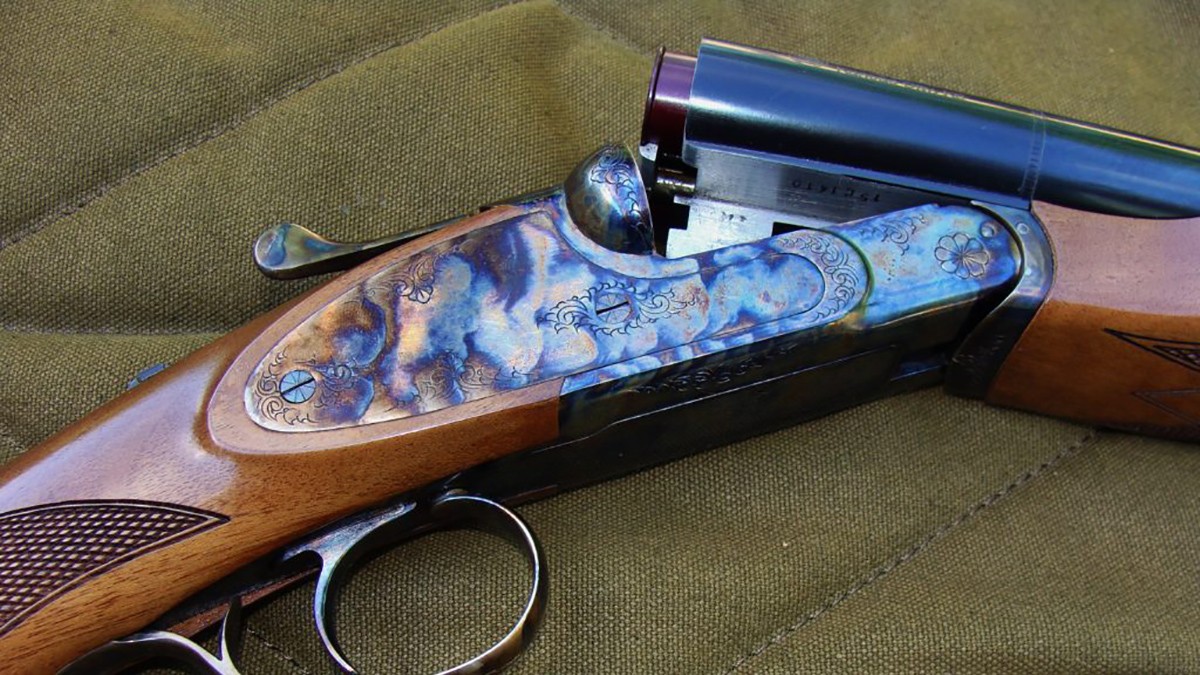
- Technical Process: Steel parts are cleaned and then exposed to a humidity-controlled environment or treated with an acidic solution to induce a thin, uniform layer of red rust. Once a sufficient layer of red rust forms, the parts are boiled in distilled water. The boiling water converts the red rust (Fe₂O₃) into black magnetite (Fe₃O₄). After boiling, the parts are “carded” (scrubbed with fine steel wool or a wire wheel) to remove loose rust, leaving behind the tenacious black oxide. This rust-boil-card cycle is repeated multiple times (often 5-15 times) to build up a deep, durable finish.
- Pros: Produces an exceptionally durable, rich, and deep blue-black or chocolate-brown finish that is highly prized, especially for antique firearm restoration. Offers excellent corrosion resistance.
- Cons: Extremely time-consuming and labor-intensive, requiring precise environmental control and numerous repetitive steps.
The Technical Process: A Step-by-Step Overview (Hot Bluing Example)
The efficacy of bluing, particularly hot bluing, hinges on meticulous preparation and adherence to a precise sequence of chemical and physical treatments. This is a true testament to process engineering in surface finishing.
Preparation: The Foundation of Success
The quality of the final bluing is overwhelmingly determined by the surface preparation. Any imperfection—grease, rust, scratches, or uneven polishing—will be magnified by the bluing process.
- Disassembly: The firearm must be completely disassembled into its individual steel components. Non-steel parts (wood, plastic, aluminum) must be removed as they would be destroyed by the bluing chemicals.
- Cleaning and Polishing: All existing finishes, rust, and pits must be mechanically removed. This often involves abrasive blasting, sanding, and polishing to the desired grit, ensuring a uniform surface profile. The degree of polish (from coarse matte to high gloss) directly dictates the final blued finish’s reflectivity.
- Degreasing: This is a critical step. Parts are thoroughly immersed in strong alkaline degreasing solutions, often heated, to remove all oils, waxes, and contaminants. Even fingerprints can cause uneven bluing. Multiple rinses in distilled water follow to prevent cross-contamination.
Chemical Application: Immersion and Reaction
With the parts immaculately clean, they are carefully introduced into the bluing bath.
- Bluing Tanks: The prepared parts are suspended on wires or racks and submerged into heated bluing tanks containing the caustic salt solutions.
- Temperature and Time Control: The temperature of the bluing solution is maintained within a very narrow range, typically between 280-310°F (138-154°C). The immersion time varies, usually between 15 minutes to an hour, depending on the steel alloy and desired depth of finish. Precise control of these parameters is essential for a consistent and durable black oxide layer.
- Monitoring: Technicians constantly monitor the process, observing the color change and ensuring the solution remains balanced.
Post-Treatment: Sealing the Finish
Once the bluing reaction is complete, the process isn’t over. Proper post-treatment is crucial for stabilizing the finish and enhancing its protective qualities.
- Rinsing: Parts are immediately removed from the bluing tank and thoroughly rinsed in multiple stages of hot and cold water to remove all residual chemicals. Any remaining chemical residue can continue to react and cause “red rust” in the future.
- Oiling: While still warm (to aid absorption), the blued parts are immediately immersed in a specialized penetrating oil. The porous magnetite layer readily absorbs this oil, filling the microscopic pores and creating the true protective barrier. This oil film is the primary defense against rust.
- Drying and Reassembly: After oiling, excess oil is wiped away, and the parts are allowed to dry before being carefully reassembled.
Maintenance and Longevity of Blued Components
Even with the robust protection offered by professional bluing, ongoing maintenance is paramount to preserving the finish and the underlying steel of these mechanical gadgets. The blued finish is a foundation, but it requires an active maintenance regimen to achieve its full lifespan.
Essential Care for Blued Gadgets
- Regular Cleaning: After each use, especially with firearms, components should be cleaned to remove powder residue, moisture, and environmental contaminants.
- Proper Oiling: The oil absorbed into the bluing layer can dry out or be displaced. Regular reapplication of a high-quality gun oil is crucial to maintain the protective oil film, especially in high-wear areas or after cleaning. Use oils specifically formulated for firearms, avoiding harsh solvents that can strip away oil or even damage the bluing itself.
- Storage: Store blued items in a clean, dry environment, preferably in a gun safe or case that allows for some air circulation and is not exposed to extreme humidity or temperature fluctuations. Desiccants can be used to control humidity.
- Handling: Minimize direct skin contact with blued surfaces, as skin oils and acids can promote corrosion over time. Use gloves when handling for extended periods.
When to Re-Blue: Evaluating Surface Degradation
Over time, even a well-maintained blued finish will show signs of wear, particularly in areas of high friction or handling.
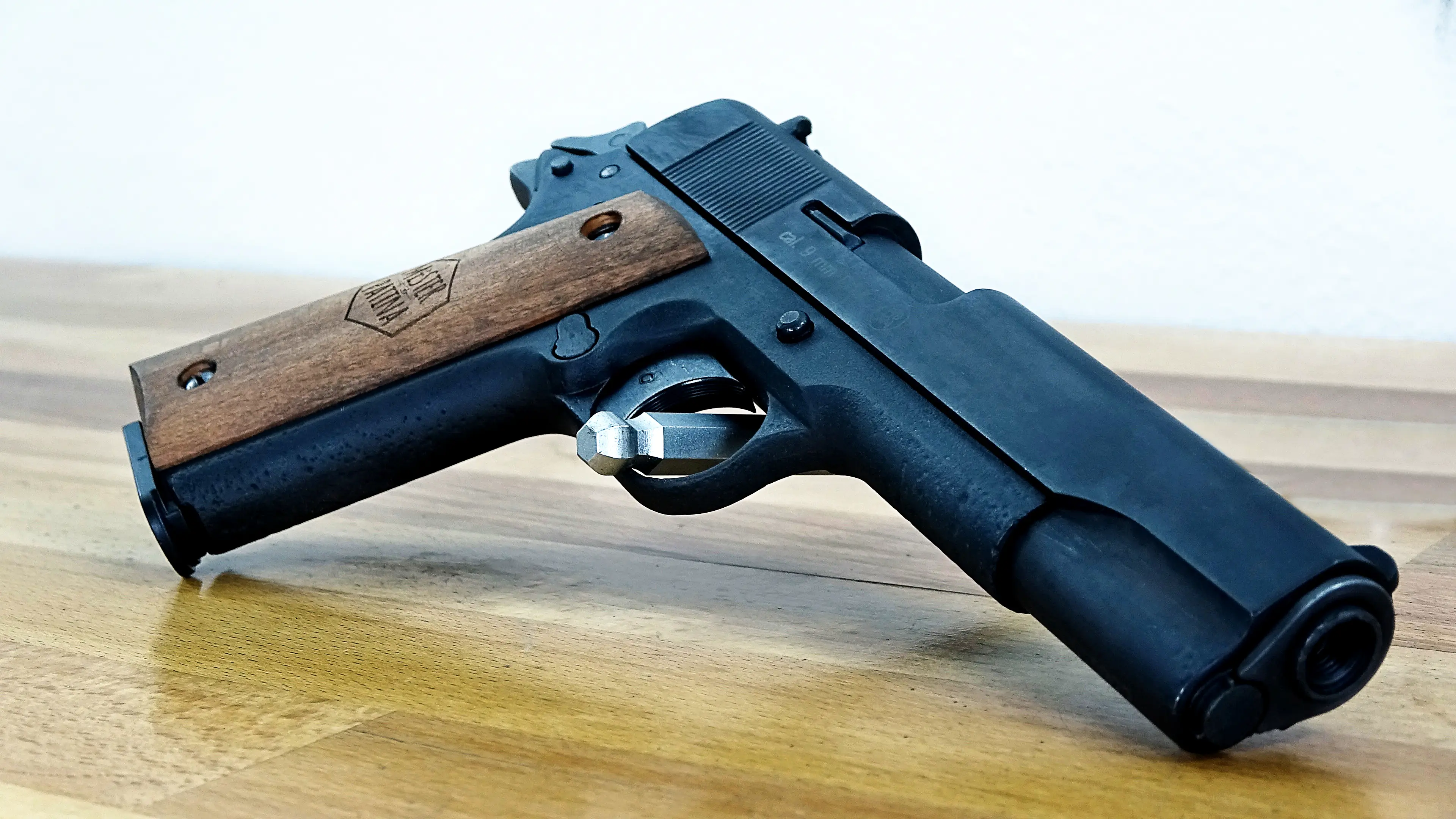
- Signs of Wear: Fading of the black finish, visible graying of the steel, or the appearance of pitting or surface rust indicate that the protective layer is compromised.
- Corrosion: Any active rust formation, especially beyond superficial surface rust easily wiped away, signals a failure of the bluing and underlying oil barrier.
- Cosmetic Deterioration: For items where aesthetic appeal is paramount, significant scratches, dings, or an uneven finish may warrant re-bluing for cosmetic restoration.
- Considerations: Deciding whether to re-blue professionally or attempt a DIY cold blue depends on the extent of damage, the value of the item, and the desired level of finish quality. Professional hot bluing offers superior durability and appearance but requires significant investment.
In conclusion, bluing on a gun is a highly evolved technological process that is integral to the preservation and functionality of these mechanical gadgets. By converting a reactive steel surface into a stable, oil-absorbing oxide layer, bluing provides essential corrosion resistance, reduces glare, and contributes significantly to the longevity and aesthetic value of firearms. This process exemplifies sophisticated surface engineering applied to complex mechanical systems, ensuring their enduring performance in diverse operational environments.
aViewFromTheCave is a participant in the Amazon Services LLC Associates Program, an affiliate advertising program designed to provide a means for sites to earn advertising fees by advertising and linking to Amazon.com. Amazon, the Amazon logo, AmazonSupply, and the AmazonSupply logo are trademarks of Amazon.com, Inc. or its affiliates. As an Amazon Associate we earn affiliate commissions from qualifying purchases.