
The educational landscape is constantly evolving, seeking innovative ways to equip students with the skills and knowledge necessary to thrive in a rapidly advancing world. Among these innovations, the rise of STEAM education has garnered significant attention. But what exactly is a STEAM school, and what distinguishes it from more traditional educational models? This article delves into the core principles of STEAM education, exploring its components, pedagogical approaches, and the profound impact it has on preparing students for the future.
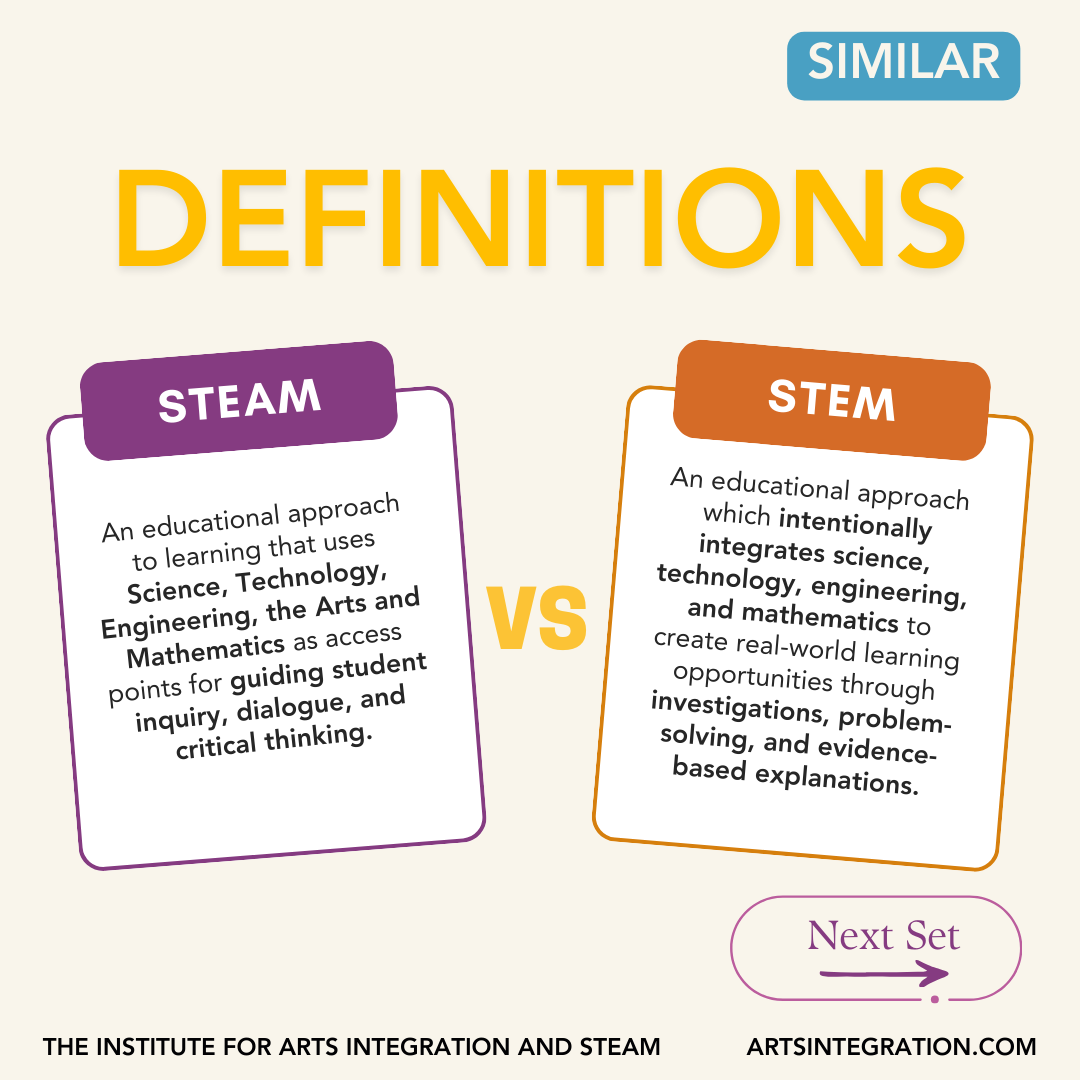
STEAM is an acronym that stands for Science, Technology, Engineering, Arts, and Mathematics. It represents an integrated approach to learning that emphasizes interdisciplinary connections and hands-on, project-based experiences. Unlike traditional curricula that often compartmentalize these subjects, STEAM education encourages students to see the relationships between them and to apply knowledge in practical, real-world contexts.
The Pillars of STEAM Education
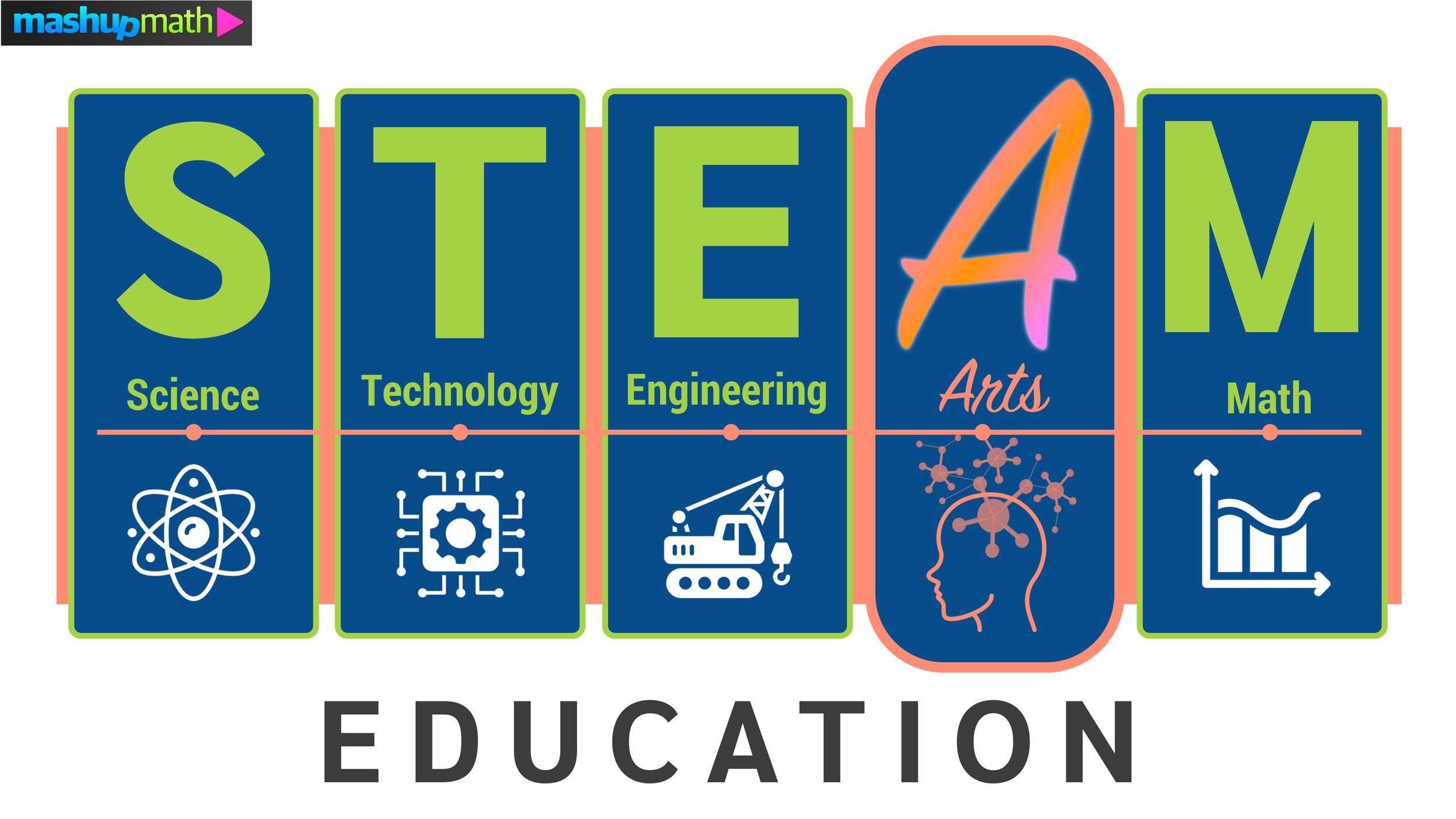
At its heart, STEAM education is built upon the synergy of its constituent disciplines. Each element plays a crucial role in fostering a holistic and robust learning experience. Understanding the individual contributions and the collective impact of these pillars is key to appreciating the value of a STEAM school.
Science: The Foundation of Inquiry
Science forms the bedrock of a STEAM education, providing the fundamental understanding of the natural world. This includes not only traditional scientific disciplines like biology, chemistry, and physics but also the scientific method itself. Students in STEAM schools are encouraged to be curious, to ask questions, and to seek evidence-based answers. They learn to observe, hypothesize, experiment, and analyze, developing critical thinking skills that are transferable to any field of study or career.
The emphasis in STEAM science is on inquiry-based learning. Rather than passively receiving information, students are actively engaged in scientific exploration. This might involve designing and conducting experiments, collecting and interpreting data, or researching complex scientific phenomena. The goal is to cultivate a deep understanding of scientific principles and to foster a lifelong love of learning and discovery. This scientific foundation is essential for innovation and problem-solving, providing the theoretical framework upon which technological and engineering solutions are built.
Technology: The Engine of Innovation
Technology is the driving force behind many of the advancements in our modern world, and STEAM education embraces its pervasive influence. This encompasses a wide range of technological tools and concepts, from basic digital literacy and coding to more advanced areas like artificial intelligence, robotics, and data science. In a STEAM school, technology is not merely a subject to be studied; it is a tool to be utilized, a medium for creation, and a catalyst for problem-solving.
Students are exposed to a variety of technological platforms and software, learning to leverage them for research, communication, design, and data analysis. Coding, for instance, is increasingly becoming a fundamental skill, empowering students to understand how digital systems work and to build their own applications and interactive experiences. Robotics and 3D printing allow students to bring their designs to life, bridging the gap between abstract ideas and tangible creations. The integration of technology ensures that students are not just consumers of technology but active creators and innovators.
Engineering: The Art of Problem-Solving
Engineering is where theoretical knowledge meets practical application. It is the discipline of designing, building, and improving systems, structures, and processes to solve problems and meet human needs. In a STEAM school, engineering principles are woven into the curriculum, encouraging students to think like engineers: to identify challenges, brainstorm solutions, prototype, test, and refine.
Project-based learning is particularly central to the engineering component of STEAM. Students might be tasked with designing a bridge that can withstand a certain weight, building a robot that can perform a specific task, or developing a sustainable energy solution for a hypothetical community. These projects require students to apply their knowledge of science and mathematics, to utilize technology effectively, and to collaborate with their peers. The engineering process inherently involves iteration and learning from failure, fostering resilience and adaptability.
Arts: The Spark of Creativity and Communication
The inclusion of “Arts” in STEAM—making it STEAM instead of STEM—is a deliberate and crucial enhancement. The arts, encompassing visual arts, music, drama, and design, are vital for fostering creativity, critical thinking, and effective communication. In a STEAM context, the arts are not seen as separate from the sciences and engineering but as complementary forces that enhance innovation and problem-solving.
Arts education cultivates imagination, allowing students to approach problems from novel perspectives and to envision possibilities that might not be immediately apparent. Design thinking, a process heavily influenced by artistic principles, encourages empathy, ideation, and prototyping. Furthermore, the arts provide powerful avenues for communication. Students learn to express their ideas visually, aurally, and through performance, enabling them to articulate complex concepts and to connect with diverse audiences. A well-designed product, an engaging presentation, or an impactful story often relies on artistic sensibility. The arts help students to not only create solutions but also to communicate their value and impact effectively.
Mathematics: The Language of Patterns and Logic
Mathematics serves as the universal language of quantitative reasoning, providing the essential framework for understanding patterns, relationships, and logical structures. In a STEAM school, mathematics is not treated as an isolated subject but as an integrated tool used across all disciplines. Students learn to apply mathematical concepts to real-world problems, making abstract theories tangible and relevant.
This includes not only arithmetic and algebra but also geometry, statistics, probability, and calculus. Students use mathematics to model scientific phenomena, to analyze data collected from experiments, to design and optimize engineering solutions, and to understand the principles behind technological advancements. The emphasis is on conceptual understanding and the ability to use mathematical tools to solve problems, rather than rote memorization. Through mathematics, students develop logical thinking, problem-solving skills, and a precise way of articulating ideas, all of which are indispensable in a STEAM-driven world.
Pedagogical Approaches in STEAM Schools
The effectiveness of a STEAM school lies not only in its curriculum but also in the innovative pedagogical approaches it employs. These methods are designed to foster deep learning, engagement, and the development of 21st-century skills.
Project-Based Learning (PBL)
Project-Based Learning (PBL) is a cornerstone of STEAM education. In PBL, students engage in complex, real-world challenges or questions over an extended period. They work collaboratively to investigate, design, and create solutions, products, or presentations. This approach inherently integrates multiple disciplines, as projects often require students to draw upon their knowledge of science, technology, engineering, arts, and mathematics.
PBL encourages students to take ownership of their learning, fostering self-direction, critical thinking, and problem-solving skills. They learn to manage their time, collaborate effectively, and communicate their findings. The iterative nature of PBL, where students often face setbacks and must refine their approaches, builds resilience and a growth mindset. The tangible outcomes of PBL projects provide a strong sense of accomplishment and demonstrate the practical application of learned concepts.
Inquiry-Based Learning
Inquiry-based learning is another critical pedagogical strategy in STEAM schools. This approach encourages students to drive their own learning by posing questions, investigating topics, and discovering knowledge through exploration. Instead of being passively fed information, students are empowered to become active researchers.
This might involve conducting experiments to answer a scientific question, exploring the functionality of a new piece of technology, or researching historical engineering feats. The role of the educator shifts from a dispenser of knowledge to a facilitator, guiding students through the inquiry process, providing resources, and posing challenging questions. Inquiry-based learning cultivates curiosity, critical thinking, and the ability to independently seek out and evaluate information, skills that are essential for lifelong learning.
Interdisciplinary Connections
The very essence of STEAM is the intentional weaving together of its component disciplines. STEAM schools prioritize creating learning experiences where students can see the inherent connections between seemingly disparate subjects. This breaks down the artificial barriers often present in traditional education, allowing students to develop a more holistic and integrated understanding of the world.
For example, a project might involve designing a sustainable urban garden. This would necessitate understanding plant biology (Science), using automated irrigation systems (Technology), designing efficient water distribution channels (Engineering), creating aesthetically pleasing layouts (Arts), and calculating resource needs and yield (Mathematics). By experiencing these connections firsthand, students learn that knowledge is not siloed but interconnected, a perspective crucial for tackling complex, real-world problems.
Collaboration and Communication
In the modern workforce, the ability to collaborate effectively and communicate ideas clearly is paramount. STEAM schools place a strong emphasis on developing these skills through various activities and projects. Students are frequently assigned to teams, requiring them to share responsibilities, leverage each other’s strengths, and resolve conflicts constructively.
Communication skills are honed through presentations, reports, and the development of visual aids and multimedia content. Students learn to articulate their ideas, explain their design choices, and justify their findings to various audiences. This emphasis on collaboration and communication mirrors the demands of professional environments, preparing students for successful careers in fields that require teamwork and effective interpersonal skills.
The Benefits of a STEAM Education
The adoption of STEAM principles in educational institutions offers a multitude of benefits for students, preparing them not only for higher education but also for meaningful and impactful careers.
Fostering Critical Thinking and Problem-Solving
One of the most significant advantages of STEAM education is its ability to cultivate strong critical thinking and problem-solving skills. By engaging with complex, open-ended challenges, students learn to analyze situations, identify underlying issues, evaluate potential solutions, and implement the most effective ones. The iterative nature of engineering and design, coupled with the scientific method, trains students to approach problems systematically and to learn from both successes and failures.
Cultivating Creativity and Innovation
The integration of arts into the traditional STEM fields ignites creativity and fosters a culture of innovation. Students are encouraged to think outside the box, to experiment with new ideas, and to express themselves in unique ways. This creative mindset is essential for developing novel solutions and for driving progress in all sectors. By providing avenues for artistic expression alongside technical challenges, STEAM education nurtures well-rounded individuals capable of both analytical thought and imaginative leaps.
Preparing for Future Careers
The skills and knowledge gained in a STEAM school are directly aligned with the demands of the 21st-century workforce. Industries are increasingly reliant on individuals who possess a strong foundation in science, technology, engineering, and mathematics, coupled with the creativity and collaborative abilities fostered by the arts. Graduates of STEAM programs are well-prepared for careers in fields such as software development, engineering, data science, biotechnology, design, and research, among many others. Furthermore, the adaptable problem-solving skills learned transcend specific industries, making STEAM graduates valuable assets in any professional setting.

Developing Lifelong Learners
STEAM education instills a passion for continuous learning and a natural curiosity about the world. By empowering students to ask questions, explore topics independently, and engage in hands-on discovery, these schools cultivate intrinsically motivated learners. The focus on understanding “why” and “how” encourages a deeper engagement with subjects, leading to a more profound and lasting comprehension. This foundation of curiosity and self-directed learning is invaluable for navigating a world that is constantly changing and presenting new challenges and opportunities.
In conclusion, a STEAM school represents a forward-thinking approach to education, recognizing the interconnectedness of critical disciplines and their vital role in shaping the future. By integrating Science, Technology, Engineering, Arts, and Mathematics through engaging pedagogical methods, these institutions are effectively equipping students with the skills, knowledge, and mindset necessary to become innovative problem-solvers, creative thinkers, and successful contributors to society.
aViewFromTheCave is a participant in the Amazon Services LLC Associates Program, an affiliate advertising program designed to provide a means for sites to earn advertising fees by advertising and linking to Amazon.com. Amazon, the Amazon logo, AmazonSupply, and the AmazonSupply logo are trademarks of Amazon.com, Inc. or its affiliates. As an Amazon Associate we earn affiliate commissions from qualifying purchases.