
In the early days of the internet, being “online” was a discrete activity—something one did by tethering a computer to a phone line and entering a siloed digital space. Today, the boundary between the physical and digital worlds has effectively dissolved. As our social, professional, and civic lives migrate toward interconnected platforms, a new concept has emerged to define our role in this ecosystem: digital citizenship.
A digital citizen is more than just an internet user. While a user might consume content or utilize software passively, a digital citizen recognizes that they are part of a global, technology-driven community. This role carries with it a specific set of rights, responsibilities, and technical competencies. In a world increasingly governed by algorithms, artificial intelligence (AI), and massive data exchanges, understanding what it means to be a digital citizen is essential for navigating the complexities of the modern tech landscape.
Defining Digital Citizenship in the 21st Century
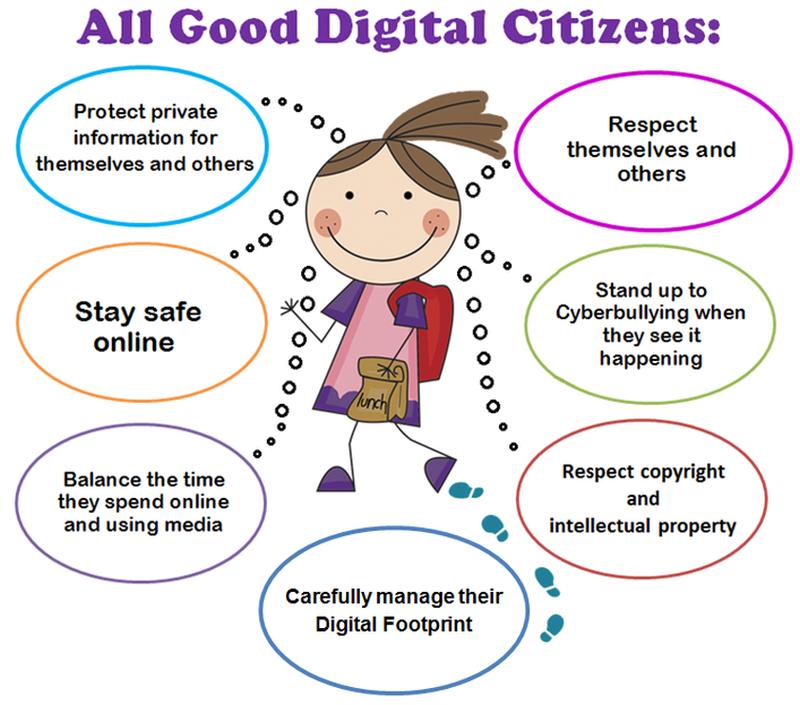
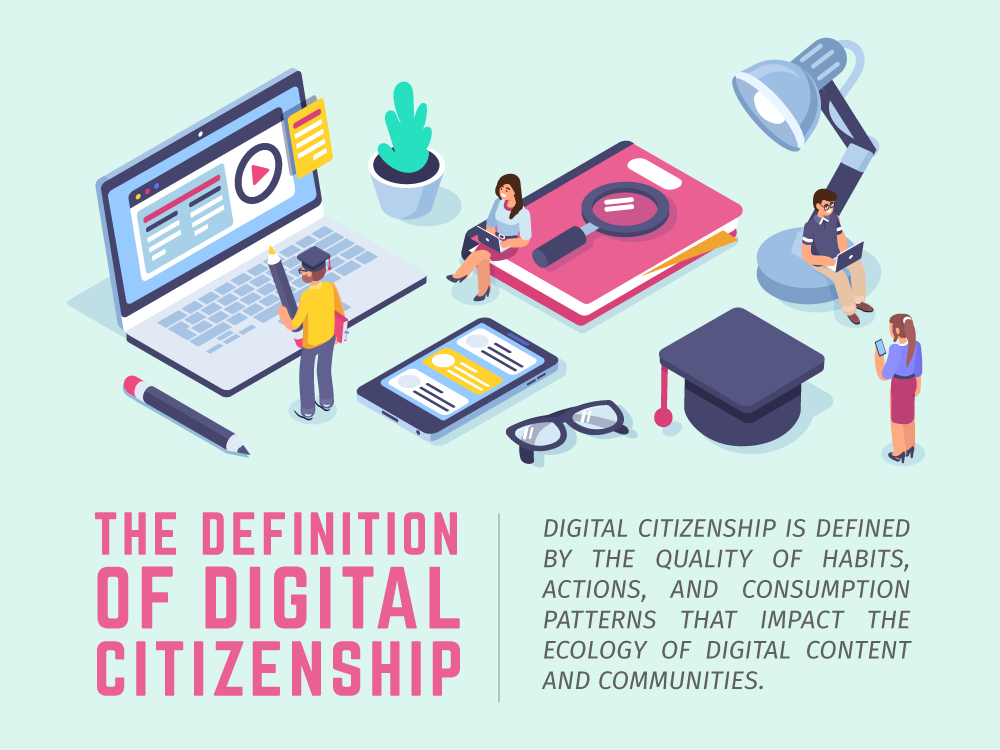
Digital citizenship is the ability to participate in society online safely, critically, and effectively. It is a framework that encompasses technical proficiency, ethical behavior, and an understanding of the impact our digital footprints have on ourselves and others. As technology evolves from simple static web pages to generative AI and immersive virtual environments, the definition of a digital citizen has expanded to include a sophisticated level of digital literacy.
The Core Pillars of Digital Literacy
At the heart of digital citizenship lies digital literacy. This is no longer just the ability to operate a keyboard or navigate a search engine. In the current tech era, literacy involves understanding how data is harvested, how algorithms curate our newsfeeds, and how to verify the authenticity of information. A literate digital citizen can distinguish between a reliable source and an AI-generated hallucination or a coordinated disinformation campaign. This skill set is the “software” of the human mind, allowing us to process the overwhelming influx of data without succumbing to “infobesity” or tech-induced fatigue.
From Passive User to Active Participant
The transition from a user to a citizen involves shifting from passive consumption to active, responsible participation. This means understanding that every click, share, and comment contributes to a larger digital ecosystem. Whether it is contributing to open-source software on GitHub, participating in online civic forums, or simply practicing “netiquette” in professional Slack channels, the digital citizen views their online actions as having real-world consequences. This participation is empowered by tools—VPNs, encrypted messaging, and collaborative platforms—that allow individuals to exercise their agency in a digital democracy.
The Critical Role of Digital Security and Privacy
In the tech niche, digital citizenship is inextricably linked to cybersecurity. If a citizen’s home is their castle in the physical world, their data is their identity in the digital one. A responsible digital citizen understands that protecting one’s digital presence is not just a personal preference but a civic duty to prevent the spread of malware and the compromise of shared networks.
Safeguarding Personal Data in an Interconnected World
We live in an era of “surveillance capitalism,” where personal data is the most valuable commodity. Digital citizens must be tech-savvy enough to manage their privacy settings across various platforms. This includes understanding the trade-offs of using “free” software that profits from data mining and knowing how to utilize privacy-focused tools. Utilizing browsers that block trackers, managing app permissions on mobile devices, and being wary of third-party data sharing are all technical skills that define a modern digital citizen.
Understanding Cybersecurity Hygiene
Just as physical citizenship involves following laws to keep the community safe, digital citizenship requires “cyber-hygiene.” This involves the regular use of Multi-Factor Authentication (MFA), the implementation of robust password managers, and the ability to recognize sophisticated phishing attempts. As we move toward a “Zero Trust” security model in the tech industry, the digital citizen adopts a mindset of perpetual vigilance. They understand that their individual security affects the collective security of their workplace, their family, and the internet at large.
Ethics and Etiquette in the Age of AI and Automation

The rise of Artificial Intelligence (AI) has introduced a new layer to digital citizenship. Being a digital citizen today requires an ethical framework for interacting with automated systems and understanding the moral implications of new technologies. As AI tools become integrated into everything from search engines to creative software, the “tech” side of citizenship now includes AI ethics.
Responsible Engagement with AI Tools
As Large Language Models (LLMs) and generative tools like ChatGPT, Midjourney, and Claude become ubiquitous, the digital citizen must learn to use them responsibly. This involves “prompt engineering”—the technical skill of communicating with AI—but also an ethical awareness of bias. A digital citizen understands that AI models are trained on human data and can reflect societal prejudices. Using these tools to augment human creativity while remaining transparent about their use is a hallmark of an advanced digital citizen.
Combating Misinformation and Deepfakes
Technological advancements have made it easier than ever to create “deepfakes”—hyper-realistic but fake audio and video. A digital citizen is the first line of defense against the viral spread of such content. By utilizing technical tools like reverse image searches and metadata analysis, and by practicing skepticism toward sensationalist headlines, digital citizens help maintain the integrity of the information ecosystem. In this context, citizenship is an act of intellectual defense, ensuring that the technology used to connect us isn’t used to deceive us.
The Evolution of Digital Access and Inclusion
A key component of citizenship in any sense is the right to participate. In the tech world, this translates to digital access. You cannot be a digital citizen if you are on the wrong side of the “digital divide.” The tech industry and its participants have a vested interest in ensuring that high-speed internet and modern hardware are accessible to all, regardless of geography or socioeconomic status.
Bridging the Digital Divide
The digital divide isn’t just about having an internet connection; it’s about the quality of that connection and the hardware available. Digital citizenship advocates for infrastructure projects—such as satellite internet (Starlink), 5G expansion, and community Wi-Fi—that bring underserved populations into the fold. Furthermore, the concept of “Universal Design” in software development ensures that digital tools are accessible to people with disabilities, allowing everyone to exercise their rights as digital citizens.
Advocacy for Open Standards and Internet Freedom
The internet was built on open standards and protocols (like TCP/IP and HTML). Digital citizens often advocate for the preservation of these open structures against the “walled gardens” of tech giants. This involves supporting net neutrality—the principle that all internet traffic should be treated equally—and favoring open-source software that allows for transparency and community auditing. By supporting open-source ecosystems, digital citizens ensure that the tools of our digital lives remain under the control of the public rather than a few massive corporations.
Future Trends: The Citizen of the Metaverse and Beyond
As we look toward the future, the concept of a digital citizen is set to transform yet again. Technologies like Web3, the Metaverse, and decentralized finance (DeFi) are creating new digital jurisdictions where the rules of citizenship are written in code rather than law.
Decentralized Identities and Web3
The current model of digital identity relies on centralized providers (like Google or Facebook) to “vouch” for who we are. The next generation of digital citizenship may revolve around “Self-Sovereign Identity” (SSI) and decentralized identifiers (DIDs) on the blockchain. This tech would allow citizens to own their own identity data, sharing only what is necessary for a specific transaction. This shift from centralized to decentralized identity is a major trend in digital security that will redefine how we prove our “citizenship” online.
The Intersection of Digital and Physical Reality
With the advancement of Augmented Reality (AR) and Virtual Reality (VR), the digital citizen will soon navigate environments where digital data is overlaid onto the physical world. This “spatial computing” era will require new rules for privacy and interaction. Imagine a world where a digital citizen can see data about their surroundings in real-time through AR glasses. The technical and ethical challenges of such a world—ranging from data privacy in public spaces to the “digital rights” of virtual avatars—will be the next frontier for digital citizenship.
In conclusion, being a digital citizen is a dynamic and ongoing process of learning and adaptation. It is the recognition that our digital lives are not separate from our “real” lives, but are a vital, high-stakes extension of them. By mastering the technical tools of security and literacy, adhering to a high standard of online ethics, and advocating for inclusive access, the modern digital citizen ensures that the future of technology remains a force for empowerment and connection. As the tools change, so must the citizen, remaining forever curious and perpetually vigilant in the face of the next technological revolution.
aViewFromTheCave is a participant in the Amazon Services LLC Associates Program, an affiliate advertising program designed to provide a means for sites to earn advertising fees by advertising and linking to Amazon.com. Amazon, the Amazon logo, AmazonSupply, and the AmazonSupply logo are trademarks of Amazon.com, Inc. or its affiliates. As an Amazon Associate we earn affiliate commissions from qualifying purchases.