
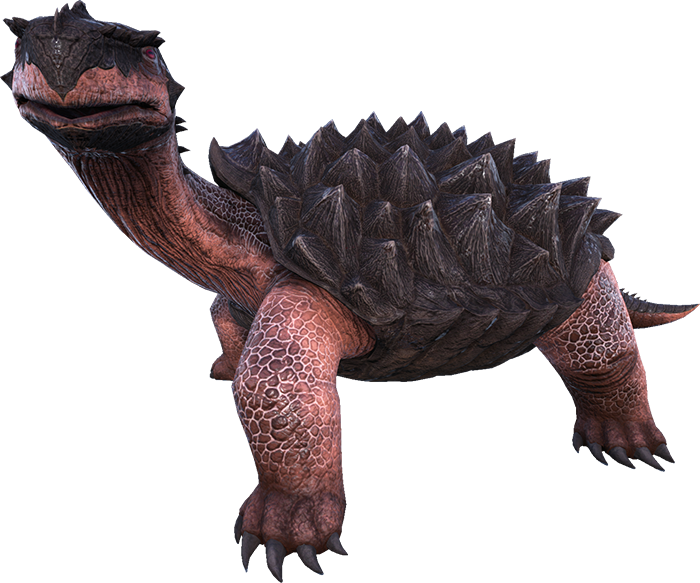
In the complex ecosystem of ARK: Survival Evolved, resource management and strategic planning are the cornerstones of progress. Whether you are navigating the early-game challenges of The Island or establishing a high-tech base in the endgame, understanding the underlying mechanics of creature interaction is essential. One of the most ubiquitous and technically significant creatures for a developing survivor is the Carbonemys. Known for its massive defensive shell and slow but steady movement, this creature serves as a foundational “tank” for many players. To successfully integrate this asset into your digital arsenal, you must understand its dietary requirements, the technical nuances of its taming process, and how to optimize its maintenance through software-driven gameplay mechanics.
The Mechanics of Taming: Data Inputs and Dietary Requirements
The taming process in ARK: Survival Evolved is essentially a resource-conversion mini-game governed by mathematical algorithms. Every creature has a “Taming Effectiveness” meter that determines the bonus levels it gains upon completion. For the Carbonemys, the input—specifically what it eats—is the primary variable that dictates the speed and efficiency of this conversion.
Understanding the Taming Efficiency Algorithm
In the game’s code, taming is triggered by reducing a creature’s “Torpidity” to the point of unconsciousness and then providing specific food items. Each time the Carbonemys eats, it gains a set amount of “Taming Progress.” However, different foods provide different amounts of progress. The higher the progress-per-bite, the fewer bites required, and the less the “Taming Effectiveness” decays over time. For the Carbonemys, optimizing this data loop requires high-tier consumables.
The Priority of Consumables: Kibble vs. Raw Vegetables
The Carbonemys is a herbivore, meaning its dietary inputs are limited to plant-based items. From a technical optimization standpoint, the hierarchy of food is as follows:
- Regular Kibble: This is the most efficient data input. It provides the highest amount of taming progress per bite, ensuring the creature retains nearly 100% of its potential bonus levels.
- Crops (Savoroot, Rockarrot, Citronal, Longrass): If kibble is unavailable, these “advanced” vegetables are the next best thing. They offer a significant boost over wild-foraged berries.
- Mejoberries: These are the most effective of the common berries found in the environment.
- Other Berries: Amarberries, Azulberries, and Tintoberries are the least efficient, requiring more time and significantly lowering the final level of the tamed creature.
The Carbonemys Data Profile: Performance Metrics and Utility
Once tamed, the Carbonemys ceases to be a wild entity and becomes a controllable asset. In technical terms, it is a mobile defensive platform. Understanding its stat distribution—specifically its Health and Oxygen metrics—allows players to utilize it as a specialized tool for both terrestrial and aquatic operations.
Defensive Capabilities: Analyzing the Damage Reduction Code
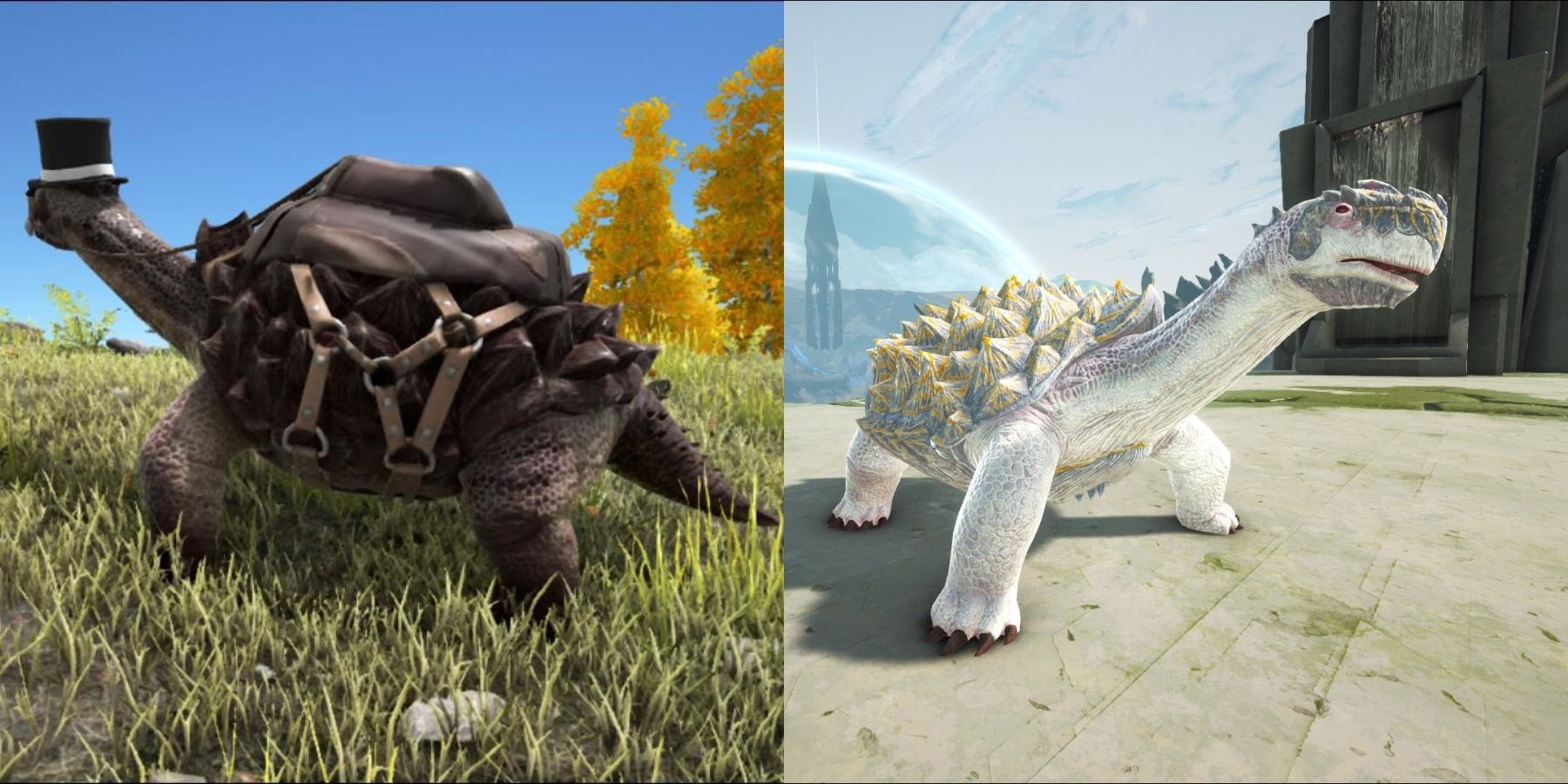
One of the most unique technical aspects of the Carbonemys is its passive damage reduction. The game’s engine treats the Carbonemys shell as a specialized collision box. Attacks that land on the shell receive a 50% reduction in damage, while attacks to the limbs and tail receive a lower reduction. This makes the “Turtle” an ideal choice for “soaking” automated defenses, such as Auto Turrets in PvP scenarios. By managing the creature’s positioning, players can force the game’s targeting AI to focus on the highest-resistance areas, effectively draining enemy resources with minimal loss to their own assets.
Strategic Integration in Early-Game Progress
From a workflow perspective, the Carbonemys is often the first “tank” a player acquires. It bridges the gap between the vulnerability of a new survivor and the security of a mid-tier base. Its high weight capacity (relative to its size) and aquatic mobility make it an excellent choice for transporting heavy materials across rivers or shallow seas. By investing points into its Health and Weight stats, you can maximize its utility as a logistical support unit.
Software Optimization and Technical Strategies for Efficiency
Maintaining a fleet of dinosaurs in ARK can be a logistical nightmare without proper systems in place. The Carbonemys, while low-maintenance compared to larger predators like the Rex, still requires a systematic approach to feeding and inventory management to prevent “starvation decay.”
Automated Feeding Systems and Inventory Management
To ensure your Carbonemys remains operational, you must leverage the “Feeding Trough” mechanic. The Feeding Trough is a localized area-of-effect (AoE) storage system that automatically distributes food to any tamed creature within its radius.
- The Math of Decay: In ARK, food items have a “Spoil Timer.” Putting berries in a Carbonemys’ inventory multiplies the spoil timer by 4. Putting them in a Feeding Trough provides a similar buff, but putting them in a Refrigerator (a mid-to-late game tech piece) multiplies it by 100.
- Logistics Optimization: For maximum efficiency, players should use a “Preserving Bin” or “Refrigerator” to store bulk vegetables and only move them to the Feeding Trough when active maintenance is required. This minimizes resource waste and ensures the Carbonemys always has access to high-quality inputs.
Managing the Hunger Stat: A Digital Balancing Act
Each Carbonemys has a “Food” stat that slowly depletes over time. When the stat reaches zero, the creature begins to lose “Health” until it dies. In a technical sense, the food stat is a battery that powers the creature’s existence. The speed at which this battery drains is affected by the creature’s activity level. A Carbonemys standing still in a base consumes far fewer calories than one being used to tank damage or transport heavy loads. Understanding this “consumption rate” allows players to plan long-term absences from the game without fearing the loss of their digital assets.
Comparative Analysis: Carbonemys vs. Other Early-Game Assets
In the broader context of the game’s software architecture, the Carbonemys exists alongside several other “starter” tames. To make an informed decision on whether to invest the time and resources into a Carbonemys, we must compare its technical specs to its peers, such as the Trike (Triceratops) and the Stego (Stegosaurus).
Scalability and Long-term Value in Large-Scale Bases
While the Trike offers better knockback and berry-gathering capabilities, the Carbonemys excels in its role as a “compact tank.” It has a smaller “hitbox,” making it easier to maneuver through narrow base corridors or dense forests. Furthermore, its ability to breathe underwater for extended periods gives it a technical edge in amphibious environments where the Trike would struggle. In large-scale base designs, the Carbonemys is often used as a “filler” defender—occupying small gaps where larger dinosaurs cannot fit, providing a layered defense-in-depth.
Technical Limitations of the Species AI
It is important to acknowledge the limitations. The Carbonemys has a very low base movement speed. In terms of pathfinding AI, it can often get stuck on small rocks or trees. For players looking for a fast-paced “scout” unit, the Carbonemys is a poor technical choice. Its value lies entirely in its durability and its low-cost maintenance. It is a “budget” solution for high-damage problems, providing a high return on investment (ROI) for players who understand how to manipulate its positioning and health pool.
Conclusion: Leveraging Simulation Data for Survival Success
Mastering the Carbonemys in ARK: Survival Evolved is more than just knowing what it eats; it is about understanding how it fits into the broader technical framework of the game’s survival simulation. By prioritizing high-efficiency inputs like Regular Kibble and Mejoberries, you optimize your taming time and maximize the creature’s starting stats. By understanding the damage reduction code of its shell, you turn a slow-moving herbivore into a vital piece of defensive hardware.
In the world of gaming as a tech discipline, every creature is a set of variables and every resource is a data point. The Carbonemys may appear to be a simple prehistoric turtle, but to the informed player, it is a robust, low-maintenance asset that provides essential utility throughout the game’s progression. Whether you are using it to soak turret fire in a high-stakes raid or simply using it as a reliable pack animal for your first coastal base, the Carbonemys remains one of the most technically sound investments a survivor can make. Success in ARK is determined by those who can best manage their digital resources—and the Carbonemys is a foundational piece of that management puzzle.
aViewFromTheCave is a participant in the Amazon Services LLC Associates Program, an affiliate advertising program designed to provide a means for sites to earn advertising fees by advertising and linking to Amazon.com. Amazon, the Amazon logo, AmazonSupply, and the AmazonSupply logo are trademarks of Amazon.com, Inc. or its affiliates. As an Amazon Associate we earn affiliate commissions from qualifying purchases.