
The seemingly simple question of the difference between tonic water and soda water often leads to confusion, particularly when considering their roles in beverages, especially those involving spirits. While both are carbonated water, their fundamental compositions, origins, and therefore, their applications, are distinctly different. Understanding these distinctions is not just a matter of trivia; it has implications for taste profiles, cocktail creation, and even dietary considerations. In the realm of beverages, precision matters, and knowing your carbonated waters is a key step in appreciating the nuances of a well-crafted drink.
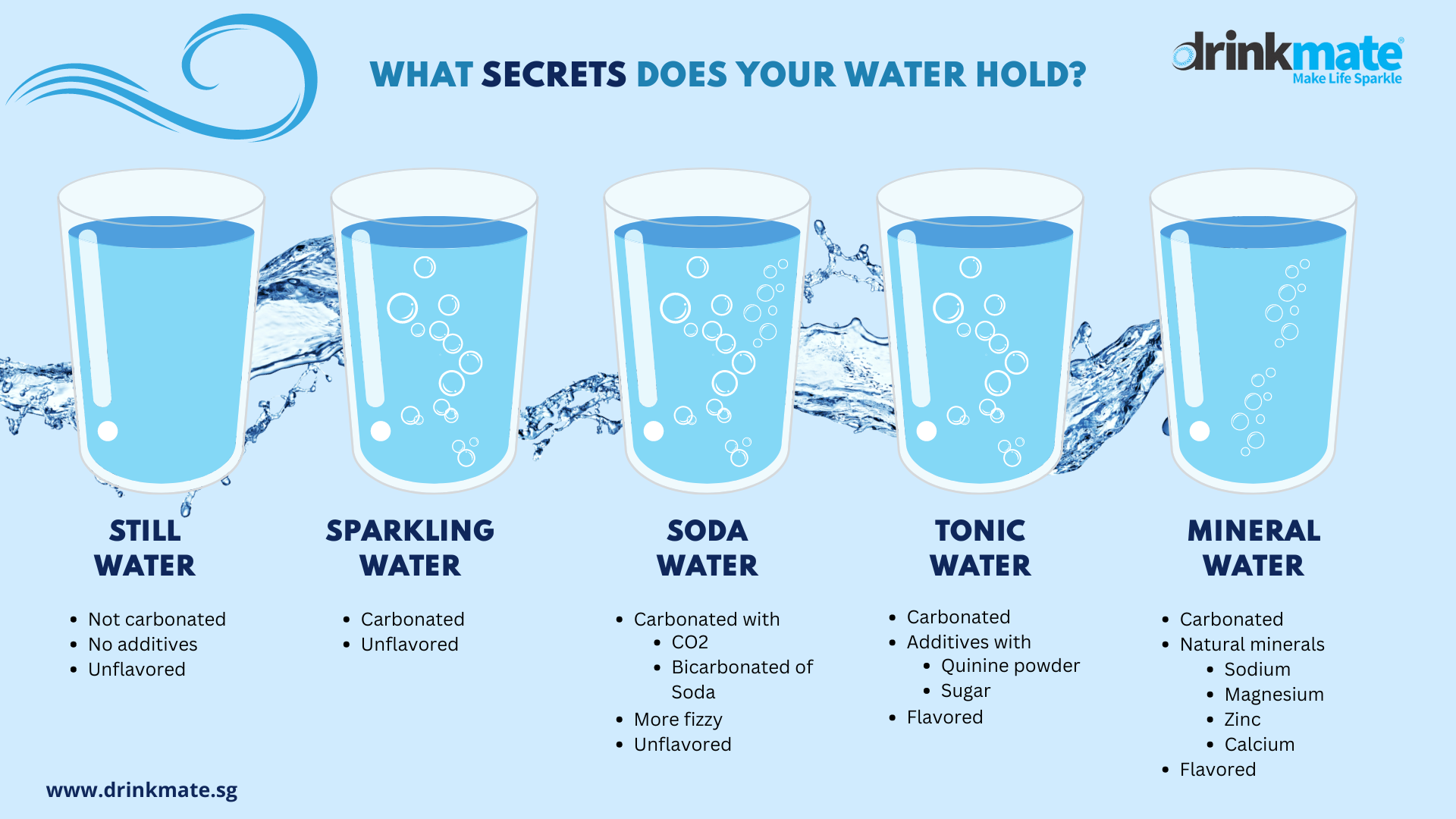
The core of the difference lies in their ingredients and the processes by which they are created. Soda water, a broad term encompassing several types of carbonated water, is essentially just water infused with carbon dioxide. Tonic water, on the other hand, is a much more complex concoction, historically designed for medicinal purposes and now primarily recognized for its distinct bitter flavor, which is derived from quinine. This foundational difference in formulation leads to a cascade of other distinctions that define their unique identities and uses.
The Genesis and Purpose of Soda Water
Soda water, often used interchangeably with terms like club soda or sparkling water (though with subtle technical differences), emerged from early attempts to replicate the natural carbonation found in mineral springs. The development of carbonation techniques in the 18th century by scientists like Joseph Priestley paved the way for creating artificial carbonated beverages. The primary goal was to create a neutral, refreshing, and effervescent base that could be enjoyed on its own or used as a mixer.
The Science of Carbonation: Creating Bubbles
At its heart, soda water is water (H₂O) that has had carbon dioxide (CO₂) gas dissolved into it under pressure. When the pressure is released, the dissolved CO₂ forms bubbles, creating the characteristic fizziness. This process is typically achieved through industrial carbonation machines that inject CO₂ into chilled water. The resulting beverage is clean-tasting, with no added sweeteners or flavorings, making it a versatile blank canvas for drinks.
Variations within the Soda Water Family
While the general principle is the same, the term “soda water” can sometimes encompass a few related beverages:
- Club Soda: Often, club soda is carbonated water that has had small amounts of mineral salts added, such as sodium bicarbonate and potassium sulfate. These additions are intended to mimic the taste of naturally carbonated mineral water and contribute to a slightly different mouthfeel and taste profile compared to plain carbonated water. However, the mineral content is usually so low that it doesn’t significantly alter the flavor.
- Sparkling Water: This term can be used broadly to refer to any naturally or artificially carbonated water. True sparkling mineral water, however, comes from a natural spring and contains dissolved minerals and naturally occurring carbon dioxide. When produced artificially, it’s essentially plain carbonated water.
The key takeaway is that the purpose of soda water, in its various forms, is to provide a neutral, effervescent base. It’s designed to add texture and volume to drinks without imparting a strong flavor of its own, allowing other ingredients to shine.
The Distinctive Character of Tonic Water
Tonic water’s story is a fascinating blend of history, medicine, and culinary innovation. Its defining characteristic, the bitter taste, is directly attributable to quinine, a compound extracted from the bark of the Cinchona tree. Originally, tonic water was developed in the 19th century by British colonial officers in India as a way to make the bitter medicinal quinine more palatable. Quinine was used as a preventative and treatment for malaria, a prevalent disease in tropical regions.
Quinine: The Bitter Heart of Tonic Water
Quinine is an alkaloid known for its distinctive bitter flavor. It has historically been recognized for its antimalarial properties, though its widespread use for this purpose has largely been superseded by more modern pharmaceuticals. In modern tonic water, the concentration of quinine is significantly reduced to a level that provides a noticeable bitter note without being overwhelmingly medicinal. This bitterness is precisely what differentiates tonic water from soda water and makes it a popular mixer.
Sweeteners and Flavorings: Enhancing the Palate
Beyond quinine, commercial tonic waters typically contain sweeteners (such as sugar, high-fructose corn syrup, or artificial sweeteners) and other flavorings, often citrus zest. These additions are crucial for balancing the bitterness of the quinine and creating a more complex and enjoyable beverage. The specific blend of sweeteners and flavorings can vary significantly between brands, leading to a wide spectrum of tonic water profiles, from very sweet and citrusy to drier and more subtly bitter.
The Therapeutic Origins and Modern Evolution
While its medicinal origins are undeniable, modern tonic water is rarely consumed for its therapeutic benefits. Its primary role has shifted to that of a sophisticated mixer. The bitterness of quinine, when balanced with sweetness and other flavors, interacts intriguingly with spirits, particularly gin, creating the classic G&T (Gin and Tonic). The carbonation adds effervescence, while the quinine’s bitterness provides a counterpoint to the spirit’s botanicals or sweetness, creating a layered and refreshing drinking experience.
Applications and Taste Profiles: Where They Shine
The fundamental differences in composition between tonic water and soda water dictate their respective roles in the culinary and beverage world. Their distinct taste profiles and textural contributions make them suitable for different applications.
Soda Water: The Versatile Neutralizer
Soda water’s primary strength lies in its neutrality. Its clean, effervescent quality makes it an ideal mixer for a wide array of drinks.
- Cocktails: It serves as a diluent and adds fizz to spirits like vodka, whiskey, and rum. When you want the flavor of the spirit to be the star, with just a touch of sparkle, soda water is the choice. For instance, a Vodka Soda is a minimalist cocktail where the spirit’s quality is paramount. A Whiskey Ginger is typically made with soda water and ginger ale, showcasing the whiskey’s character.
- Non-Alcoholic Beverages: It can be enjoyed on its own as a refreshing alternative to still water, especially for those who prefer a bit of fizz. It can also be used as a base for homemade sodas by adding fruit juices or syrups.
- Culinary Uses: Beyond drinks, soda water’s carbonation can be leveraged in cooking. The bubbles can help create a lighter, crispier batter for fried foods because the CO₂ expands when heated. It can also be used in some baking recipes to add lift.
The taste of soda water is essentially the taste of pure, slightly bubbly water. Any mineral notes are subtle and intended to enhance, not dominate, the flavor.
Tonic Water: The Sophisticated Companion
Tonic water, with its inherent bitterness and often accompanying sweetness, offers a more pronounced flavor profile that complements certain ingredients exceptionally well.
- The Gin and Tonic: This is arguably the most iconic pairing. The bitterness of quinine cuts through the botanicals in gin, creating a harmonious balance. The sweetness in the tonic water softens the gin’s edge, resulting in a refreshing and complex drink.
- Other Spirit Pairings: While gin is the classic partner, tonic water also pairs well with other spirits, particularly those with complex flavor profiles. Vodka, with its neutral base, allows the tonic’s flavors to stand out. White rum can also create an interesting contrast.
- Non-Alcoholic Applications: For those seeking a sophisticated non-alcoholic beverage, tonic water can be enjoyed on its own, especially premium varieties with subtle flavors. It can also be mixed with non-alcoholic spirits or various juices for a more complex soda.
- Unique Flavor Contribution: The bitterness of tonic water is not just a background note; it actively participates in the overall taste experience, adding a layer of complexity that soda water cannot provide. This bitterness can be particularly appealing to palates that enjoy slightly drier or more challenging flavor profiles.
The key difference in taste lies in the presence of quinine and often added sweeteners and flavorings in tonic water, leading to a distinctly bitter and sometimes sweet profile, whereas soda water remains neutral and purely carbonated.
Making Informed Choices: Beyond the Bubbles
When selecting between tonic water and soda water, the decision hinges on the desired outcome, whether it’s for a refreshing drink, a specific cocktail, or even a culinary experiment. Understanding their composition empowers consumers to make more informed choices that align with their preferences and intended uses.
The Importance of Ingredients and Dietary Considerations
For those mindful of their intake, the ingredient lists of both beverages are crucial.
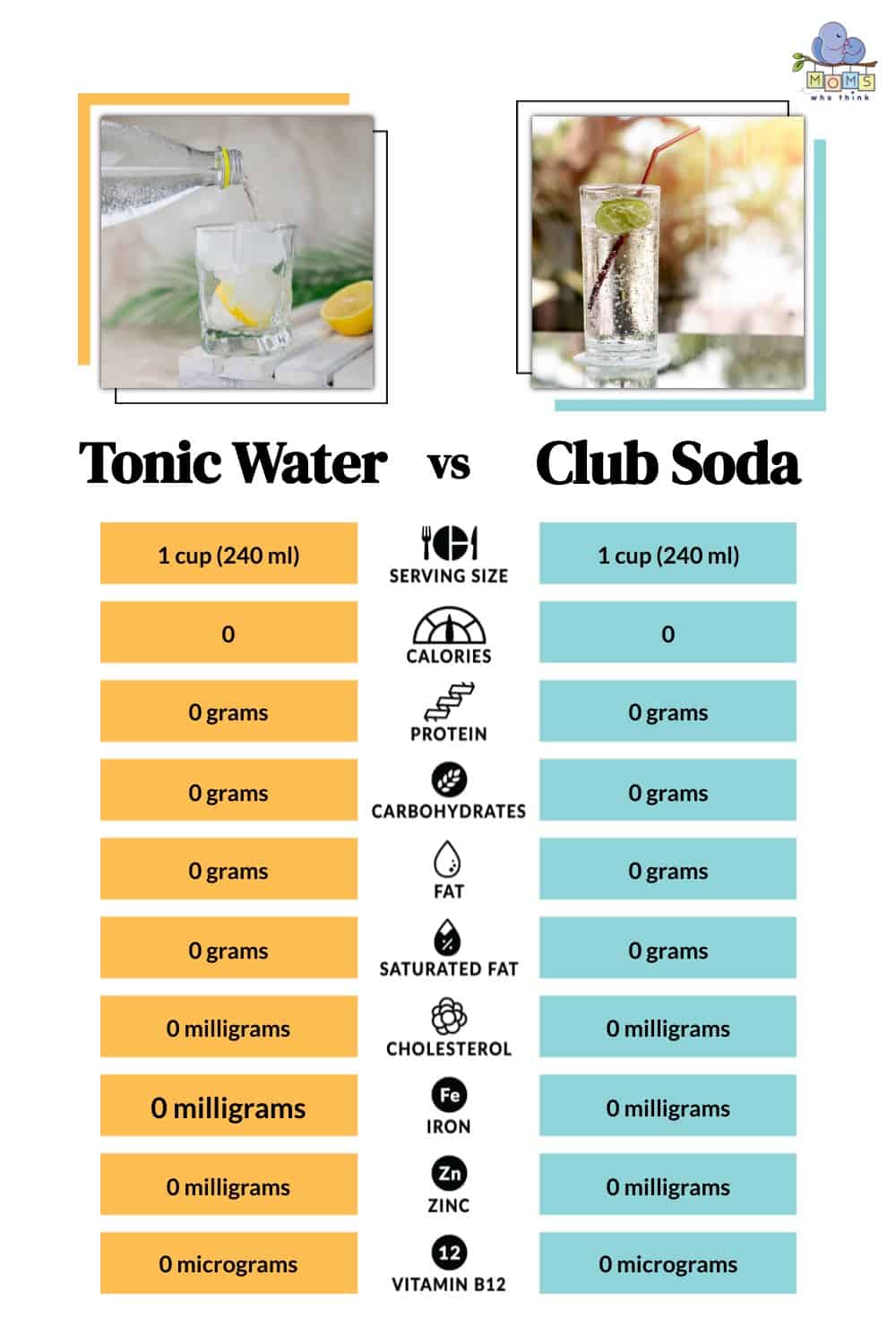
- Soda Water: Typically, soda water contains only water and carbon dioxide. Some versions might have trace amounts of added minerals. It is generally calorie-free and sugar-free, making it a healthy choice for hydration.
- Tonic Water: Standard tonic water often contains significant amounts of sugar or high-fructose corn syrup to balance the quinine’s bitterness. This can add a considerable number of calories and carbohydrates to the drink. Diet or “light” versions are available, using artificial sweeteners, which eliminate sugar and calories but introduce different taste profiles and potential concerns for some individuals. The presence of quinine is the defining ingredient, regardless of the sweetener used.
Therefore, for those seeking to limit sugar intake or calories, plain soda water is the clear winner. If opting for tonic water, checking labels for sugar content or choosing diet varieties is advisable.
The Role of Quality and Brand Variation
Just as with any food or beverage product, the quality and specific brand of tonic water or soda water can significantly impact the final taste experience.
- Soda Water Quality: While seemingly simple, the quality of the water used and the level of carbonation can vary. Some premium soda waters boast exceptionally clean taste profiles due to superior water sources and precise carbonation techniques.
- Tonic Water Diversity: The world of tonic water has expanded considerably, moving beyond basic offerings. There is a growing market for artisanal tonic waters, featuring unique botanical infusions, different levels of quinine bitterness, and varied sweetness profiles. These premium tonics can elevate a simple drink into a more nuanced sensory experience. For example, some tonics might emphasize citrus notes, while others might have a more herbaceous or floral character, offering a spectrum of flavors that can complement specific gins or other spirits.

Beyond the Mixer: Exploring Their Full Potential
While their roles as mixers are well-established, both tonic and soda water offer potential beyond the bar.
- Hydration and Health: As mentioned, soda water is an excellent choice for plain hydration with added fizz. Some studies suggest that carbonated water can offer benefits such as improved swallowing ability and relief from indigestion for some individuals, though this is not a universal effect.
- Culinary Creativity: Experimenting with tonic water in marinades or glazes can introduce a subtle bitterness that balances richness. Soda water’s leavening properties can be explored in a wider range of baked goods and batters.
In conclusion, the difference between tonic water and soda water is not merely semantic; it is rooted in their distinct ingredients, origins, and resulting flavor profiles. Soda water is a neutral, carbonated base, ideal for clean refreshment and versatile mixing. Tonic water, characterized by the bitter notes of quinine and often sweetened, offers a more complex flavor that is integral to specific cocktail creations and appreciated for its sophisticated palate. Understanding these distinctions empowers consumers to select the appropriate carbonated water for their needs, enhancing both their drinking and culinary experiences.
aViewFromTheCave is a participant in the Amazon Services LLC Associates Program, an affiliate advertising program designed to provide a means for sites to earn advertising fees by advertising and linking to Amazon.com. Amazon, the Amazon logo, AmazonSupply, and the AmazonSupply logo are trademarks of Amazon.com, Inc. or its affiliates. As an Amazon Associate we earn affiliate commissions from qualifying purchases.