
In the world of global entertainment, few names carry as much weight, versatility, and sheer marketability as John Cena. From his beginnings as “The Prototype” in developmental wrestling to becoming the “Face of the WWE” and eventually a Hollywood powerhouse, Cena’s trajectory is a masterclass in personal branding. However, a personal brand is not built solely on what a person says or the roles they play; it is equally constructed by the symbols they surround themselves with. For John Cena, his eclectic and massive car collection serves as a physical manifestation of his brand pillars: hustle, loyalty, respect, and an unwavering commitment to authenticity.
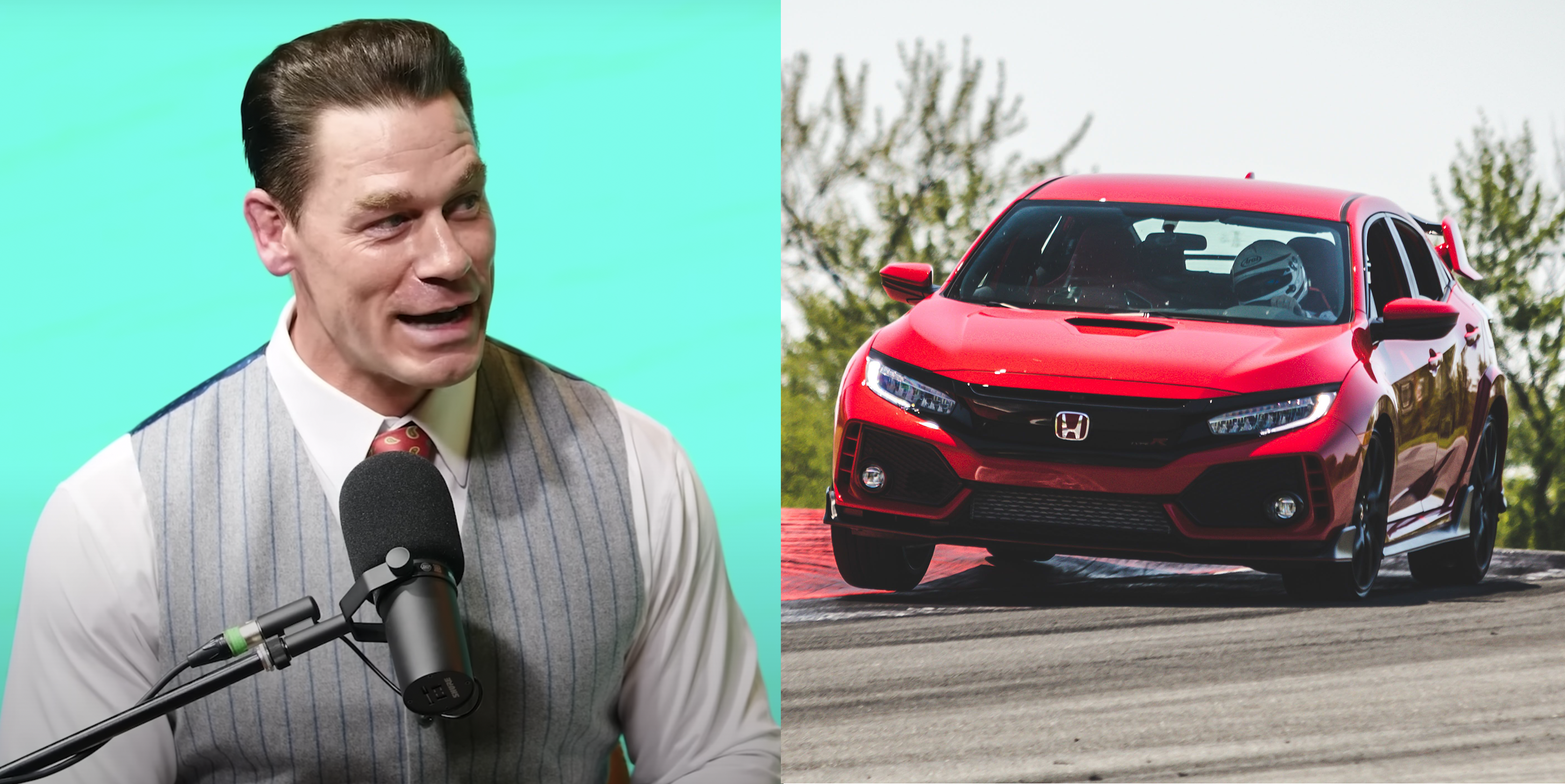
To ask “what car does John Cena drive” is to peel back the layers of a carefully curated public persona. His collection is not merely a display of wealth, but a narrative of his evolution. Each vehicle, from 1970s American muscle to modern Japanese engineering, tells a story of a man who understands the power of identity and the importance of brand alignment.
Building the “Hustle, Loyalty, Respect” Identity Through American Muscle
At the core of John Cena’s brand is a deep-seated connection to traditional American values. For over a decade, his WWE character was defined by a military-inspired aesthetic and a relentless work ethic. This “All-American” archetype is perfectly mirrored in his affinity for classic American muscle cars.
From Muscle Cars to Mainstream Appeal
Cena’s collection is anchored by legendary machines like the 1970 Plymouth Superbird, the 1969 Dodge Charger, and the 1970 Buick GSX. These aren’t just vehicles; they are cultural icons of power and resilience. By showcasing a preference for these cars, Cena aligns his brand with the “Golden Age” of American industry. This resonates deeply with a demographic that prizes strength and heritage. In the context of brand strategy, this is known as “associative positioning.” By being seen with a Superbird, Cena inherits the car’s reputation for being “loud, proud, and unapologetically powerful.”
Consistency and Authenticity in Brand Storytelling
What makes Cena’s brand so potent is its consistency. He doesn’t just buy these cars to store them in a climate-controlled vault; he understands their history. His “Auto Geek” series on YouTube was a brilliant branding move that transitioned him from a silent owner to an expert enthusiast. This transparency builds trust with his audience. When a brand leader shows genuine passion for their niche—in this case, automotive history—it reinforces the “Loyalty” aspect of his three-word mantra. He isn’t just a celebrity with a checkbook; he is a curator with a soul.
The Ford GT Controversy: A Case Study in Brand Integrity and Corporate Relations
Perhaps the most famous incident involving John Cena’s garage didn’t involve a race, but a legal battle. In 2017, Cena was selected as one of the few individuals permitted to purchase the liquid-blue Ford GT. The contract explicitly stated that the car could not be sold for at least two years. When Cena sold the car shortly after delivery, it sparked a high-profile lawsuit from the Ford Motor Company.
The Legal Battle and Corporate Perception
From a brand management perspective, the Ford GT saga was a rare moment of friction between two massive entities. Ford, a brand built on legacy and exclusivity, felt its brand equity was threatened by Cena’s “flip.” For Cena, the challenge was managing the fallout. A personal brand is a promise of behavior; when that behavior deviates from a contractual agreement, the brand can suffer a “reliability gap.” However, the way Cena handled the resolution—eventually settling with Ford and donating the proceeds to charity—showcases an advanced understanding of crisis management.
Managing Crisis in the Public Eye
Instead of allowing the narrative to be dictated by tabloid speculation, the resolution allowed Cena to pivot back to his “Respect” pillar. By turning a potential PR nightmare into a charitable contribution, he effectively neutralized the negative brand sentiment. This incident serves as a reminder that for a high-level personal brand, every asset (including a car) is a liability if it is not managed within the framework of corporate expectations and public perception.
Diversification of the Cena Portfolio: From Muscle to Modernity
As John Cena transitioned from the wrestling ring to the silver screen, his brand underwent a necessary “broadening.” To become a global movie star, he needed to move beyond the “muscle-bound wrestler” trope. His car collection reflects this shift, showing a more sophisticated, globalized, and versatile image.
The Shift from American Muscle to European Luxury
The inclusion of cars like the Rolls-Royce Phantom and the Lamborghini Countach in his collection signals a brand that is no longer geographically or culturally confined. The Rolls-Royce, in particular, speaks to “Executive Presence.” It tells the world that Cena is no longer just the “worker” but the “boss.” In brand strategy, this is “perceptual mapping”—moving a brand from one quadrant (Rugged/Individualistic) toward another (Sophisticated/Elite) without losing the original foundation.
How Utility Vehicles Reflect “The Face That Runs the Place”
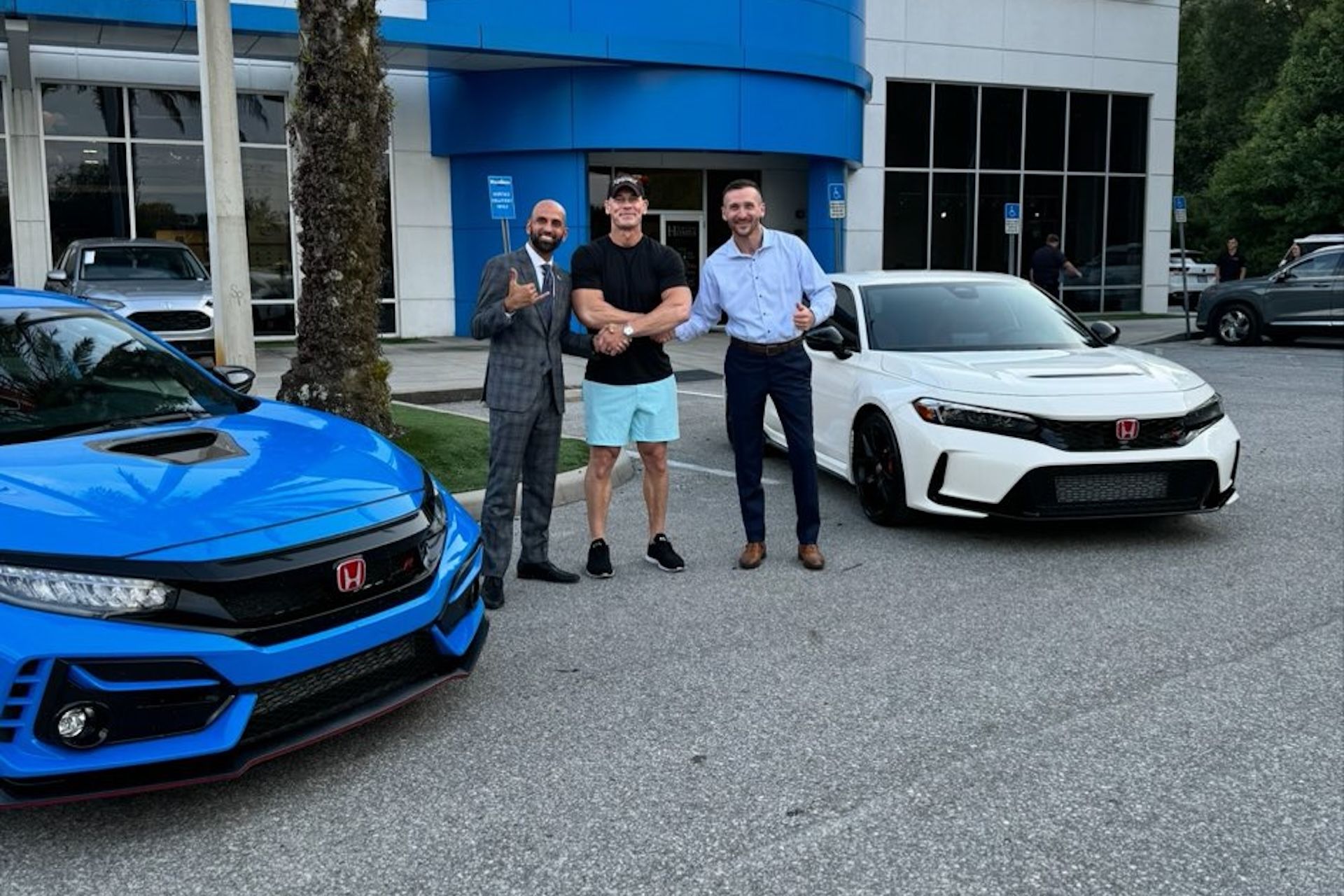
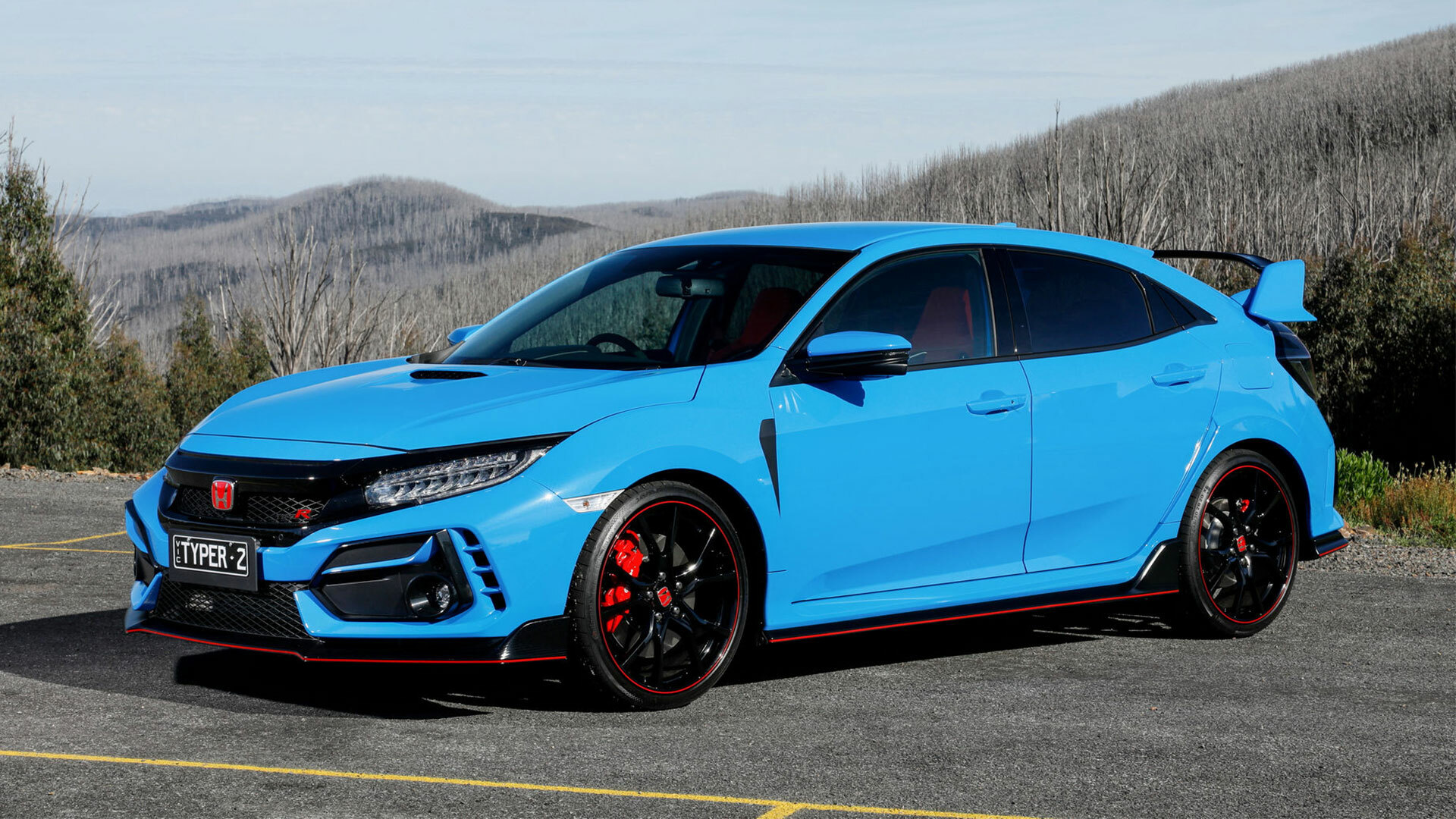
Interestingly, one of Cena’s most talked-about vehicles isn’t a supercar at all—it’s his daily-driven Honda Civic Type R. For a man worth millions, driving a Honda is a profound branding statement. It signals humility, practicality, and a “down-to-earth” nature. This creates a powerful “relatability factor.” While the Rolls-Royce establishes his status, the Civic Type R establishes his connection to the common man. This duality is the “holy grail” of personal branding: being aspirational yet accessible.
Car Selection as a Tool for Audience Engagement and Digital Strategy
In the digital age, a personal brand must be content-rich. John Cena has masterfully used his car collection as a vertical for digital engagement, allowing him to capture an audience that might not follow wrestling or movies but loves automotive engineering.
Content Creation and the “Auto Geek” Persona
By creating dedicated video content around his cars, Cena transitioned from a “subject” of media to a “creator” of media. This is a vital shift in brand longevity. When a celebrity controls the medium, they control the message. His “Auto Geek” persona allowed him to showcase a different side of his intellect—analytical, appreciative, and detailed. This adds “Brand Depth,” ensuring that he isn’t seen as a one-dimensional entertainer.
Leveraging Passion Projects for Brand Longevity
The cars serve as “hooks” for different demographics. A 1966 Dodge Hemi Charger appeals to Baby Boomers; a Honda Civic Type R appeals to Gen Z and Millennials; a custom-built “InCenator” appeals to those who value radical innovation. By diversifying his “fleet,” he is effectively diversifying his “audience touchpoints.” This is a strategic move to ensure that the John Cena brand remains relevant across various cultural and age-related segments.
Conclusion: The Symmetry Between Man and Machine
Ultimately, the question of what car John Cena drives is a question of brand identity. His garage is a physical resume of his career. The 1970s muscle cars represent his rugged beginnings and his commitment to the “American Dream.” The Ford GT represents the complexities of high-level corporate branding and the lessons of accountability. The European luxury cars represent his ascent to global stardom, and the humble Honda Civic Type R represents the grounded “everyman” who hasn’t forgotten his roots.
John Cena has built a brand that is as durable and high-performing as the engines he admires. By treating his car collection as an extension of his personal brand strategy, he has managed to create a narrative that is both cohesive and multifaceted. Whether he is behind the wheel of a classic Plymouth or a modern Ferrari, the message remains the same: the brand is built on quality, the brand is fueled by passion, and the brand is always moving forward. For anyone looking to build a personal or corporate identity, the “Cena Model” of using physical assets to reinforce brand values is an invaluable lesson in the art of modern marketing.
aViewFromTheCave is a participant in the Amazon Services LLC Associates Program, an affiliate advertising program designed to provide a means for sites to earn advertising fees by advertising and linking to Amazon.com. Amazon, the Amazon logo, AmazonSupply, and the AmazonSupply logo are trademarks of Amazon.com, Inc. or its affiliates. As an Amazon Associate we earn affiliate commissions from qualifying purchases.