
In the vibrant, ever-evolving landscape of modern video games, visual fidelity plays a paramount role in captivating players and crafting unforgettable experiences. Among the myriad graphical effects employed by developers, “bloom” stands out as a subtle yet incredibly powerful tool. Far from being a mere aesthetic flourish, bloom is a sophisticated post-processing effect that breathes life into digital worlds, influencing everything from atmospheric immersion to strategic gameplay. This article delves into the multifaceted role of bloom in games, exploring its technical underpinnings, its profound impact on design and player perception, and its surprisingly intricate connections to the broader themes of technology, brand, and money within the gaming industry.
The Luminous Touch: Understanding Bloom as a Visual Effect
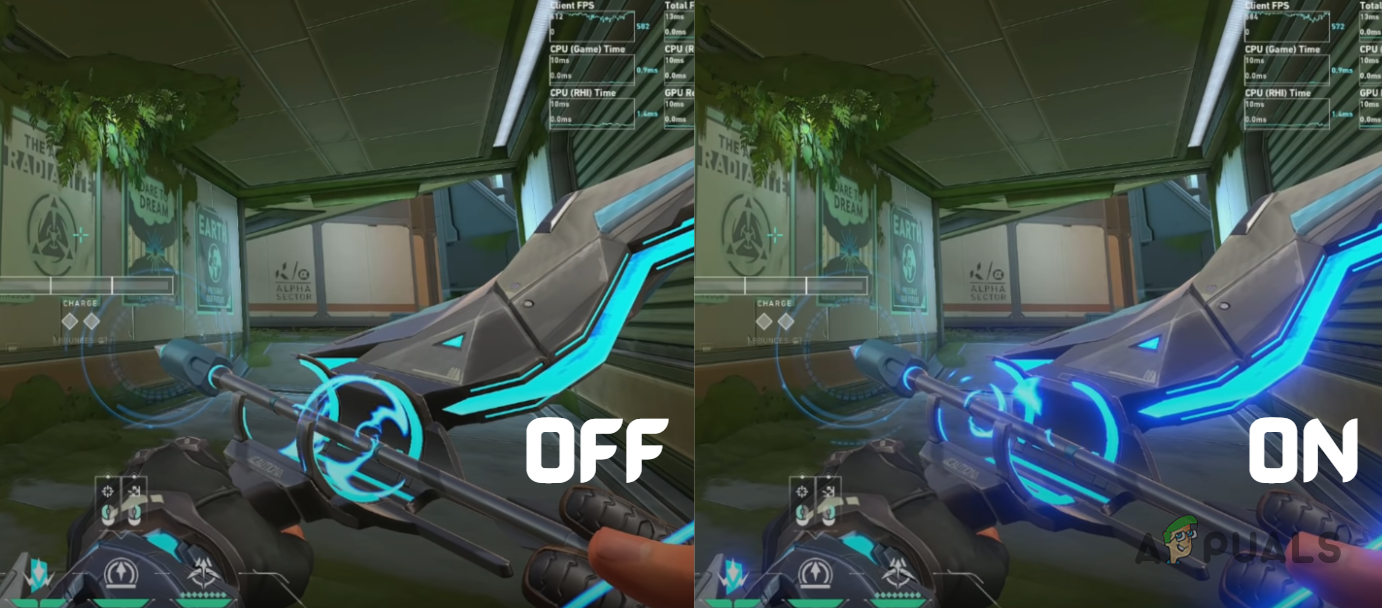
At its core, bloom is an optical phenomenon simulated in computer graphics to mimic the way extremely bright lights bleed into surrounding areas, creating a hazy halo or glow. Think of looking at a bright light source in a dark room, or how sunlight flares around the edges of clouds – that soft, luminous diffusion is what bloom attempts to replicate.
Defining the Glow: What is Bloom?
Technically, bloom is a post-processing effect, meaning it’s applied to the entire rendered image after all other elements (models, textures, lighting) have been drawn. It works by identifying the brightest parts of a scene, blurring them, and then adding this blurred, bright image back on top of the original. The result is an illusion of intense light sources that appear to radiate beyond their immediate boundaries, making them feel more vibrant and realistic. Without bloom, bright objects might appear flat or artificially constrained, lacking the visual punch that makes them stand out.
A Brief History of Luminous Pixels
While the concept of simulating light diffusion isn’t new, the widespread adoption of bloom in real-time computer graphics gained significant traction in the early 2000s. Games like Halo: Combat Evolved (2001) and Metroid Prime (2002) were early pioneers, utilizing bloom to great effect to enhance their science fiction aesthetics, making energy weapons glow menacingly and alien environments feel otherworldly. As graphics hardware advanced and programmable shaders became standard, bloom became an increasingly common and sophisticated effect, moving from a novel visual trick to an indispensable component of photorealistic and stylized rendering pipelines. Its evolution mirrors the broader trajectory of game technology, constantly pushing the boundaries of visual realism and artistic expression.
The Technical Underpinnings: How Bloom Works (Simplified)
For those interested in the ‘Tech’ aspect, the process of applying bloom typically involves several key steps:
- Thresholding: The first step is to identify pixels in the scene that are above a certain brightness threshold. Only these “super-bright” pixels will contribute to the bloom effect.
- Downsampling: The extracted bright image is then scaled down (downsampled) to a lower resolution. This makes the subsequent blurring process more efficient and creates a smoother, wider glow.
- Blurring: A blur filter, often a Gaussian blur, is applied to the downsampled image. This spreads the light out, creating the characteristic hazy effect.
- Upsampling & Composition: The blurred image is then scaled back up to the original resolution and added (or “composited”) back onto the original rendered scene.
- Parameters: Developers can control various parameters, such as the threshold intensity, the strength of the blur, and the color tint of the bloom, allowing for fine-tuned artistic control over the final look.
Modern implementations can be significantly more complex, involving multiple blur passes, adaptive thresholds, and integration with physically based rendering (PBR) pipelines to ensure light interacts more realistically with materials. This continuous refinement in techniques reflects the ongoing quest in game technology to achieve ever-greater visual fidelity and immersion.
Beyond Aesthetics: Bloom’s Strategic Impact on Game Design and Player Experience
While bloom is undeniably a visual effect, its purpose extends far beyond mere prettiness. It’s a potent tool that game designers wield to profoundly influence player perception, mood, and even gameplay itself.
Crafting Atmosphere and Immersion
One of bloom’s primary roles is in shaping the atmosphere and mood of a game. A subtle application of bloom can lend a cinematic quality to a scene, softening harsh edges and creating a dreamlike or ethereal feel. In contrast, an aggressive bloom effect can convey intense heat, blinding light, or a sense of overwhelming power.
- Sci-Fi Settings: Energy weapons, futuristic cities, and alien technology often benefit from bloom to emphasize their advanced, glowing nature.
- Fantasy Worlds: Magical spells, enchanted artifacts, and celestial bodies can appear more mystical and powerful when imbued with a soft, ethereal glow.
- Horror Games: While less intuitive, bloom can be used subtly in horror to enhance the eerie glow of a distant light source, creating a sense of dread or isolation.
- Realistic Simulations: Even in games striving for realism, bloom can mimic the natural optical effects of intense light, making sunsets more breathtaking or car headlights more dazzling.
By skillfully adjusting bloom’s intensity and color, developers can evoke specific emotional responses, from wonder and awe to tension and claustrophobia, thus deepening player immersion.
Guiding the Player’s Eye and Enhancing Gameplay
Beyond atmosphere, bloom serves a practical purpose in gameplay by visually emphasizing important elements. A glowing power-up, a shimmering objective marker, or the blinding muzzle flash of an enemy weapon all draw the player’s attention more effectively with the addition of bloom.
- Highlighting Interactables: Bloom can be used to make interactable objects or crucial clues stand out against busy backgrounds, guiding the player’s progression.
- Visual Feedback: When a player successfully lands a critical hit or activates a powerful ability, a burst of bloom can provide satisfying visual feedback, reinforcing the impact of their actions.
- Environmental Storytelling: A room bathed in the soft glow of a magical artifact or the harsh glare of a broken generator tells a story about its history and significance, often without a single word of dialogue.
In essence, bloom acts as a visual signpost, helping players quickly process information and make decisions, contributing to a more intuitive and engaging gameplay experience.
The Double-Edged Sword: Performance and Overuse

Despite its benefits, bloom is not without its drawbacks. As a post-processing effect, it consumes computational resources. While modern GPUs handle it with relative ease, excessive or poorly optimized bloom can still impact performance, especially on lower-end hardware. Developers must carefully balance visual ambition with performance considerations to ensure a smooth framerate.
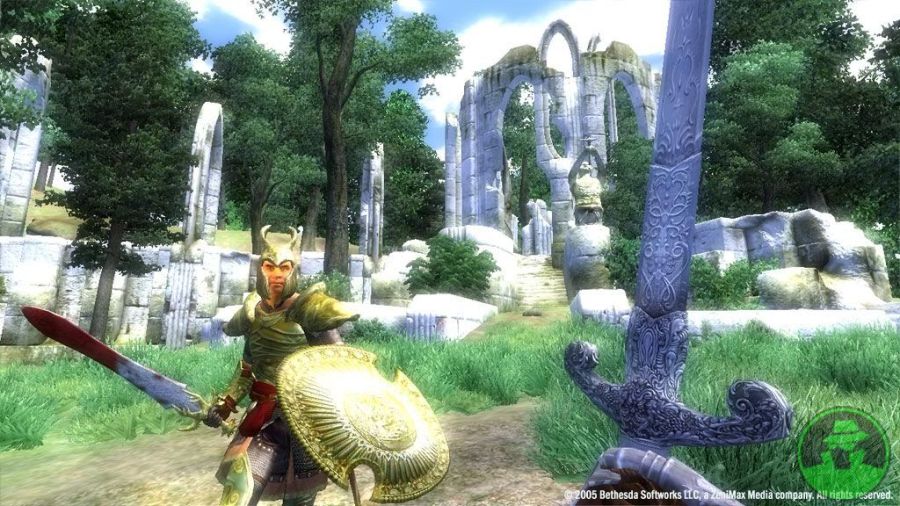
Furthermore, there’s the risk of overuse. Too much bloom can wash out details, make scenes appear overly hazy, or even become visually fatiguing. The infamous “bloom and blur” era of the mid-2000s saw many games excessively rely on these effects, leading to a visual style that sometimes sacrificed clarity for exaggerated glow. The key lies in judicious application – using bloom as a seasoning, not the main ingredient, to enhance rather than obscure the underlying art.
Bloom and the Business of Gaming: Tech, Brand, and Monetization
The decision to implement and fine-tune effects like bloom is not purely an artistic or technical one; it has significant implications for a game’s brand, its market appeal, and ultimately, its financial success.
Elevating Game Brand Identity Through Visuals
In a fiercely competitive market, a game’s visual identity is a critical component of its brand. Bloom, when used thoughtfully, contributes significantly to this. A game known for its stunning vistas, magical effects, or gritty cyberpunk aesthetic often leverages bloom to reinforce that visual signature.
- Distinctive Art Style: Specific bloom parameters (e.g., a warm, strong bloom for a fantasy game; a subtle, cool bloom for sci-fi) become part of a game’s recognizable look, helping it stand out in promotional materials and in the minds of players.
- Marketing and Promotion: High-quality bloom effects are often prominently featured in trailers, screenshots, and gameplay demos. A visually striking game, partly thanks to well-implemented bloom, is more likely to garner attention, generate hype, and attract pre-orders. It’s a direct way for a studio to showcase its technical prowess and artistic vision, building its ‘Brand’ reputation.
- Franchise Consistency: For established franchises, maintaining a consistent visual language, including bloom’s application, helps reinforce brand recognition across multiple titles, reassuring fans of a familiar and evolving quality.
A developer’s ability to consistently deliver high-quality visual experiences through effects like bloom can become a hallmark of their brand, influencing player expectations and loyalty.
The Technology Investment: Development Costs and Hardware Demands
From a ‘Tech’ and ‘Money’ perspective, implementing bloom involves a direct investment. Developing and optimizing bloom shaders requires skilled technical artists and graphics programmers. The integration into complex rendering pipelines, especially with advanced techniques like HDR (High Dynamic Range) rendering, can be time-consuming and costly.
Moreover, the decision to push the boundaries with graphics effects like bloom influences the target hardware specifications for a game. While bloom itself is generally not the most demanding effect, cumulative advanced graphics often drive the need for more powerful GPUs. This creates a fascinating cycle:
- Developers use cutting-edge tech (including advanced bloom) to make visually stunning games.
- Gamers desire these visually stunning games.
- Hardware manufacturers release more powerful GPUs to run these games.
- Gamers spend ‘Money’ on new hardware to keep up.
This interdependence highlights how a seemingly small visual effect contributes to the economic ecosystem of the gaming industry, influencing consumer spending on both software and hardware.
A Return on Investment: Attracting Players and Driving Sales
Ultimately, the investment in visual effects like bloom is made with an eye on the bottom line. A game that looks exceptional is often perceived as a higher-quality product, which can translate into greater sales and broader appeal.
- First Impressions: In an era of streaming and YouTube reviews, the visual impact of a game’s first few minutes can be crucial. Bloom contributes to this initial wow factor.
- Player Satisfaction & Retention: A beautiful, immersive world enhanced by effects like bloom keeps players engaged for longer, leading to positive word-of-mouth, which is invaluable free marketing.
- Monetization Potential: While bloom doesn’t directly monetize, it supports the overall appeal of a game. A game with a strong visual identity and high production values is more likely to attract players willing to purchase cosmetic items, DLCs, or season passes – all avenues of monetization. The emotional connection fostered by a visually compelling game can translate into a willingness to invest further.
Therefore, the financial decision to invest in sophisticated graphical effects, including bloom, is often seen as a strategic choice that enhances market competitiveness, strengthens brand perception, and ultimately drives revenue.
The Future of Radiance: Evolving Bloom Techniques and Trends
The journey of bloom is far from over. As graphics technology continues its relentless march forward, bloom effects are becoming even more sophisticated and integrated.
Ray Tracing and the Next Generation of Lighting Effects
The advent of ray tracing, a revolutionary rendering technique that simulates light paths more realistically, is significantly impacting how bloom and other lighting effects are achieved. Instead of relying on screen-space post-processing, future bloom might be more intrinsically linked to physically accurate light scattering within ray-traced environments. This promises even more natural and dynamic glow effects, reacting authentically to light sources and material properties, rather than being an overlaid illusion. This represents a significant leap forward in the ‘Tech’ side of game development.
Artistic Control and Dynamic Bloom
Developers are gaining finer control over bloom, allowing for dynamic adjustments based on gameplay context. Imagine bloom intensifying as a player enters a brightly lit area or as a magical spell reaches its crescendo. This dynamic control moves bloom from a static visual layer to an interactive element that enhances real-time gameplay feedback and narrative moments. The trend is towards making bloom not just visually pleasing, but also an active participant in player experience and storytelling.
The Enduring Appeal of the Perfect Glow
From its humble beginnings as a way to make bright lights pop, bloom has matured into an essential component of game development. It’s a testament to how seemingly small technical details can have a profound impact on artistic expression, player engagement, and commercial success. As the gaming industry continues to innovate, bloom will undoubtedly evolve alongside it, ensuring that digital worlds remain vibrant, immersive, and, above all, luminous. Its enduring appeal lies in its ability to add that magical, undefinable “glow” that makes virtual realities feel just a little bit more real, a little bit more alive, and a lot more memorable.
aViewFromTheCave is a participant in the Amazon Services LLC Associates Program, an affiliate advertising program designed to provide a means for sites to earn advertising fees by advertising and linking to Amazon.com. Amazon, the Amazon logo, AmazonSupply, and the AmazonSupply logo are trademarks of Amazon.com, Inc. or its affiliates. As an Amazon Associate we earn affiliate commissions from qualifying purchases.