
Bronze, an alloy synonymous with ancient civilizations, legendary sculptures, and the very dawn of human technological advancement, holds a fascination that transcends its historical origins. More than just a blend of metals, it represents a pivotal moment in material science, laying the groundwork for countless innovations that continue to shape our world. While the fundamental question of “what metals make bronze” can be answered with a concise formula, its implications stretch far beyond, touching upon critical aspects of modern technology, strategic branding, and complex financial markets. This article delves into the composition of bronze, exploring its enduring legacy and surprisingly relevant connections within today’s dynamic landscape of tech, brand, and money.
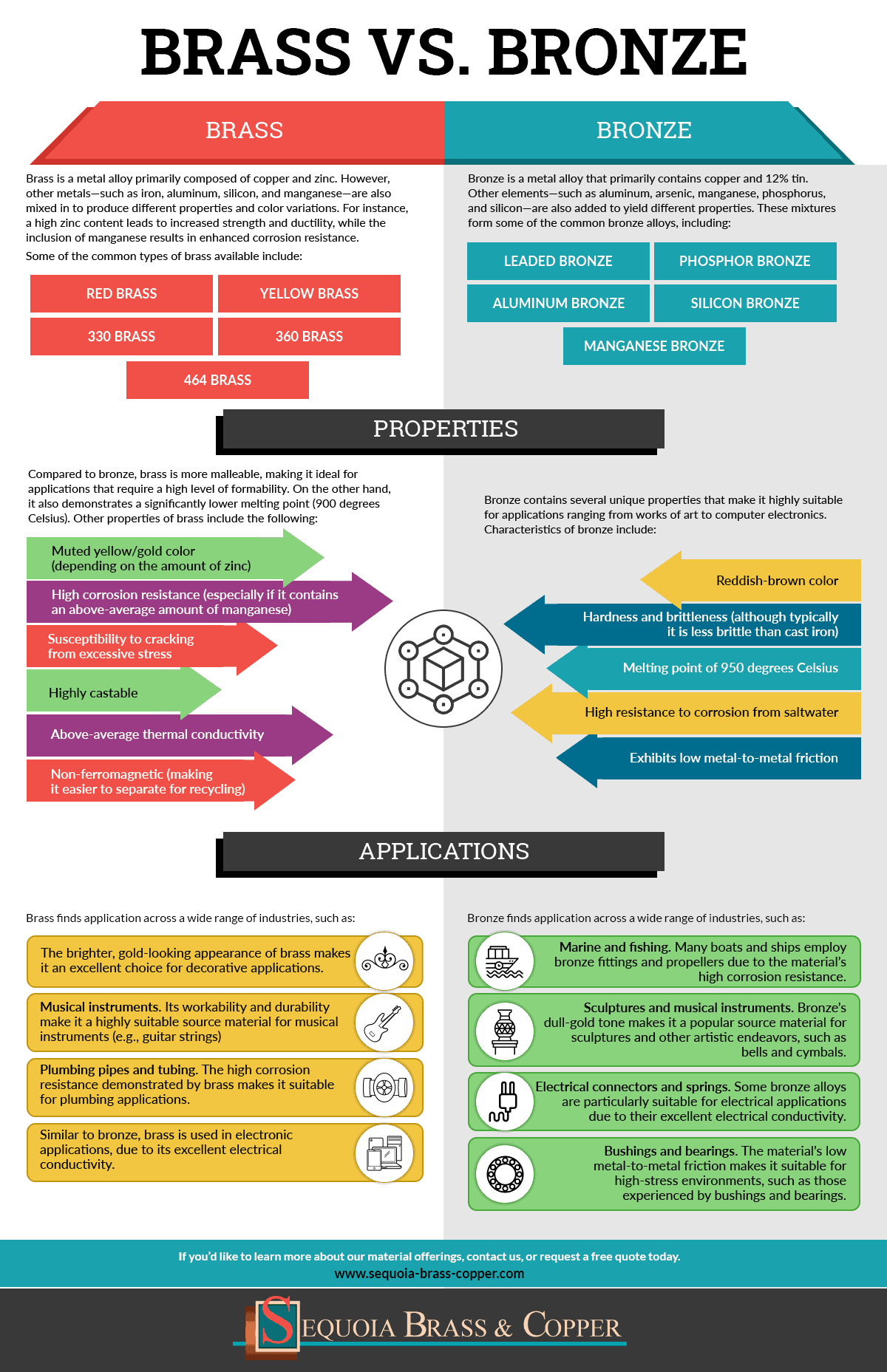
At its core, bronze is primarily an alloy of copper, usually with tin as the main additive. However, the term “bronze” has evolved to encompass a wider range of copper alloys, often incorporating other elements like zinc, manganese, or aluminum, each imparting unique properties. From the sturdy tools of the Bronze Age to intricate electrical components and prestigious works of art, the adaptability of bronze has ensured its place in human history and its continued importance in various industries. Understanding its constituent metals is merely the first step in appreciating its profound impact, an impact that resonates deeply within the spheres of cutting-edge technology, sophisticated brand strategies, and the intricate economics of material wealth.
The Core Components: Copper, Tin, and Beyond
The magic of bronze lies in the synergistic properties of its constituent metals. While copper alone is a versatile metal, its alliance with other elements, particularly tin, unlocks a new realm of strength, durability, and workability. This fundamental combination laid the groundwork for the Bronze Age, transforming human capabilities and societal structures. Yet, the story doesn’t end there; variations and additions to this basic formula have continued to expand the utility and relevance of bronze alloys into the modern era.
The Elemental Foundation: Copper’s Versatility
Copper (Cu) is the primary component of bronze, typically making up around 88-95% of the alloy. It is a reddish-orange metal known for its excellent thermal and electrical conductivity, malleability, and ductility. Historically, copper was one of the first metals to be extracted and worked by humans, leading to the Copper Age before the advent of bronze. Its natural abundance and ease of working made it invaluable for early tools, weapons, and ornamentation.
In modern times, copper’s inherent properties make it indispensable across a multitude of industries. Its superb electrical conductivity is foundational to the tech sector, forming the backbone of wiring, circuits, and electronic components in everything from smartphones and computers to renewable energy systems. The telecommunications industry relies heavily on copper for data transmission, while its thermal conductivity is crucial for heat sinks and exchange systems. Beyond its electrical and thermal prowess, copper’s corrosion resistance and antimicrobial properties make it suitable for plumbing, medical equipment, and even architectural applications. This ubiquitous metal, therefore, serves not only as the base for bronze but also as a critical raw material driving innovation and infrastructure in the digital age, a true testament to its enduring technological significance.
The Alloying Agent: Tin’s Role in Strength
Tin (Sn) is the traditional and most common alloying element in bronze, typically present in concentrations ranging from 5% to 12%. Adding tin to copper fundamentally changes the properties of the resulting alloy. While copper is relatively soft and ductile, tin is also a soft, silvery-white metal. However, when combined, tin acts as a hardening agent, significantly increasing the strength, rigidity, and casting properties of copper. This makes bronze much harder and more durable than pure copper, capable of holding a sharper edge for tools and weapons, and less prone to deformation.
The addition of tin also lowers the melting point of the alloy compared to pure copper, making it easier to cast into complex shapes. This was a monumental advantage for ancient metalworkers, enabling the production of intricate sculptures, sophisticated tools, and robust weaponry that would have been impossible with copper alone. The enhanced wear resistance of tin bronze also contributed to its longevity in applications like bearings and gears.
Beyond copper and tin, a diverse array of other elements can be added to bronze to tailor its properties for specific applications. For instance:
- Aluminum: Forms aluminum bronze, known for its exceptional strength, corrosion resistance (especially in marine environments), and attractive golden color. Used in propellers, industrial valves, and architectural elements.
- Manganese: In manganese bronze, it enhances strength, hardness, and corrosion resistance, often used in marine components and heavy-duty machinery.
- Nickel: Improves strength, toughness, and corrosion resistance, particularly at elevated temperatures.
- Zinc: Often found in leaded bronzes, zinc can improve fluidity for casting and reduce hot tearing. In small amounts, it can also lighten the color.
- Lead: While increasingly phased out due to environmental concerns, leaded bronzes were historically prized for their excellent machinability and self-lubricating properties, making them ideal for bearings and bushings.
These diverse compositions highlight how the ancient principle of alloying continues to drive material science, demonstrating that the term “bronze” represents not just a single material but a family of sophisticated alloys, each engineered for a particular purpose. The careful selection and precise combination of these metals underscore the blend of art and science that defines metallurgy, past and present.
From Ancient Forges to Digital Foundries: Bronze in the Age of Tech
The story of bronze began in primitive forges, fueled by charcoal and human ingenuity. Today, the principles of metallurgy intersect with the cutting edge of technology, transforming how materials are designed, produced, and utilized. Bronze, far from being a relic, remains a fascinating case study in material science innovation, showcasing how ancient knowledge can inform and inspire advancements in the digital age. From computational design to advanced manufacturing, the spirit of material exploration embodied by bronze continues to drive technological progress.
Material Science Innovation: Beyond Traditional Bronze
Modern material science has taken the concept of bronze far beyond its traditional copper-tin formulation, developing advanced alloys with tailored properties for highly specialized technological applications. For instance, beryllium bronze (copper alloyed with beryllium) stands out for its exceptional strength, hardness, conductivity, and non-sparking properties, making it invaluable for tools used in hazardous environments (e.g., oil rigs, chemical plants) and for high-performance electrical connectors. Similarly, phosphor bronze (copper with tin and a small amount of phosphorus) offers superior strength, elasticity, and fatigue resistance, essential for springs, bearings, and critical electrical components where durability and precision are paramount.
The development of these advanced bronzes is increasingly driven by computational materials science and artificial intelligence (AI). Researchers use sophisticated simulation software and machine learning algorithms to predict the properties of new alloy compositions before they are even synthesized. This significantly accelerates the discovery process, allowing engineers to design materials with specific characteristics – whether for extreme temperatures, high pressures, or enhanced conductivity – with unprecedented efficiency. AI can analyze vast datasets of material properties, identifying non-obvious relationships between elemental composition, microstructure, and performance, leading to the creation of alloys optimized for novel tech applications, from aerospace components to advanced medical devices.

Furthermore, the advent of additive manufacturing (3D printing) has opened new frontiers for metal alloys, including bronze. While 3D printing with pure copper can be challenging due to its high reflectivity, specialized bronze powders can be used to create complex geometries and customized parts. This technology enables the production of lightweight, high-performance components with intricate internal structures that would be impossible to achieve with traditional casting or machining. From custom-designed heat exchangers to unique artistic applications, 3D printing of bronze components bridges ancient craftsmanship with futuristic production methods. The emphasis on recycling and sustainable practices in metal production also benefits from technological advancements, with AI-driven sorting and processing systems improving efficiency and reducing the environmental footprint of metal manufacturing, ensuring that valuable resources like copper and tin can be reused indefinitely.
Digital Security and Preservation: Safeguarding Bronze Heritage
The longevity and historical significance of bronze artifacts present unique challenges and opportunities for digital security and preservation. Ancient bronze statues, tools, and decorative items are irreplaceable cultural treasures, vulnerable to degradation, theft, and natural disasters. Technology now offers powerful tools to protect and preserve this heritage, intertwining digital security with material preservation.
Digital scanning and 3D modeling are revolutionizing the way historical bronze artifacts are documented and studied. High-resolution laser scanners and photogrammetry techniques can create precise digital replicas of objects, capturing every detail of their form, texture, and even damage. These 3D models serve multiple purposes: they provide a permanent digital archive, allowing researchers worldwide to study artifacts without physical contact; they can be used for virtual reality exhibitions, making ancient bronze accessible to a global audience; and they provide an invaluable record for restoration efforts or if an artifact is damaged or lost. These digital assets themselves require robust digital security measures, including secure cloud storage, encryption, and access controls, to prevent unauthorized alteration or theft of valuable data.
Beyond documentation, technology plays a role in tracking provenance and ensuring the authenticity of valuable metal objects. Blockchain technology, for instance, is increasingly being explored to create immutable digital ledgers that record the entire lifecycle of precious metals and artifacts. For newly crafted bronze art or high-value industrial bronze components, a blockchain could track its origin, manufacturing process, ownership transfers, and even maintenance history. This provides an unprecedented level of transparency and verifiable proof of authenticity, combating counterfeiting and illegal trade in cultural heritage items. The use of AI for material degradation analysis is also emerging, where algorithms can analyze images and sensor data from bronze artifacts to detect early signs of corrosion or structural weakness, allowing conservators to intervene proactively and prevent irreversible damage. These technological applications not only enhance the physical preservation of bronze but also fortify the digital safeguards around its legacy, ensuring its stories and value endure for future generations.
The Midas Touch: Branding, Value, and the Economics of Bronze
Bronze’s journey from elemental components to technological marvels would be incomplete without examining its profound impact on branding, perceived value, and the broader economics of materials. The very word “bronze” carries connotations of strength, longevity, and achievement, shaping its role in modern marketing and influencing its market value. From the symbolic weight of an Olympic medal to the investment strategies surrounding its constituent metals, bronze offers a compelling case study in how materials acquire cultural, economic, and brand significance.
The Brand of Bronze: Legacy, Prestige, and Marketing
Bronze, through millennia of human interaction, has cultivated a powerful “brand” image. It is more than just an alloy; it is a symbol. The Bronze Age itself denotes a period of significant human progress, associating the material with innovation and the overcoming of challenges. This historical narrative lends immediate credibility and a sense of timelessness to anything associated with bronze. The most iconic modern example of bronze’s symbolic power is undoubtedly its use in Olympic medals. While gold signifies first place and silver second, bronze represents third, embodying resilience, hard-won achievement, and the spirit of competition. This consistent association across global sporting events powerfully reinforces its brand as a mark of genuine accomplishment.
In product branding, marketers frequently leverage the inherent qualities of bronze. Phrases like “crafted with bronze-age precision,” “the durability of bronze,” or “patina of ages” evoke a sense of quality, robustness, and heritage. Brands specializing in high-end consumer goods, luxury items, or durable equipment might use bronze components or finishes to signify superior build quality and lasting value. The aesthetic appeal of bronze, with its warm hues and natural patina, also plays a significant role in brand identity in art and sculpture. Bronze statues, for example, are considered timeless investments, their material composition itself communicating artistic permanence and prestige. Architects and designers choose bronze for elements that require both aesthetic appeal and extreme longevity, such as plaques, door handles, or decorative facades, further embedding its brand as a material of enduring elegance and strength. The marketing strategies around these products often emphasize craftsmanship, tradition, and the long-term value inherent in the material, appealing to consumers who prioritize legacy and sustainability.
The Market Dynamics: Investing in Metals and Materials
The economic significance of bronze extends directly to the commodity markets of its primary constituent metals: copper and tin. These are globally traded commodities, with their prices fluctuating based on supply and demand, geopolitical events, industrial production levels, and investment sentiment. Copper, often referred to as “Dr. Copper” for its perceived ability to predict economic health, is a bellwether for global manufacturing and construction activity. Its demand is inextricably linked to technological advancement, renewable energy infrastructure, and urbanization. Tin, though consumed in smaller quantities, is critical for solder in electronics, showcasing its vital role in the tech supply chain.
For investors, these metals represent tangible assets whose value can hedge against inflation or diversify a portfolio. Investment opportunities arise not only in direct commodity trading but also in the stocks of mining companies, material science firms, and manufacturers that utilize or develop advanced alloys. The economic impact of material innovations, like new bronze alloys that are stronger, lighter, or more conductive, can be substantial, driving new industries and market segments. Businesses heavily reliant on these metals must navigate the complexities of commodity pricing, supply chain resilience, and geopolitical stability to manage costs and ensure consistent production.
Furthermore, the principles of scarcity and value significantly influence business strategies. The finite nature of raw materials means that their availability and cost directly impact profitability and product development. This drives innovation in recycling technologies and the search for alternative materials, but also solidifies the long-term value proposition of established metals like copper and tin. For individuals, opportunities for online income and side hustles can even emerge in niche markets related to metalwork, bespoke bronze art, or the specialized sale of recycled metals. Whether through large-scale investment funds or small-scale artisanal ventures, the economic currents surrounding the metals that make bronze demonstrate a vibrant interplay between material science, global markets, and strategic financial planning.

Conclusion: Bronze – A Timeless Alloy in a Modern World
The simple question, “what metals make bronze,” unveils a rich tapestry woven from history, science, art, economics, and cutting-edge technology. Bronze, at its elemental core, is an alloy primarily of copper and tin, a combination that sparked human civilization’s first great material revolution. Yet, its story is far from confined to the annals of antiquity.
In the modern era, bronze continues to evolve, propelled by advancements in material science, computational design, and additive manufacturing. From high-performance beryllium bronzes powering critical electronics to the digital preservation of ancient artifacts through 3D scanning and blockchain, bronze alloys remain at the forefront of technological innovation. This enduring relevance also translates into significant economic and branding power. The “brand of bronze” signifies resilience, prestige, and timeless quality, influencing marketing strategies and consumer perceptions. Simultaneously, the constituent metals of bronze – copper and tin – are vital commodities whose market dynamics reflect global economic health and drive investment in material innovation.
Thus, bronze stands as a powerful testament to the intertwined nature of human progress. It is a material that has transcended its physical composition to become a symbol of achievement, a driver of technological advancement, a cornerstone of economic value, and an enduring brand. As we continue to push the boundaries of material science and digital technology, the ancient alloy of bronze reminds us that innovation often builds upon the foundational discoveries of the past, continually redefining its relevance for the future.
aViewFromTheCave is a participant in the Amazon Services LLC Associates Program, an affiliate advertising program designed to provide a means for sites to earn advertising fees by advertising and linking to Amazon.com. Amazon, the Amazon logo, AmazonSupply, and the AmazonSupply logo are trademarks of Amazon.com, Inc. or its affiliates. As an Amazon Associate we earn affiliate commissions from qualifying purchases.