
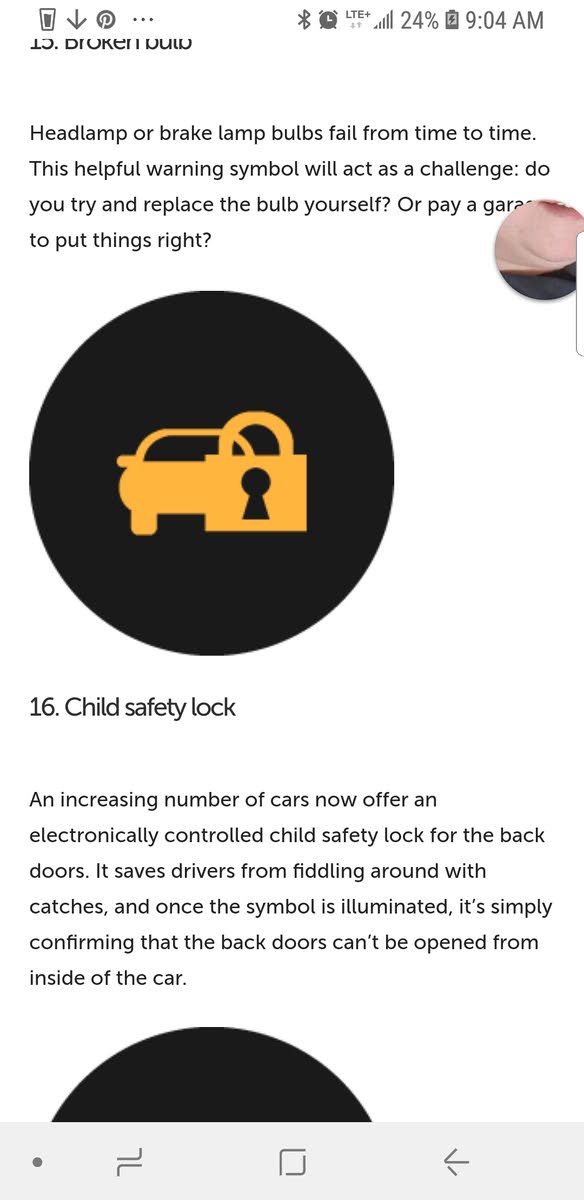
The dashboard of any modern vehicle is a complex tapestry of lights, symbols, and readouts, designed to communicate vital information about the car’s operational status and its myriad systems. Among these, the “car and lock” icon is one that can cause a degree of confusion and, for some, a touch of anxiety. This seemingly simple symbol, often a silhouette of a car with a padlock superimposed on it, is in fact a crucial indicator related to your vehicle’s anti-theft system. Understanding its meaning is paramount for vehicle owners, not just for peace of mind, but for ensuring the proper functioning of their car’s security and in some cases, its ability to start and operate.
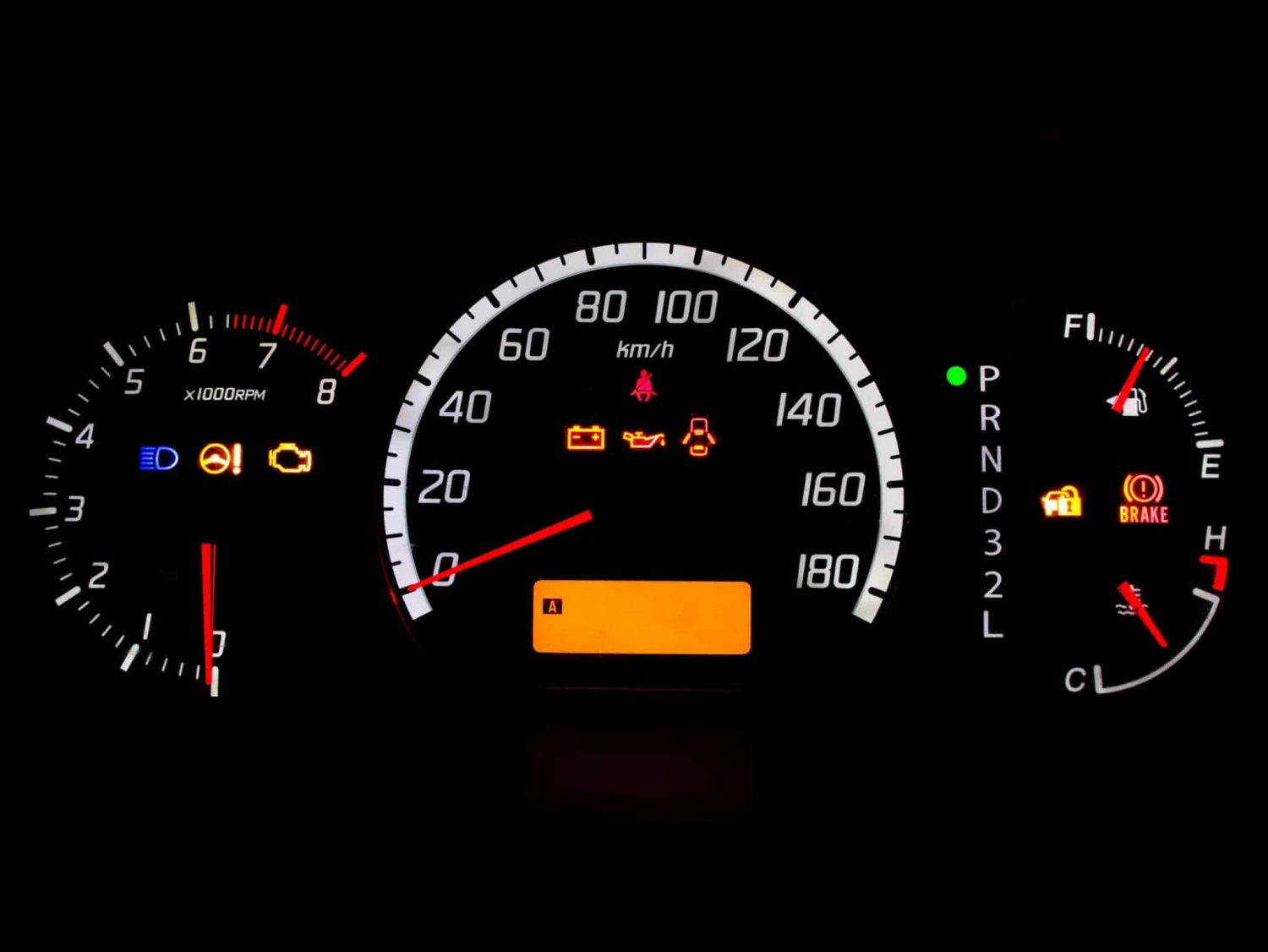
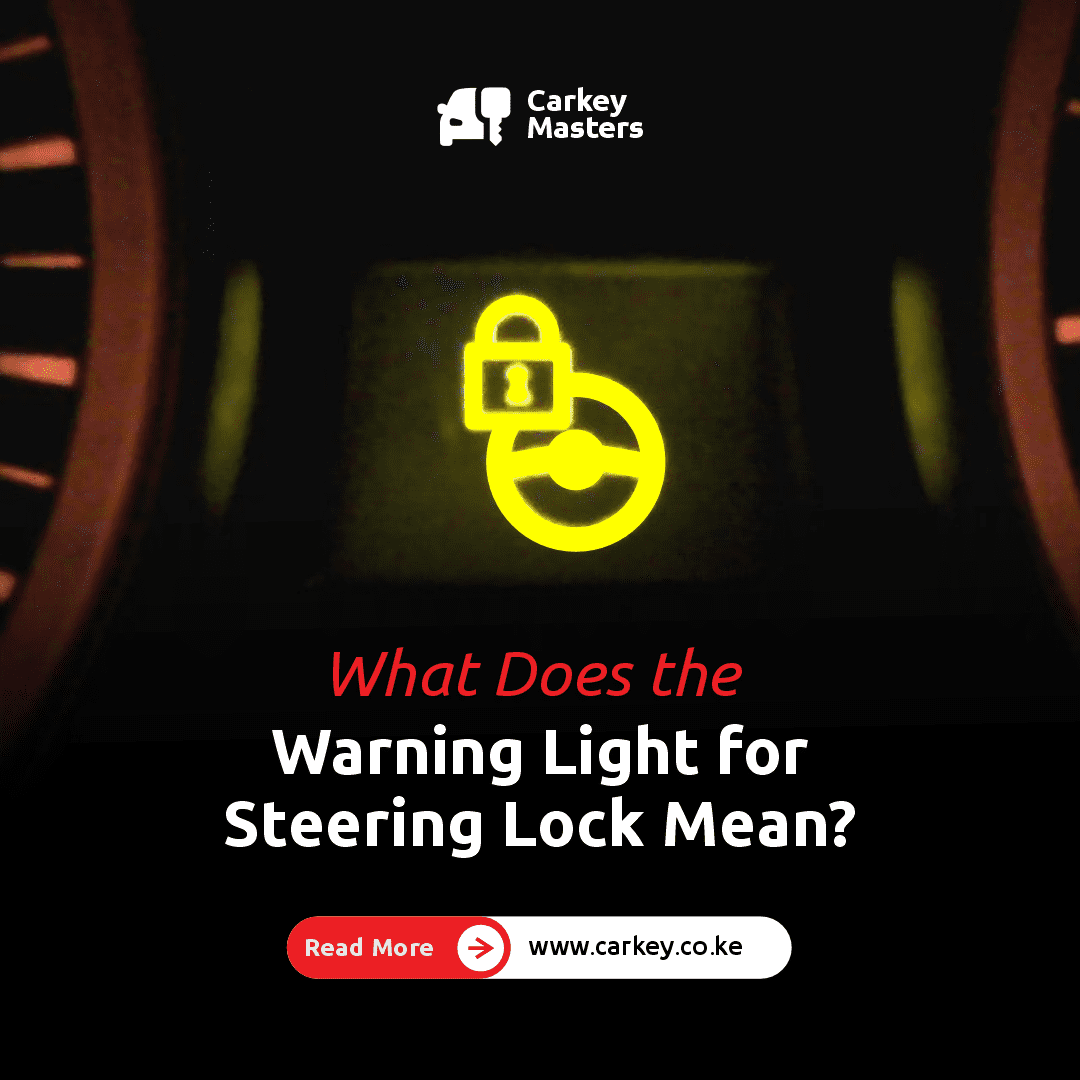
This icon is intrinsically linked to the immobilizer system, a sophisticated piece of technology designed to prevent a vehicle from being started without the correct key or transponder. In essence, it’s the digital guardian of your car, a silent sentinel that ensures only authorized access is granted. The illumination or flashing of this light serves as a communication tool from your car’s internal computer, providing insights into whether the immobilizer is actively engaged, encountering an issue, or has successfully authenticated the key.
Navigating the nuances of this light requires a deeper dive into the technological underpinnings of modern vehicle security. It’s a testament to the evolution of automotive engineering, moving beyond purely mechanical security measures to embrace robust electronic safeguards. For the average car owner, a basic understanding of what triggers this light, what it signifies when it’s on, and what to do if it behaves unexpectedly can save considerable time, expense, and frustration.
The Immobilizer System: Your Car’s Digital Guardian
The primary function of the car and lock light is to provide feedback on the status of your vehicle’s immobilizer system. This system is a complex interplay of hardware and software, designed to thwart unauthorized use and theft. At its core, the immobilizer works by preventing the engine from starting or running unless it recognizes a specific, authenticated key.
How Immobilizers Work: The Transponder Key’s Role
Modern vehicles are equipped with a transponder chip embedded within the ignition key or key fob. This chip contains a unique electronic code that is programmed to communicate with a corresponding receiver unit within the car, typically located in the steering column or near the ignition switch. When you insert the key and turn it to the “on” position (or press the start button with the fob present), the car’s computer sends a signal to the transponder chip. The chip then responds with its unique code.
The car’s engine control unit (ECU) or a dedicated immobilizer module then compares this received code with the pre-programmed authorized codes stored in its memory. If the codes match, the immobilizer system is disengaged, allowing the fuel pump to operate, the ignition system to spark, and the engine to start. If the codes do not match, or if no signal is received from the transponder, the immobilizer remains engaged, effectively disabling the vehicle. This can manifest as the engine cranking but not starting, or in some cases, not even cranking at all.
The Car and Lock Light: A Visual Communication Tool
The car and lock light is the visual interface between the immobilizer system and the driver. Its behavior is not arbitrary; it follows a specific logic to convey different states of the system:
-
Illuminated Steady (Car and Lock Light ON): When the car and lock light illuminates steadily and remains on after the engine has started and is running, it typically indicates that the immobilizer system is actively engaged. This is a normal operational state when the car is parked and the engine is off. Upon turning the ignition key to the “on” position or pressing the start button, the light should briefly illuminate and then extinguish once the system verifies the key and allows the engine to start. If it stays on after the engine has started, it suggests a potential issue with the immobilizer system or the key authentication process, though some vehicles may display it for a short period as part of the startup sequence.
-
Flashing (Car and Lock Light Blinking): The most common scenario where you’ll see the car and lock light behaving in a way that requires attention is when it flashes continuously or intermittently. This flashing behavior typically signifies that the vehicle’s computer is not recognizing the key or fob. It’s the system’s way of telling you, “I don’t understand or trust this key, so I’m not going to let you start the car.” This can happen for several reasons, which we will explore further.
-
No Light: In some vehicles, the absence of the car and lock light during the ignition sequence might be normal, indicating that the system is functioning correctly and no issues are detected. However, this can vary significantly between manufacturers and models. Always consult your owner’s manual for specific interpretations.
Diagnosing Issues: When the Car and Lock Light Signals a Problem
The appearance of the car and lock light, particularly when it’s flashing or staying on when it shouldn’t, is your vehicle’s way of alerting you to a potential problem. Understanding the common causes behind these indicators is the first step towards resolution. These issues can range from simple user errors to more complex hardware malfunctions.
Key-Related Problems: The Usual Suspects
The most frequent reason for the car and lock light to flash is an issue with the key or key fob. This can stem from several sources:
-
Low Key Fob Battery: If your key fob has a removable battery, a depleted or weak battery is a very common culprit. The transponder chip still requires a small amount of power to transmit its signal effectively. When the battery is low, the signal might be too weak for the car’s receiver to pick up, leading to authentication failure.
- Troubleshooting: The first and easiest step is to replace the battery in your key fob. Consult your owner’s manual for the correct battery type and replacement procedure.
-
Damaged Key Fob: The key fob itself can sustain damage from drops, impacts, or exposure to moisture. This can disrupt the internal circuitry of the transponder chip or its connection to the fob’s buttons.
- Troubleshooting: Visually inspect the key fob for any signs of physical damage. If it appears compromised, you may need to consider a replacement.
-
Incorrect Key: While seemingly obvious, it’s possible to inadvertently try to use a key that is not programmed for your specific vehicle. This is more common if you own multiple vehicles or have recently had keys lost or replaced.
- Troubleshooting: Ensure you are using the correct key for your car. If you have a spare, try using that to see if the issue persists.
-
Key Not Properly Positioned: In some vehicles, the car needs to detect the key fob within a certain proximity or in a specific position within the car (e.g., in the ignition slot or a designated charging/communication area) for the immobilizer to disengage.
- Troubleshooting: Ensure the key fob is in the recommended location for your vehicle, especially when pressing the start button.
Immobilizer System Malfunctions: Beyond the Key
If you’ve ruled out issues with the key or fob, the flashing or persistent car and lock light could indicate a problem with the vehicle’s immobilizer system itself:
-
Receiver Module Failure: The antenna or receiver module responsible for picking up the signal from the transponder key might be malfunctioning. This could be due to a faulty component or a wiring issue.
- Troubleshooting: This is a more complex issue that typically requires diagnosis by a qualified mechanic. They will use specialized diagnostic tools to check the integrity of the receiver module and its connections.
-
ECU or Immobilizer Module Fault: The car’s main computer (ECU) or a dedicated immobilizer control module could have internal errors or failures. These are critical components, and their malfunction can affect various vehicle functions, including the immobilizer.
- Troubleshooting: This is a serious issue that requires professional diagnosis. The mechanic will likely need to access the vehicle’s diagnostic trouble codes (DTCs) to pinpoint the specific fault within the ECU or immobilizer module.
-
Wiring Harness Issues: The wiring that connects the key receiver, the ECU, and other relevant components can become damaged or corroded over time, interrupting the communication necessary for the immobilizer system to function correctly.
- Troubleshooting: A mechanic will need to inspect the relevant wiring harnesses for any signs of damage, loose connections, or corrosion.
-
Interference: In rare cases, strong electromagnetic interference from external sources could temporarily disrupt the communication between the key and the car’s immobilizer system.
- Troubleshooting: Try moving the vehicle to a different location, away from potential sources of interference, and attempt to start it again.
When to Seek Professional Help and Preventive Measures
While some issues related to the car and lock light can be resolved with simple troubleshooting steps, many require the expertise of a professional automotive technician. Knowing when to escalate and how to maintain your vehicle’s security system can save you significant hassle and expense in the long run.
Professional Diagnosis and Repair: Entrusting Your Vehicle’s Security
When the car and lock light indicates a persistent problem that simple troubleshooting cannot resolve, it’s crucial to seek professional assistance. Attempting to bypass or tamper with the immobilizer system without proper knowledge can lead to further damage and potentially render your vehicle inoperable.
- Dealership Service Centers: Dealerships have access to manufacturer-specific diagnostic tools and software, as well as genuine replacement parts. They are often the best equipped to handle complex immobilizer system issues, especially those related to programming new keys or modules.
- Independent Automotive Specialists: Many independent mechanics specialize in automotive electronics and security systems. If you have a trusted specialist, they may also be able to diagnose and repair immobilizer-related problems. Ensure they have experience with your specific vehicle make and model.
- The Diagnostic Process: A professional technician will typically connect a diagnostic scanner to your vehicle’s OBD-II port. This scanner communicates with the car’s computer systems and retrieves any stored diagnostic trouble codes (DTCs). These codes provide specific information about the nature of the fault. Based on the DTCs and further investigation, the technician can determine whether the issue lies with the key, the receiver, the ECU, or associated wiring. They may also perform tests on individual components to confirm their functionality.
- Key Programming and Replacement: If the issue is with a lost or damaged key, or if the vehicle’s immobilizer system needs to be reprogrammed (e.g., after a battery replacement or a module failure), a technician will have the specialized equipment to program new keys to your car’s immobilizer system. This is not a DIY task and requires secure access to programming software and hardware.
Preventive Measures: Maintaining Your Vehicle’s Security Integrity
While not all immobilizer issues are preventable, adopting good practices can help minimize the risks and ensure the longevity of your vehicle’s security system.
- Handle Keys with Care: Avoid exposing your key fobs to extreme temperatures, moisture, or physical shock. Store them in a safe place when not in use.
- Regular Battery Replacement: If your key fob uses a replaceable battery, make a habit of replacing it annually or when you notice any sluggishness in its operation. This small investment can prevent significant inconvenience.
- Keep All Keys Secure: If you have multiple keys for your vehicle, keep them in separate, secure locations. Losing a programmed key can be costly to replace and reprogram.
- Beware of Aftermarket Alarms: While aftermarket alarm systems can offer enhanced security, poorly installed or incompatible systems can sometimes interfere with the vehicle’s factory immobilizer, leading to unexpected issues with the car and lock light.
- Owner’s Manual is Your Friend: Familiarize yourself with the specific warnings and indicators on your car’s dashboard, including the car and lock light. Your owner’s manual is the definitive guide to understanding what each symbol means for your particular model.
In conclusion, the car and lock light on your dashboard is a vital component of your vehicle’s anti-theft system. While its appearance can sometimes be unsettling, understanding its meaning and the potential causes for its activation empowers you to address issues promptly and effectively. By recognizing when to perform simple troubleshooting and when to call in the professionals, you can ensure your vehicle remains secure and operational, providing you with confidence on every journey.
aViewFromTheCave is a participant in the Amazon Services LLC Associates Program, an affiliate advertising program designed to provide a means for sites to earn advertising fees by advertising and linking to Amazon.com. Amazon, the Amazon logo, AmazonSupply, and the AmazonSupply logo are trademarks of Amazon.com, Inc. or its affiliates. As an Amazon Associate we earn affiliate commissions from qualifying purchases.