
The Medical College Admission Test (MCAT) is often viewed through a purely academic lens—a high-stakes exam designed to test your knowledge of biological systems, chemical processes, and critical analysis. However, for the aspiring medical professional, the MCAT is more than just a hurdle for admission; it is a critical financial lever. Your score doesn’t just determine if you get into medical school, but where you go, how much you pay, and what your debt-to-income ratio will look like for the next twenty years.
In the landscape of personal finance and career investment, the MCAT score is a primary metric of “Return on Investment” (ROI). A high score can be the difference between a full-ride scholarship at a prestigious institution and a $400,000 debt burden at a private or international school. To answer the question, “What MCAT score do I need?” one must look beyond the percentile ranks and analyze the long-term financial implications of the score.
1. The Economics of the MCAT: Why Every Point is a Financial Asset
When we discuss “what score you need,” we are essentially discussing the market value of your application. Medical school admissions are a competitive marketplace where your MCAT score serves as your primary currency. Understanding the financial weight of this score is the first step in strategic planning.
The Cost of the “Average” Score
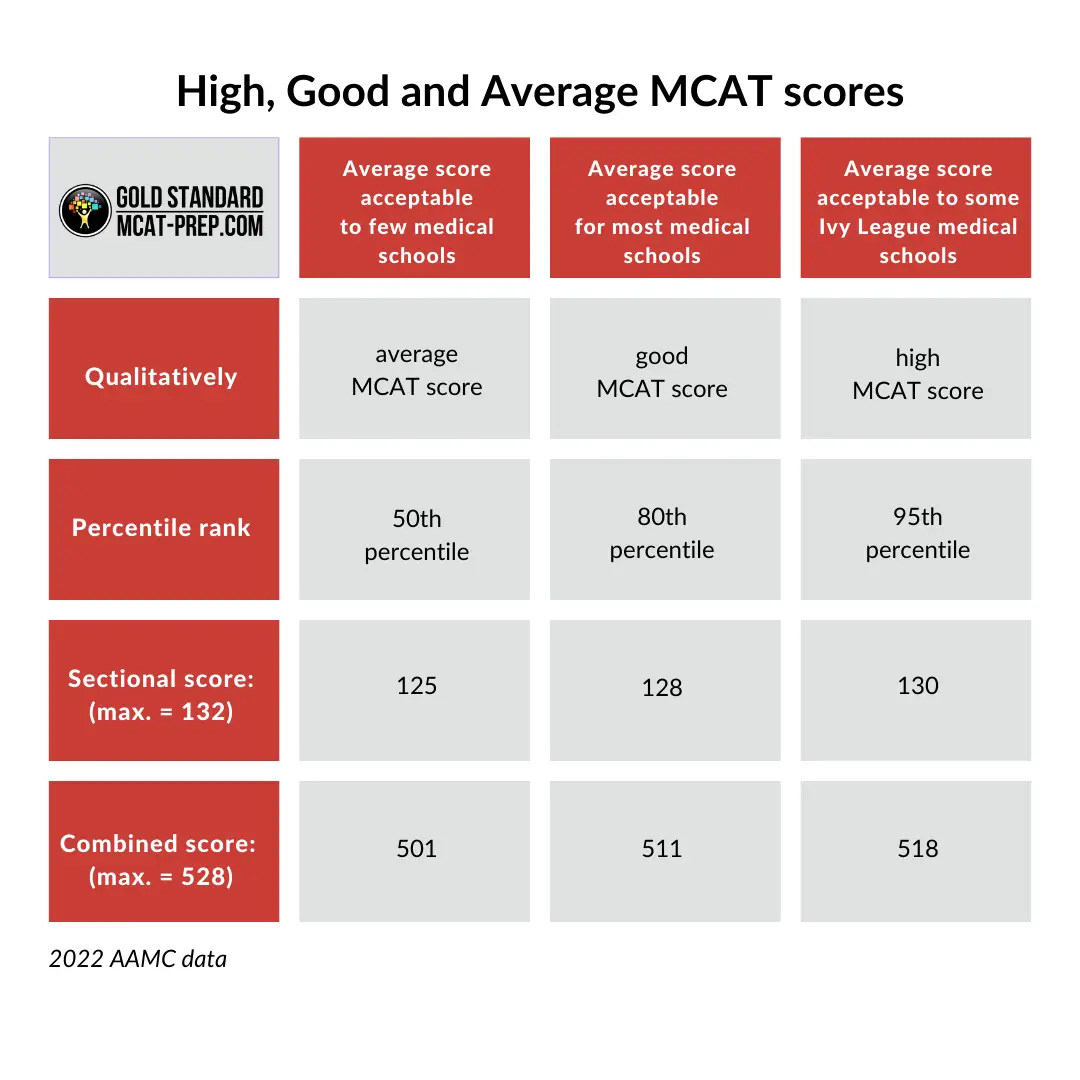
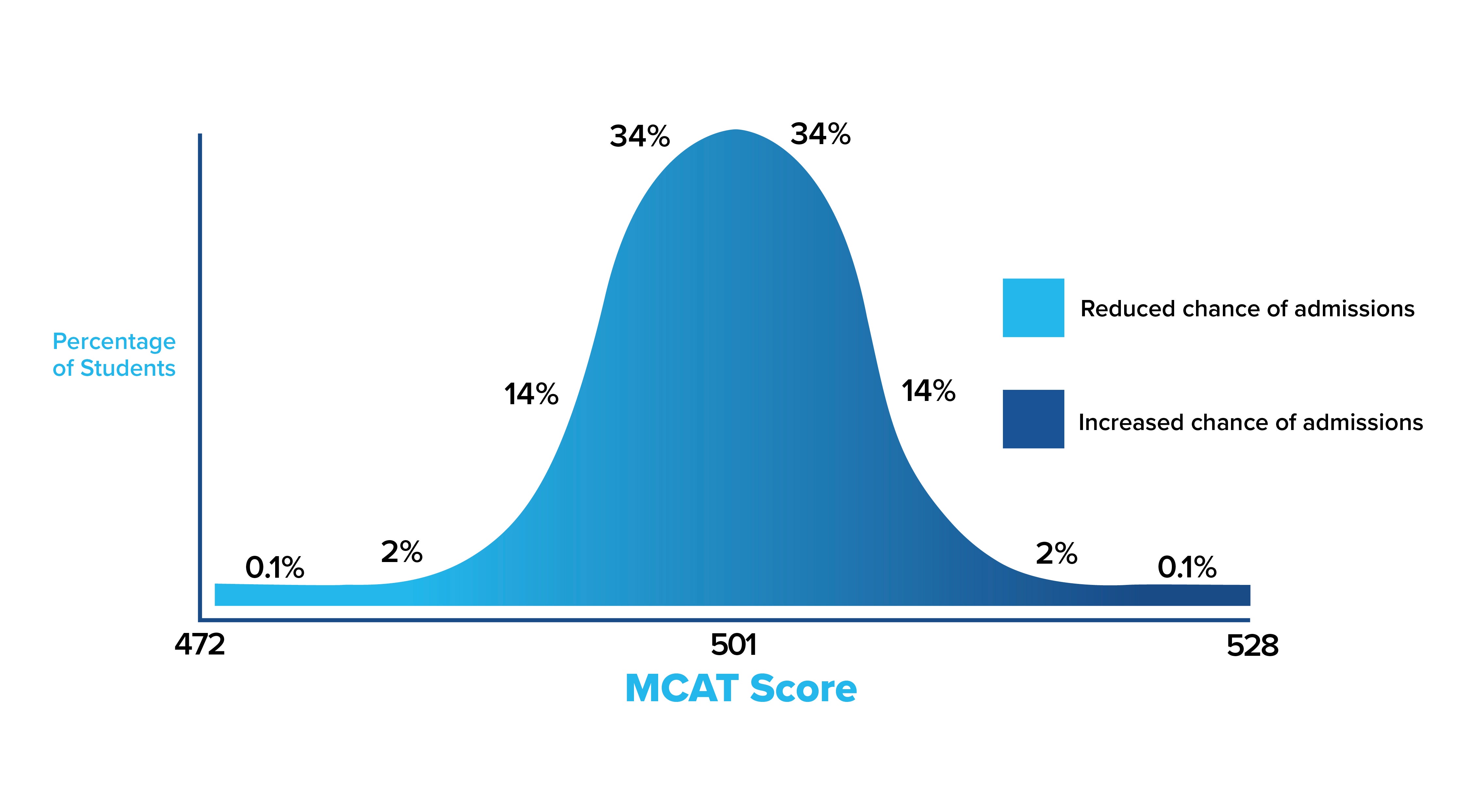
The national average for students accepted into MD programs in the United States currently hovers around a 511–512. While this is the “safe” zone for admission, landing exactly on the average often means you are a standard applicant. From a financial perspective, standard applicants have less leverage. They are more likely to pay the “sticker price” for tuition, which at many private institutions can exceed $60,000 per year.
The ROI of High-Percentile Scores
Investing time and money into MCAT preparation to move from a 505 to a 515 is one of the highest-yield financial moves a student can make. If a $2,000 prep course helps you secure a score that qualifies you for a merit-based scholarship worth $100,000 over four years, your return on investment is a staggering 4,900%. When asking what score you need, you should be looking for the “Scholarship Threshold” rather than the “Admission Minimum.”
Minimizing Reapplication Costs
The financial drain of an unsuccessful application cycle is significant. Between primary application fees, secondary fees, CASPer tests, and travel for interviews, a single cycle can cost upwards of $5,000 to $10,000. Achieving a “one-and-done” MCAT score—typically a 510 or higher for MD programs and a 504 or higher for DO programs—is a crucial strategy for preserving your liquid capital.
2. Strategic Benchmarking: Target Scores for Tuition Reduction
Not all medical schools carry the same price tag. The score you “need” depends heavily on whether you are targeting public state schools, elite private institutions, or Osteopathic (DO) programs. Each of these paths carries a different financial profile.
Public vs. Private: The $200,000 Difference
In-state public medical schools offer the most favorable financial outcomes for students. However, because they are a bargain, they are highly competitive. To be a “lock” for a state school, you typically need a score that aligns with their median, often ranging from 508 to 512. Securing this score allows you to access subsidized tuition rates, potentially saving you over $200,000 in principal and interest compared to a private institution.
Merit-Based Scholarships and the “Elite” Score
For those aiming for top-tier private universities (the “T20” schools), the required score jumps significantly, often to 518 or higher. While these schools are expensive, they often possess the largest endowments. A score in the 99th percentile makes you a prime candidate for institutional aid. Many students find that it is actually cheaper to attend a high-ranking private school on a merit scholarship than to attend a mid-tier school at full price.
The DO Path and Debt Management
Doctor of Osteopathic Medicine (DO) programs generally have slightly lower MCAT requirements, with averages around 504–506. Financially, DO schools are often private and can be as expensive as MD private schools. If your score falls in this range, your financial strategy should focus on aggressive debt management and choosing programs that have high residency match rates in lucrative specialties to ensure you can service the resulting loans.
3. Financial Planning for the MCAT Prep Phase
To get the score you “need,” you must first navigate the “prep” phase, which is a financial undertaking in its own right. Budgeting for this period is essential to ensure you don’t exhaust your resources before you even submit an application.
Budgeting for High-Quality Resources
The market for MCAT prep is vast, ranging from free Khan Academy videos to $10,000 private tutoring packages. A strategic financial approach involves “smart spending.”
- Essential Costs: Registration fees (approx. $335), AAMC official practice materials ($260+).
- Variable Costs: Test prep books, Q-Banks (UWorld), and full-length practice exams.
A student should expect to budget at least $1,000 to $1,500 for a comprehensive self-study regime.
The Opportunity Cost of Study Time
One of the most overlooked “money” aspects of the MCAT is the opportunity cost. If you spend 300 to 500 hours studying, those are hours you are not working a paid job. For many, this represents a loss of $5,000 to $10,000 in potential income. When determining your target score, factor in this cost. It is often more financially sound to reduce your work hours and score a 515 (securing a scholarship) than to work full-time and score a 505 (paying full tuition).
Utilizing the Fee Assistance Program (FAP)
For students with limited financial resources, the AAMC’s Fee Assistance Program is a vital tool. It reduces the MCAT registration fee and provides free study materials and application fee waivers. Leveraging this program can save an applicant over $3,000 across the entire process. If you qualify, the score you “need” becomes much more attainable because the financial barriers to entry are lowered.
4. The Long-Term Financial Impact: Beyond the Score
Your MCAT score is the first domino in a long line of financial events. While it feels like an academic hurdle today, it is actually the foundation of your future net worth.
Specialization and Earning Potential
While your MCAT score doesn’t directly dictate your future specialty, it does dictate the quality of the medical school you attend. Higher-ranked schools often provide better research opportunities and networking, which are essential for matching into high-paying specialties like Neurosurgery, Orthopedics, or Cardiology. The difference in lifetime earnings between a primary care physician and a surgical specialist can be several million dollars.
Debt-to-Income Ratios
A “good” MCAT score allows you to choose a school with a lower tuition rate, which keeps your debt-to-income (DTI) ratio healthy. A physician graduating with $150,000 in debt vs. $450,000 in debt has vastly different life choices regarding home ownership, investing in the stock market, and early retirement. The “score you need” is ultimately the one that keeps your future DTI ratio below 1.0.
Geographic Arbitrage
A strong MCAT score gives you the luxury of choice. You can choose to attend school in a region with a lower cost of living or in a state that offers robust loan forgiveness programs for physicians. This “geographic arbitrage”—earning a high physician salary while living in a low-cost area—is the fastest way to build wealth in the medical profession.
Conclusion: Reframing the Target Score
So, what MCAT score do you need? From a financial perspective, the answer is: The highest score your resources and time allow you to achieve.
If you are looking at the MCAT as a business decision, a score of 512+ is the standard benchmark for minimizing the risk of reapplication and maximizing the chance of attending a lower-cost public institution. A score of 517+ enters the “Wealth Generation” zone, where merit scholarships and elite networking opportunities significantly alter your lifetime financial trajectory.
By treating your MCAT preparation as a capital investment rather than just a study requirement, you position yourself not just to be a doctor, but to be a financially secure professional. In the world of medicine, your education is your most valuable asset—and the MCAT score is the price of admission to a more prosperous future.
aViewFromTheCave is a participant in the Amazon Services LLC Associates Program, an affiliate advertising program designed to provide a means for sites to earn advertising fees by advertising and linking to Amazon.com. Amazon, the Amazon logo, AmazonSupply, and the AmazonSupply logo are trademarks of Amazon.com, Inc. or its affiliates. As an Amazon Associate we earn affiliate commissions from qualifying purchases.