
The landscape of drug testing has become increasingly sophisticated, driven by a need for accurate and comprehensive screening in various professional and personal contexts. When faced with a drug test, particularly one described as a “7-panel” test, understanding what substances are being screened for is crucial. This isn’t a monolithic test; rather, it’s a standard configuration designed to detect a common set of frequently abused drugs. The precise panel can vary slightly between different laboratories and testing kits, but the core substances remain largely consistent. This article delves into the typical components of a 7-panel drug test, the science behind its detection, and the implications of its use in different settings.

The Core Substances: A Breakdown of the 7 Panels
A 7-panel drug test is designed to detect the presence of seven distinct classes of drugs or their metabolites in a biological sample, most commonly urine. The rationale behind this specific configuration is to cover a broad spectrum of commonly misused prescription and illicit substances. While the exact nomenclature might differ slightly across testing providers, the underlying drug classes are generally recognized.
1. Marijuana (THC)
Tetrahydrocannabinol (THC) is the primary psychoactive compound in cannabis. Its detection is a common requirement in most drug tests due to its widespread recreational use. THC is fat-soluble, meaning it can remain in the body for an extended period, particularly in regular users. A 7-panel test typically looks for THC metabolites, such as THC-COOH (11-nor-delta-9-THC-9-carboxylic acid), which is excreted in the urine. The detection window for marijuana can vary significantly. For occasional users, it might be detectable for 1-3 days. However, for chronic or heavy users, it can be present in urine for several weeks, sometimes up to 90 days, due to its accumulation in fatty tissues. This variability in detection time is a significant factor in drug testing protocols and interpretation.
2. Cocaine
Cocaine is a powerful stimulant derived from the coca plant. It is often abused in its powdered form (cocaine hydrochloride) or as a crystallized form (crack cocaine). The primary metabolite of cocaine that is tested for is benzoylecgonine, which is relatively stable and can be detected in urine for a period of 2-4 days after the last use. Cocaine itself has a short half-life, so testing for its metabolite provides a more reliable indicator of recent use. The stimulant effects of cocaine are well-known, leading to increased energy, alertness, and euphoria, but also to significant health risks including cardiovascular problems and addiction.
3. Opioids (Opiates)
The opioid panel in a 7-panel drug test typically screens for a group of commonly abused opioid drugs. This category usually includes:
- Morphine: A natural opiate derived from opium poppies.
- Codeine: Another natural opiate, often prescribed for pain relief and cough suppression.
- Heroin: An illicit opioid synthesized from morphine.
These substances, along with other prescription painkillers like oxycodone and hydrocodone (which may or may not be explicitly listed depending on the specific 7-panel configuration but often fall under a broader “opioid” screen), are detected by testing for their metabolites. For instance, morphine is a metabolite of heroin. The detection window for opioids can range from 1-3 days for most common opioids, although some longer-acting prescription opioids might be detectable for slightly longer. The opioid crisis has amplified the importance of accurately screening for these substances.
4. Amphetamines and Methamphetamines
Amphetamines are a class of stimulant drugs that can be prescribed for conditions like ADHD (e.g., Adderall) or narcolepsy, but are also abused illicitly. Methamphetamine is a more potent and highly addictive stimulant that is often manufactured illegally. A 7-panel test typically includes a screen for both amphetamines and methamphetamines. These drugs are detected by identifying their presence or the presence of their metabolites in the urine. The detection window for amphetamines and methamphetamines is generally shorter than for marijuana, usually ranging from 1-3 days after the last use. However, in cases of heavy use or for certain formulations, this window can be extended.
5. Phencyclidine (PCP)
Phencyclidine, commonly known as PCP or “angel dust,” is a dissociative drug that can cause hallucinations, paranoia, and aggression. It was originally developed as a surgical anesthetic but was withdrawn from medical use due to its adverse psychological effects. PCP is detected in urine for a period of approximately 3-7 days after use. While its prevalence might be lower than some other substances, its unpredictable and dangerous effects make it a critical component of a comprehensive drug screening panel.
6. Barbiturates
Barbiturates are a class of central nervous system depressants that were historically used to treat anxiety, insomnia, and seizures. However, due to their high potential for addiction and overdose, their medical use has significantly declined, largely replaced by benzodiazepines. Nevertheless, they are still abused, and a 7-panel test often includes a screen for barbiturates. Common barbiturates include phenobarbital, secobarbital, and amobarbital. The detection window for barbiturates in urine can vary widely depending on the specific drug and dosage, but typically ranges from 2-4 days for most commonly abused types.
7. Benzodiazepines
Benzodiazepines are another class of central nervous system depressants that are widely prescribed for anxiety, insomnia, seizures, and muscle spasms. Examples include Xanax (alprazolam), Valium (diazepam), and Klonopin (clonazepam). Despite their therapeutic uses, benzodiazepines have a significant potential for dependence and abuse. A 7-panel test commonly includes a screen for benzodiazepines, looking for their presence or the presence of their metabolites in the urine. The detection window for benzodiazepines is quite variable, depending on the specific drug and the individual’s metabolism. Some shorter-acting benzodiazepines might be detectable for 1-3 days, while longer-acting ones like diazepam can be detected for up to a week or even longer.
The Science Behind Drug Testing: Detection Methods and Limitations
The accuracy and reliability of a 7-panel drug test depend on the underlying scientific principles and methodologies employed. Most initial drug screenings utilize immunoassay tests.
Immunoassay Screening
Immunoassay tests are rapid, cost-effective, and widely used as the initial step in drug testing. These tests work by detecting the presence of drug metabolites (or sometimes the parent drug) in a biological sample, such as urine. The process involves mixing the sample with antibodies that are specific to the drug being tested. If the drug or its metabolite is present, it will bind to the antibodies, triggering a visible reaction that indicates a potential positive result.
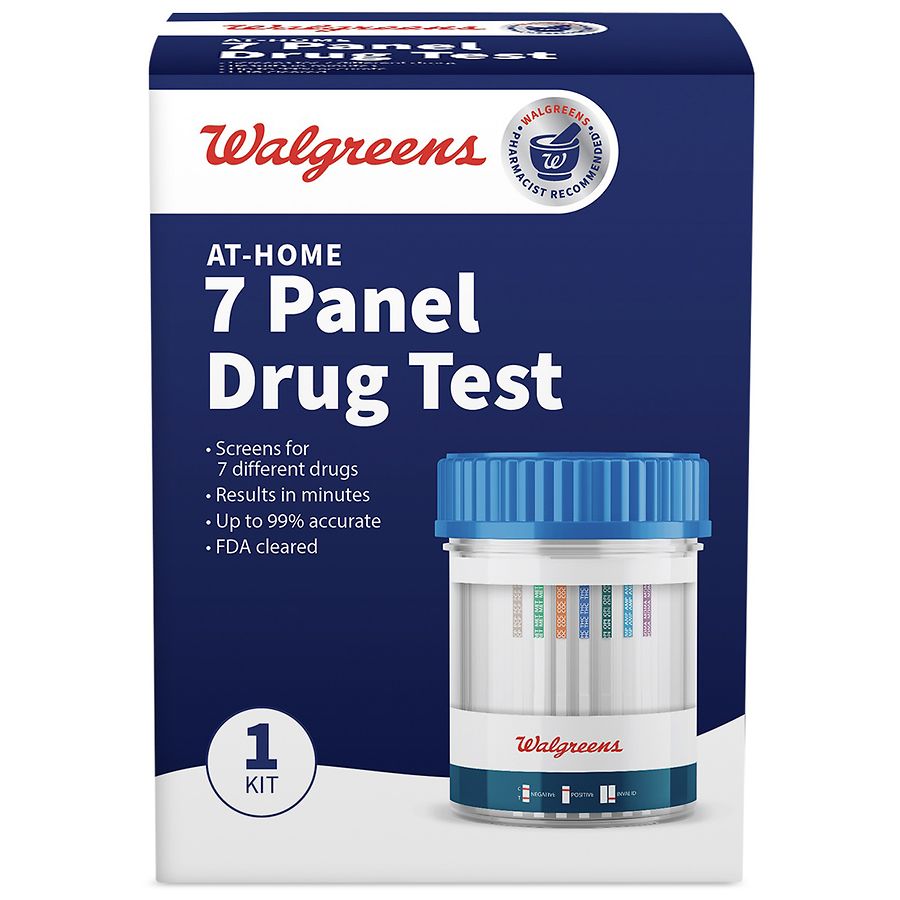
However, immunoassay tests are prone to false positives. This means they can sometimes indicate the presence of a drug when it is not actually there. This can occur due to cross-reactivity, where the antibodies bind to structurally similar compounds that are not the target drug. For example, certain over-the-counter medications or dietary supplements can sometimes trigger a false positive for amphetamines. For this reason, any positive result from an immunoassay screen is typically followed by a more definitive confirmation test.
Gas Chromatography-Mass Spectrometry (GC-MS) and Liquid Chromatography-Mass Spectrometry (LC-MS)
When an immunoassay test yields a presumptive positive result, or when a higher degree of certainty is required, confirmation testing is performed using techniques like Gas Chromatography-Mass Spectrometry (GC-MS) or Liquid Chromatography-Mass Spectrometry (LC-MS). These methods are considered the gold standard for drug testing because they are highly sensitive and specific, capable of identifying and quantifying individual drugs and their metabolites with remarkable accuracy.
- Gas Chromatography (GC): Separates the components of a sample based on their chemical properties and how they interact with a stationary phase within a heated column.
- Mass Spectrometry (MS): Identifies the separated compounds by measuring their mass-to-charge ratio, creating a unique “fingerprint” for each substance.
GC-MS and LC-MS provide definitive confirmation of the presence and quantity of specific drugs, significantly reducing the possibility of false positives. They are also capable of detecting a wider range of substances and metabolites than standard immunoassay screens.
Detection Windows and Factors Influencing Them
The “detection window” refers to the period during which a drug or its metabolite can be detected in a biological sample. For a 7-panel drug test, understanding these windows is crucial for interpreting results. Several factors influence how long a drug remains detectable:
- Drug Metabolism: The rate at which the body metabolizes and eliminates a drug varies significantly between different substances. Fat-soluble drugs, like THC, tend to be stored in body fat and released slowly, extending their detection window.
- Dosage and Frequency of Use: Higher doses and more frequent use of a drug will lead to higher concentrations of metabolites in the body, increasing the likelihood and duration of detection.
- Individual Metabolism: Each person’s metabolism is unique, influenced by genetics, age, body weight, and overall health. Factors like liver and kidney function play a critical role in drug elimination.
- Hydration Levels: While not a reliable method for “beating” a drug test, being well-hydrated can dilute the concentration of drug metabolites in urine, potentially shortening the detectable period in some cases. However, extremely diluted samples can be flagged as invalid.
- Type of Sample: While urine is most common for 7-panel tests, other samples like blood, hair, or saliva have different detection windows. For instance, hair samples can detect drug use for months, while saliva tests offer a shorter window of a few days.
Applications and Implications of 7-Panel Drug Testing
The widespread use of 7-panel drug tests stems from their ability to provide a reasonably comprehensive overview of common drug use across various sectors. Understanding where and why these tests are employed, as well as their ethical considerations, is essential.
Workplace Drug Testing
One of the most common applications of 7-panel drug tests is in the workplace. Employers use these tests for several reasons:
- Pre-employment Screening: To ensure that new hires do not have a history of drug abuse that could impact their performance, safety, or the workplace environment.
- Random Testing: To deter drug use among current employees and maintain a drug-free workplace.
- Post-Accident Testing: To determine if drug impairment contributed to a workplace accident.
- Reasonable Suspicion Testing: When an employer has specific grounds to suspect an employee is under the influence of drugs.
The inclusion of commonly abused substances like marijuana, cocaine, and opioids makes the 7-panel test a practical choice for many industries, particularly those with safety-sensitive positions, such as transportation, healthcare, and manufacturing.
Legal and Criminal Justice System
The 7-panel drug test is also a vital tool within the legal and criminal justice system. It is frequently used in:
- Probation and Parole Monitoring: To ensure that individuals on probation or parole adhere to court orders that prohibit drug use.
- Court-Ordered Testing: As part of sentencing for drug-related offenses, courts may mandate regular drug testing.
- Child Custody Cases: In situations where parental drug use is a concern, courts may order drug tests to ensure the safety and well-being of children.
The comprehensive nature of the 7-panel test provides law enforcement and judicial officials with a clearer picture of an individual’s compliance with legal mandates.
Medical and Clinical Settings
While less common than in employment or legal contexts, 7-panel drug tests can also be utilized in medical settings, albeit often with a more specific focus.
- Pain Management: For patients prescribed opioid pain relievers, regular drug testing can help ensure they are taking their medication as prescribed and not diverting it or using illicit substances.
- Treatment Monitoring: In addiction treatment programs, drug tests are used to monitor a patient’s progress and identify any relapse.
- Emergency Room Screening: In certain critical situations, a drug screen might be performed to help diagnose a patient’s condition or guide treatment.

Ethical and Legal Considerations
The implementation of drug testing is not without its ethical and legal considerations. Privacy rights are a significant concern, and employers and institutions must adhere to strict regulations regarding when and how drug tests can be administered. In many jurisdictions, specific laws govern workplace drug testing, including requirements for informed consent, confidentiality of results, and procedures for handling positive tests.
The debate surrounding marijuana legality in many regions adds another layer of complexity. While marijuana is still detected by a standard 7-panel test, its legal status is evolving, leading to potential shifts in employer policies and testing protocols. Furthermore, the accuracy of the tests themselves, particularly the potential for false positives, necessitates robust confirmation procedures and clear protocols for addressing such outcomes.
In conclusion, a 7-panel drug test offers a broad yet standardized approach to screening for a range of commonly abused substances. By understanding the specific drugs tested for, the scientific methods employed, and the various contexts in which these tests are applied, individuals and organizations can navigate the complexities of drug detection with greater clarity and informed decision-making.
aViewFromTheCave is a participant in the Amazon Services LLC Associates Program, an affiliate advertising program designed to provide a means for sites to earn advertising fees by advertising and linking to Amazon.com. Amazon, the Amazon logo, AmazonSupply, and the AmazonSupply logo are trademarks of Amazon.com, Inc. or its affiliates. As an Amazon Associate we earn affiliate commissions from qualifying purchases.