
In the dynamic and ever-evolving landscape of business, understanding who your competitors are is not just a matter of strategic awareness; it’s a fundamental pillar of successful marketing. Without a clear grasp of the competitive arena, even the most brilliant marketing campaigns can falter, leaving businesses adrift in a sea of unmet objectives. This article delves into the multifaceted concept of competitors in marketing, exploring their definition, types, identification, and the critical role they play in shaping effective brand strategies and driving business growth. We will navigate the complexities of the competitive environment, providing actionable insights that empower businesses to not only identify but also strategically leverage their competitive landscape.
The Multifaceted Nature of Competition in the Brand Arena
The concept of “competitors” in marketing transcends a simple list of rival companies. It encompasses a broader understanding of entities and forces that vie for the same limited resources – primarily customer attention, budget, and loyalty. In the realm of branding and marketing, competitors are those who offer products or services that could satisfy similar customer needs, thereby diverting potential customers away from your own brand. Their influence is pervasive, impacting everything from product development and pricing strategies to communication channels and overall brand positioning. Ignoring or misidentifying competitors is akin to navigating treacherous waters without a map; it significantly increases the risk of failure. The competitive landscape is not static; it’s a fluid ecosystem constantly reshaped by innovation, market shifts, and evolving consumer behaviors. Therefore, a continuous and agile approach to competitive analysis is paramount for sustained success.
Direct Competitors: The Most Obvious Challengers
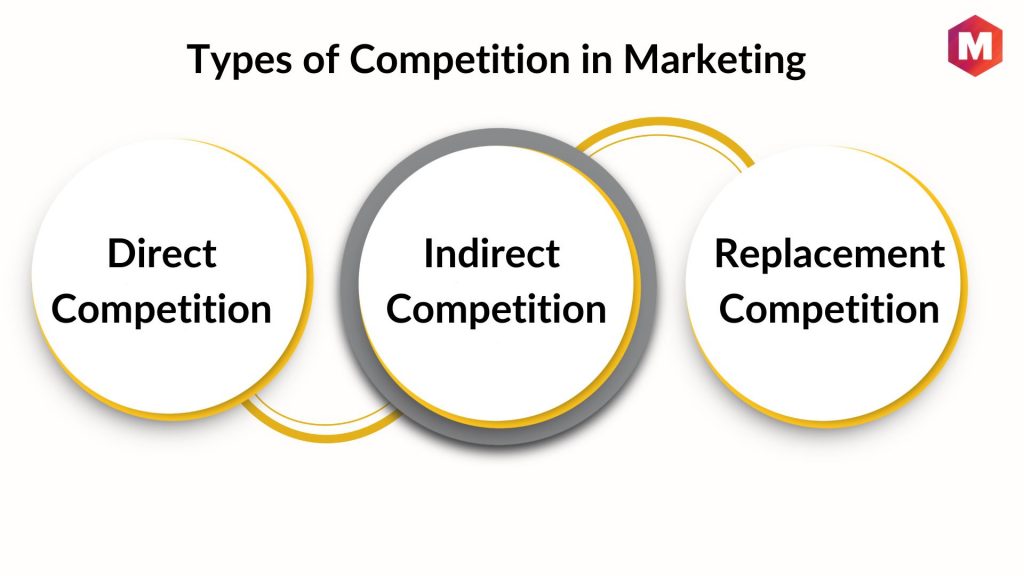
Direct competitors are, arguably, the most straightforward to identify. They are businesses that offer products or services remarkably similar to yours, targeting the same customer segment with comparable solutions. Think of two coffee shops on the same street, two smartphone manufacturers producing high-end devices, or two software companies offering project management tools. Their offerings directly overlap, meaning a customer looking for a specific solution will likely consider both your brand and theirs.
Understanding Their Offerings and Market Share
The core of identifying direct competitors lies in meticulously analyzing their product or service portfolios. What specific features do they offer? What problem do they aim to solve for the customer? What is the quality and scope of their service delivery? Beyond the tangible aspects of their offerings, understanding their market share is crucial. This metric, often expressed as a percentage of total sales in a specific market, indicates the relative strength and dominance of direct competitors. A competitor with a significant market share often possesses established brand recognition, a loyal customer base, and economies of scale that can be difficult to overcome. Analyzing their pricing strategies, distribution channels, and promotional activities provides further insight into their operational tactics and how they aim to capture market share.
Analyzing Their Marketing Strategies and Messaging
Direct competitors are not just vying for sales; they are also competing for customer minds. Their marketing strategies and messaging are critical components of their competitive arsenal. This involves examining their advertising campaigns, their social media presence, their content marketing efforts, and their public relations activities. What stories are they telling? What emotional triggers are they appealing to? What unique selling propositions (USPs) are they highlighting? Understanding their messaging helps to identify gaps in your own communication or areas where you can differentiate your brand more effectively. For instance, if a direct competitor consistently emphasizes affordability, your brand might choose to highlight superior quality or customer service as a counter-messaging strategy.
Indirect Competitors: Broader Threats to Customer Needs
Indirect competitors represent a more nuanced, yet equally significant, challenge. These are businesses that may not offer identical products or services but address the same underlying customer need or desire in a different way. For example, a restaurant is an indirect competitor to a grocery store; both satisfy the need for sustenance, but through different means. A ride-sharing service is an indirect competitor to a car manufacturer. Recognizing indirect competitors requires a deeper understanding of customer motivations and the diverse ways those motivations can be fulfilled.
Identifying Alternative Solutions to the Same Problem
The key to identifying indirect competitors lies in shifting the focus from the product to the problem or need. What fundamental human desire or business requirement does your offering address? Then, brainstorm all the conceivable ways that need can be met, even if the solutions are vastly different. For a fitness apparel brand, direct competitors are other activewear companies. However, indirect competitors could include gym memberships, personal trainers, or even recreational sports leagues, all of which cater to the desire for physical well-being. By understanding these alternative solutions, a brand can anticipate potential shifts in consumer behavior and adapt its strategies accordingly.
Understanding Substitute Products and Services
Substitute products or services are a prime example of indirect competition. These are offerings that can be used instead of yours to achieve a similar outcome. For instance, if you sell premium organic coffee, a substitute could be high-quality tea, artisanal hot chocolate, or even energy drinks, depending on the consumer’s motivation for seeking a beverage. Analyzing substitute products helps to identify potential vulnerabilities in your market position. If a more convenient or significantly cheaper substitute gains traction, it can erode your customer base even if direct competitors remain unchanged. This awareness allows for proactive strategies, such as emphasizing the unique benefits of your product that substitutes cannot replicate.
Potential Competitors: The Future Landscape
Beyond current players, astute marketers must also consider potential competitors – businesses that are not currently competing but could enter the market in the future. This proactive approach is essential for long-term strategic planning and maintaining a competitive edge. Potential competitors can emerge from various sources, including startups with innovative business models, established companies diversifying into new markets, or even shifts in technology that enable new forms of competition.
Emerging Startups and Disruptive Innovations
The startup ecosystem is a fertile ground for potential competitors. These agile organizations often leverage new technologies or novel business models to challenge established players. Think of the impact of ride-sharing startups on the taxi industry or the disruption brought by streaming services to traditional media. Identifying emerging startups requires monitoring industry news, venture capital funding trends, and technological advancements. Companies that demonstrate significant innovation or possess the potential to scale rapidly should be closely watched as future competitive threats.
Diversification by Established Companies
Established companies, with their existing resources, brand recognition, and customer bases, can also become formidable potential competitors if they decide to diversify into your market. A company that has achieved success in one sector might see your market as a logical extension for growth. For example, a successful software company might venture into a related SaaS product, or a food and beverage giant might launch a line of health supplements. Monitoring the strategic moves and announcements of larger, diversified corporations can provide early warnings of their potential entry into your competitive space.

The Strategic Importance of Competitor Analysis in Brand Marketing
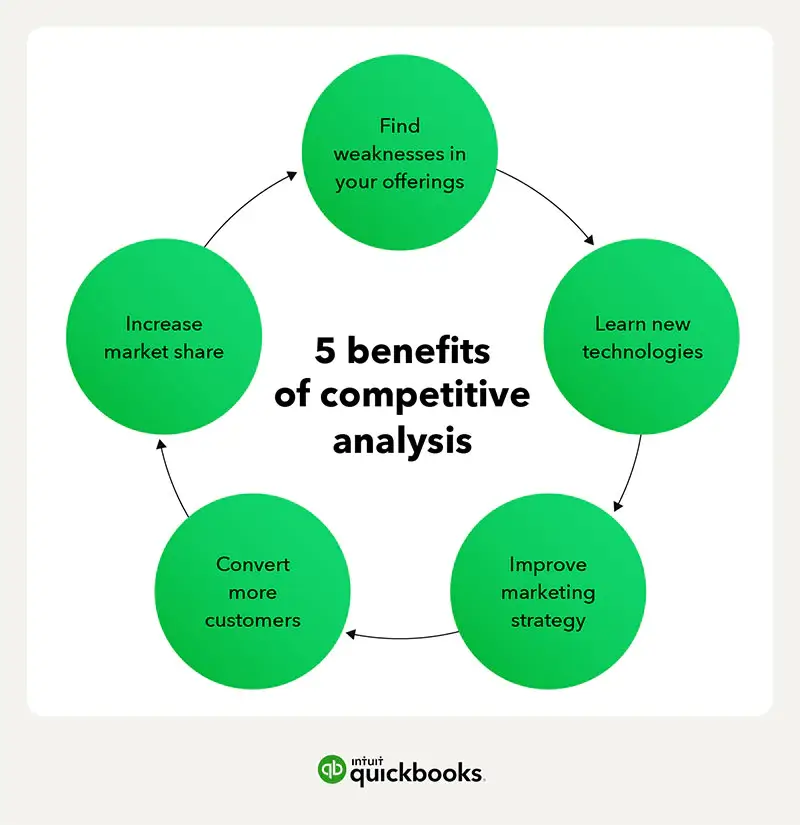
Competitor analysis is far more than an academic exercise; it’s a cornerstone of effective brand marketing. It provides the essential context for strategic decision-making, enabling businesses to position themselves more effectively, identify unique selling propositions, and anticipate market shifts. Without this critical intelligence, brands risk operating in a vacuum, unaware of the forces shaping their market and the opportunities and threats that lie ahead.
Informing Brand Positioning and Differentiation
Understanding competitors is fundamental to crafting a distinct brand identity. By analyzing their positioning – how they present themselves to the market and what values they emphasize – businesses can identify opportunities to carve out a unique niche. If all competitors are focusing on price, a brand might differentiate itself by emphasizing superior quality, exceptional customer service, or a commitment to sustainability. This differentiation is not merely about being different; it’s about being different in a way that resonates with a target audience and creates a compelling reason for them to choose your brand. Competitor analysis helps to define the “white space” in the market – the unmet needs or underserved segments that your brand can uniquely fulfill.
Identifying Gaps and Unmet Needs
A thorough competitor analysis often reveals gaps in the market that existing players are not adequately addressing. This could be a specific customer segment that is overlooked, a particular feature that is missing from existing products, or a customer service expectation that is not being met. These gaps represent significant opportunities for a brand to establish itself as a leader. By understanding what competitors are not doing well, a brand can strategically position itself to fill those voids, thereby attracting customers who are dissatisfied with current offerings.
Developing a Unique Value Proposition
Your unique value proposition (UVP) is what sets your brand apart from the competition and clearly communicates the benefits customers receive. Competitor analysis is crucial for developing a strong UVP. By understanding what competitors offer and how they communicate their value, you can identify elements that are unique to your brand and can be leveraged. For example, if competitors offer similar products but your company has a more robust sustainability initiative, this can become a core component of your UVP. A well-defined UVP, informed by competitor insights, provides a clear and compelling reason for customers to choose your brand.
Guiding Product Development and Innovation
The competitive landscape is a powerful driver of product development and innovation. By observing what competitors are doing, businesses can identify areas for improvement in their own offerings and anticipate future trends. This is not about simply copying competitors, but about understanding the underlying customer needs that their innovations are addressing and finding ways to do it better or differently.
Benchmarking Against Industry Standards
Competitor analysis allows for benchmarking – comparing your products, services, and operational efficiency against those of your competitors and industry leaders. This process helps to identify areas where your offerings fall short of customer expectations or where competitors have a clear advantage. Benchmarking can inform decisions about feature development, quality enhancements, or even the redesign of entire product lines to meet or exceed industry standards. It provides a tangible measure of performance and a clear roadmap for improvement.
Anticipating Market Trends and Future Demands
By monitoring the R&D efforts, patent filings, and product announcements of competitors, businesses can gain insights into emerging market trends and anticipate future customer demands. This foresight allows for proactive innovation, ensuring that a brand is not playing catch-up but is instead at the forefront of market evolution. For instance, if competitors are investing heavily in AI-powered features, it signals a growing customer interest in such capabilities, prompting other businesses to explore similar avenues. This forward-looking approach to product development, fueled by competitor intelligence, is vital for long-term relevance and success.
Enhancing Marketing and Sales Strategies
The insights gained from competitor analysis can profoundly impact marketing and sales strategies, leading to more targeted campaigns, effective messaging, and improved conversion rates. Understanding how competitors reach and persuade customers provides valuable lessons and identifies opportunities for differentiation.
Optimizing Marketing Channels and Tactics
Analyzing competitor marketing efforts reveals which channels are most effective in reaching your target audience and what tactics resonate best. If competitors are seeing significant engagement on a particular social media platform or through influencer collaborations, it might be worth exploring those avenues yourself. Conversely, if their campaigns on certain channels are falling flat, it can help you avoid similar pitfalls. This intelligence allows for a more efficient allocation of marketing resources and the development of more impactful campaigns.
Refining Pricing and Promotional Offers
Pricing is often a highly competitive aspect of any market. Competitor analysis provides crucial data on pricing structures, discount strategies, and promotional activities. This allows businesses to set competitive prices that are both attractive to customers and profitable for the company. Understanding competitor promotional cycles – when they run sales, offer bundles, or launch loyalty programs – can inform your own promotional calendar and help you strategically time your offers to gain a competitive advantage or to counter competitor moves. It enables a more strategic approach to the delicate balance between market competitiveness and profitability.
Conclusion: Navigating the Competitive Landscape for Brand Dominance
In the intricate world of marketing and branding, competitors are not simply adversaries to be vanquished; they are indispensable catalysts for growth, innovation, and strategic refinement. By embracing a comprehensive and continuous approach to competitor analysis, businesses can unlock a wealth of actionable intelligence. This intelligence empowers them to craft compelling brand narratives, develop superior products, and execute marketing strategies that not only capture but also retain customer loyalty. The competitive landscape, when viewed through the lens of strategic analysis, transforms from a source of anxiety into a fertile ground for opportunity. Ultimately, those who best understand and adapt to their competitive environment are the ones who will not only survive but thrive, forging lasting brand dominance in an ever-changing marketplace.
aViewFromTheCave is a participant in the Amazon Services LLC Associates Program, an affiliate advertising program designed to provide a means for sites to earn advertising fees by advertising and linking to Amazon.com. Amazon, the Amazon logo, AmazonSupply, and the AmazonSupply logo are trademarks of Amazon.com, Inc. or its affiliates. As an Amazon Associate we earn affiliate commissions from qualifying purchases.