
A spendthrift provision is a vital clause found within many trusts, designed to protect a beneficiary’s interest in the trust from their own creditors and, in some cases, from their own imprudent financial decisions. In essence, it acts as a shield, preventing or significantly limiting the ability of a beneficiary’s creditors to access or seize the trust assets designated for that beneficiary. While its primary function is protective, its implementation and implications require a nuanced understanding, particularly within the realm of personal finance and estate planning.
Understanding the Core Purpose and Mechanism
At its heart, a spendthrift provision serves to safeguard the inheritance or gifts intended for a beneficiary. Without such a clause, if a beneficiary were to incur debts, their creditors could potentially sue them and then seek to attach any assets they are entitled to, including their share of a trust. This could negate the settlor’s (the person creating the trust) intentions and leave the beneficiary without the financial support the trust was meant to provide.

Defining a Spendthrift Provision
A spendthrift provision is a legal stipulation in a trust agreement that restricts the beneficiary’s ability to anticipate, alienate, or assign their interest in the trust. It typically states that the beneficiary cannot voluntarily transfer their interest in the trust to a third party, nor can their creditors reach that interest to satisfy the beneficiary’s debts. This protection is not absolute and varies by jurisdiction, but its core principle remains consistent: to ensure the trust assets are used for the beneficiary’s benefit as intended by the settlor, rather than being diverted to satisfy their financial obligations.
How It Works in Practice
When a spendthrift provision is in place, a creditor who has a judgment against a beneficiary generally cannot compel the trustee to pay the beneficiary’s debt directly from the trust assets. The trustee is obligated to administer the trust according to its terms, which includes paying the beneficiary only as stipulated. The provision essentially tells creditors, “This money is not yours to take; it is designated for the beneficiary’s future use, and it cannot be touched until it is actually distributed to them.” Once the assets are distributed to the beneficiary, they lose their spendthrift protection and become subject to creditor claims, much like any other asset owned by the beneficiary.
The Settlor’s Intent and Beneficiary Protection
The inclusion of a spendthrift provision usually reflects the settlor’s concern for the beneficiary’s financial well-being. This might stem from a belief that the beneficiary is not financially savvy, is prone to making poor decisions, or is simply at risk of accumulating substantial debt. The settlor wants to ensure that the funds they have set aside will provide a degree of financial security for the beneficiary, regardless of their future financial circumstances. This can be particularly important for beneficiaries who are minors, have special needs, or are simply not accustomed to managing significant wealth.
Types of Spendthrift Provisions and Their Nuances
Spendthrift provisions are not one-size-fits-all. They can be drafted with varying degrees of stringency, offering different levels of protection. Understanding these variations is crucial for settlors and beneficiaries alike.
Absolute Spendthrift Provisions
An absolute spendthrift provision offers the strongest form of protection. It generally prohibits any voluntary or involuntary alienation of the beneficiary’s interest. This means neither the beneficiary nor their creditors can access the trust assets until they are actually distributed. This is the most common type of spendthrift provision and provides a robust shield against creditors.
Modified Spendthrift Provisions
Some trusts might include modified spendthrift provisions that offer less stringent protection. For example, a provision might allow creditors to reach a certain portion of the trust income or principal if it exceeds the beneficiary’s “reasonable needs.” The definition of “reasonable needs” can be subjective and might depend on the beneficiary’s lifestyle, age, and other circumstances. These provisions often require a degree of discretion from the trustee in determining what can be accessed.
Discretionary Trusts vs. Spendthrift Trusts
It’s important to distinguish a spendthrift provision from a discretionary trust, though they often overlap and serve similar protective purposes. In a discretionary trust, the trustee has complete discretion over whether to distribute income or principal to the beneficiary, and in what amounts. The beneficiary has no absolute right to any specific distribution. A spendthrift provision, on the other hand, can be included in a trust where the beneficiary does have a right to distributions (e.g., mandatory income distributions), but that right is protected from creditors. A trust can be both discretionary and contain a spendthrift provision, offering layered protection.
Jurisdictional Variations
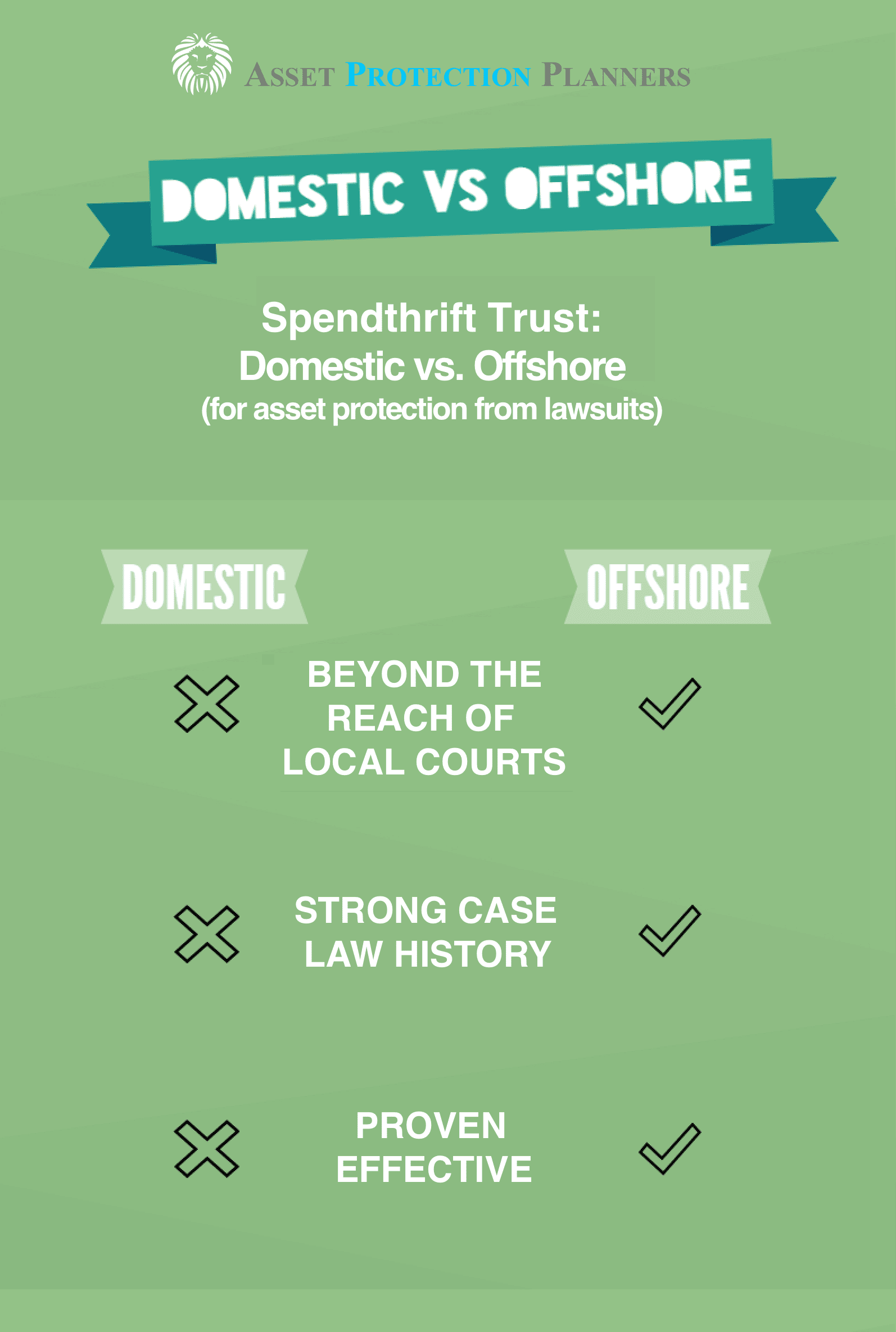
The enforceability and scope of spendthrift provisions can vary significantly from state to state within the United States, and from country to country. Some jurisdictions have statutes that specifically address spendthrift trusts, while others rely on common law principles. Certain states offer stronger protection than others. For instance, some states have specific exemptions for certain types of assets held in spendthrift trusts from creditor claims. It is imperative to consult with an estate planning attorney experienced in the relevant jurisdiction to understand the specific limitations and protections offered.
Limitations and Exceptions to Spendthrift Provisions
While spendthrift provisions are powerful tools for asset protection, they are not invincible. There are several well-established exceptions where creditors may still be able to access trust assets, even with a spendthrift clause in place.
Alimony and Child Support Obligations
One of the most significant exceptions to spendthrift provisions involves obligations for alimony and child support. Courts generally hold that individuals cannot use a spendthrift trust to evade their fundamental legal responsibilities to support their dependents. Therefore, creditors seeking to collect alimony or child support arrears are often able to reach a beneficiary’s interest in a spendthrift trust, even if other creditors are barred. The rationale is that such support obligations are considered paramount and should not be circumvented by trust structures.
Necessities Provided to the Beneficiary
Another common exception applies when a creditor has provided “necessities” to the beneficiary. This typically includes essential goods and services such as medical care, food, or shelter. The idea is that if someone has provided for a beneficiary’s basic needs, they should not be left unpaid because the beneficiary is receiving support from a trust that could otherwise satisfy the debt. The specifics of what constitutes a “necessity” can be interpreted differently by courts, but it generally refers to items crucial for the beneficiary’s survival and well-being.
Tort Claims and Government Liens
In certain circumstances, claims arising from tortious conduct (wrongful acts that cause harm, such as personal injury or fraud) committed by the beneficiary might also be an exception. Similarly, governmental entities seeking to collect taxes or other statutory liens may have avenues to access trust assets. The legal landscape surrounding these exceptions is complex and often depends on the specific nature of the claim and the jurisdiction’s laws.
Self-Settled Trusts and Fraudulent Conveyances
Spendthrift provisions are generally intended to protect beneficiaries from their own creditors, not to shield assets from the settlor’s creditors. If a settlor creates a trust for their own benefit and includes a spendthrift provision, such a “self-settled” trust is often viewed with suspicion by courts and may not offer the intended protection. Furthermore, if a trust is established with the intent to defraud existing creditors, it can be deemed a fraudulent conveyance and set aside, rendering the spendthrift provision ineffective.
Strategic Uses and Considerations
The decision to include a spendthrift provision in a trust is a strategic one, with implications for both the settlor and the beneficiary. It requires careful consideration of potential future financial scenarios and legal ramifications.
Estate Planning and Wealth Preservation
Spendthrift provisions are a cornerstone of sophisticated estate planning. They allow settlors to pass wealth to future generations while mitigating the risk of that wealth being squandered or lost due to a beneficiary’s financial irresponsibility or misfortune. For families with a history of financial difficulties or beneficiaries who are known for their lack of financial discipline, a spendthrift trust can be an invaluable tool for preserving family wealth. It ensures that the intended beneficiaries will have a source of financial support for their lifetime, or for a specified period, regardless of their ability to manage money wisely.
Protection for Beneficiaries with Special Needs
Spendthrift provisions are particularly useful when setting up trusts for beneficiaries with special needs. These individuals may be more vulnerable to financial exploitation or may not be able to manage large sums of money effectively. By using a spendthrift provision, settlors can ensure that the trust assets are preserved to provide for the beneficiary’s ongoing care and well-being, without jeopardizing eligibility for government benefits that often have strict asset limitations.
Choosing a Trustee with Care
The effectiveness of a spendthrift provision relies heavily on the trustee’s ability to exercise their duties diligently and according to the terms of the trust. The trustee is the gatekeeper of the trust assets, and they must understand and uphold the spendthrift clause. It is crucial for settlors to select a trustee who is trustworthy, financially astute, and understands the legal and fiduciary responsibilities involved. This could be an individual, a professional trustee, or a corporate trustee.

Legal and Financial Advice is Paramount
Given the complexities and jurisdictional variations surrounding spendthrift provisions, seeking expert legal and financial advice is non-negotiable. An experienced estate planning attorney can help draft a trust document that includes a spendthrift provision tailored to the specific needs and goals of the settlor and beneficiaries. Financial advisors can help beneficiaries understand their financial obligations and how to manage their finances in a way that complements the protections offered by the trust. Consulting with professionals ensures that the spendthrift provision is legally sound, enforceable, and achieves its intended purpose without unintended consequences.
aViewFromTheCave is a participant in the Amazon Services LLC Associates Program, an affiliate advertising program designed to provide a means for sites to earn advertising fees by advertising and linking to Amazon.com. Amazon, the Amazon logo, AmazonSupply, and the AmazonSupply logo are trademarks of Amazon.com, Inc. or its affiliates. As an Amazon Associate we earn affiliate commissions from qualifying purchases.