
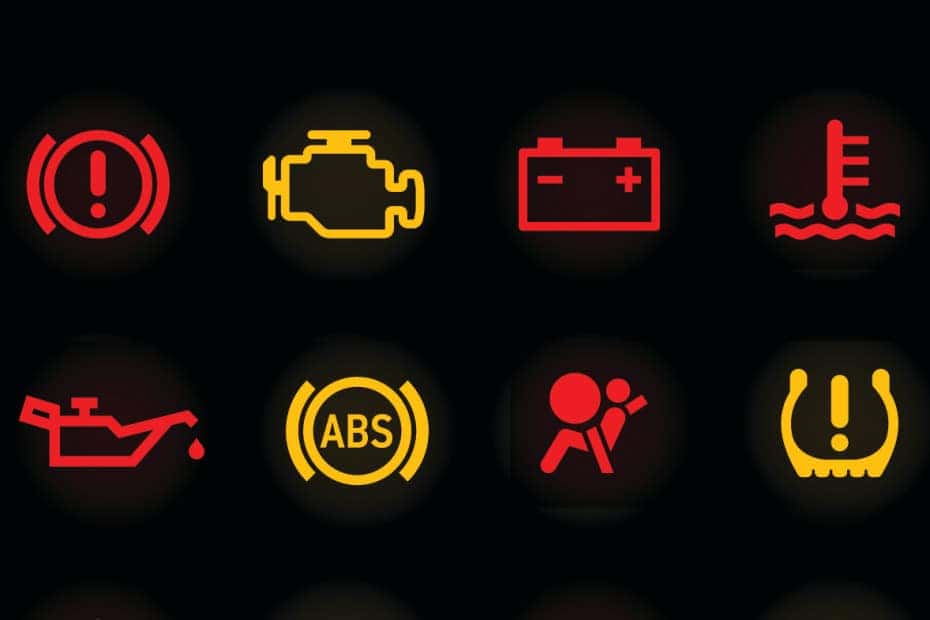
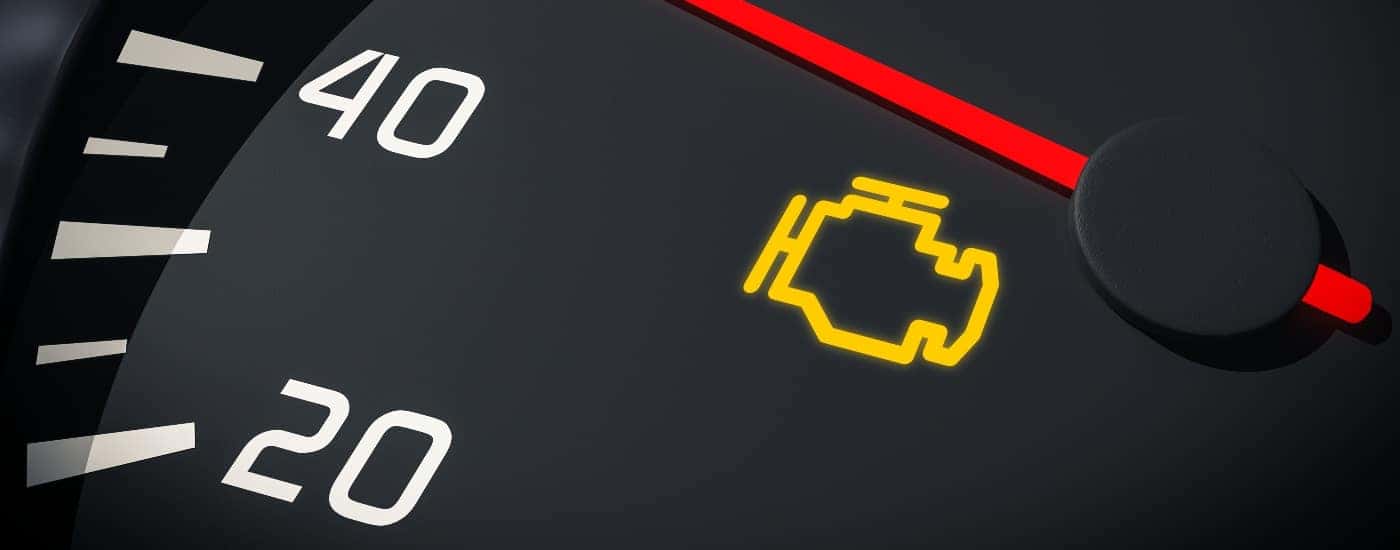
In the sophisticated ecosystem of modern automotive engineering, the dashboard serves as the primary user interface between a complex machine and its operator. Among the various icons and gauges, none is as universally recognized—or as frequently misunderstood—as the Malfunction Indicator Lamp (MIL). Commonly referred to as the “Check Engine Light,” the MIL is much more than a simple warning bulb; it is the visible endpoint of a highly advanced, integrated diagnostic system known as On-Board Diagnostics (OBD).
As vehicles transition from purely mechanical transport to software-defined machines, understanding the technical infrastructure behind the MIL becomes essential. It represents a triumph of digital integration, signifying the point where sensor data, software algorithms, and hardware reliability converge to maintain vehicle performance and environmental standards.
The Evolution of On-Board Diagnostics: From Mechanical to Digital
The history of the Malfunction Indicator Lamp is inextricably linked to the history of automotive computing. Before the 1980s, vehicle troubleshooting was a largely manual process involving physical inspection and vacuum gauges. The introduction of the MIL marked a paradigm shift in how engineers approached vehicle maintenance and longevity.
The Birth of OBD-I and the Path to Standardization
The first generation of On-Board Diagnostics (OBD-I) emerged in the 1980s as manufacturers began to integrate basic Electronic Control Units (ECUs) to manage fuel injection and ignition timing. During this era, the MIL was a rudimentary tool. Each manufacturer had its own proprietary communication protocols and fault codes. If the MIL illuminated in a 1988 Toyota, a technician needed specific Toyota-branded tools to interpret the data. This fragmentation limited the effectiveness of the lamp, as it served only as a vague signal that “something” was wrong, without a standardized language to explain “what.”
The Digital Revolution: OBD-II and the Software-Defined Vehicle
The true technological breakthrough occurred in 1996 with the federally mandated implementation of OBD-II. This transition standardized the hardware interface (the 16-pin DLC connector) and the software communication protocols (such as ISO 9141 and SAE J1850). The MIL became the universal translator for a vehicle’s internal health. In the contemporary era, the MIL is powered by High-Speed Controller Area Networks (CAN-bus), allowing different modules—the engine, transmission, and exhaust systems—to communicate at lightning speeds. The light is no longer just a trigger; it is the output of a massive data-processing operation occurring every millisecond.
How the MIL Functions: A Symbiosis of Sensors and Software
At its core, the Malfunction Indicator Lamp is a software-driven alert system. It does not monitor the mechanical parts themselves but rather the digital signatures produced by those parts. This distinction is critical for understanding why the lamp may illuminate even when a vehicle feels like it is performing normally.
The Role of the Electronic Control Unit (ECU)
The ECU acts as the brain of the vehicle. It constantly monitors a vast array of sensors, including Oxygen (O2) sensors, Mass Air Flow (MAF) sensors, and Crankshaft Position sensors. The ECU is programmed with “operating envelopes”—expected ranges of data for any given driving condition. When a sensor reports a value that falls outside these pre-programmed parameters for a specific duration (known as a “drive cycle”), the ECU recognizes a fault.
The MIL does not necessarily light up the instant a sensor flickers. To prevent “nuisance trips,” the software uses sophisticated filtering logic. It often requires the fault to occur across multiple drive cycles before it determines the issue is persistent enough to warrant driver intervention. This logic demonstrates the shift from simple electrical circuits to intelligent, decision-making software.
Interpreting the Data: DTCs and Protocol Standards
When the ECU triggers the MIL, it simultaneously stores a Diagnostic Trouble Code (DTC) in its non-volatile memory. These codes are standardized under ISO 15031. A code like P0300 (Random or Multiple Cylinder Misfire Detection) follows a specific alphanumeric structure:
- P identifies the system (Powertrain).
- 0 indicates a generic SAE code (1 would indicate a manufacturer-specific code).
- 3 pinpoints the subsystem (Ignition system or Misfire).
- 00 identifies the specific fault.
This standardized digital language allows third-party diagnostic software and hardware tools to interface with any vehicle, democratizing the repair process and ensuring that the MIL remains a reliable tech standard across the global automotive industry.
Advanced Diagnostic Categories and System Architecture
The scope of the MIL has expanded significantly with the rise of hybrid and electric powertrains. While originally focused on internal combustion emissions, the modern MIL manages a massive web of interconnected systems.
Powertrain and Emission Monitoring
The primary driver behind the MIL’s existence remains environmental compliance. The system monitors the efficiency of the catalytic converter, the integrity of the Evaporative Emission (EVAP) system, and the precision of the fuel-to-air ratio. In tech terms, the MIL is an “environmental gatekeeper.” If the software detects that the vehicle’s emissions will exceed 1.5 times the legal limit, the MIL must illuminate by law. This requires incredibly sensitive algorithms capable of detecting a microscopic leak in a fuel vapor line or a slight degradation in precious metal efficiency within the exhaust stream.
Network Communication and Chassis Sensors
In modern “connected” cars, the MIL also monitors the integrity of the vehicle’s internal network. If the Transmission Control Module (TCM) loses its high-speed data link with the Engine Control Module (ECM), the MIL will trigger a “U-series” (Network) code. This highlights the vehicle’s architecture as a local area network (LAN) on wheels. The MIL is the primary diagnostic indicator for failures in the digital handshake between these disparate computing nodes.
The Future of Vehicle Health: Telematics, AI, and Predictive Maintenance
The Malfunction Indicator Lamp is currently undergoing its most significant evolution since 1996. We are moving away from reactive diagnostics—where the light turns on after a failure—toward predictive diagnostics, powered by artificial intelligence and machine learning.
Edge Computing and Real-Time Fault Analysis
Modern vehicles are increasingly utilizing “edge computing,” where data is processed locally on the vehicle’s sensors before being sent to the central ECU. This allows for even faster MIL response times. Furthermore, advanced algorithms can now analyze patterns of data to predict when a component is likely to fail. For instance, if a fuel pump’s electrical current draw is slowly increasing over several weeks, the system can flag a “pending” fault before the pump actually dies, potentially alerting the driver via a mobile app or an enhanced dashboard message before the MIL even needs to glow solid orange.
Over-the-Air (OTA) Updates and Remote Diagnostics
With the rise of Tesla, Rivian, and legacy automakers moving toward OTA capabilities, the MIL is becoming part of a cloud-based ecosystem. In a traditional setup, an MIL required a physical visit to a technician. In the new tech landscape, manufacturers can remotely “ping” a vehicle’s OBD system to pull freeze-frame data—a snapshot of all sensor readings at the exact moment the MIL was triggered. In some cases, software bugs that trigger the MIL can be patched via an OTA update, resolving the “malfunction” without the owner ever lifting the hood.
Cybersecurity and the Integrity of Diagnostic Systems
As the MIL and the OBD system become more integrated with the internet through telematics, they present new challenges in the realm of digital security. The very port used to diagnose an MIL can, in theory, be used as an entry point for malicious actors.
Securing the OBD Port from External Intrusions
The automotive industry is currently grappling with how to keep diagnostic systems open for repair while closed to hackers. Technologies like “Secure Gateways” (SGW) are being implemented, requiring authenticated digital “keys” for diagnostic tools to clear an MIL or access certain modules. This adds a layer of encryption to the vehicle’s diagnostic infrastructure, ensuring that the MIL remains a tool for safety and maintenance rather than a vulnerability for remote exploitation.
The Ethical Implications of Proprietary Software
The tech-heavy nature of the modern MIL has also sparked a “Right to Repair” debate. As diagnostic data becomes more complex and encrypted, manufacturers often restrict full access to their authorized dealerships. The struggle over who “owns” the data behind the MIL—the manufacturer or the vehicle owner—is one of the defining legal and technological battles of the digital age.
Conclusion
The Malfunction Indicator Lamp is the visible vanguard of one of the most successful technical standards in human history. It represents the transition of the automobile from a mechanical device to a sophisticated, networked computer. By translating millions of data points into a single, actionable icon, the MIL ensures that vehicles remain efficient, safe, and compliant with global standards. As we look toward an era of autonomous driving and AI-driven maintenance, the MIL will continue to evolve, shifting from a simple warning light to a comprehensive, cloud-connected health monitor for the smart machines of the future.
aViewFromTheCave is a participant in the Amazon Services LLC Associates Program, an affiliate advertising program designed to provide a means for sites to earn advertising fees by advertising and linking to Amazon.com. Amazon, the Amazon logo, AmazonSupply, and the AmazonSupply logo are trademarks of Amazon.com, Inc. or its affiliates. As an Amazon Associate we earn affiliate commissions from qualifying purchases.