
In the intricate world of healthcare, where precision, patient safety, and effective communication are paramount, a seemingly unassuming element forms the bedrock of every interaction: the clinical note. Far more than just scribbled observations or digital entries, clinical notes are the meticulous records of a patient’s medical journey, capturing everything from initial complaints and diagnoses to treatments, progress, and future plans. They are the narrative thread that connects every touchpoint within the healthcare system, serving as an indispensable tool for clinicians, administrators, and even patients themselves.
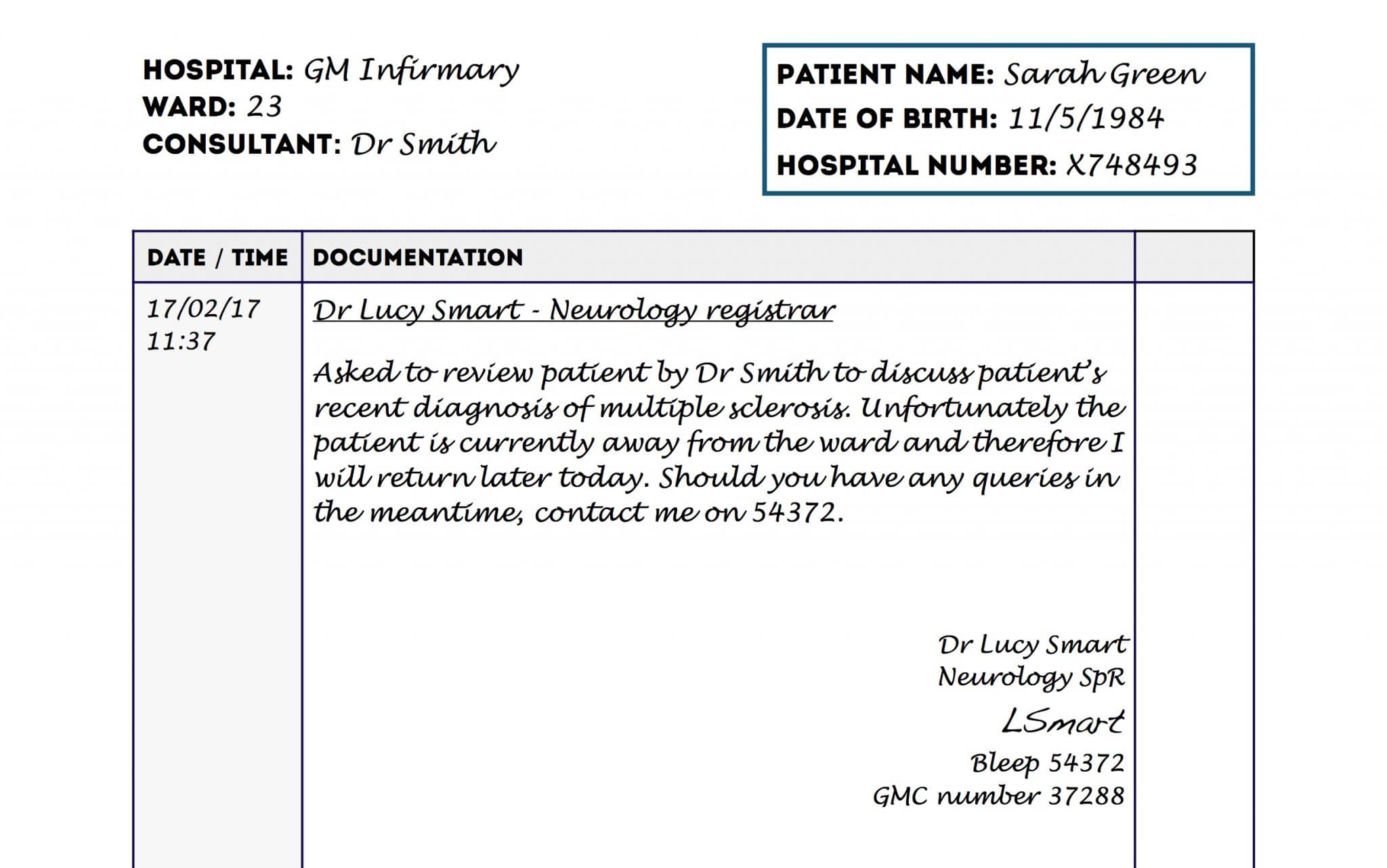
At its core, a clinical note is a document that records pertinent information about a patient’s health status and care. This includes subjective details (what the patient reports), objective findings (what the clinician observes or measures), assessments (the clinician’s diagnosis and understanding of the situation), and plans (proposed treatments, referrals, or follow-ups). The format and depth can vary widely depending on the specialty, the nature of the visit, and regulatory requirements, but the underlying purpose remains consistent: to ensure continuity of care, facilitate communication among healthcare providers, provide a legal record, and support billing and quality assurance processes. In an era increasingly defined by digital transformation, the nature and impact of these notes are profoundly shaped by technology, influencing everything from the branding of healthcare providers to the financial health of medical practices.

Defining Clinical Notes: The Foundation of Patient Care
Clinical notes are the essential chronicles of healthcare, meticulously detailing every aspect of a patient’s interaction with the medical system. They serve not only as a memory aid for individual practitioners but also as a critical communication bridge across a multidisciplinary team. Understanding their core purpose, diverse types, and the roles of those who create and utilize them is fundamental to appreciating their profound significance.
Purpose and Importance
The primary purpose of clinical notes is multifaceted. Foremost, they ensure continuity of care. By documenting a patient’s history, current condition, and treatment plan, any healthcare provider, at any given time, can quickly grasp the patient’s context without starting from scratch. This is vital in emergencies, during handovers between shifts, or when a patient sees multiple specialists. Secondly, notes are crucial for informed decision-making. They provide clinicians with the necessary data to evaluate treatment efficacy, adjust plans, and anticipate potential issues.
Beyond direct patient care, clinical notes play a significant role in legal and ethical compliance. They serve as a legal record of the care provided, protecting both the patient and the provider in case of disputes or malpractice claims. Accurate and comprehensive notes demonstrate adherence to professional standards and regulatory requirements, such as those governing patient privacy and data security. Furthermore, they are indispensable for research and public health. Aggregated and anonymized data from clinical notes can contribute to medical research, identify disease trends, and inform health policy, ultimately improving care for broader populations.
Types and Formats
Clinical notes come in various forms, each tailored to specific clinical contexts and information needs. Some common types include:
- Progress Notes: These document a patient’s status during subsequent visits or hospital stays, detailing changes, responses to treatment, and new findings. Often structured using the SOAP format (Subjective, Objective, Assessment, Plan).
- Initial Assessment Notes: Created at the first encounter, these provide a comprehensive overview of the patient’s history, current symptoms, physical examination findings, and initial diagnostic impressions.
- Discharge Summaries: Issued when a patient is discharged from a hospital or facility, summarizing their stay, treatment received, current condition, and follow-up instructions.
- Operative Notes: Detailed accounts of surgical procedures performed, including pre-operative diagnosis, procedure steps, findings, and post-operative plan.
- Consultation Notes: Records of a specialist’s assessment and recommendations when a patient is referred for expert opinion.
- Therapy Notes (e.g., Physical, Occupational, Mental Health): Specific to various therapeutic interventions, documenting sessions, patient progress, and ongoing treatment strategies.
Traditionally, these notes were handwritten, but the modern healthcare landscape is dominated by Electronic Health Records (EHRs). EHRs standardize formats, integrate data from multiple sources, and often incorporate templates to guide documentation, enhancing legibility, completeness, and accessibility.
Who Creates and Uses Them?
Virtually every healthcare professional involved in patient care creates or utilizes clinical notes. This broad spectrum includes:
- Physicians (Doctors): Primary creators of initial assessments, progress notes, and discharge summaries.
- Nurses: Document patient observations, medication administration, vital signs, and care plans.
- Physician Assistants and Nurse Practitioners: Often perform similar documentation roles as physicians.
- Allied Health Professionals: Such as physical therapists, occupational therapists, dietitians, and social workers, who document their specific interventions and patient progress.
- Medical Assistants and Scribes: May assist in gathering patient information and entering it into the EHR under direct supervision.
- Medical Coders and Billers: Rely heavily on clinical notes to accurately assign diagnostic and procedural codes for insurance reimbursement.
- Legal Professionals: Access notes during malpractice cases or legal inquiries.
- Researchers: Utilize anonymized data from notes for studies and clinical trials.
The collaborative nature of modern healthcare means that a single patient’s record is often a tapestry woven by multiple hands, making clarity, accuracy, and standardized practices in clinical note-taking absolutely essential.
The Tech Revolution in Clinical Documentation
The advent of technology has fundamentally reshaped the landscape of clinical documentation, transitioning from paper charts to sophisticated digital systems. This transformation, driven by advancements in software, artificial intelligence (AI), and cybersecurity, has profoundly impacted how clinical notes are created, accessed, and managed, intertwining directly with the “Tech” main topic of our website.
Electronic Health Records (EHRs) and Their Impact
The most significant technological shift in clinical documentation has been the widespread adoption of Electronic Health Records (EHRs), also known as Electronic Medical Records (EMRs). EHRs are digital versions of a patient’s paper chart, but their capabilities extend far beyond mere digitization. They are comprehensive, real-time, patient-centered records that make information available instantly and securely to authorized users.
The impact of EHRs is extensive:
- Enhanced Accessibility and Collaboration: EHRs allow multiple providers to access a patient’s record simultaneously from different locations, facilitating better coordination of care. This is critical for multidisciplinary teams and in scenarios like telemedicine.
- Improved Legibility and Completeness: Say goodbye to deciphering illegible handwriting. EHRs mandate structured input, reduce errors from missing information through required fields, and provide templates that guide comprehensive documentation.
- Streamlined Workflows: Integrated features like e-prescribing, order entry, and direct access to lab and imaging results simplify clinical processes, saving time and reducing administrative burden.
- Data Analytics and Reporting: EHRs capture vast amounts of structured data, which can be analyzed to identify trends, measure quality metrics, and support population health initiatives, contributing to evidence-based medicine.
- Patient Engagement: Many EHRs offer patient portals, allowing individuals to access their own health information, schedule appointments, and communicate with providers, fostering greater engagement in their care.
Despite their advantages, the initial implementation of EHRs can be costly and challenging, requiring significant investment in software, hardware, training, and ongoing maintenance. However, the long-term benefits in efficiency, patient safety, and data utilization generally outweigh these initial hurdles.
AI, Automation, and Enhanced Productivity
Artificial Intelligence (AI) and automation are the next frontiers in optimizing clinical note-taking, aligning perfectly with the “AI Tools” and “Productivity” aspects of technology. These innovations aim to reduce the time clinicians spend on documentation, allowing them to focus more on patient care.
Key applications include:
- Voice-to-Text Transcription: Advanced speech recognition software enables clinicians to dictate notes directly into the EHR, dramatically speeding up the documentation process compared to typing or handwriting. These tools often leverage machine learning to adapt to individual speech patterns and medical terminology.
- Medical Scribes (Virtual and AI-Powered): Virtual medical scribes listen to patient encounters (with consent) and populate the EHR in real-time. AI-powered scribes go a step further, using natural language processing (NLP) to extract key information from conversations, summarize findings, and even suggest relevant diagnostic codes. This significantly enhances productivity and reduces clinician burnout.
- Clinical Decision Support Systems (CDSS): While not directly note-taking tools, CDSS integrated into EHRs can analyze note content to flag potential drug interactions, suggest appropriate diagnostic tests, or recommend treatment pathways based on documented patient information, improving care quality and safety.
- Automated Data Extraction and Summarization: AI can quickly parse through lengthy patient histories to extract critical information, such as allergies, past medical conditions, and medication lists, and summarize them for quick review. This is invaluable in busy clinical settings where time is of the essence.
These AI tools and automation strategies not only save time but also contribute to more complete and accurate notes by reducing human error and ensuring standardized data capture.
Digital Security and Data Integrity in Healthcare
With the shift to digital documentation, the “Digital Security” aspect of technology becomes paramount. Clinical notes contain highly sensitive Protected Health Information (PHI), making them prime targets for cyberattacks. Safeguarding this data is not just an ethical imperative but a legal requirement under regulations like HIPAA in the United States and GDPR in Europe.

Essential components of digital security in healthcare IT include:
- Robust Encryption: All patient data, both in transit and at rest, must be encrypted to prevent unauthorized access.
- Access Controls and Authentication: Strict protocols ensure that only authorized personnel can access patient records, often involving multi-factor authentication and role-based access permissions.
- Audit Trails: EHR systems meticulously record every access, modification, and deletion of a clinical note, providing a transparent log for accountability and forensics in case of a breach.
- Regular Security Audits and Penetration Testing: Healthcare organizations must continuously assess their vulnerabilities and strengthen their defenses against evolving cyber threats.
- Employee Training: Human error remains a leading cause of data breaches. Comprehensive training on data privacy best practices, phishing awareness, and secure system usage is crucial.
- Data Backup and Disaster Recovery: Robust strategies ensure that patient data is regularly backed up and can be quickly restored in the event of system failures, natural disasters, or ransomware attacks, maintaining data integrity and business continuity.
The technological advancements in clinical documentation promise greater efficiency and improved patient care, but they are inextricably linked with the responsibility of maintaining the highest standards of digital security and data integrity.
Clinical Notes as a Pillar of Professional and Organizational Branding
In today’s competitive healthcare landscape, the “Brand” aspect — encompassing reputation, trust, and identity — is significantly influenced by the quality and management of clinical notes. These records are not merely administrative necessities; they are tangible representations of a clinician’s professionalism and an organization’s commitment to excellence.
Building Trust and Reputation Through Documentation
For individual clinicians, meticulous and comprehensive clinical notes are a cornerstone of their personal brand. A clinician who consistently produces clear, accurate, and timely documentation demonstrates a high level of diligence, attention to detail, and a thorough understanding of their patients’ needs. This translates into:
- Professional Credibility: Well-documented care instills confidence in colleagues, referring physicians, and, most importantly, patients. It signals competence and reliability.
- Improved Patient Outcomes: When care is well-documented, it leads to better coordination and fewer errors, directly contributing to positive patient experiences and outcomes. Patients often equate good outcomes with good care, which enhances the clinician’s reputation.
- Stronger Referrals: Other healthcare providers are more likely to refer patients to clinicians known for their excellent communication and documentation practices, reinforcing a positive professional image.
- Legal Protection: In the unfortunate event of a legal challenge, detailed notes are invaluable in defending the clinician’s actions, safeguarding their professional standing and reputation.
Conversely, sloppy, incomplete, or illegible notes can erode trust, suggest a lack of care or attention, and potentially lead to misunderstandings or medical errors, negatively impacting a clinician’s personal brand and career trajectory.
Standardized Practices and Corporate Identity
For healthcare organizations—hospitals, clinics, or integrated health systems—clinical notes are integral to their corporate identity and brand strategy. Standardized documentation practices across an organization reinforce its commitment to quality, safety, and consistent patient care.
- Consistent Quality of Care: When all clinicians within a system adhere to uniform documentation standards, it ensures a baseline level of quality and consistency in care delivery. This predictability builds patient confidence in the organization as a whole.
- Accreditation and Regulatory Compliance: Reputable healthcare organizations seek and maintain accreditation from bodies like The Joint Commission. Excellent documentation practices are crucial for passing these rigorous assessments, which directly contribute to the organization’s brand as a high-quality, safe provider.
- Evidence of Excellence: Clinical notes provide the data necessary for quality improvement initiatives. By analyzing trends and outcomes derived from notes, organizations can demonstrate their commitment to continuous improvement, which is a powerful brand message.
- Risk Management: Standardized, complete notes are a key component of an organization’s risk management strategy. They provide clear evidence of appropriate care, helping to mitigate legal risks and protect the organization’s reputation and financial stability.
- Employer Brand: Organizations known for efficient, user-friendly EHR systems and clear documentation policies are often more attractive to top-tier clinicians, enhancing their reputation as an employer of choice.
The design of EHR interfaces and the implementation of user-friendly documentation workflows also play a subtle but significant role in an organization’s brand. A well-designed, intuitive system reflects an investment in both staff efficiency and patient safety, projecting an image of modernity and professionalism.
The Clinician’s Personal Brand and Diligent Record-Keeping
Beyond the institutional level, individual clinicians can leverage diligent record-keeping as a direct component of their personal branding. In an age where information is readily shared and reputations can be quickly formed or tarnished, a clinician’s attention to their clinical notes speaks volumes.
- Showcasing Expertise: Comprehensive notes can reflect a clinician’s diagnostic reasoning, treatment rationale, and patient management skills. This implicit demonstration of expertise can be a powerful differentiator.
- Professional Network Impact: When other clinicians review a colleague’s notes, the quality of that documentation subtly shapes their perception of that individual’s competence and professionalism, influencing professional relationships and collaboration opportunities.
- Thought Leadership: Clinicians who meticulously document unique cases or innovative treatment approaches might eventually contribute to case studies or academic papers, further elevating their personal brand as thought leaders in their field.
In essence, clinical notes are not just back-office paperwork; they are front-line ambassadors of a clinician’s and an organization’s brand, directly influencing perceptions of trust, quality, and professionalism in the healthcare ecosystem.
The Financial Pulse: How Clinical Notes Drive Economic Outcomes
The impact of clinical notes extends deeply into the “Money” aspects of healthcare, influencing everything from daily revenue streams to long-term financial stability and strategic investments. Accurate and comprehensive documentation is not merely a clinical best practice; it is a critical financial tool that underpins the economic viability of healthcare providers and systems.
Billing, Reimbursement, and Revenue Cycle Management
Perhaps the most direct financial implication of clinical notes lies in their role in billing and reimbursement. Healthcare providers rely on these notes to justify the services rendered to insurance companies and government payers (like Medicare and Medicaid).
- Claim Substantiation: Every service, procedure, and diagnosis coded for billing must be clearly supported by documentation in the clinical note. If a note lacks sufficient detail or omits crucial information, the claim may be denied, resulting in lost revenue for the provider. This directly impacts the “Business Finance” of any practice.
- Coding Accuracy: Medical coders meticulously review clinical notes to assign appropriate diagnostic (ICD-10) and procedural (CPT) codes. Ambiguous or incomplete notes can lead to inaccurate coding, either under-coding (leaving money on the table) or over-coding (leading to audits and potential penalties).
- Revenue Cycle Management (RCM): Clinical notes are at the very beginning of the RCM process. Errors or deficiencies in documentation create bottlenecks, causing delays in claim submission, increased denial rates, and a slower cash flow. Efficient documentation streamlines the RCM, ensuring timely and accurate payments, which is vital for the financial health of any organization.
- Audits: Insurance payers frequently audit clinical records to verify the medical necessity and accuracy of billed services. Well-documented notes are essential for successfully navigating these audits, preventing repayment demands and protecting future reimbursement eligibility.
Without robust clinical notes, the entire billing and reimbursement ecosystem falters, leading to significant financial losses and administrative burdens for healthcare providers.
Mitigating Risks and Costs: Compliance and Malpractice
Beyond direct revenue, clinical notes play a crucial role in mitigating financial risks associated with legal and regulatory compliance, and potential malpractice claims. This speaks to the “Business Finance” and risk management aspects.
- Compliance and Penalties: Healthcare is a highly regulated industry. Improper documentation can lead to non-compliance with regulations like HIPAA (privacy), fraud and abuse laws (e.g., Stark Law, Anti-Kickback Statute), and specific payer requirements. Non-compliance can result in hefty fines, legal action, and exclusion from federal healthcare programs, posing a severe financial threat. Accurate notes demonstrate adherence to these complex rules.
- Malpractice Defense: Clinical notes are the primary evidence in medical malpractice lawsuits. Detailed, accurate, and contemporaneous notes can effectively defend against claims of negligence, demonstrating that appropriate standards of care were met. Conversely, incomplete, contradictory, or missing notes can significantly weaken a defense, leading to potentially devastating financial judgments and increased malpractice insurance premiums. Investing in quality documentation is a proactive risk mitigation strategy.
- Patient Safety and Error Reduction: While not a direct “money” aspect, preventing medical errors through clear documentation has substantial financial implications. Errors lead to extended hospital stays, additional procedures, and potential lawsuits, all of which are incredibly costly for healthcare systems. Well-structured notes reduce miscommunication and oversights, thereby reducing error rates and their associated financial burdens.
Investing in Efficient Documentation: ROI and Future Gains
The move towards digital documentation and the adoption of advanced technologies (as discussed in the “Tech” section) represents a significant financial investment. However, these investments often yield substantial returns on investment (ROI) over time, influencing “Financial Tools” and “Business Finance” decisions.
- Productivity Gains and Cost Savings: Implementing an efficient EHR system, coupled with AI-powered dictation or scribing tools, can drastically reduce the time clinicians spend on documentation. This freed-up time can be reallocated to seeing more patients, engaging in professional development, or reducing burnout, ultimately increasing billable hours and staff retention, which translates into financial savings and increased revenue.
- Improved Data Utilization for Strategic Planning: The rich, structured data contained within digital clinical notes can be analyzed for strategic business insights. This includes identifying areas for operational efficiency, optimizing resource allocation, understanding patient demographics for targeted services, and even assessing the financial performance of different service lines.
- Reduced Administrative Costs: While EHRs have upfront costs, they can reduce long-term administrative expenses associated with paper charts (storage, retrieval, manual processing). Automated coding suggestions and streamlined billing processes reduce the need for manual review and resubmission, further cutting costs.
- Online Income / Consulting Opportunities (Niche): While not for every clinician, expertise in clinical documentation, particularly with modern EHR systems and compliance, can open doors to side hustles in medical coding consulting, EHR implementation training, or medico-legal chart review, offering an avenue for additional income.
In conclusion, clinical notes are foundational to healthcare finance. From ensuring prompt reimbursement to mitigating legal risks and driving operational efficiencies, the diligent creation and management of these records are indispensable for the economic health and sustainability of every medical practice and healthcare organization.
aViewFromTheCave is a participant in the Amazon Services LLC Associates Program, an affiliate advertising program designed to provide a means for sites to earn advertising fees by advertising and linking to Amazon.com. Amazon, the Amazon logo, AmazonSupply, and the AmazonSupply logo are trademarks of Amazon.com, Inc. or its affiliates. As an Amazon Associate we earn affiliate commissions from qualifying purchases.