
Aluminium, a metal celebrated for its remarkable blend of lightness, strength, and corrosion resistance, is a cornerstone of modern industry and daily life. From the wings of aeroplanes to the sleek chassis of our smartphones, its presence is ubiquitous. Understanding its fundamental properties, especially its melting point, is not merely a scientific curiosity but a critical piece of knowledge that underpins countless technological advancements, drives economic decisions, and shapes the branding of products we interact with daily.
At its core, the melting point of aluminium is a precise scientific value: 660.3 degrees Celsius (1220.5 degrees Fahrenheit). This specific temperature marks the transition phase where solid aluminium transforms into its liquid state, allowing it to be cast, moulded, and recycled into an endless array of forms. However, this seemingly simple number opens up a vast world of complexity and opportunity when viewed through the lens of technology, brand strategy, and finance – the very main topics of our exploration.

The Core Science: Unpacking Aluminium’s Thermal Properties
The melting point of a material is more than just a data point; it’s a fundamental property that dictates how a material behaves under heat and, consequently, its suitability for various applications. For aluminium, its relatively low melting point compared to other structural metals like steel (which melts around 1370-1530°C) is a significant advantage in many industrial processes.
The Fundamental Number: 660.3°C (1220.5°F)
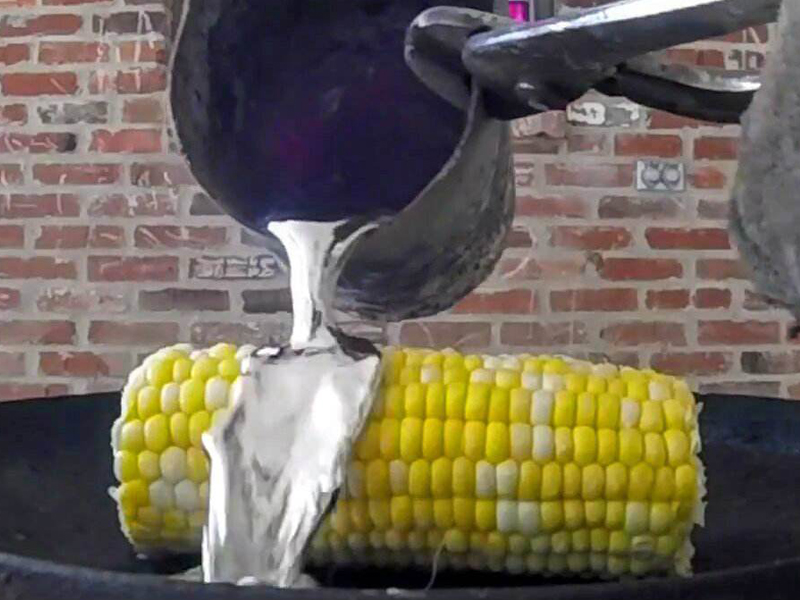
The precise melting point of pure aluminium, as established by international standards, stands at 660.3°C or 1220.5°F. This specific temperature is a crucial benchmark for engineers, metallurgists, and manufacturers worldwide. It defines the minimum energy required to bring aluminium to its liquid state, a process fundamental to almost all methods of primary production, refining, and recycling.
At this temperature, the atomic bonds within the solid crystalline structure of aluminium weaken sufficiently for the atoms to move freely past one another, resulting in the characteristic flow of a liquid. This transition is reversible; as the molten aluminium cools below this point, it re-solidifies, taking on the shape of its mould or container. This phase change is an endothermic process, meaning it absorbs heat to occur, and the reverse (solidification) is exothermic, releasing heat.
Factors Influencing Melting Point: Alloys and Purity
While 660.3°C is the standard for pure aluminium, the vast majority of aluminium used in industrial applications is in the form of alloys. An aluminium alloy is a mixture where aluminium is the primary metal, combined with smaller amounts of other elements such as silicon, magnesium, copper, zinc, and manganese. These alloying elements are added to enhance specific properties like strength, ductility, corrosion resistance, or machinability.
The presence of these additional elements significantly influences the alloy’s melting point. Generally, alloying elements tend to lower the melting point of aluminium, creating a melting range rather than a single, sharp point. For instance, some common aluminium alloys might have melting points anywhere from 450°C to 650°C. This variability is a critical consideration in manufacturing processes. For example:
- Eutectic Alloys: Some alloy compositions can result in a eutectic point, where the alloy melts at a single, lower temperature than either of its constituent metals. This property is exploited in casting to achieve better flow characteristics and reduce energy consumption.
- Solidus and Liquidus Temperatures: For most alloys, there’s a solidus temperature (below which the alloy is entirely solid) and a liquidus temperature (above which the alloy is entirely liquid). Between these two temperatures, the alloy exists as a slushy mixture of solid and liquid phases. Understanding this range is vital for processes like welding, where controlled heating and cooling are paramount to avoid defects.
The purity of aluminium also plays a role. Even trace impurities can slightly alter the melting point. High-purity aluminium, often used in specialized electronic applications, will adhere very closely to the 660.3°C mark, while lower grades with more inherent impurities might exhibit slight deviations. This scientific understanding of thermal properties forms the bedrock upon which the technological, branding, and financial aspects of aluminium are built.
Aluminium in the Tech Frontier: Innovation at High Temperatures
The precise control over aluminium’s melting and solidification processes is fundamental to its widespread adoption in technology. From consumer electronics to cutting-edge aerospace engineering, the ability to manipulate aluminium’s state is a testament to sophisticated technological advancements.
From Gadgets to Aerospace: Aluminium’s Ubiquity
Aluminium’s unique combination of properties makes it indispensable across a spectrum of technological applications. Its high strength-to-weight ratio is crucial for the aerospace industry, where every kilogram saved translates into significant fuel efficiency and payload capacity. Aircraft components, from fuselage skins to engine parts, rely heavily on aluminium alloys engineered for specific thermal and mechanical stresses. The ability to melt and cast these alloys into complex shapes, followed by heat treatments to achieve desired properties, is a direct application of understanding its melting point.
In consumer technology, aluminium has become a material of choice for premium devices. Laptops, smartphones, and tablets often feature aluminium unibody designs, valued for their sleek aesthetics, durability, and excellent heat dissipation properties. The manufacturing of these intricate components involves precision casting, CNC machining, and anodizing – all processes that start with molten aluminium. The precise control of temperature during these manufacturing steps ensures the integrity and aesthetic quality of the final product, directly impacting user experience and product lifespan.
Beyond these, aluminium is vital in:
- Automotive Industry: Lighter vehicles mean better fuel economy and reduced emissions. Engine blocks, body panels, and wheel rims are increasingly made from aluminium.
- Electrical Conductivity: Its excellent electrical conductivity makes it suitable for power transmission lines and electronic components.
- Renewable Energy: Solar panel frames and wind turbine components benefit from aluminium’s durability and light weight.
Advanced Manufacturing: Shaping the Future with Heat
The melting point of aluminium is a critical parameter in advanced manufacturing processes that push the boundaries of what’s possible. Technologies like 3D printing (additive manufacturing) for metals are revolutionizing how aluminium components are designed and produced.
- Selective Laser Melting (SLM) and Electron Beam Melting (EBM): These processes involve melting and fusing layers of aluminium powder using a high-powered laser or electron beam. The exact melting point dictates the energy requirements and process parameters to achieve dense, high-quality parts with complex geometries. Understanding how different aluminium alloys behave at their melting range is key to preventing defects like warping or internal stresses.
- High-Pressure Die Casting: This mass production technique involves injecting molten aluminium into a steel mould under high pressure. The precise temperature control of the molten metal is paramount for achieving intricate details, smooth surfaces, and high dimensional accuracy in parts ranging from engine components to electronic enclosures.
- Friction Stir Welding: While not involving full melting, this solid-state joining process uses the heat generated by friction to soften the aluminium, allowing materials to mix and form a strong bond. Even here, the proximity to the melting point influences the material’s plasticity and the quality of the weld.
The evolution of these manufacturing techniques is deeply intertwined with a mastery of aluminium’s thermal characteristics, including its melting point, thermal conductivity, and specific heat capacity.
AI and Digital Twins: Optimizing Thermal Processes
In the age of Industry 4.0, technology trends like AI, machine learning, and digital twins are being leveraged to optimize manufacturing processes involving aluminium. For example:
- AI-driven Process Optimization: AI algorithms can analyze vast datasets from melting furnaces, casting machines, or 3D printers, correlating temperature fluctuations, energy input, and material purity with the quality of the final product. This allows for predictive maintenance, real-time adjustments, and optimization of energy consumption to maintain aluminium at its ideal molten state or precise solidification profile.
- Digital Twins for Foundries: A digital twin is a virtual replica of a physical system or process. In an aluminium foundry, a digital twin can simulate the entire melting and casting process, allowing engineers to test different alloy compositions, furnace temperatures, mould designs, and cooling rates without costly physical prototypes. This helps predict how the material will behave at and around its melting point, identify potential defects, and optimize parameters for efficiency and quality.
- Advanced Sensors and IoT: Internet of Things (IoT) sensors deployed throughout manufacturing facilities provide continuous data on temperature, pressure, and flow rates during melting and casting. This real-time data feeds into AI models, enabling immediate responses to deviations and ensuring that aluminium is processed precisely at its optimal thermal state.
These technological advancements ensure that the fundamental melting point of aluminium is not just understood, but actively controlled and optimized to produce superior products more efficiently and sustainably.
Building Brands with Aluminium: Strength, Style, and Sustainability
Beyond its technical specifications, aluminium’s properties, derived in part from its behaviour at its melting point, significantly contribute to brand strategy and corporate identity. The material itself becomes a part of a product’s story, influencing consumer perception and reinforcing brand values.
The Premium Touch: How Material Elevates Brand Perception
The choice of material is a powerful branding tool. For many companies, especially in the technology and automotive sectors, using aluminium immediately conveys a sense of premium quality, durability, and sophisticated design.
- Aesthetics: When molten aluminium is precisely cast or machined, it can achieve incredibly smooth surfaces, intricate details, and a distinctive metallic sheen. Anodizing further allows for a wide range of durable and appealing colours. These aesthetic qualities contribute to the “feel” of a high-end product, from a sleek laptop to a luxurious car interior. Brands like Apple have famously embraced aluminium for its minimalist beauty and tactile sensation, establishing it as a hallmark of their product design.
- Durability and Performance: Consumers associate aluminium with strength and resilience without the added weight of steel. A device housed in aluminium feels solid and capable of withstanding daily wear and tear. This perception of robustness builds trust and reinforces a brand’s commitment to quality and longevity.
- Thermal Management: In devices that generate heat, like powerful processors, aluminium’s excellent thermal conductivity (derived from its crystalline structure and ability to be finely engineered during its molten state) is a significant advantage. Brands can highlight how aluminium chassis aid in cooling, contributing to sustained performance and product reliability – a key selling point for high-performance gadgets.
By leveraging aluminium’s inherent characteristics, brands can craft a narrative of innovation, reliability, and superior user experience, differentiating their products in a competitive market.
Branding the Future: Sustainability and the Circular Economy
The melting point of aluminium is not just about primary production; it’s crucially important for its exceptional recyclability. Aluminium can be recycled indefinitely without significant loss of quality, and remelting aluminium typically requires only about 5% of the energy needed to produce virgin metal from ore. This makes aluminium a poster child for the circular economy.
- Green Branding: Companies that use recycled aluminium can prominently feature this in their marketing, appealing to environmentally conscious consumers. Brands can communicate their commitment to reducing carbon footprints and conserving natural resources, enhancing their reputation and attracting a segment of the market increasingly prioritizing sustainability.
- Corporate Social Responsibility (CSR): Highlighting the use of recycled aluminium or participating in aluminium recycling initiatives demonstrates strong CSR. This not only builds a positive brand image but can also attract socially responsible investors and employees.
- Life Cycle Assessment (LCA): Brands can use LCAs to quantify the environmental benefits of using aluminium, especially recycled content. This data can then be used in marketing materials to substantiate claims of sustainability, building credibility and trust. The ability to melt and reform aluminium at 660.3°C time and again, with minimal energy relative to primary production, is a powerful story for any brand committed to a greener future.
Reputation and Reliability: A Material’s Promise
A brand’s reputation is built on consistency and reliability. The predictable behaviour of aluminium at its melting point allows manufacturers to consistently produce high-quality components. This consistency, in turn, underpins the reliability of the final product.
- Quality Control: Rigorous control over the melting and casting processes, guided by precise knowledge of the material’s thermal properties, ensures that aluminium components meet strict quality standards. This attention to detail safeguards the brand’s reputation for producing reliable and defect-free products.
- Engineering Excellence: Brands associated with complex engineering products, such as aerospace or high-performance automotive parts, often highlight their use of advanced materials like custom aluminium alloys. This showcases their engineering prowess and commitment to pushing boundaries, further enhancing their brand image.
In essence, aluminium, through its predictable melting point and versatile properties, provides a tangible foundation for brands to build narratives of quality, innovation, and responsibility.
The Economics of Melting: Money, Markets, and Manufacturing
The melting point of aluminium is not just a scientific constant or a design enabler; it’s a critical factor with profound economic implications, influencing everything from energy costs and investment decisions to market dynamics and business opportunities.
Energy Costs and Financial Efficiencies
The process of melting aluminium is energy-intensive. While primary production from bauxite ore requires vast amounts of electricity (mainly for electrolysis), secondary production (recycling) significantly reduces this energy demand.
- Operational Expenditure (OpEx): For foundries and manufacturing plants, the cost of heating aluminium to its melting point and maintaining it in a molten state represents a substantial portion of operational expenses. Energy prices, therefore, directly impact profitability. Companies constantly invest in more energy-efficient furnaces, recuperators, and process controls to minimize this cost. Even small improvements in thermal efficiency, often guided by AI and digital twins as discussed earlier, can lead to significant financial savings over time.
- Capital Expenditure (CapEx): Investing in equipment capable of safely and efficiently melting aluminium – such as induction furnaces, reverberatory furnaces, or crucible furnaces – requires significant capital. The choice of furnace technology is often dictated by the scale of operations, the type of alloy being processed, and the desired energy efficiency, all of which are tied to the specific thermal properties of aluminium.
- Recycling Economics: The lower energy requirement for remelting (only about 5% of primary production) makes aluminium recycling incredibly attractive economically. Companies can save substantial amounts on energy costs by using recycled scrap, translating directly into higher profit margins. This economic incentive is a primary driver behind the robust global aluminium recycling industry.
Investing in the Aluminium Sector: A Commodities Perspective
The aluminium market is a significant segment of the global commodities landscape, and its price is influenced by numerous factors, including global supply and demand, energy costs, and geopolitical events. Investors can gain exposure to aluminium through various financial tools.
- Commodity Trading: Aluminium is traded on major commodity exchanges like the London Metal Exchange (LME). Investors can buy futures contracts, options, or exchange-traded funds (ETFs) that track aluminium prices. Understanding the fundamental drivers of supply and demand, including the energy costs associated with melting and production, is crucial for successful commodity investing.
- Investing in Aluminium Companies: This involves buying shares of companies involved in mining bauxite, refining alumina, primary aluminium smelting, or downstream fabrication (e.g., Alcoa, Rio Tinto, Norsk Hydro, Constellium). The financial performance of these companies is directly linked to the operational efficiencies of their melting and manufacturing processes, as well as the prevailing market prices for aluminium.
- Sustainable Investing: Given aluminium’s high recyclability, companies with strong commitments to circular economy principles and significant recycled content in their products can be attractive to ESG (Environmental, Social, and Governance) investors. Their financial performance often benefits from lower energy costs and strong brand reputation built on sustainability.

Business Opportunities: From Fabrication to Recycling
The properties of aluminium, especially its manageable melting point, create a wealth of business opportunities across various stages of its lifecycle.
- Custom Fabrication and Manufacturing: Businesses specializing in custom aluminium fabrication, casting, or machining cater to diverse industries like aerospace, automotive, construction, and consumer electronics. These ventures leverage their expertise in controlling the melting and forming processes to create high-value, bespoke components.
- Aluminium Recycling and Scrap Management: The economic incentive of recycling fosters a robust industry around collecting, sorting, and remelting aluminium scrap. Businesses involved in scrap metal processing, dross recovery (extracting aluminium from impurities after melting), and secondary aluminium production play a vital role in the circular economy, creating jobs and value from what would otherwise be waste.
- Tooling and Equipment Suppliers: Companies that design and manufacture furnaces, casting machines, moulds, and other equipment for aluminium processing represent another significant business segment. Their innovation in energy efficiency and process control directly impacts the profitability and capabilities of the wider aluminium industry.
- Consulting and R&D: Experts in metallurgy, thermal engineering, and advanced manufacturing processes offer consulting services to optimize aluminium production, reduce defects, and develop new alloys or applications. Research and development in areas like additive manufacturing for aluminium alloys continue to open new markets and business avenues.
The financial ecosystem surrounding aluminium is complex and dynamic. From the vast capital expenditures in smelters to the daily fluctuations in commodity prices, and from the profit margins of individual foundries to the growth opportunities in recycling, the melting point of aluminium is a quiet yet powerful economic driver.
In conclusion, the seemingly simple fact of “what’s the melting point of aluminium” unfolds into a fascinating narrative that connects fundamental science with the most advanced technological trends, shapes powerful brand identities, and underpins a multi-billion-dollar global economy. This humble metal, with its precise thermal transition at 660.3°C, is far more than just a material; it is a catalyst for innovation, a symbol of modern design, and a cornerstone of global commerce.
aViewFromTheCave is a participant in the Amazon Services LLC Associates Program, an affiliate advertising program designed to provide a means for sites to earn advertising fees by advertising and linking to Amazon.com. Amazon, the Amazon logo, AmazonSupply, and the AmazonSupply logo are trademarks of Amazon.com, Inc. or its affiliates. As an Amazon Associate we earn affiliate commissions from qualifying purchases.