
The health and functionality of a septic system are paramount for homeowners who rely on these decentralized wastewater treatment solutions. A clogged drain can quickly escalate from an inconvenience to a costly repair if the wrong cleaning agent is introduced. Understanding the technical implications of various drain cleaner formulations is crucial to safeguarding the delicate ecosystem within a septic tank and the surrounding drain field. This article delves into the science behind drain cleaners and septic systems, offering a technically informed perspective on what is safe and what is not.

Understanding Septic System Mechanics and Chemistry
Septic systems are ingenious, albeit complex, biological and mechanical systems designed to treat household wastewater. They consist of a primary septic tank and a secondary drain field. The septic tank is where solids settle and are separated from liquids. Anaerobic bacteria, a crucial component of this technology, begin the decomposition process of organic waste. The liquid effluent then flows into the drain field, where it is further filtered and treated by aerobic bacteria in the soil. This entire process relies on a carefully balanced microbial community and the integrity of the system’s components.
The Role of Bacteria in Septic Systems
The effectiveness of a septic system is directly tied to the health and activity of its bacterial population. Anaerobic bacteria in the septic tank break down sludge and scum, reducing the volume of solid waste. Aerobic bacteria in the drain field further purify the effluent, removing harmful pathogens and nutrients before the water re-enters the groundwater. Introducing harsh chemicals can disrupt this microbial balance, leading to system overload, inefficient treatment, and potential environmental contamination.
Chemical Interactions and Potential Pitfalls
Drain cleaners, in essence, are chemical solutions designed to dissolve or break down obstructions in pipes. These obstructions are typically composed of grease, hair, soap scum, and food particles. The chemical agents employed can range from strong acids and bases to oxidizing agents and enzymes. When these chemicals encounter the environment within a septic system, their reactions can be detrimental. Corrosive chemicals can damage the tank’s materials, including concrete and plastic. Strong oxidizers can kill beneficial bacteria, halting the decomposition process and leading to sludge buildup. Solvents can break down essential components of the waste, making it harder for bacteria to process.
Classifying Drain Cleaner Technologies and Their Septic System Compatibility
The vast array of drain cleaners available on the market can be broadly categorized based on their active ingredients and their mechanism of action. Each category presents a different risk profile for septic systems. A technical understanding of these classifications is the first step in making an informed choice.
Caustic-Based Cleaners: A High-Risk Proposition
Caustic drain cleaners, often found in liquid or crystal form, typically contain strong bases like sodium hydroxide (lye) or potassium hydroxide. These chemicals are highly effective at breaking down organic matter like grease and hair through a process called saponification, where fats are converted into soap and glycerol.
Saponification and its Septic System Implications
While effective for clearing clogs in conventional plumbing, saponification in a septic system can have adverse effects. The resulting soap and glycerol are still organic compounds that need to be further broken down by bacteria. Large doses of these byproducts can overload the system’s bacterial capacity. More critically, the heat generated by the chemical reaction can also be detrimental to the microbial population. Furthermore, the extreme pH levels created by caustic cleaners can directly kill beneficial bacteria, severely impairing the septic tank’s primary treatment function. Prolonged exposure to high alkalinity can also contribute to the corrosion of metal components within older septic systems.
Acid-Based Cleaners: Corrosive and Destructive
Acid-based drain cleaners, often containing sulfuric acid or hydrochloric acid, are designed to dissolve a wider range of materials, including rust and mineral buildup, in addition to organic debris.
The Corrosive Nature of Acids and Septic Integrity
The highly corrosive nature of acids poses a significant threat to septic system components. They can rapidly degrade PVC pipes, metal fittings, and even concrete septic tanks. Beyond physical damage, acids drastically lower the pH of the wastewater, creating an environment that is toxic to the anaerobic bacteria responsible for waste decomposition. This disruption can lead to a buildup of undigested solids in the septic tank, which can then migrate to the drain field, clogging its pores and rendering it ineffective. The long-term consequences of repeated acid use can include premature system failure and expensive repairs.
Oxidizing Agents: A Mixed Impact
Cleaners containing oxidizing agents, such as sodium hypochlorite (bleach) or hydrogen peroxide, work by breaking down organic matter through chemical oxidation.
Balancing Oxidation and Bacterial Survival
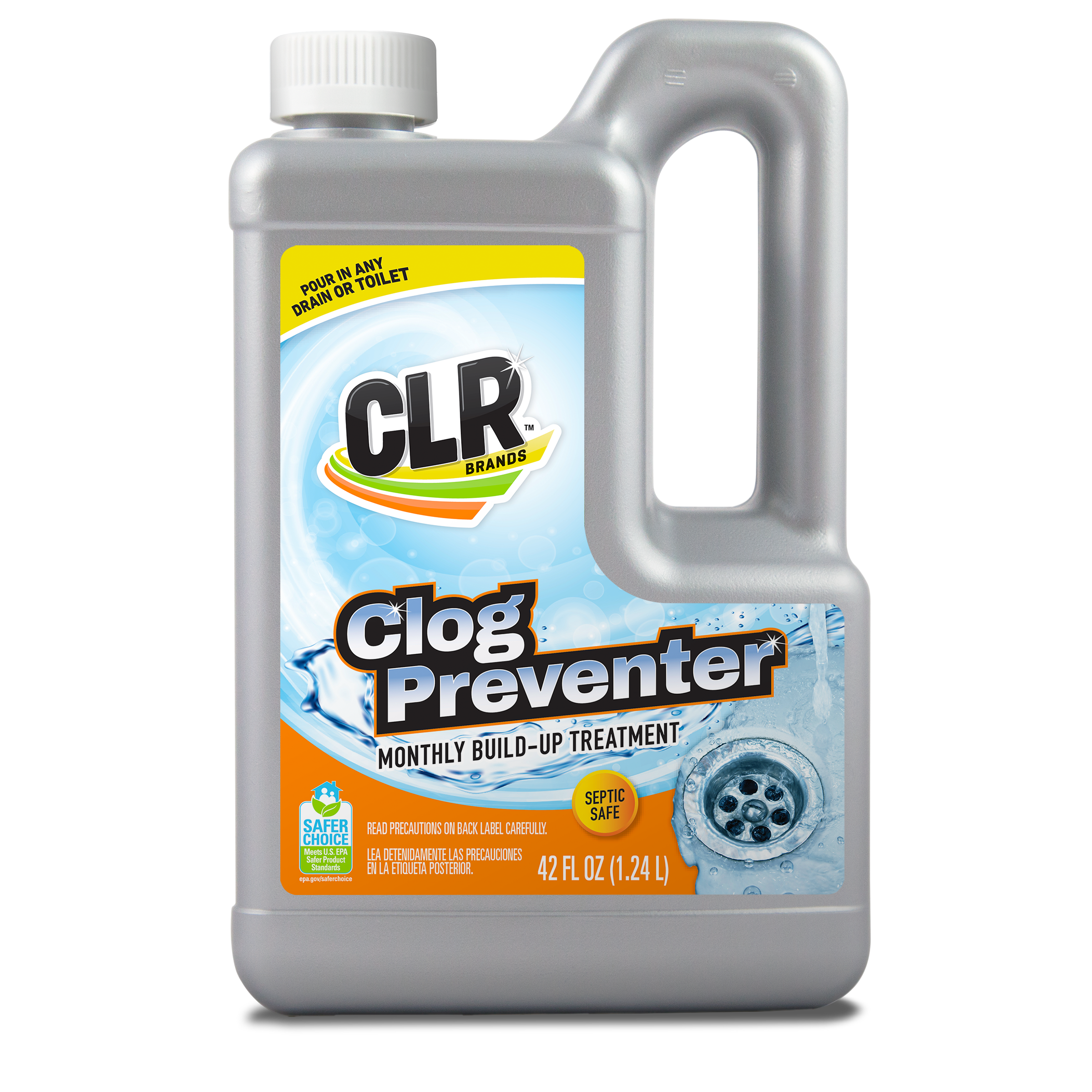
Oxidizing agents can be effective at dissolving organic clogs. However, their impact on septic systems is nuanced. While milder oxidizers like hydrogen peroxide, when used in small, infrequent amounts, might have a less severe impact, stronger agents like bleach can be highly detrimental to the bacterial population. High concentrations of bleach can indiscriminately kill both beneficial and harmful bacteria, disrupting the entire waste treatment process. While some specialized septic-safe drain cleaners may incorporate very dilute, stabilized oxidizing agents, general-purpose bleach-based cleaners should be avoided. The key concern here is the concentration and frequency of use; even seemingly innocuous oxidizing agents can become problematic in sufficient quantities or with regular application.
Enzyme and Bacterial Cleaners: The Septic-Safe Approach
In stark contrast to the chemically aggressive cleaners, enzyme and bacterial formulations are specifically designed to work in harmony with septic systems. These products utilize biological agents to break down waste.
The Biological Power of Enzymes and Bacteria
Enzyme cleaners contain biological catalysts that speed up the natural breakdown of organic matter without resorting to harsh chemicals. They target specific types of waste, such as grease, starches, and proteins, effectively liquefying them. Bacterial cleaners introduce or bolster the population of beneficial microorganisms already present in the septic tank. These introduced bacteria are selected for their ability to efficiently digest sludge and scum. The technical advantage of these cleaners lies in their gentle, natural approach. They do not alter the pH of the system, do not produce harmful byproducts, and actively contribute to the biological processes essential for septic system health. When choosing a drain cleaner for a household with a septic system, these biological solutions represent the most technically sound and environmentally responsible option.
Making Informed Choices: Practical Guidelines for Septic System Owners
Navigating the world of drain cleaners requires a conscious effort to understand the underlying technology and its impact on your septic system. By adopting a proactive approach and prioritizing preventative maintenance, homeowners can significantly reduce the risk of clogs and prolong the lifespan of their investment.
Prioritizing Prevention: The First Line of Defense
The most effective strategy for maintaining a healthy septic system is to prevent clogs from forming in the first place. This involves educating household members about what should and should not go down the drain.
What to Avoid: The Unseen Culprits
Certain items, when flushed down drains, contribute to sludge buildup and clog formation. These include coffee grounds, eggshells, cooking grease and oils (which solidify at cooler temperatures), fibrous food waste, paper products (other than toilet paper designed for septic systems), feminine hygiene products, cotton swabs, and hair. Even seemingly harmless items like “flushable” wipes can contribute to significant problems as they do not fully disintegrate in septic systems. Regular cleaning of sink strainers and shower drains can also help prevent larger debris from entering the system.
Identifying Septic-Safe Drain Cleaner Formulations
When a clog does occur and a drain cleaner is deemed necessary, the selection process must be meticulous. Look for products explicitly labeled as “septic-safe” or “safe for septic systems.”
Decoding Labels and Understanding Certifications
The term “septic-safe” is not always rigorously regulated, but it indicates an intention to avoid harmful chemicals. A technically sound septic-safe cleaner will typically rely on enzymes or beneficial bacteria as its primary cleaning agents. It will explicitly state that it does not contain harsh acids, bases, or strong oxidizing agents. Some products may carry certifications from reputable organizations that test and verify their claims regarding septic system compatibility. If in doubt, it is always best to consult the manufacturer’s product information or contact a septic system professional. A good indicator of a septic-safe product is one that promotes biological action rather than chemical dissolution.
When to Call a Professional: Recognizing System Distress
Despite best efforts, septic system issues can arise. Recognizing the signs of distress and knowing when to seek professional help is crucial for avoiding further damage.
Recognizing Early Warning Signs and Professional Intervention
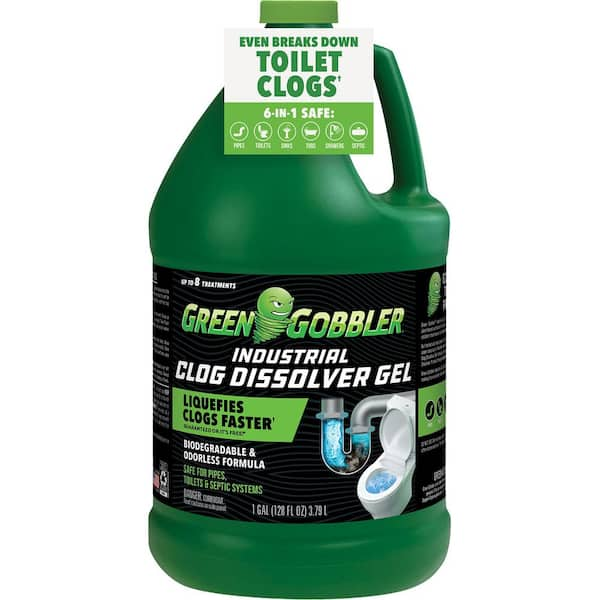
Common indicators of a failing or overloaded septic system include slow-draining toilets and sinks, sewage odors in and around the home, gurgling sounds from the plumbing, and sewage backups. If these symptoms appear, it is imperative to refrain from using any drain cleaners, especially conventional ones, as this can exacerbate the problem. Instead, contact a qualified septic system professional. They have the expertise and specialized equipment to diagnose the issue accurately, perform necessary pumping of the septic tank, clear blockages, and recommend appropriate repairs or maintenance. Early intervention by a professional can often prevent catastrophic system failure and significantly reduce repair costs.
In conclusion, the technical understanding of how drain cleaners interact with the biological and chemical processes within a septic system is fundamental to its longevity and effective operation. By prioritizing preventative measures, choosing technically appropriate septic-safe cleaners, and recognizing the importance of professional intervention, homeowners can ensure their septic systems function reliably and efficiently for years to come.
aViewFromTheCave is a participant in the Amazon Services LLC Associates Program, an affiliate advertising program designed to provide a means for sites to earn advertising fees by advertising and linking to Amazon.com. Amazon, the Amazon logo, AmazonSupply, and the AmazonSupply logo are trademarks of Amazon.com, Inc. or its affiliates. As an Amazon Associate we earn affiliate commissions from qualifying purchases.