
The avian world is full of fascinating creatures, each with its own unique set of behaviors and ecological roles. Among the most recognizable and captivating is the rooster, the male of the domestic fowl species. While often associated with its iconic crow and its role as a farmyard sentinel, the functionality and significance of a rooster extend far beyond these commonly perceived attributes. Understanding “what does rooster do” involves delving into its biological imperatives, its impact on flock dynamics, its historical and cultural importance, and even its evolving presence in modern contexts. This exploration reveals a creature that is far more than just a feathered alarm clock; it is a cornerstone of avian social structures and a symbol deeply embedded in human history and tradition.
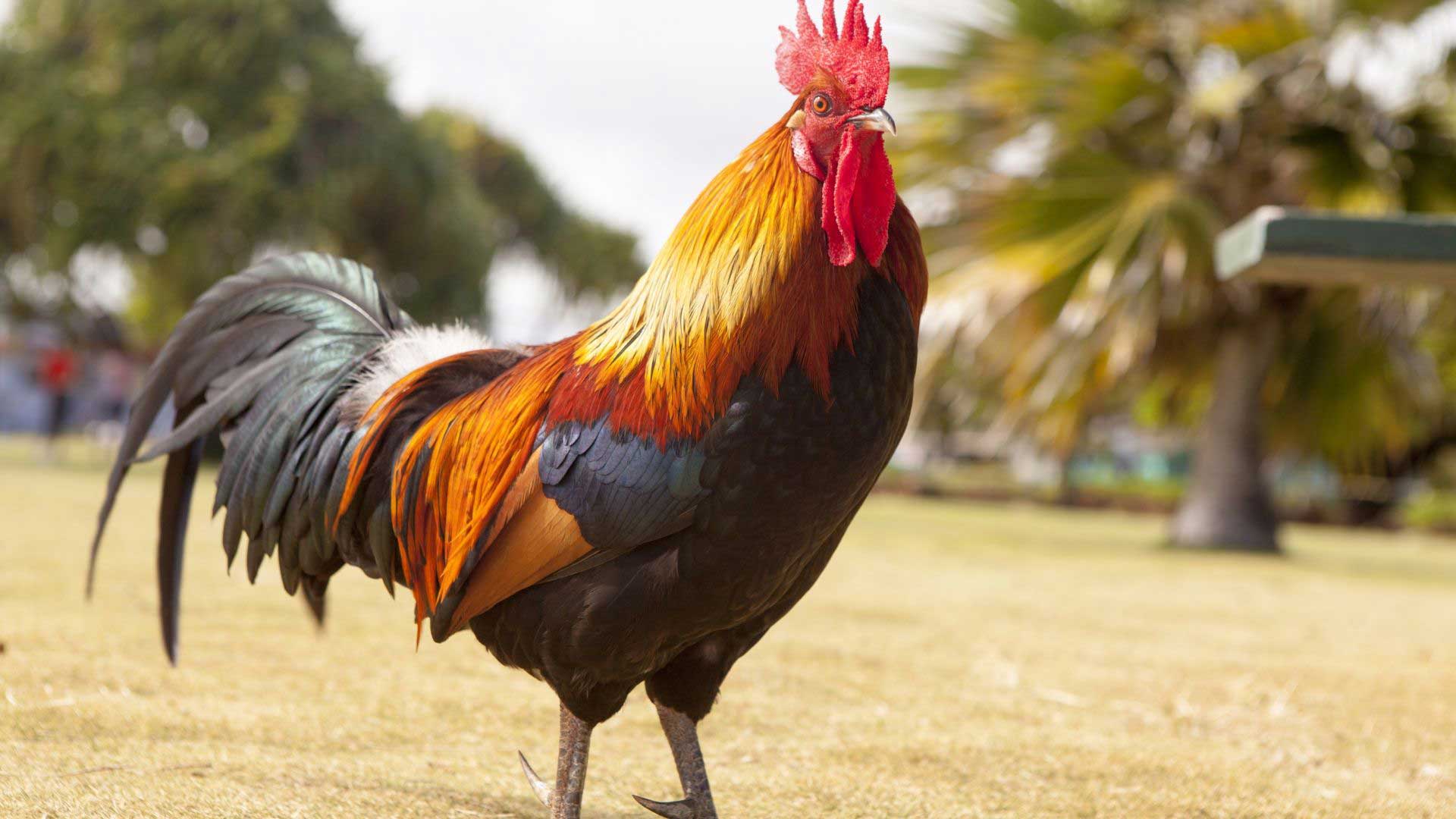
The Biological Imperatives of a Rooster: Beyond the Crow
At its core, the rooster’s existence is governed by fundamental biological drives that shape its daily activities and interactions. These imperatives are crucial for the survival and propagation of the species.
Vocalizations and Territorial Defense
The most characteristic sound of a rooster is its crow. This is not merely an arbitrary vocalization but a highly sophisticated form of communication with multiple functions. Primarily, crowing serves as a declaration of territory. Roosters are inherently territorial, and their loud, resonant calls announce their presence and dominance to other males, both within their own flock and in neighboring territories. This vocal display helps to establish a pecking order and prevent unnecessary physical confrontations.
Furthermore, crowing is often linked to the rising sun, but research suggests this is more of a biological rhythm (circadian rhythm) that triggers the behavior rather than a direct response to sunlight. Roosters are sensitive to changes in light intensity and duration, which influences their internal clock. Their crowing also acts as an alarm system. While not as vigilant as some guard animals, a rooster will often crow to alert its flock to potential predators or any perceived threats, such as a hawk overhead or an unfamiliar person approaching the coop. This vigilance is a vital survival mechanism, offering a degree of protection to the hens and chicks.
Dominance and Flock Management
Within a domestic flock of chickens, the rooster plays a pivotal role in maintaining social order and ensuring the well-being of the hens. His presence acts as a constant deterrent to intra-flock aggression, particularly among the hens who can sometimes engage in intense pecking wars. The rooster’s dominance is asserted through subtle body language, displays of aggression when necessary, and the establishment of a clear hierarchy.
His role extends to guiding and protecting the flock. Roosters are known to lead hens to food sources, scratch for tasty morsels and then call the hens to share. They will also stand guard while the hens forage, their eyes constantly scanning for danger. If a threat is detected, the rooster will typically alert the hens with a specific warning call, often a series of short clucks, and then either distract the predator, lead the hens to safety, or even confront the threat directly. This protective behavior is a testament to their innate instinct to safeguard the group, especially the females and young.
Mating and Reproduction
The primary biological purpose of the rooster, from a species’ survival perspective, is reproduction. Roosters are polygamous and actively seek out hens to mate with. Their courtship rituals can be quite elaborate, involving specific displays such as wing-dragging, strutting, and a soft, clucking vocalization known as “tidbitting.” Tidbitting involves the rooster finding a desirable piece of food and then performing a dance, calling the hen over to eat it, which is a signal of his ability to provide and his willingness to share resources, thus promoting mating.
A healthy rooster is essential for successful fertilization of eggs. He will mate with multiple hens in his flock, ensuring that the genetic diversity and continuation of the flock are maintained. While hens lay eggs regardless of a rooster’s presence, only fertilized eggs will hatch into chicks. Therefore, in any situation where breeding is desired, the presence of a rooster is indispensable.
Roosters in Human History and Culture: More Than Just Farm Animals
The relationship between humans and roosters is ancient and multifaceted, stretching back millennia. Roosters have been domesticated for thousands of years, and their presence has woven itself into the fabric of human civilization, impacting agriculture, religion, mythology, and popular culture.
Agricultural Significance
From the earliest days of farming, roosters have been integral to the domestic fowl. Their ability to fertilize eggs was crucial for providing a sustainable source of food (meat) and a continuous supply of poultry for farmers. They allowed for self-sufficient flocks where new generations could be hatched on-site, reducing the need for constant procurement of new stock. The practice of keeping a rooster ensured the longevity and productivity of the farmyard.
Beyond reproduction, roosters also contributed to pest control. Their foraging habits, which include consuming insects, grubs, and small rodents, helped to protect crops and reduce the populations of garden pests. Their presence, therefore, offered a natural and integrated approach to farm management.

Religious and Mythological Symbolism
Across numerous cultures and religions, the rooster has held significant symbolic meaning. Its prominent crow at dawn has led to its association with the sun, new beginnings, and the vanquishing of darkness. In ancient Greek mythology, the rooster was linked to Apollo, the god of the sun, and Hermes, the messenger god. It was also seen as a symbol of vigilance and courage.
In Christianity, the rooster’s crow is famously associated with the denial of Jesus by Saint Peter. This event has imbued the rooster with a complex symbolism, representing both betrayal and the potential for repentance and redemption. In many European traditions, the rooster has been placed atop church steeples (weather vanes) as a symbol of faith and a guardian against evil.
In various Asian cultures, such as China and Vietnam, the rooster holds auspicious meanings. It is often associated with good fortune, prosperity, and protection. In Chinese astrology, the rooster is one of the twelve zodiac animals, representing qualities like punctuality, confidence, and honesty.
Cultural Iconography and Folklore
The distinct appearance and vocalizations of the rooster have made it a recurring motif in art, literature, and folklore worldwide. The proud stance, the resplendent plumage, and the assertive crow have inspired countless stories, proverbs, and artistic depictions.
The “Rooster Crow” has become a metaphor for waking up, for the start of a new day, and for assertiveness. Many traditional tales feature roosters as central characters, often embodying traits of pride, courage, or cunning. Even in modern times, the rooster continues to be a recognizable and beloved icon, appearing in children’s books, brand logos, and popular media, signifying a connection to nature, tradition, and a certain spirited energy.
The Modern Rooster: Adapting to Contemporary Roles
While the traditional roles of the rooster remain relevant, its presence and perception have also evolved in the modern era. From hobby farms to urban homesteading, the rooster continues to find its place, albeit sometimes in new contexts.
Hobby Farming and Backyard Flocks
The resurgence of interest in backyard chickens and hobby farming has brought roosters back into many domestic settings. For those aiming to breed their own chickens or simply to maintain a more natural flock dynamic, a rooster is often a desirable addition. Enthusiasts appreciate the roosters’ protective instincts and their contribution to a balanced flock structure.
However, the urban environment presents unique challenges. Noise ordinances and neighborly considerations often mean that roosters are not permitted in many suburban or urban backyards. This has led to a greater emphasis on the management of roosters in these settings, with owners needing to be mindful of their vocalizations and their potential impact on the surrounding community.
Roosters in Conservation and Heritage Breeds
In the realm of poultry, roosters play a crucial role in the conservation of heritage breeds. Many of these older breeds possess unique genetic traits and historical significance. By breeding and maintaining these traditional lines, enthusiasts and organizations are working to prevent their extinction. Roosters are central to this effort, as they carry the genetic material necessary for propagating these valuable breeds.
The genetic diversity offered by heritage breed roosters is also important for the resilience of domestic fowl populations. In an era of industrial agriculture that often relies on a limited number of highly specialized breeds, preserving the genetic variability within diverse populations is a vital long-term strategy.

The Rooster as a Symbol in Contemporary Discourse
Beyond its practical roles, the rooster continues to serve as a potent symbol in contemporary discourse. Its association with waking up and vigilance makes it a metaphor for awareness, for calling attention to issues, and for sounding an alarm. In marketing and branding, the imagery of the rooster can evoke feelings of tradition, robust health, or a spirited approach.
The rooster’s inherent assertiveness and its role as a protector can also be leveraged to symbolize strength, leadership, and a commitment to safeguarding what is valuable. Whether in political commentary, social movements, or artistic expression, the rooster’s timeless qualities ensure its continued relevance as a powerful and evocative icon.
In conclusion, “what does rooster do” is a question with a rich and multifaceted answer. From its fundamental biological functions of territorial defense, flock management, and reproduction, to its profound historical and cultural significance in agriculture, religion, and folklore, the rooster is a creature of immense importance. Its presence continues to be valued in modern settings, adapting to new environments and retaining its power as a potent symbol. The rooster, in its essence, is a guardian, a leader, a reproducer, and a timeless icon that continues to crow its significance into our world.
aViewFromTheCave is a participant in the Amazon Services LLC Associates Program, an affiliate advertising program designed to provide a means for sites to earn advertising fees by advertising and linking to Amazon.com. Amazon, the Amazon logo, AmazonSupply, and the AmazonSupply logo are trademarks of Amazon.com, Inc. or its affiliates. As an Amazon Associate we earn affiliate commissions from qualifying purchases.