
In the realms of personal finance, corporate governance, and asset management, the affidavit serves as a cornerstone of truth. Whether you are settling an estate, verifying financial assets for a loan, or resolving a commercial dispute, you will likely encounter this formal document. But for many entrepreneurs and investors, the first question is often practical: What does an affidavit look like, and why does its structure matter for my financial health?
An affidavit is essentially a written statement of facts, voluntarily made by an affiant under an oath or affirmation administered by a person authorized by law—typically a notary public. In the context of “Money,” an affidavit is a tool for financial transparency, serving as a legally binding bridge between a mere claim and an evidentiary fact.
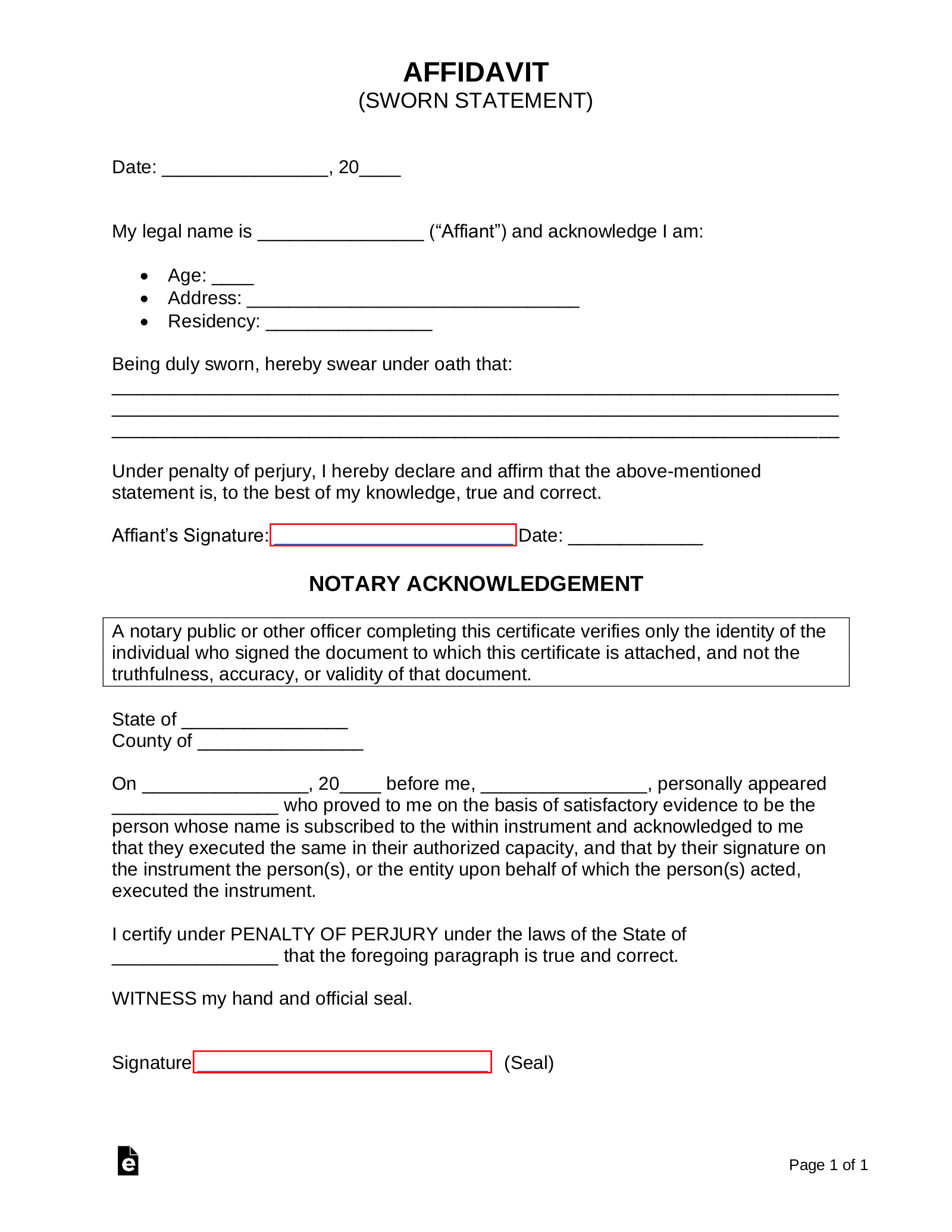
The Anatomy of a Financial Affidavit: Understanding the Structural Blueprint
When you hold a financial affidavit, it does not look like a casual letter or a standard business memo. Its appearance is dictated by legal tradition and the need for absolute clarity. The structure is designed to minimize ambiguity, ensuring that every financial figure and assertion is attributed directly to the person signing it.
The Header and Caption
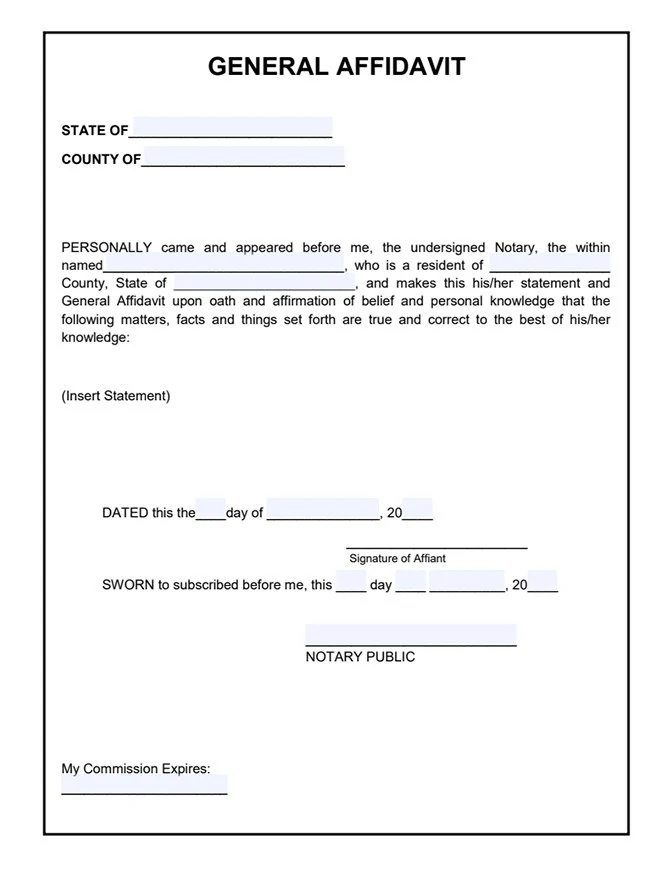
At the very top of the document, you will find the “caption.” This section identifies the venue (the location where the document is being notarized) and the parties involved. If the affidavit is part of a court case—such as a debt collection suit or a probate matter—it will include the court’s name, the case number, and the names of the plaintiff and defendant. This section is vital for financial tracking, as it links the document to a specific legal and financial record.
The Statement of Facts
Following the preamble, the “statement of facts” forms the body of the document. In a financial context, this is where the affiant lists assets, liabilities, income, and expenses. These are typically presented in numbered paragraphs. This formatting is intentional; it allows legal and financial professionals to reference specific points (e.g., “See paragraph 4 regarding the valuation of the real estate holdings”).
The Jurat and Notary Block
The end of the document is perhaps its most critical visual feature: the jurat. This is the section where the affiant signs the document in the presence of a notary. It includes a statement by the notary confirming that the affiant appeared before them, provided identification, and swore to the truth of the contents. For business transactions, a missing or improperly formatted jurat can render a financial agreement void, potentially leading to significant monetary loss.
Common Types of Affidavits in Personal and Business Finance
Understanding what an affidavit looks like also requires understanding its specific application. In the financial sector, these documents are tailored to address specific types of monetary movement and verification.
The Small Estate Affidavit
For those managing the transition of wealth after the passing of a family member, the Small Estate Affidavit is a common sight. Visually, this document often includes a comprehensive list of the deceased’s assets. It is used to bypass the often-expensive probate process, allowing heirs to claim bank accounts and personal property more efficiently. By using this document, families can save thousands of dollars in legal fees, making it a vital tool for personal finance management during a sensitive time.
The Affidavit of Financial Support
Commonly used in immigration or high-stakes lending, this affidavit serves as a guarantee that an individual has the financial means to support another person or a specific business venture. It looks like a rigorous financial statement, often requiring the attachment of bank records, tax returns, and employment verification. For the investor or the sponsor, this document represents a legal commitment of capital, binding their personal wealth to the success or stability of another entity.
The Affidavit of Indebtedness
In the world of business finance and debt recovery, the Affidavit of Indebtedness is ubiquitous. This document is typically executed by a creditor (such as a bank or a supplier) to swear that a specific amount of money is owed by a debtor. It includes a breakdown of the principal amount, accrued interest, and any late fees. For a business owner, receiving or issuing this document is a serious financial milestone that often precedes formal litigation or a credit score impact.
The Financial Significance of Accuracy and Professionalism
Because an affidavit is a sworn statement, its visual and content-related accuracy has direct financial implications. A sloppily prepared affidavit can lead to a “motion to strike” in legal proceedings, which can delay financial settlements or cause a business to lose a critical judgment.
Protecting Your Business Brand through Legal Diligence
While this article sits firmly in the “Money” category, it is worth noting that the integrity of your financial documentation reflects your professional reliability. When a business issues clean, well-structured, and accurate affidavits, it signals to lenders, investors, and partners that the company operates with high financial transparency. This “financial hygiene” can improve a company’s creditworthiness and its ability to secure favorable interest rates on loans.
The Risks of Perjury and Financial Penalties
If an affidavit contains false information—whether regarding the value of an asset or the existence of a debt—the signer faces the risk of perjury. Beyond the potential for criminal charges, the financial penalties can be devastating. In civil court, a “false affidavit” can lead to sanctions, the payment of the opposing party’s legal fees, and the loss of the underlying financial claim. In essence, the accuracy of this document is a form of insurance for your capital.
Modernizing Financial Statements: Digital Affidavits and Fintech
As we move further into a digital-first economy, the “look” of an affidavit is evolving. While the structural requirements remain the same, the medium is shifting from paper to digital formats, integrated with financial software.
Remote Online Notarization (RON)
In modern business finance, many affidavits are now executed via Remote Online Notarization (RON). These documents look identical to their paper counterparts but feature digital certificates and encrypted seals. For the busy entrepreneur or the global investor, RON saves significant time and money, eliminating the need for physical travel to a notary’s office. This efficiency is a key component of modern financial agility, allowing for faster closing of real estate deals and more rapid deployment of capital.
Integration with Financial Tools
Today’s financial tools often automate the creation of affidavits. For example, accounting software can generate a draft Affidavit of Indebtedness by pulling data directly from unpaid invoices. This reduces human error and ensures that the financial figures in the affidavit perfectly match the company’s general ledger. When these documents are generated through verified financial data, they carry a higher degree of credibility during audits or business valuations.
Best Practices for Managing Your Financial Affidavits
To ensure that your affidavits serve your financial interests effectively, you should treat them with the same rigor you apply to your tax returns or investment portfolios.
- Verify Every Figure: Never sign a financial affidavit until you have cross-referenced every dollar amount with your bank statements or accounting software. Even a “minor” typo in an asset valuation can lead to claims of fraud or financial misrepresentation.
- Maintain a Digital Archive: Financial disputes can arise years after a document is signed. Ensure that every affidavit is scanned and stored in a secure, redundant digital vault. This is a critical step for long-term wealth protection and business continuity.
- Consult Financial Counsel: While you can draft an affidavit yourself, having a CPA or a financial attorney review it is a wise investment. The cost of a professional review is often a fraction of the cost of a lost legal case or a rejected loan application.
Conclusion
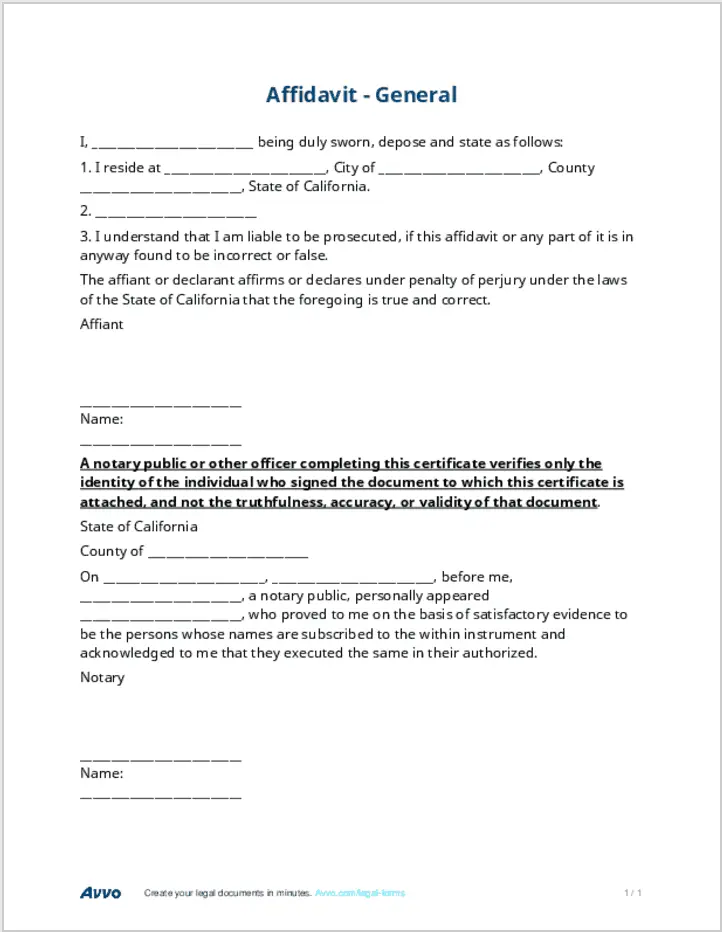
So, what does an affidavit look like? On the surface, it is a structured, formal document characterized by a legal caption, numbered paragraphs, and a notarized signature. But beneath that structure, it is a powerful financial instrument. It is the physical manifestation of your financial word.
In the world of money—whether you are managing personal wealth, navigating the complexities of business finance, or securing your family’s future—the affidavit is your most reliable tool for establishing the truth. By understanding its structure, recognizing its various types, and respecting the gravity of its contents, you can navigate the financial landscape with greater confidence and legal security. Truth, after all, is the most valuable currency in any market.
aViewFromTheCave is a participant in the Amazon Services LLC Associates Program, an affiliate advertising program designed to provide a means for sites to earn advertising fees by advertising and linking to Amazon.com. Amazon, the Amazon logo, AmazonSupply, and the AmazonSupply logo are trademarks of Amazon.com, Inc. or its affiliates. As an Amazon Associate we earn affiliate commissions from qualifying purchases.