
The ® symbol, a small yet powerful glyph, is a common sight on logos, product packaging, and advertisements. It’s a mark that instantly conveys a sense of legitimacy and ownership. For businesses, understanding the meaning and implications of the ® symbol is crucial for establishing a strong brand identity and safeguarding their intellectual property. This article delves into the world of the ® symbol, exploring its origins, legal meaning, strategic importance in branding, and the process of obtaining this coveted designation.
The ® Symbol: More Than Just a Mark of Ownership
The ® symbol is an indicator of a registered trademark. It signifies that the associated name, logo, or slogan has been officially recognized and protected by a government intellectual property office, typically a national trademark registry. This registration grants the owner exclusive rights to use the mark for specific goods or services within a particular jurisdiction.

Origins and Evolution of Trademark Symbols
The concept of marking goods to indicate origin and quality dates back centuries, with early examples found in ancient civilizations. However, the formalization of trademark law and symbols is a more recent development. The ® symbol, as we know it, emerged with the growth of industrialization and the need to distinguish products in an increasingly crowded marketplace. Its widespread adoption is a testament to its effectiveness in communicating proprietary rights and deterring infringement.
Legal Framework and Protection
The legal foundation for the ® symbol rests on trademark statutes established by national governments. In the United States, for instance, the Lanham Act governs trademark registration and protection. When a trademark is registered, the owner gains legal recourse against others who attempt to use a confusingly similar mark for similar goods or services. This legal protection is invaluable in preventing brand dilution and protecting a company’s investment in its brand.
Differentiating ® from ™ and ℠
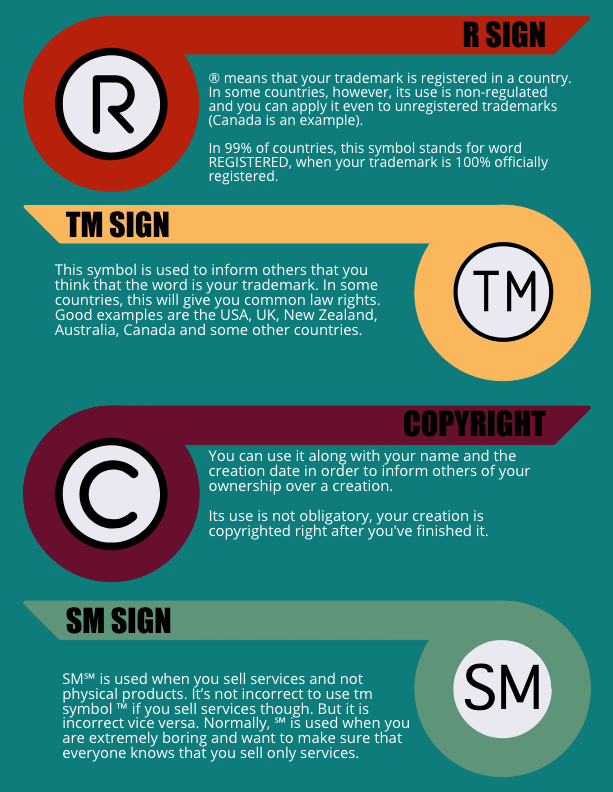
It’s important to distinguish the ® symbol from other common marks: ™ (trademark) and ℠ (service mark).
- ™ (Trademark): This symbol can be used by anyone to indicate that they claim rights to a particular mark, whether or not it has been officially registered. It serves as a public notice of a claim of ownership, but it does not offer the same level of legal protection as a registered trademark.
- ℠ (Service Mark): Similar to a trademark, a service mark identifies and distinguishes the source of services rather than goods. Like the ™ symbol, it can be used to assert a claim to rights before or during the registration process.
The ® symbol, however, can only be used after a trademark has been officially registered and approved by the relevant government authority. Using ® without proper registration is illegal and can lead to penalties.
Strategic Advantages of Using the ® Symbol in Branding
Beyond its legal implications, the ® symbol plays a significant role in brand strategy and corporate identity. Its presence on branding materials communicates a number of valuable messages to consumers and competitors alike.
Enhancing Brand Credibility and Trust
The ® symbol immediately elevates a brand’s perceived credibility. It signals to consumers that the brand has undergone a rigorous legal process to secure its identity, suggesting a level of professionalism and commitment. This can foster greater trust and confidence among customers, influencing their purchasing decisions. A registered trademark implies stability and permanence, reassuring consumers that the brand is here to stay and that its products or services are reliable.
Deterring Infringement and Competition
The ® symbol acts as a powerful deterrent to potential infringers. Competitors are made aware that the mark is legally protected, making them less likely to adopt similar branding that could lead to legal disputes. This proactive protection can save businesses significant time, money, and resources that would otherwise be spent on enforcement actions. It creates a clear boundary, signaling to others that unauthorized use will not be tolerated.
Building Brand Equity and Value
A registered trademark contributes directly to a company’s brand equity. Over time, as a brand builds recognition and goodwill, its registered trademark becomes an increasingly valuable asset. This asset can be leveraged in various ways, including licensing, franchising, and as collateral for financing. The ® symbol solidifies this asset by underscoring its legal protection and inherent value. It’s a tangible representation of the brand’s established presence and market standing.
Facilitating International Expansion
While trademark rights are typically national, the ® symbol can be strategically advantageous when planning international expansion. A registered trademark in one country can be a significant step in securing protection in others. Many countries have reciprocal agreements and international treaties (like the Madrid System) that can streamline the process of obtaining trademark protection abroad, often building upon existing national registrations. The ® symbol in your home country can lend weight and demonstrate intent when seeking international registration.
The Process of Obtaining ® Status
Securing the ® symbol is a deliberate and structured legal process. It involves careful consideration, preparation, and adherence to the regulations of the relevant intellectual property office.
Trademark Search and Clearance
Before filing for registration, it is essential to conduct a thorough trademark search. This process involves examining existing registered and unregistered trademarks to ensure that the proposed mark is not already in use and is not confusingly similar to any existing marks. This proactive step can prevent costly rejections and legal challenges down the line. Professional trademark attorneys or search services are invaluable at this stage.
Filing the Trademark Application
The application for trademark registration requires detailed information about the applicant, the mark itself, and the specific goods or services for which it will be used. This typically involves identifying the relevant classes of goods or services under international classification systems (e.g., the Nice Classification). The application must be accurate and complete to avoid delays or potential rejection.
Examination by the Trademark Office
Once filed, the trademark application undergoes examination by the intellectual property office. A trademark examiner reviews the application for compliance with legal requirements and to ensure that the mark is distinctive and does not conflict with existing trademarks. This examination process can involve responding to office actions, which are official communications from the examiner requesting clarification or amendments.

Registration and Maintenance
Upon successful examination, the trademark is officially registered, and the owner is granted the right to use the ® symbol. However, the protection is not permanent. Trademark registrations must be maintained through periodic renewals and by demonstrating continued use of the mark. Failure to maintain the registration can result in its cancellation, losing the exclusive rights and the ability to use the ® symbol. This ongoing commitment ensures the trademark remains a protected and valuable brand asset.
In conclusion, the ® symbol is far more than a mere decorative element. It represents a significant legal and strategic asset for any business. Understanding its meaning, obtaining it through the proper legal channels, and maintaining its protection are fundamental to building a robust brand identity, fostering consumer trust, and securing long-term business success in today’s competitive global marketplace.
aViewFromTheCave is a participant in the Amazon Services LLC Associates Program, an affiliate advertising program designed to provide a means for sites to earn advertising fees by advertising and linking to Amazon.com. Amazon, the Amazon logo, AmazonSupply, and the AmazonSupply logo are trademarks of Amazon.com, Inc. or its affiliates. As an Amazon Associate we earn affiliate commissions from qualifying purchases.