
In today’s hyper-connected world, email remains a cornerstone of professional communication. From client interactions and project discussions to internal memos and important notifications, our inboxes often become a repository of vital information. However, as the volume of emails grows, managing this digital deluge can become a significant challenge. This is where the concept of email archiving comes into play. Far from being a mere digital cleanup task, email archiving is a strategic approach to managing, preserving, and accessing your electronic communications. Understanding what an email archive truly means is crucial for individuals and organizations alike, particularly within the realm of technology and digital security.
The Fundamental Definition: Preservation and Accessibility
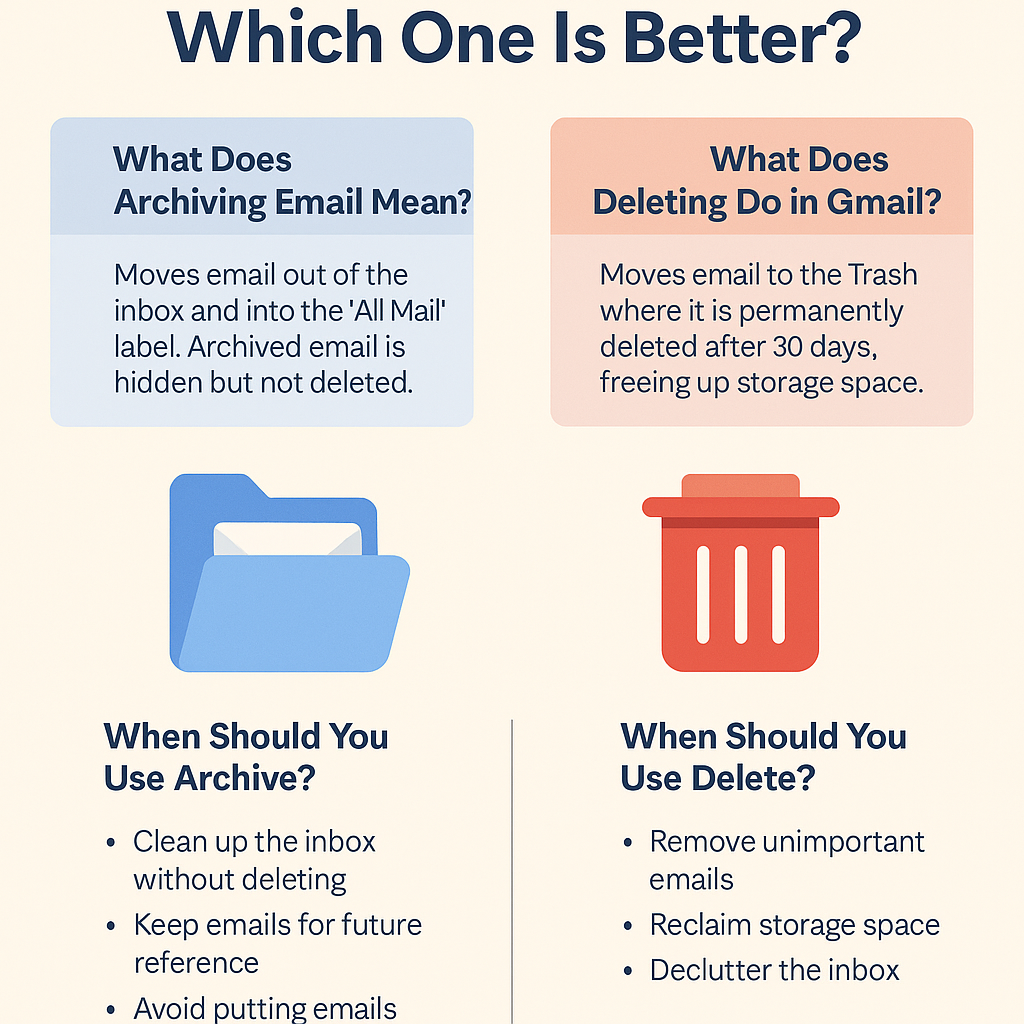
At its core, an email archive refers to a secure, organized, and long-term storage solution for electronic mail messages. It is not simply about deleting old emails to free up space, but rather about creating a systematic record of your digital correspondence. This distinction is paramount. Unlike simply deleting messages or storing them in scattered folders, an archive is designed for preservation with retrieval in mind.
Beyond Simple Storage: Retention Policies and Legal Compliance
The concept of email archiving extends far beyond basic storage. It is intrinsically linked to the establishment of retention policies. These are predefined rules that dictate how long emails should be kept, based on various factors such as industry regulations, legal requirements, and internal company policies. For instance, certain industries, like finance or healthcare, are subject to stringent regulations that mandate the retention of specific communications for many years. An email archive system is designed to automatically enforce these policies, ensuring that emails are neither prematurely deleted nor kept indefinitely when no longer legally or operationally required.
Furthermore, email archiving is often a critical component of legal compliance. In the event of litigation, audits, or regulatory investigations, organizations may be required to produce specific email communications as evidence. A well-maintained email archive provides a reliable and auditable trail of these communications, significantly simplifying the eDiscovery process. This means that if a legal team needs to find emails related to a particular project or transaction, they can do so quickly and efficiently from the archive, rather than sifting through individual mailboxes or disparate storage solutions. This ability to retrieve specific information accurately and rapidly is a key differentiator of a true email archive.
The Technology Behind Archiving: Tools and Infrastructure
Implementing an effective email archive necessitates the right technology. This can range from built-in features within email platforms to dedicated archiving software and cloud-based solutions. The underlying technology focuses on capturing, indexing, and storing emails in a format that is both tamper-evident and easily searchable.
Cloud-Based Archiving Solutions: Scalability and Accessibility
One of the most prevalent and effective approaches to email archiving today is through cloud-based solutions. These services offer significant advantages in terms of scalability, accessibility, and cost-effectiveness. Instead of maintaining on-premises servers and storage infrastructure, organizations can leverage the robust capabilities of cloud providers. This means that as the volume of emails increases, the archive can seamlessly scale to accommodate the growing data without requiring significant upfront investment in hardware. Furthermore, cloud archives offer accessibility from anywhere with an internet connection, allowing authorized users to retrieve necessary emails regardless of their location. This flexibility is invaluable for remote workforces and distributed teams.
On-Premises vs. Cloud: Choosing the Right Strategy
While cloud-based solutions are increasingly popular, some organizations may opt for on-premises archiving. This involves installing and managing archiving software and hardware within the organization’s own data centers. The primary drivers for choosing an on-premises solution often revolve around perceived greater control over data, specific security requirements, or existing IT infrastructure. However, on-premises solutions typically require more significant capital investment, ongoing maintenance, and dedicated IT expertise. The decision between cloud and on-premises archiving depends heavily on an organization’s specific needs, budget, and risk tolerance.
The Benefits of Email Archiving: More Than Just Storage
Understanding what an email archive means involves appreciating its multifaceted benefits, which extend far beyond simply decluttering an inbox. These advantages impact operational efficiency, security posture, and legal defensibility.
Enhancing Operational Efficiency and Productivity
A primary benefit of a well-managed email archive is the significant boost it provides to operational efficiency and productivity. When emails are properly archived and indexed, finding specific messages becomes a quick and effortless process. Instead of spending valuable time searching through overflowing inboxes, employees can utilize powerful search functionalities within the archive to locate the exact email they need within seconds. This reduces wasted time, minimizes frustration, and allows individuals to focus on more critical tasks. Moreover, by offloading historical email data from live mail servers, archiving can improve the performance of the active email system, leading to faster message delivery and a smoother overall user experience.
Streamlining EDiscovery and Legal Preparedness
For organizations facing legal scrutiny or the possibility of litigation, email archiving is an indispensable tool for streamlining eDiscovery and ensuring legal preparedness. The process of identifying, collecting, and producing electronically stored information (ESI) in legal proceedings can be incredibly complex, time-consuming, and expensive. A comprehensive email archive acts as a centralized, organized repository of all relevant communications. This allows legal teams to quickly identify and retrieve specific emails, attachments, and metadata, significantly reducing the burden and cost associated with eDiscovery. Furthermore, the immutability and audit trails often associated with archiving solutions provide a higher degree of assurance regarding the integrity of the evidence, strengthening an organization’s legal position.
Improving Digital Security and Data Governance
Email archives play a crucial role in improving digital security and data governance. By centralizing email data and implementing robust access controls, organizations can better protect sensitive information from unauthorized access or deletion. Archiving solutions often incorporate features that prevent accidental or malicious modification or deletion of emails, ensuring data integrity. This is particularly important for compliance with data protection regulations like GDPR or CCPA, which mandate the secure handling and retention of personal data. Moreover, by having a clear understanding of what data is stored and for how long, organizations can implement more effective data governance policies, reducing their overall digital footprint and security risks.
Key Features of a Robust Email Archive System
To truly understand what an email archive means in practice, it’s essential to examine the key features that define a robust and effective system. These features ensure that the archive serves its intended purpose of preservation, accessibility, and compliance.
Comprehensive Search and Retrieval Capabilities
The most critical function of any email archive is its ability to allow users to easily and quickly search and retrieve specific emails. This goes beyond simple keyword searches. Advanced archiving systems offer sophisticated search capabilities that can include full-text search, Boolean operators, date range filtering, sender/recipient specific searches, and even the ability to search within attachments. The speed and accuracy of these search functions are paramount to realizing the productivity benefits of archiving. Imagine needing to find a specific contract negotiation email from three years ago; a robust archive can locate it in moments, whereas manual searching could take hours or even days.
Indexing and Metadata Management
Underpinning efficient search is effective indexing and metadata management. As emails are archived, the system creates an index that maps keywords and other relevant information to the stored messages. This indexing process is crucial for fast retrieval. Furthermore, metadata – data about the data – such as sender, recipient, date sent, date received, subject line, and any associated tags or labels, is meticulously preserved. This metadata is invaluable for filtering search results and understanding the context of communications. Without robust indexing and metadata management, even the most comprehensive archive would be difficult to navigate.
Security, Immutability, and Audit Trails
The security and integrity of archived data are non-negotiable. A reliable email archive system must prioritize security, immutability, and comprehensive audit trails. Immutability means that once an email is archived, it cannot be altered or deleted, ensuring that the record remains pristine and tamper-proof. This is vital for legal defensibility. Audit trails provide a detailed log of all actions performed within the archive system, including who accessed what information, when, and what actions they took. This transparency is essential for accountability and for demonstrating compliance with internal policies and external regulations. The combination of these features creates a secure and trustworthy record of electronic communications.
Retention Policy Enforcement and Legal Hold Capabilities
A sophisticated email archive system allows for granular retention policy enforcement. This means that organizations can define specific rules for how long different types of emails should be retained, ensuring compliance with legal and regulatory requirements without manual intervention. Furthermore, many archiving solutions offer legal hold capabilities. A legal hold is an instruction to preserve specific data relevant to anticipated or ongoing litigation. When a legal hold is placed on certain communications, the system ensures that these emails are not subject to normal deletion policies until the hold is officially released. This is a critical feature for organizations to meet their legal obligations and avoid sanctions.
The Evolution of Email Archiving: Adapting to Modern Communication
As communication methods continue to evolve, so too does the landscape of email archiving. The definition of what an email archive means is expanding to encompass new forms of digital communication and the challenges they present.
Archiving Beyond Email: Social Media and Messaging Platforms
The traditional focus of email archiving was, naturally, on email. However, the modern workplace increasingly relies on a variety of communication channels, including instant messaging platforms, social media, and collaborative tools. Recognizing this shift, the concept of archiving beyond email is becoming increasingly important. Advanced archiving solutions are now designed to capture and preserve communications from platforms like Slack, Microsoft Teams, and even social media interactions relevant to business operations. This creates a more holistic record of an organization’s digital footprint, ensuring that all critical communications are captured for compliance and retrieval purposes.
Integration with Other Digital Records Management Systems
To create a truly unified approach to information governance, email archiving systems are increasingly designed for integration with other digital records management systems. This allows organizations to manage all their electronic records – from emails and documents to financial data and customer communications – within a single, cohesive framework. Such integrations facilitate better data governance, streamline compliance efforts, and provide a more comprehensive view of an organization’s information assets. This interconnectedness is essential for navigating the complexities of modern data management and ensuring that no critical information falls through the cracks.
The Future of Email Archiving: AI and Predictive Analytics
The future of email archiving is being shaped by advancements in artificial intelligence (AI) and predictive analytics. These technologies are transforming how archives are managed and utilized, moving beyond passive storage to more proactive and intelligent solutions.
AI-Powered Data Classification and Redaction
AI is revolutionizing email archiving through AI-powered data classification and redaction. AI algorithms can automatically analyze the content of archived emails to classify them based on their sensitivity, subject matter, or regulatory relevance. This helps in automatically applying appropriate retention policies and identifying data that may need to be redacted for privacy reasons during eDiscovery. For example, AI can be trained to identify and flag personally identifiable information (PII) or confidential company secrets, enabling efficient and accurate redaction before data is shared.

Predictive Archiving and Information Governance Insights
Furthermore, AI and predictive analytics can enable predictive archiving and provide valuable information governance insights. By analyzing historical data and user behavior, these technologies can help organizations anticipate future storage needs, identify potential compliance risks, and optimize their archiving strategies. Predictive archiving could, for instance, suggest adjustments to retention policies based on evolving regulations or anticipated litigation trends. This proactive approach not only enhances efficiency but also strengthens an organization’s ability to manage its digital information responsibly and effectively in an increasingly data-intensive world.
aViewFromTheCave is a participant in the Amazon Services LLC Associates Program, an affiliate advertising program designed to provide a means for sites to earn advertising fees by advertising and linking to Amazon.com. Amazon, the Amazon logo, AmazonSupply, and the AmazonSupply logo are trademarks of Amazon.com, Inc. or its affiliates. As an Amazon Associate we earn affiliate commissions from qualifying purchases.