
The allure of the wild often conjures images of sleek, agile adult foxes, their russet coats and bushy tails a familiar sight in folklore and nature documentaries. However, the genesis of these captivating creatures, the newborn fox kits, presents a starkly different, yet equally fascinating, picture. Understanding what a newborn fox looks like isn’t just an exercise in biological curiosity; it offers profound insights into the foundational stages of life, the survival imperatives of a species, and the delicate balance of ecosystems. This exploration delves into the physical characteristics of fox kits at birth, their developmental trajectory in the initial weeks, and the technological and financial considerations that impact their survival and study.

The Unveiling of Vulnerability: Initial Characteristics of Fox Kits
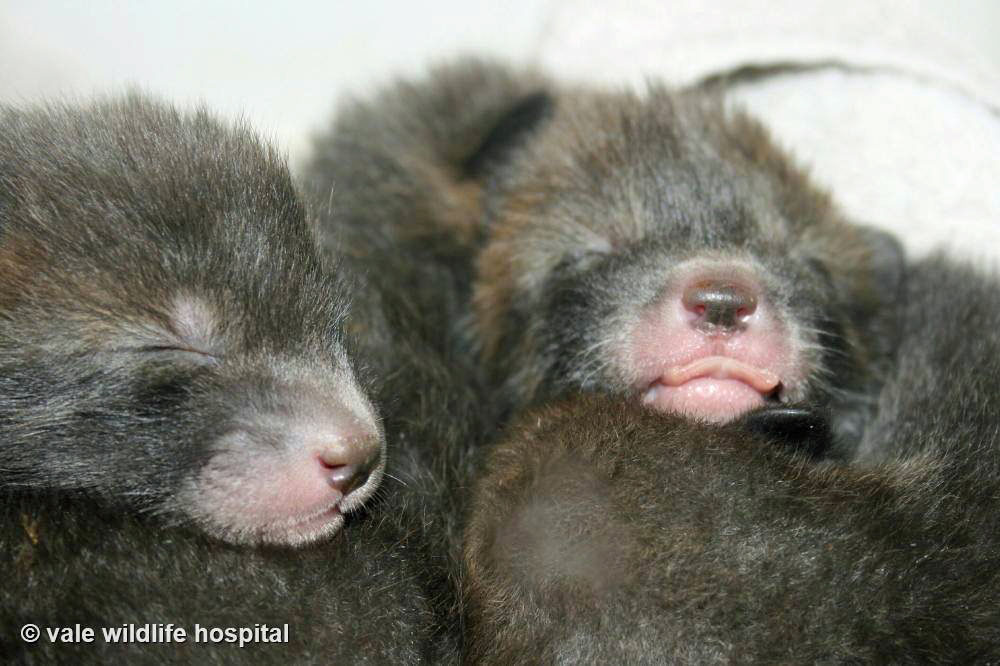
At birth, fox kits are far from the poised predators we often imagine. They are born altricial, meaning they are underdeveloped and entirely dependent on their mother for survival. This initial vulnerability is a defining characteristic, shaping their appearance and immediate needs.
Tiny Treasures: Size, Weight, and Sensory Development
A typical litter of fox kits, whether red foxes (Vulpes vulpes), arctic foxes (Vulpes lagopus), or other species, will emerge weighing between 50 to 100 grams. This is roughly the weight of a small apple or a large egg. Their length from nose to tail tip is usually around 10 to 15 centimeters. Their bodies are covered in a fine, downy fur, often dark gray or brown, which provides minimal insulation. This initial coat is a stark contrast to the thick, luxuriant fur of their adult counterparts and serves as a temporary covering before their true pelage begins to grow.
Crucially, newborn fox kits are born blind and deaf. Their eyes are tightly shut, and their ear canals are sealed. This lack of sensory input means their world is primarily one of touch, smell, and temperature. Their sense of smell, however, is remarkably developed from birth, allowing them to locate their mother and siblings within the den. Their small, underdeveloped paws are often pink and can appear disproportionately large for their tiny bodies, reflecting their future role in locomotion and hunting. Their muzzles are short and blunt, and their tails are short and stubby, lacking the characteristic bushy fullness of adult foxes.
The Den Environment: A Crucial Cradle
The appearance of newborn fox kits is intrinsically linked to their immediate environment: the den. These underground burrows, often dug by the mother or adapted from existing holes made by other animals, are dark, warm, and protected from predators and the elements. The mother fox meticulously cleans the den and ensures it is free from parasites. The kits huddle together for warmth, relying on their mother’s body heat and the collective warmth of their littermates. The den floor is typically lined with dry grass, leaves, or other soft materials brought in by the mother to create a comfortable nesting space. The limited visibility and reliance on scent within the den further underscore the underdeveloped state of the kits, emphasizing their reliance on maternal care for survival.
The Evolutionary Blueprint: Survival Mechanisms and Early Growth
The initial appearance of a newborn fox kit is a testament to evolutionary strategies that prioritize rapid growth and development within a secure environment. Their physical attributes are optimized for survival during this critical, vulnerable period.
Eyes of Potential: The Opening of Senses
One of the most significant developmental milestones for fox kits is the opening of their eyes and ears. This typically occurs between 10 to 14 days after birth. Their eyes, initially a hazy blue, gradually transition to their adult color. The opening of their ear canals allows them to begin perceiving sounds, a crucial step in their awareness of their surroundings and the detection of potential threats or the presence of their mother. This period marks a dramatic shift in their sensory perception, moving them from a purely tactile and olfactory world to one that incorporates sight and sound. Their physical form begins to elongate, and their limbs become more defined as they prepare for their first tentative movements outside the immediate nest.
The Engine of Growth: Nutrition and Maternal Care
The rapid growth of fox kits is fueled by their mother’s milk. This nutrient-rich milk provides all the essential vitamins, minerals, and energy required for their accelerated development. The mother fox is a devoted caregiver, spending most of her time in or near the den, nursing her young, and keeping them clean and warm. She will also meticulously consume their waste to maintain the hygiene of the den, a critical behavior for preventing the spread of disease. As the kits grow, their downy fur begins to be replaced by a more robust coat, and their features become more refined, foreshadowing their adult appearance. The development of their motor skills is also rapid, with them beginning to crawl and eventually stand on wobbly legs within the confines of the den.
Technological Echoes: Observing and Protecting Young Foxes
While the natural appearance of newborn foxes is a wonder of biology, modern technology plays an increasingly vital role in understanding and safeguarding these vulnerable creatures. The study of their early life stages, from their physical characteristics to their survival rates, is often enhanced by technological interventions.
Digital Eyes in the Wild: Camera Traps and Remote Monitoring
One of the most impactful technological tools for observing newborn foxes is the camera trap. These motion-activated devices, strategically placed near known den sites, allow researchers and wildlife enthusiasts to capture images and video footage of fox kits without direct human interference. This non-intrusive approach minimizes stress on the animals and provides invaluable data on denning behavior, litter size, and the physical development of the kits. Advanced camera traps can record high-definition video, infrared footage for nocturnal observations, and even transmit data wirelessly, allowing for near real-time monitoring. This technology provides a window into the hidden world of newborn foxes, revealing their initial appearance and the challenges they face in their earliest days.
Acoustic and GPS Innovations: Tracking and Understanding Behaviors
Beyond visual observation, acoustic monitoring devices can detect vocalizations made by fox kits, providing insights into their social interactions and distress calls. Furthermore, GPS tracking technology, often fitted to adult foxes, can indirectly help locate den sites by monitoring the movements of the mother. While fitting GPS collars to newborn kits is generally not feasible due to their delicate nature, the data gathered from adults can inform researchers about their territorial ranges and breeding grounds, thereby helping to identify areas where newborn fox populations might be present. These technological advancements have revolutionized our ability to study and protect vulnerable wildlife, offering unprecedented insights into the life cycle of species like the fox.
Financial Footprints: Funding Conservation and Research
The study and protection of newborn foxes, and indeed wildlife in general, are often heavily reliant on financial resources. The seemingly simple act of observing a newborn fox has ripple effects that often involve significant financial considerations, from the cost of research equipment to the funding of conservation initiatives.
The Investment in Insight: Funding Wildlife Research
The technological tools mentioned – camera traps, acoustic sensors, GPS trackers – all represent a financial investment. Acquiring, deploying, and maintaining this equipment requires substantial funding. Furthermore, the personnel required to manage these projects, including wildlife biologists, researchers, and technicians, all necessitate salaries and operational budgets. Grants from governmental agencies, non-profit organizations, and private foundations are the lifeblood of wildlife research. These funds are crucial for supporting the long-term study of fox populations, understanding their reproductive success, and identifying threats to their survival. The initial appearance of a newborn fox kit, therefore, is often the catalyst for a complex chain of research activities that are underpinned by financial support.

The Cost of Conservation: Protecting Habitats and Species
Beyond direct research, the financial implications extend to broader conservation efforts. Protecting the natural habitats where foxes breed and raise their young is paramount. This can involve land acquisition, habitat restoration, and community outreach programs to minimize human-wildlife conflict. These initiatives require significant financial investment from governments and conservation organizations. Furthermore, veterinary care for injured or orphaned fox kits, often provided by wildlife rehabilitation centers, also incurs costs. The financial commitment to conservation ensures that future generations will have the opportunity to witness the incredible journey of a newborn fox from its vulnerable beginnings to a thriving adult. Understanding the financial landscape of wildlife conservation is crucial for appreciating the resources needed to protect even the most seemingly unassuming of nature’s creations.
aViewFromTheCave is a participant in the Amazon Services LLC Associates Program, an affiliate advertising program designed to provide a means for sites to earn advertising fees by advertising and linking to Amazon.com. Amazon, the Amazon logo, AmazonSupply, and the AmazonSupply logo are trademarks of Amazon.com, Inc. or its affiliates. As an Amazon Associate we earn affiliate commissions from qualifying purchases.