
In the sophisticated world of modern infrastructure, we often focus on the “flashy” side of technology—high-speed processors, cloud computing, and artificial intelligence. However, some of the most critical technologies protecting our homes and industrial facilities are mechanical in nature, operating silently within the walls. Among these, the check valve stands as a marvel of fluid dynamics engineering.
A check valve is a mechanical device that permits fluids (liquids or gases) to flow in only one direction. In the context of plumbing and fluid technology, it acts as a “one-way gate” or a “non-return valve.” While the concept sounds simple, the technology behind its design, material composition, and integration into smart systems is complex and vital for the integrity of modern water management.

The Engineering Principles of Check Valve Technology
To understand a check valve, one must view it through the lens of mechanical logic. Just as a diode in an electrical circuit ensures that current flows in only one direction to protect sensitive components, a check valve ensures that water or waste does not reverse its course, which could cause catastrophic system failure.
The Mechanics of “Cracking Pressure”
The operation of a check valve is governed by a principle known as “cracking pressure.” This is the minimum upstream pressure required to open the valve and allow fluid to pass. Engineering this pressure is a delicate balance; too high, and the system loses efficiency; too low, and the valve may fail to seal properly against minor backflow.
When the pressure on the upstream side exceeds the cracking pressure, the internal mechanism (such as a disc or ball) is pushed open. As soon as the flow stops or the pressure on the downstream side becomes greater, the valve automatically closes, utilizing gravity or a spring-loaded mechanism to create a watertight seal.
The Swing Check Valve: The Mechanical Gate
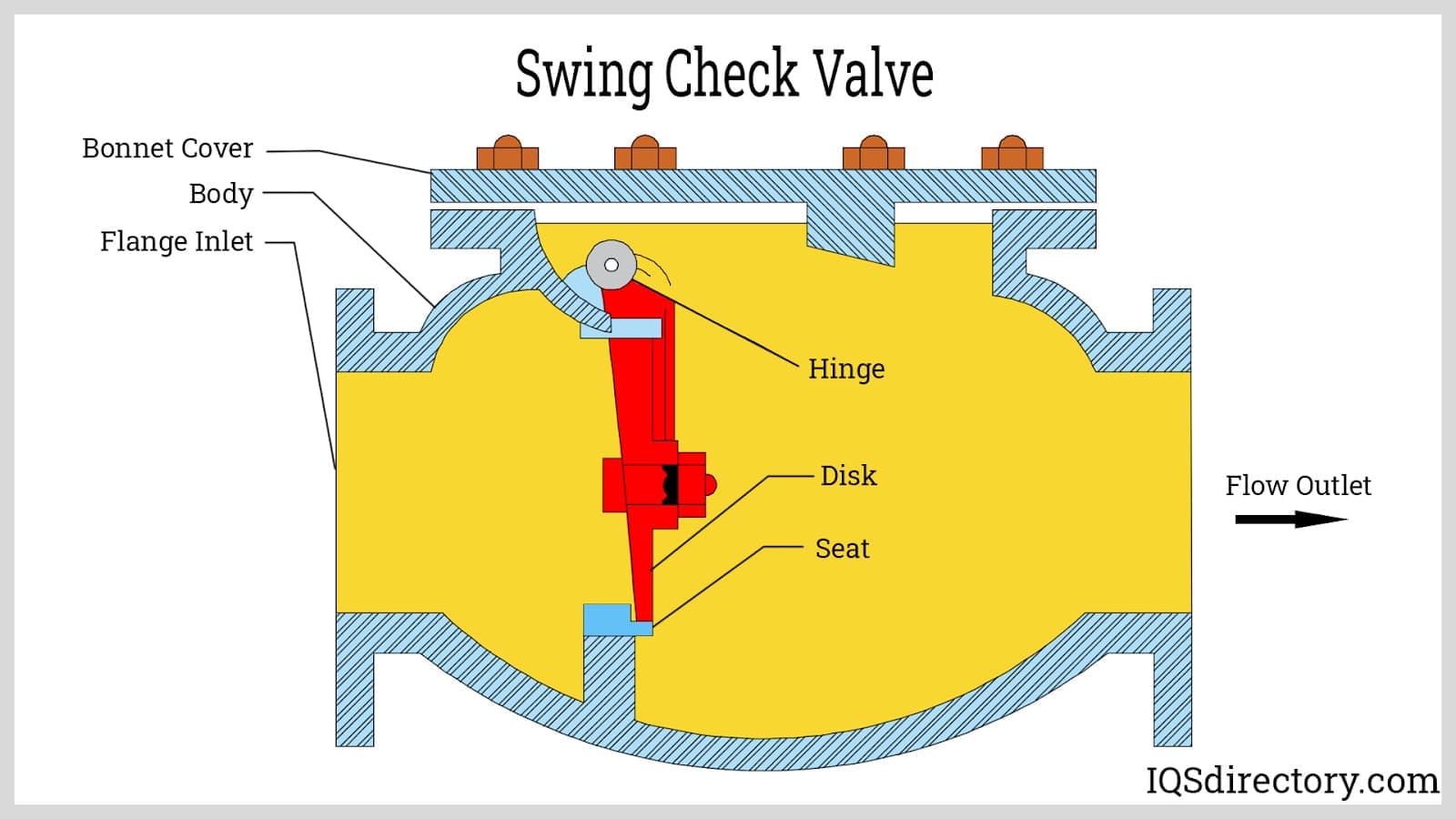
The most common iteration in residential and commercial plumbing tech is the swing check valve. It utilizes a movable disc on a hinge that swings off the seat to allow forward flow and swings back onto the seat when the flow stops. This design is favored for its low resistance to flow, making it an efficient choice for large-scale water distribution systems where maintaining high pressure is a technological priority.
Spring-Loaded and Ball Check Valves: Precision Engineering
In more compact or high-precision environments, such as pump systems or chemical processing, engineers often deploy spring-loaded or ball check valves.
- Spring-Loaded Valves: These use a spring to provide a proactive closing force. This technology is essential in vertical piping where gravity alone cannot be relied upon to shut the valve quickly enough to prevent “water hammer”—a shockwave that can shatter pipes.
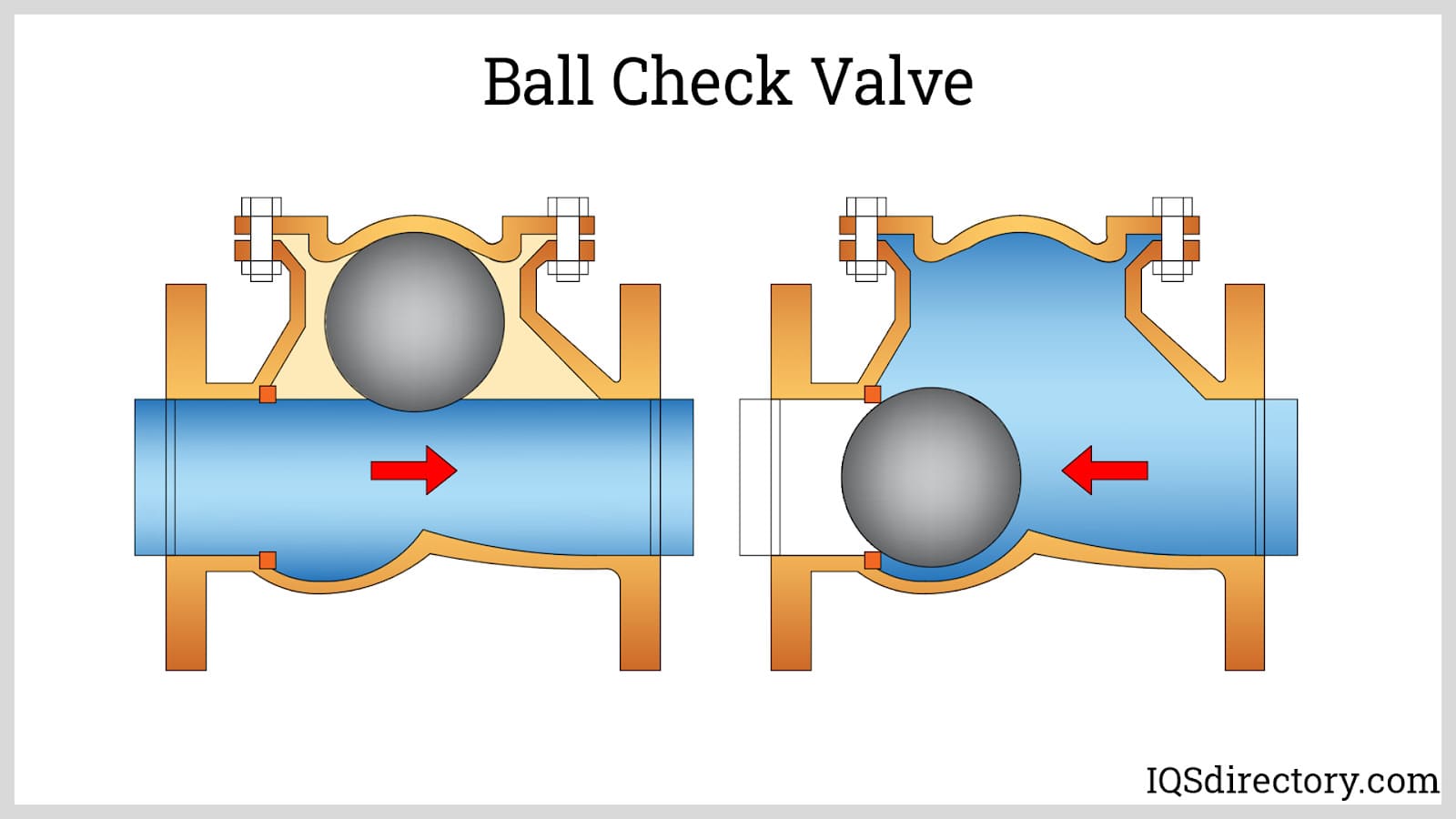
- Ball Check Valves: These utilize a spherical ball that sits in a specially designed seat. When flow begins, the ball is pushed into a chamber; when it stops, the ball returns to the seat. This design is highly resistant to wear and is frequently used in wastewater technology where debris might obstruct a standard hinged gate.
Integration with Smart Home Ecosystems and IoT
As we transition into the era of the “Smart Home,” plumbing components are no longer isolated mechanical parts. The check valve is now being integrated into broader Internet of Things (IoT) ecosystems, transforming it from a passive device into an active data point in home automation.
Sensors and Automated Monitoring
Modern smart plumbing systems now incorporate sensors that monitor the state of check valves. By measuring flow rates and pressure differentials on either side of the valve, these systems can detect if a valve is “stuck” or if its seal is degrading. This data is transmitted via protocols like Zigbee, Z-Wave, or Wi-Fi to a central hub, allowing homeowners to receive real-time alerts on their smartphones.
Preventing Costly Failures via Digital Alerts
The most critical application of this technology is in sump pump systems. A sump pump relies on a check valve to prevent pumped-out water from flowing back into the basin. In a “dumb” system, a check valve failure goes unnoticed until the basement floods. In a tech-forward system, integrated sensors can detect “short-cycling” (where the pump turns on too frequently because water is leaking back through the valve) and alert the user to perform maintenance before a disaster occurs. This intersection of mechanical reliability and digital oversight represents the current frontier of residential property tech.
Industrial Applications and Advanced Material Science
Beyond the pipes in a residential basement, check valve technology is a cornerstone of industrial infrastructure, including power plants, refineries, and desalination facilities. In these environments, the “tech” of the check valve shifts toward material science and computational design.
Material Science: The Tech of Durability
In industrial plumbing, the fluid passing through a check valve might be corrosive chemicals, high-temperature steam, or abrasive slurries. Consequently, the technology behind the materials is highly advanced. We see the use of:
- Super Alloys: Materials like Inconel or Hastelloy are used for high-heat and high-pressure environments.
- PTFE (Teflon) Linings: For chemical resistance, ensuring the valve does not degrade when handling acidic fluids.
- Ceramic Components: Used in high-wear environments where traditional metals would erode within weeks.
Computational Fluid Dynamics (CFD) in Design
Modern check valves are no longer designed by trial and error. Engineers use Computational Fluid Dynamics (CFD) software to simulate how fluids will move through the valve body. This digital modeling allows for the optimization of the valve’s internal geometry to minimize turbulence. Reducing turbulence is not just about efficiency; it reduces the mechanical vibration that leads to “metal fatigue,” thereby extending the lifecycle of the entire plumbing infrastructure.
The Future of Fluid Dynamics: AI and Predictive Maintenance
The trajectory of plumbing technology is moving toward a future where “passive” components like check valves are fully integrated into predictive maintenance models driven by Artificial Intelligence (AI).
Machine Learning in Water Distribution
On a municipal scale, water districts are beginning to use machine learning algorithms to monitor the health of their distribution networks. By analyzing “acoustic signatures”—the sound water makes as it passes through valves—AI can identify the specific sound of a failing check valve long before it actually breaks. This allows technicians to replace a $500 part during a scheduled maintenance window rather than responding to a $500,000 emergency water main break.
The Role of Digital Twins
The concept of the “Digital Twin” is also becoming prevalent in the management of complex plumbing systems. A Digital Twin is a virtual replica of a physical system. By mirroring a building’s plumbing architecture in a digital environment, facility managers can run simulations to see how a check valve failure at one point in the system would affect the pressure and flow in other areas. This high-level technological oversight ensures that critical facilities, such as hospitals and data centers, maintain 100% uptime in their cooling and sanitation systems.
Conclusion: The Silent Guardian of Modern Systems
While the “check valve” might seem like a relic of old-world plumbing, its evolution tells a different story. From the precision-engineered springs and balls that manage cracking pressure to the sophisticated IoT sensors that provide digital peace of mind, the check valve is a vital piece of technology.
As our homes and cities become smarter, our reliance on these “logic gates for fluids” only grows. Whether it is preventing backflow in a smart home, managing high-pressure steam in a green-energy power plant, or being monitored by an AI in a municipal water grid, the check valve remains an indispensable component of our technological landscape. It is a perfect example of how fundamental mechanical engineering and cutting-edge digital tech work in harmony to protect our modern way of life.
aViewFromTheCave is a participant in the Amazon Services LLC Associates Program, an affiliate advertising program designed to provide a means for sites to earn advertising fees by advertising and linking to Amazon.com. Amazon, the Amazon logo, AmazonSupply, and the AmazonSupply logo are trademarks of Amazon.com, Inc. or its affiliates. As an Amazon Associate we earn affiliate commissions from qualifying purchases.