
Mine tailings represent one of the most significant and enduring challenges in the global mining industry. Far from being inert waste, these residues are the fine-grained materials left over after the valuable minerals have been extracted from raw ore. Imagine processing tons of rock to extract a tiny amount of gold, copper, or rare earth elements; the vast majority of that processed rock, often pulverized into a sand-like or slurry consistency, becomes tailings. Historically, these were often dismissed as mere waste products, but their sheer volume, potential toxicity, and long-term environmental and safety risks have propelled them to the forefront of technological innovation within the mining sector.
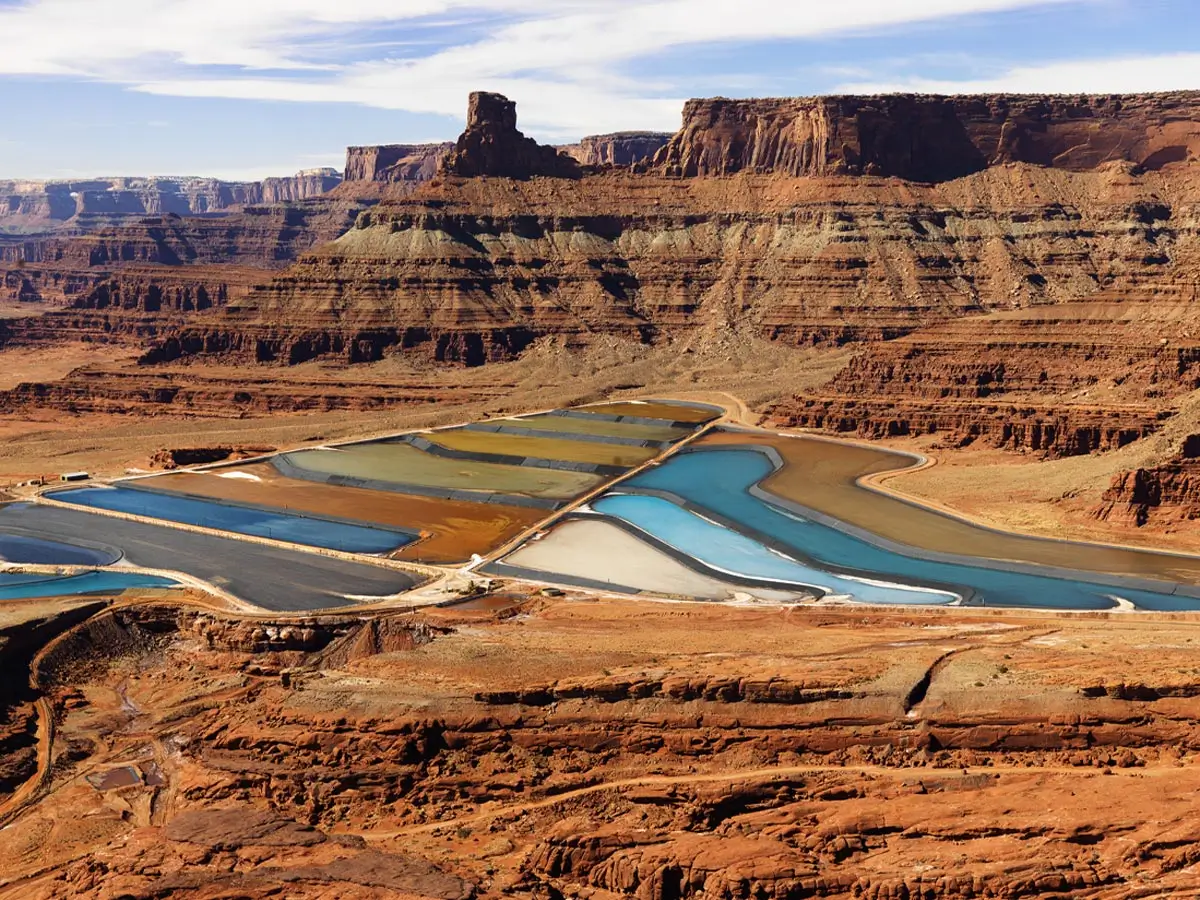
The process begins with mining ore, which is then crushed and ground into a fine powder. This material undergoes various physical and chemical separation processes—such as flotation, gravity separation, or leaching—to isolate the desired minerals. What remains is a slurry of water and fine solid particles, often containing residual processing chemicals, unrecovered minerals, and naturally occurring elements that can be toxic, such as heavy metals or sulfides. Managing these enormous quantities of tailings, which can range from millions to billions of tons at a single mine site, demands sophisticated technological solutions to mitigate risks, ensure safety, and even uncover new opportunities.
The evolution of mining technology, from excavation to extraction, has consistently pushed boundaries. However, the management of its byproducts, particularly tailings, has often lagged. Today, a paradigm shift is underway, driven by a blend of regulatory pressures, environmental stewardship, and a burgeoning understanding of tailings as a complex material stream rather than just waste. This article delves into the technological innovations currently transforming how we understand, manage, and even repurpose mine tailings, placing it firmly within the realm of cutting-edge industrial technology.
The Evolving Challenge of Tailings Management
For decades, mine tailings were primarily viewed through the lens of disposal. The most common method involved storing the slurry in large impoundments, often behind massive earthen dams, forming structures known as Tailings Storage Facilities (TSFs). While seemingly straightforward, this approach presents a myriad of complex technical challenges, exacerbated by the increasing scale of mining operations and the inherent properties of tailings themselves. The sheer volume of material, combined with its often unstable nature and chemical composition, necessitates constant technological oversight.
Environmental and Safety Imperatives: A Technological Race Against Risk
The primary drivers for advanced tailings technology are undeniably environmental protection and human safety. Tailings impoundments, particularly those holding large volumes of wet tailings, are susceptible to failures. Catastrophic dam collapses, such as those at Samarco in Brazil (2015) and Brumadinho, Brazil (2019), have underscored the devastating potential for loss of life, widespread environmental contamination, and severe economic consequences. These tragedies have galvanized the industry and regulatory bodies to demand more robust, technologically advanced solutions for TSF design, construction, and ongoing monitoring.
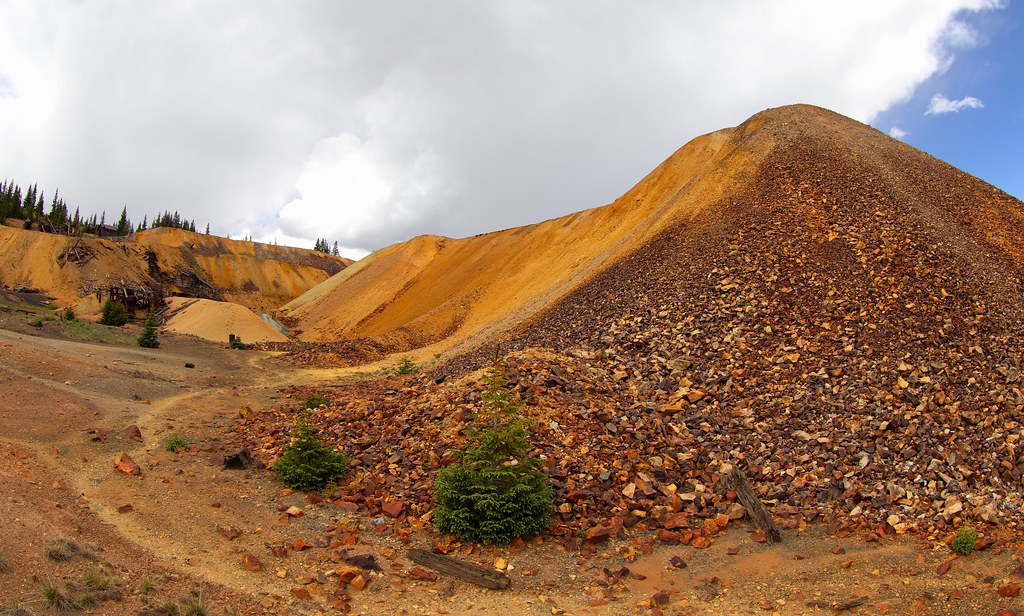
Beyond dam stability, the environmental footprint of tailings is a persistent concern. The fine particulate matter can be easily dispersed by wind and water, leading to soil and water contamination. Acid Mine Drainage (AMD), a common issue when sulfide minerals in tailings react with oxygen and water, produces acidic leachate that can mobilize heavy metals and contaminate ecosystems over vast areas for centuries. Preventing and remediating these environmental impacts requires sophisticated geochemical modeling, advanced material science, and precise monitoring technologies that can detect issues before they escalate. The imperative is not merely to contain, but to understand, predict, and proactively manage every facet of tailings behavior—a task uniquely suited for technological intervention.
Economic Pressures and Resource Scarcity: The Hidden Value Proposition
While safety and environment are paramount, economic factors also play a crucial role in driving technological innovation in tailings management. The construction and maintenance of TSFs represent a substantial capital and operational expenditure for mining companies. Moreover, the long-term liabilities associated with these facilities—including monitoring, remediation, and perpetual care—can extend for decades, if not centuries, impacting a company’s financial viability and stock market valuation.
However, a new technological perspective is emerging: viewing tailings not merely as waste, but as a potential resource. As mineral grades in new ore bodies decline and the demand for critical minerals (e.g., rare earths, lithium, cobalt) skyrockets, the residual minerals locked within historical tailings dams are gaining attention. Advanced separation and extraction technologies are making it economically viable to reprocess old tailings, not only recovering valuable resources but also reducing the volume and toxicity of the original waste material. This dual benefit transforms a liability into a potential asset, driving research and development into innovative reprocessing techniques that rely heavily on material science, chemical engineering, and automation.
Leveraging Technology for Safer Tailings Storage and Monitoring
The cornerstone of modern tailings management lies in intelligent monitoring and predictive analytics. Technologies once considered futuristic are now standard tools, providing unprecedented insights into the stability and environmental performance of TSFs.
Advanced Sensor Networks and IoT: Real-Time Vigilance
The deployment of sophisticated sensor networks is revolutionizing TSF monitoring. Internet of Things (IoT) devices, equipped with geotechnic, hydrologic, and environmental sensors, collect real-time data on critical parameters such such as pore water pressure, phreatic surface levels, ground movement (inclinometers, extensometers), temperature, and seismic activity. These sensors transmit data wirelessly to centralized platforms, enabling continuous surveillance of TSF stability and performance. Early warning systems, triggered by anomalies or threshold breaches, can alert operators to potential issues, allowing for timely intervention and preventing catastrophic failures. The integration of these networks creates a “nervous system” for the TSF, providing dynamic health checks.
AI and Machine Learning for Risk Assessment: Predictive Power
Raw sensor data, while valuable, gains immense power when processed through Artificial Intelligence (AI) and Machine Learning (ML) algorithms. AI models can analyze vast datasets from sensor networks, satellite imagery, and historical records to identify subtle patterns and predict potential risks long before they become apparent to human operators. For instance, ML algorithms can forecast changes in slope stability based on pore pressure fluctuations and rainfall patterns, or predict the likelihood of liquefaction events. They can detect anomalies in deformation patterns, correlate environmental variables with potential leaching events, and optimize operational parameters for TSF dewatering or deposition. This shift from reactive monitoring to proactive, predictive risk assessment is a game-changer, moving beyond mere data collection to intelligent data interpretation and actionable insights.
Drone Technology and Remote Sensing: Eyes in the Sky
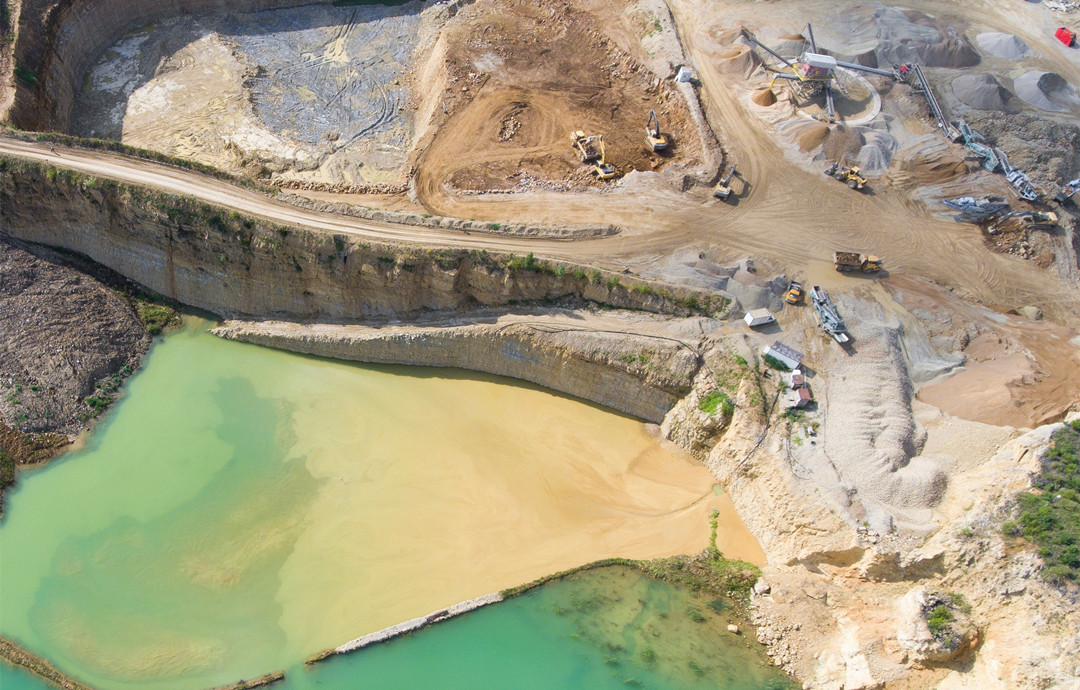
Drones, equipped with high-resolution cameras, LiDAR (Light Detection and Ranging) scanners, thermal imagers, and multispectral sensors, offer an invaluable aerial perspective for TSF management. They can rapidly map large areas, conduct volumetric surveys to assess changes in tailings deposition or erosion, inspect dam structures for cracks or seepage, and monitor vegetation health as an indicator of environmental stress. Remote sensing technologies, leveraging satellite imagery, further augment this capability, allowing for monitoring of TSFs in remote locations or over vast geographical areas, tracking long-term deformation, and detecting environmental changes over time. This non-invasive, efficient data collection method significantly reduces the need for hazardous manual inspections and provides comprehensive spatial data for analysis.
Digital Twins and Simulation Software: Virtual TSF Management
The concept of a “digital twin” is gaining traction in industrial asset management, and TSFs are no exception. A digital twin is a virtual replica of a physical TSF, continuously updated with real-time data from sensor networks, drone surveys, and other monitoring systems. This dynamic model allows engineers to simulate various scenarios—such as extreme weather events, seismic activity, or changes in operational parameters—to understand their potential impact on TSF stability and environmental performance. Simulation software, integrated with the digital twin, enables predictive modeling of tailings flow, consolidation rates, and geochemical reactions. This powerful tool facilitates optimized design, informed decision-making, and robust emergency planning, allowing for “what-if” analyses in a safe, virtual environment before implementing physical changes.
Innovative Technologies for Tailings Reprocessing and Resource Recovery
Beyond safe containment, a revolutionary shift in thinking is driven by technologies that aim to transform tailings from waste into a valuable resource, closing the loop towards a circular economy in mining.
Advanced Separation Techniques: Unlocking Residual Value
Historical mining operations, especially those from decades or centuries past, often left behind significant quantities of valuable minerals in their tailings due to less efficient processing technologies. Modern advanced separation techniques are designed to re-extract these residual minerals. Technologies like enhanced flotation (using specialized reagents), magnetic separation (for minerals like magnetite or chromite), gravity separation (for denser minerals), and sensor-based sorting can efficiently recover metals, industrial minerals, and even critical elements like rare earth oxides from tailings. This reprocessing not only provides a new revenue stream but also reduces the overall environmental burden by diminishing the volume and toxicity of the remaining material.
Hydrometallurgical and Bioremediation Solutions: Chemical and Biological Detoxification
For tailings containing toxic elements or those generating acid mine drainage, innovative hydrometallurgical and bioremediation technologies offer pathways for detoxification and, in some cases, further resource recovery. Hydrometallurgy involves using aqueous solutions to dissolve and recover metals from tailings, often in a more environmentally controlled manner than traditional pyrometallurgy. Advances in leaching agents and solvent extraction techniques are making this process more selective and efficient.
Bioremediation leverages biological processes to stabilize or remove contaminants. This can include using specific bacteria to neutralize acid mine drainage by precipitating metals or consuming sulfates, or employing phytoremediation, where certain plants absorb heavy metals from the tailings, thereby cleaning the soil and potentially allowing for subsequent recovery of those metals from the plant biomass. These biological approaches offer greener, often lower-cost alternatives for long-term site rehabilitation.
Tailings as Construction Materials: Circular Economy Applications
One of the most promising technological avenues for tailings utilization is their transformation into inert, valuable construction materials. Through processes like geopolymerization, specific binders and chemical activators are used to convert fine tailings into a stable, cement-like material that can be used as backfill in mines, or manufactured into bricks, blocks, and aggregates for civil infrastructure projects. This not only diverts massive quantities of waste from TSFs but also provides a sustainable alternative to conventional construction materials, reducing demand for virgin resources. Technologies that enable the safe and efficient incorporation of tailings into these new products require extensive materials science research, quality control software, and robust testing protocols to ensure structural integrity and environmental safety.
The Future of Tailings: Towards a Circular Mining Economy
The trajectory of tailings management is clearly towards greater integration, intelligence, and circularity, driven by continuous technological advancements.
Integrated Digital Platforms: Holistic Management
The future of tailings management will likely reside in fully integrated digital platforms that bring together all aspects of TSF lifecycle management. These platforms will merge data from sensor networks, AI analytics, drone imagery, digital twins, and operational controls into a single, comprehensive interface. Such systems will provide a holistic view of TSF performance, environmental impact, and operational efficiency, enabling predictive maintenance, optimized resource allocation, and real-time compliance reporting. These sophisticated “control centers” for tailings will be critical for managing the complexity and scale of modern mining operations.
R&D and Collaboration: Driving Innovation
The rapid pace of innovation in tailings technology is fueled by extensive research and development efforts, often involving collaboration between mining companies, technology providers, academic institutions, and government bodies. Breakthroughs in materials science for safer dam construction, advanced robotics for autonomous inspection, new chemical processes for mineral recovery, and sophisticated data analytics for environmental monitoring are all products of this collaborative ecosystem. The open sharing of data, best practices, and technological solutions is becoming increasingly vital to collectively address this global challenge.
Policy and Regulatory Technology: Ensuring Compliance and Transparency
Technology is also playing an increasing role in the regulatory oversight of tailings facilities. Regulatory bodies are adopting advanced software tools for compliance monitoring, risk assessment, and data verification. Blockchain technology, for example, could be used to create immutable records of TSF inspection data, operational parameters, and environmental performance, enhancing transparency and accountability across the industry. Geo-spatial platforms are used to manage permits and track environmental impact, making the entire regulatory process more efficient and data-driven.
Conclusion
Mine tailings, once a mere industrial afterthought, have evolved into a focal point for technological innovation. From advanced sensors and AI-driven predictive analytics that ensure safety and environmental protection, to cutting-edge reprocessing techniques that transform waste into valuable resources, technology is reshaping every aspect of tailings management. The journey towards a truly circular mining economy, where waste is minimized and resources are maximized, is intrinsically linked to these advancements. By embracing these sophisticated tools and adopting a proactive, tech-driven approach, the mining industry is not only mitigating significant risks but also unlocking new value and paving the way for a more sustainable and responsible future. The question “what is mine tailings?” is increasingly answered not by defining a problem, but by showcasing the ingenuity of technological solutions applied to one of industry’s most complex challenges.
aViewFromTheCave is a participant in the Amazon Services LLC Associates Program, an affiliate advertising program designed to provide a means for sites to earn advertising fees by advertising and linking to Amazon.com. Amazon, the Amazon logo, AmazonSupply, and the AmazonSupply logo are trademarks of Amazon.com, Inc. or its affiliates. As an Amazon Associate we earn affiliate commissions from qualifying purchases.