
In the ever-evolving landscape of digital asset management and marketing technology, acronyms proliferate, often leaving those outside the immediate sphere of a specific industry feeling a touch lost. “PIMS” is one such acronym that has gained considerable traction, particularly within the realms of e-commerce, retail, and digital marketing. At its core, PIMS stands for Product Information Management System. However, this simple definition belies the complexity, utility, and transformative power these systems offer to businesses of all sizes.
A PIMS is not just a database or a simple spreadsheet for product data. It is a specialized software solution designed to centralize, standardize, enrich, and distribute product-related information across various sales channels and marketing touchpoints. In today’s hyper-competitive and increasingly digital marketplace, where consumers expect detailed, accurate, and consistent product information everywhere they shop, a robust PIMS has become less of a luxury and more of a fundamental necessity for operational efficiency and competitive advantage. This article will delve into the intricacies of what a PIMS is, why it’s crucial, its key functionalities, and the tangible benefits it delivers, all within the context of the technology that underpins modern commerce.
The Core Problem: Product Data Chaos
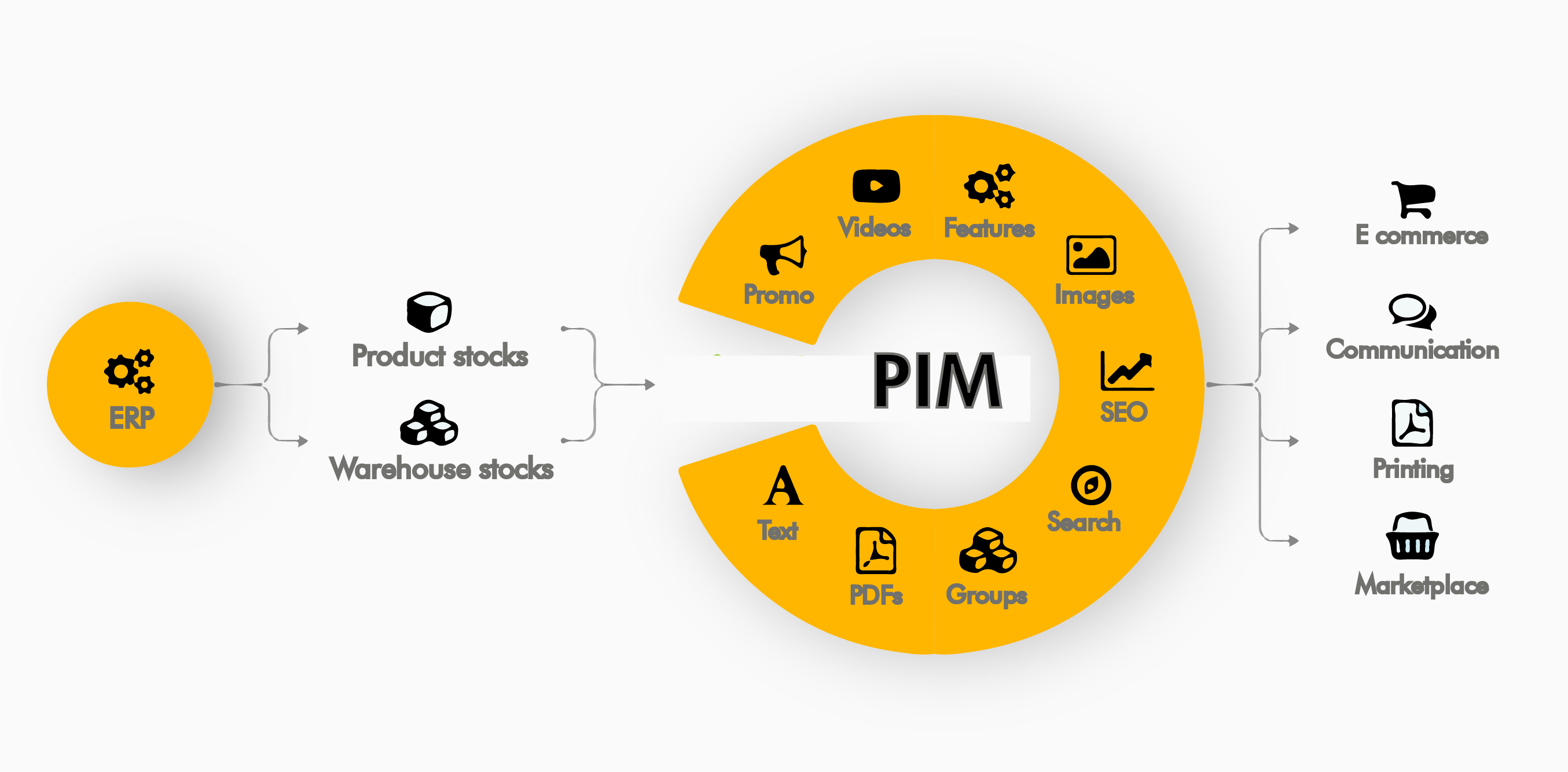
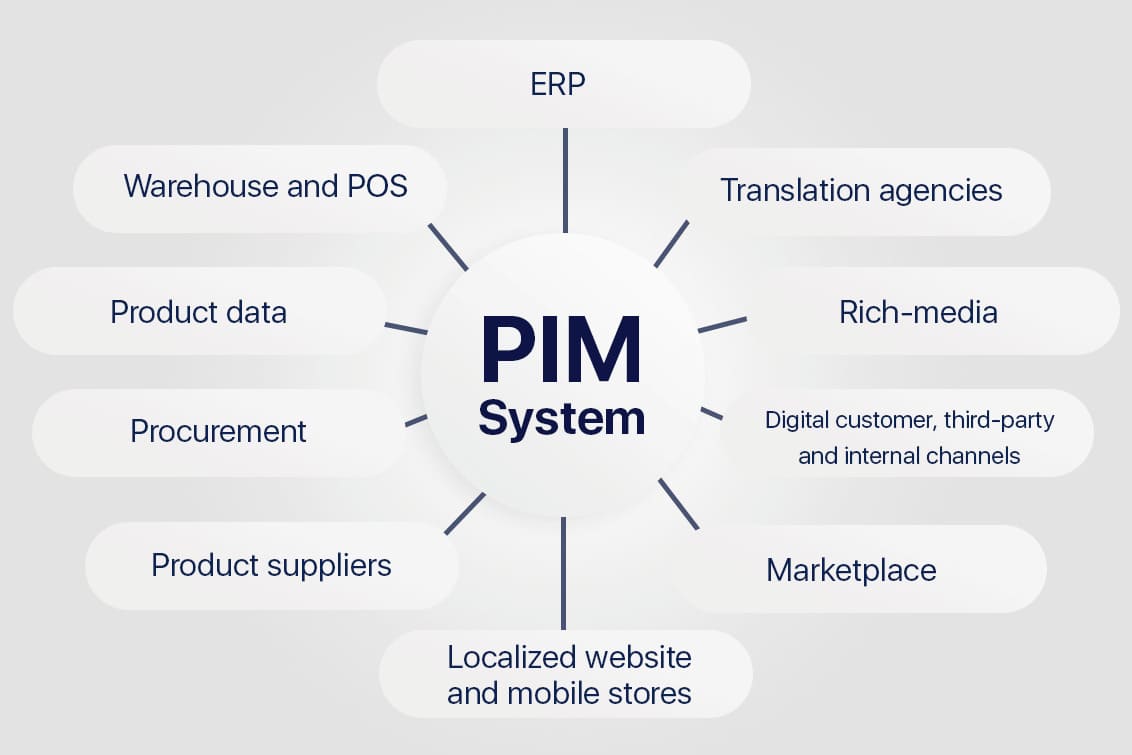
Before understanding the solution, it’s vital to grasp the problem that a PIMS effectively addresses. In most organizations, product information originates from disparate sources. This can include raw data from ERP (Enterprise Resource Planning) systems, supplier feeds, marketing collateral, product development teams, and even manual input from various departments. This data is often fragmented, inconsistent, and lacks a single source of truth.
Siloed Data and Inconsistent Information
Imagine a large retail organization with thousands of SKUs (Stock Keeping Units). Each product might have its description managed by the marketing team, technical specifications by the product development team, pricing by the finance department, and inventory levels by the logistics team. Without a unified system, these pieces of information can easily become out of sync. For example, a product description in the marketing catalog might not align with the technical specifications in the product manual, or pricing changes might not be reflected uniformly across all sales channels. This not only leads to operational inefficiencies but also directly impacts the customer experience.
Inaccurate and Incomplete Product Details
When product information is scattered and managed manually, the risk of errors, omissions, and outdated details increases significantly. This can manifest in several ways:
- Incorrect specifications: Customers might receive products that don’t match the advertised technical details, leading to returns and dissatisfaction.
- Missing attributes: Essential information like dimensions, materials, compatibility, or care instructions might be absent, frustrating potential buyers and hindering their purchasing decisions.
- Outdated pricing: Inaccurate pricing displayed online can lead to customer complaints, brand damage, and potential financial losses if the company is forced to honor incorrect prices.
- Inconsistent branding: Different channels might present the same product with varying brand messaging or imagery, diluting the overall brand consistency.
Inefficient Workflow and Time-to-Market Delays
The manual aggregation, cleaning, and distribution of product data is a labor-intensive and time-consuming process. Marketing teams spend countless hours trying to gather information from different departments, journalists struggle to find accurate details for reviews, and e-commerce teams battle to upload and update product listings across multiple platforms. This inefficiency not only drains resources but also significantly slows down the time-to-market for new products, allowing competitors to gain an advantage.
The PIMS Solution: Centralization and Enrichment
A Product Information Management System acts as a central hub for all product-related data, providing a single, authoritative source of truth. It’s designed to overcome the challenges of data silos and inconsistencies by offering a structured and streamlined approach to managing product information throughout its lifecycle.
Centralized Repository for Product Data
The fundamental function of a PIMS is to aggregate product data from various internal and external sources into a single, accessible database. This includes:
- Basic Product Data: SKU, product name, brand, category, supplier.
- Descriptive Data: Rich product descriptions, key features, benefits, usage instructions.
- Technical Specifications: Dimensions, weight, materials, performance metrics, compatibility details.
- Marketing Assets: High-resolution images, videos, 3D models, marketing copy, brochures.
- Pricing and Promotions: Cost prices, retail prices, discount information, promotional calendars.
- Channel-Specific Data: Information tailored for different marketplaces, e-commerce platforms, or print catalogs.
By consolidating all this information, a PIMS eliminates the need to search across multiple systems or rely on disparate spreadsheets, making it significantly easier for teams to access and manage product details.
Data Standardization and Normalization
Beyond just aggregation, a PIMS enforces data quality and consistency through standardization and normalization. This involves:
- Attribute Mapping: Defining a consistent set of attributes and their formats across all products. For instance, ensuring all measurements are in the same unit (e.g., centimeters or inches).
- Data Validation Rules: Implementing checks to ensure data accuracy and completeness. This could include mandatory fields, format validation (e.g., ensuring a price field contains only numbers), and range checks.
- Deduplication: Identifying and merging duplicate product entries to maintain a clean and accurate database.
- Taxonomy and Classification: Establishing a hierarchical structure for categorizing products, making them easier to search, filter, and manage.
This process ensures that product data is clean, accurate, and presented in a uniform manner, regardless of its origin or intended distribution channel.
Data Enrichment and Optimization
A PIMS goes beyond simply storing data; it empowers businesses to enrich it to create compelling product experiences. This can involve:
- Adding Rich Media: Easily attaching and managing high-quality images, videos, and 360-degree views that enhance product appeal.
- Crafting Compelling Narratives: Developing detailed and persuasive product descriptions that highlight benefits and resonate with target audiences.
- SEO Optimization: Incorporating keywords and metadata to improve product discoverability on search engines and e-commerce platforms.
- Localization: Translating and adapting product information for different geographical markets, including language, currency, and cultural nuances.
- Personalization: While often integrated with other systems, a PIMS can provide the foundational data to enable personalized product recommendations and experiences.
By enriching product data, businesses can create more engaging and informative product pages, leading to higher conversion rates and improved customer satisfaction.
Key Functionalities of a PIMS
A sophisticated PIMS offers a suite of functionalities designed to streamline product information management workflows and maximize the value of product data.
Data Modeling and Schema Management
At its core, a PIMS allows for the flexible definition of a product data model. This means businesses can create custom attributes, define relationships between different data elements, and build a schema that precisely reflects their product catalog and business requirements. This adaptability is crucial for handling the diverse needs of different industries and product types.
Workflow and Collaboration Tools
Effective PIMS solutions incorporate robust workflow and collaboration features. This enables different teams (e.g., marketing, product development, compliance) to contribute to, review, and approve product information in a structured manner. Features like task assignments, version control, and approval routing ensure that product data changes are managed efficiently and transparently, fostering better interdepartmental cooperation.
Channel Management and Syndication
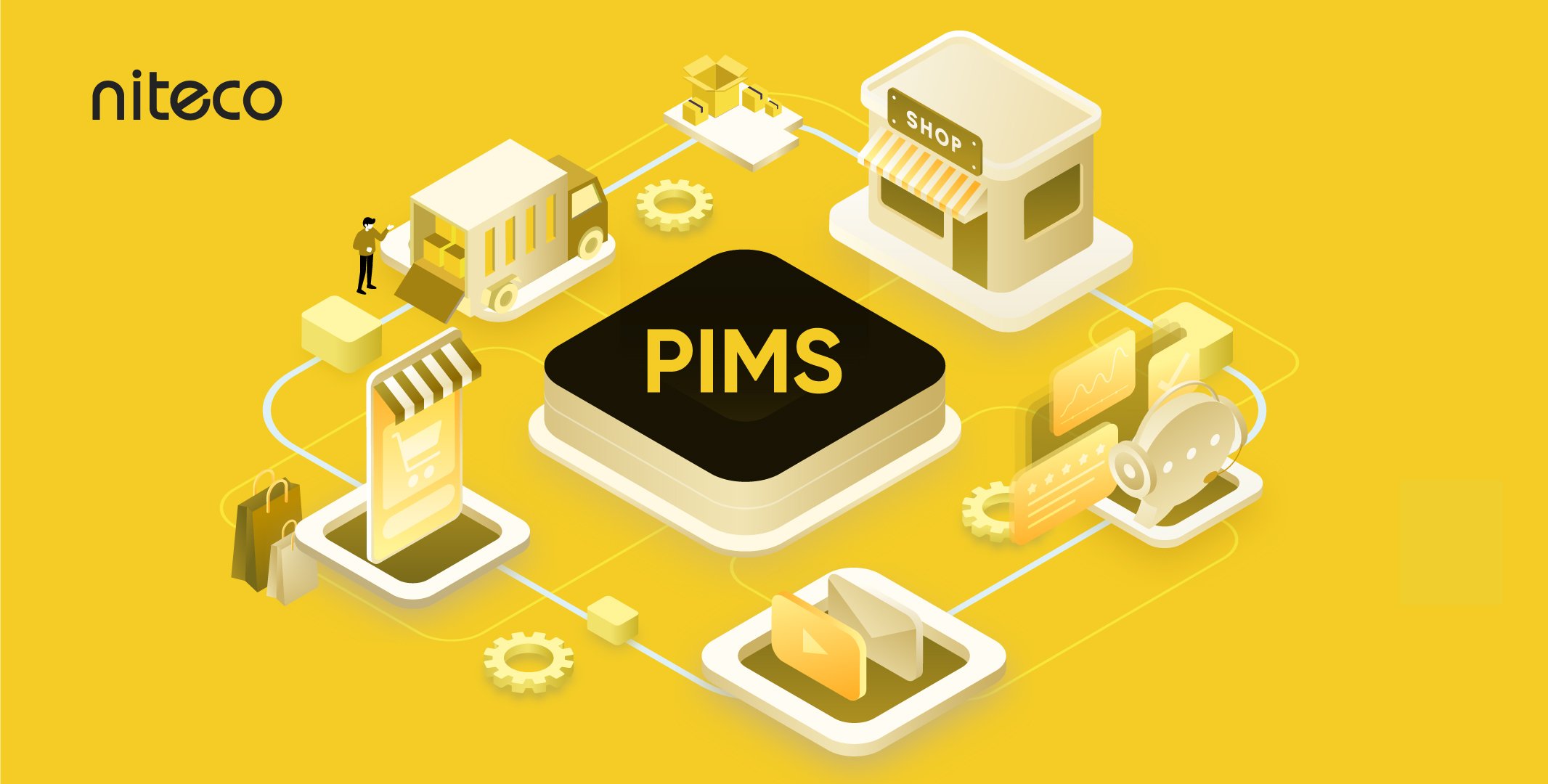
One of the most significant advantages of a PIMS is its ability to syndicate product information to multiple sales and marketing channels. This includes:
- E-commerce Platforms: Sending data to your own website, Amazon, eBay, Alibaba, and other online marketplaces.
- Print Catalogs and Brochures: Generating formatted output for traditional print media.
- Point-of-Sale (POS) Systems: Ensuring consistent product information at physical retail locations.
- Partner Portals: Sharing product data with distributors, resellers, or affiliates.
- Digital Asset Management (DAM) Systems: Integrating with DAMs to manage rich media assets alongside product data.
The PIMS acts as a central control panel, allowing businesses to push tailored product content to each channel, ensuring accuracy and consistency across all touchpoints.
Data Governance and Security
Robust data governance is a critical component of any PIMS. This involves defining roles and permissions to control who can access, edit, and approve product data. Security features protect sensitive product information from unauthorized access or modifications, ensuring data integrity and compliance with regulations.
The Transformative Benefits of Implementing a PIMS
The adoption of a PIMS can yield substantial benefits, impacting operational efficiency, marketing effectiveness, and overall business growth.
Enhanced Operational Efficiency
By centralizing data and automating many manual processes, a PIMS significantly reduces the time and effort required to manage product information. This frees up valuable resources that can be redirected to more strategic initiatives. The streamlined workflows lead to faster product launches, quicker updates, and a more agile response to market changes.
Improved Customer Experience
Accurate, complete, and compelling product information is fundamental to a positive customer experience. When customers can easily find the information they need, understand product details, and trust the accuracy of what they see, their confidence increases, leading to higher conversion rates and reduced return rates. Consistency across all channels builds brand trust and loyalty.
Increased Sales and Revenue
Well-managed and richly presented product information directly impacts sales. Better discoverability, more persuasive descriptions, and accurate details lead to more informed purchase decisions and fewer abandoned carts. Faster time-to-market means products reach consumers sooner, capitalizing on market opportunities. Moreover, by preventing costly errors and returns due to misinformation, a PIMS contributes to increased profitability.
Stronger Brand Consistency
In an era of omnichannel retail, maintaining a consistent brand image is paramount. A PIMS ensures that product names, descriptions, imagery, and brand messaging are uniform across all customer touchpoints, reinforcing brand identity and building a cohesive brand experience.
Reduced Time-to-Market
The ability to quickly onboard new products and update existing ones is a significant competitive advantage. A PIMS automates much of the data preparation and distribution process, drastically shortening the time it takes for a product to go from concept to customer.
Scalability for Growth
As businesses grow and their product catalogs expand, managing product information manually becomes increasingly unsustainable. A PIMS provides a scalable solution that can accommodate a growing number of SKUs, data attributes, and distribution channels, ensuring that product information management keeps pace with business expansion.
In conclusion, a Product Information Management System is a sophisticated technological solution that addresses the inherent complexities of managing product data in the digital age. It acts as the central nervous system for all product-related information, ensuring accuracy, consistency, and richness across every customer touchpoint. For any business serious about thriving in today’s e-commerce-driven world, understanding and implementing a PIMS is no longer an option, but a strategic imperative for success.
aViewFromTheCave is a participant in the Amazon Services LLC Associates Program, an affiliate advertising program designed to provide a means for sites to earn advertising fees by advertising and linking to Amazon.com. Amazon, the Amazon logo, AmazonSupply, and the AmazonSupply logo are trademarks of Amazon.com, Inc. or its affiliates. As an Amazon Associate we earn affiliate commissions from qualifying purchases.