
In the vast and ever-evolving world of Minecraft, where creativity and survival intertwine, enchanted books stand as a pinnacle of player progression and customization. More than just a rare find, these magical tomes represent a fundamental shift in how players can interact with and enhance their equipment. An enchanted book is not a weapon itself, nor a consumable resource in the traditional sense. Instead, its true power lies in its ability to transfer enchantments to other items, offering an unparalleled level of strategic depth and personalized gameplay. Understanding the mechanics and applications of enchanted books is crucial for any aspiring Minecraft architect, fearless explorer, or formidable warrior. This article will delve deep into the technological and programmatic intricacies that govern the function of enchanted books within the game’s digital architecture, exploring how they are generated, utilized, and the underlying systems that make them such an indispensable tool for players seeking to optimize their Minecraft experience.
The Algorithmic Genesis of Enchanted Books
The existence and function of enchanted books within Minecraft are entirely rooted in the game’s underlying code and algorithmic design. These items are not organic discoveries but rather meticulously programmed elements designed to add layers of complexity and reward to player progression.
Random Generation and Loot Tables
Enchanted books are not crafted by players directly; their acquisition is primarily through the game’s randomized loot systems. This means that their appearance is a product of complex algorithms that determine the probability of finding them in various in-game locations.
Chest Loot and Structure Generation
The most common avenues for obtaining enchanted books involve discovering them within generated structures. Dungeons, desert temples, jungle temples, shipwrecks, buried treasure, and end cities all contain chests that have a certain probability of spawning an enchanted book. The specific enchantments available within these books are also influenced by algorithms that consider the player’s current game stage and the difficulty of the encountered structure. For instance, books found in more challenging areas like end cities are more likely to possess higher-level or rarer enchantments.
Villager Trading and Profession Systems
Beyond natural generation, enchanted books can be acquired through the intricate villager trading system. This system, itself a marvel of AI and economic simulation within the game, allows players to exchange emeralds for various goods and services. Librarians, a specific villager profession, are programmed to offer enchanted books as part of their trade repertoire. The quality and type of enchantments a librarian offers are tied to their “profession level” and can be influenced by player actions, such as repeatedly trading with them to “level them up” and refresh their stock. This creates a dynamic feedback loop where player interaction directly impacts the availability of enchanted books, a testament to the programmed behavioral patterns of the in-game NPCs.
Fishing and Mob Drops
While less common, enchanted books can also be obtained through fishing, another system governed by programmed probabilities. The “luck” attribute, influenced by enchantments on the fishing rod itself, plays a significant role in the chances of catching a treasure item, which can include enchanted books. Furthermore, specific hostile mobs, particularly those that can drop enchanted items upon defeat (though not directly books themselves, this connects to the broader enchantment system), contribute to the overall digital ecosystem where these magical items are woven into the fabric of gameplay progression.
The Enchantment Transfer Mechanism: A Core Game System
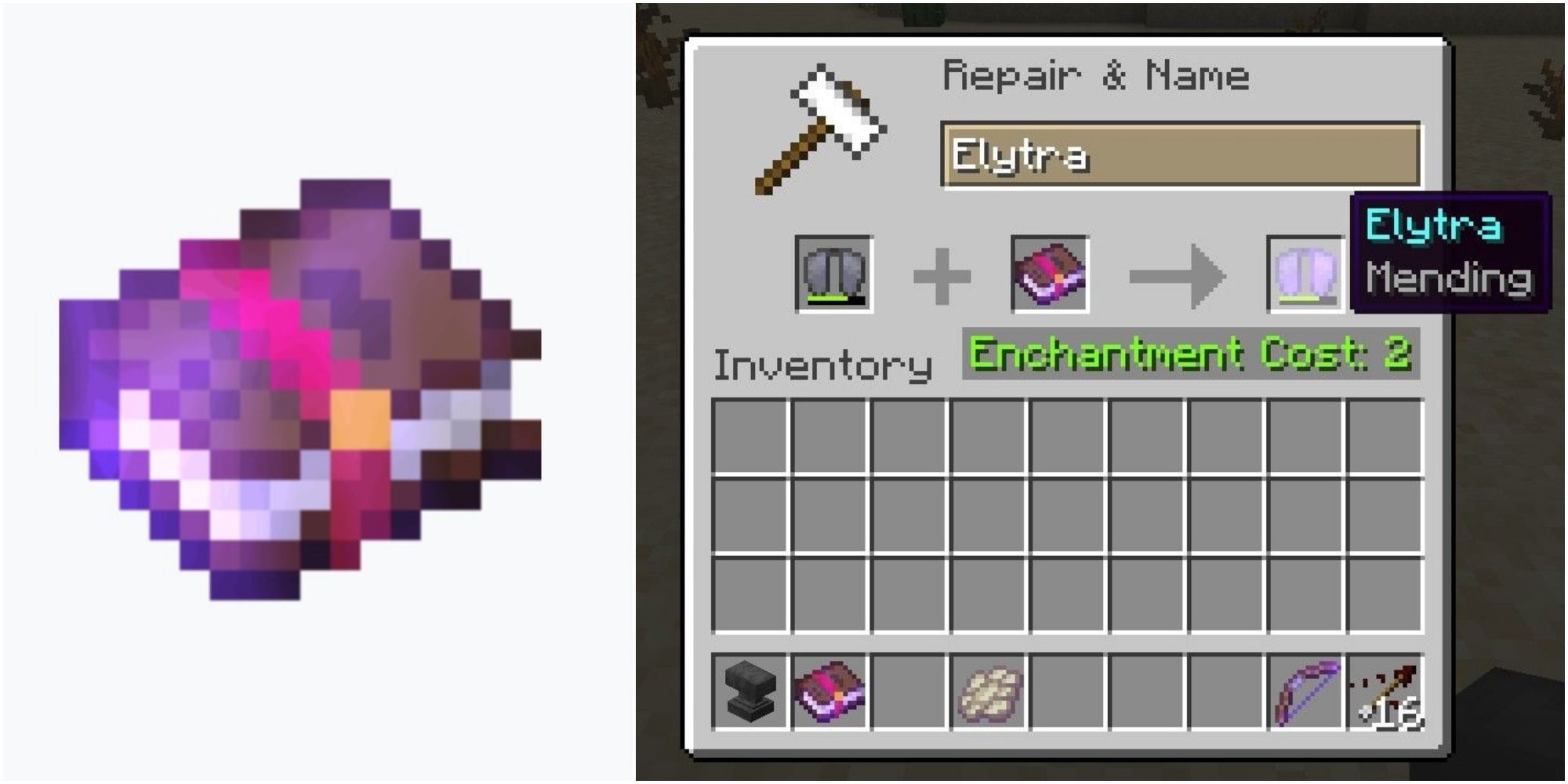
The primary function of an enchanted book is to transfer its magical properties to another item. This process is facilitated by a specific in-game crafting station: the anvil, which acts as the interface for this sophisticated enchantment transfer.
The Anvil Interface: Functionality and Resource Costs
The anvil is a block that, when interacted with, presents a user interface designed for item repair and enchantment application. This interface is where the technological magic of the enchanted book truly comes to life.
Combining Enchantments: The Player’s Intent
To use an enchanted book, the player must place the book and the target item (e.g., a sword, armor, or tool) into the anvil’s interface. The game’s algorithms then calculate the “cost” of this operation, which is typically paid in experience levels. This cost is not arbitrary; it’s determined by several factors, including the rarity of the enchantment on the book, the level of the enchantment, and the previous enchantments already present on the target item. The anvil interface visually displays this experience cost, providing players with a clear indication of the resource investment required.
Enchantment Compatibility and Prioritization

A crucial aspect of the anvil system is its adherence to predefined rules regarding enchantment compatibility. Not all enchantments can be applied to every item, and some enchantments may conflict with others. For instance, a “Sharpness” enchantment cannot be applied to a pickaxe, as it’s designed for weapons. Similarly, enchantments like “Mending” and “Infinity” are mutually exclusive on a bow. The game’s programming dictates these compatibility rules, preventing players from creating overpowered or nonsensical item combinations. When multiple enchanted books are available, the anvil system prioritizes the enchantments that are valid for the target item, streamlining the process for the player.
Experience Cost Calculation and Decay
The experience cost associated with using an enchanted book on an anvil is a dynamically calculated value. It’s designed to act as a gatekeeper, ensuring that powerful enchantments are earned and not easily accumulated. The system takes into account the “enchantment cost” of the book and the “item cost” of the target item. If an item has already undergone several enchantment operations (via the anvil), its “repair cost” and subsequent enchantment costs will increase. This mechanic, often referred to as “prior work penalty” or “enchantment decay,” is a clever programming choice to prevent players from endlessly combining enchantments without significant investment, thereby maintaining a sense of progression and challenge.
The Result: A Transformed Item
Upon successful application, the enchantment from the book is permanently transferred to the target item. The enchanted book is consumed in this process, signifying the transfer of its magical essence. The target item is then imbued with the new enchantment, augmenting its capabilities. This could mean a sword that deals more damage, armor that provides greater protection, or tools that mine faster or with greater efficiency.
Advanced Applications and Strategic Integration
Beyond the fundamental act of transferring enchantments, the strategic use of enchanted books opens up a world of advanced possibilities for players, allowing for meticulous item optimization and the creation of specialized gear for diverse gameplay scenarios.
Item Specialization and Playstyle Enhancement
Enchanted books are the key to tailoring equipment to specific needs and playstyles. A player focused on combat might seek books with “Sharpness V,” “Power V,” and “Protection IV” for their weapons and armor. Conversely, a player dedicated to resource gathering would prioritize books like “Efficiency V” and “Fortune III” for their pickaxes and shovels.
Combat Prowess and Defensive Capabilities
The ability to imbue weapons with offensive enchantments such as “Sharpness,” “Smite,” “Bane of Arthropods,” “Fire Aspect,” and “Knockback” allows players to significantly increase their damage output and control over enemies. Similarly, defensive enchantments like “Protection,” “Fire Protection,” “Blast Protection,” and “Projectile Protection” on armor can drastically improve survival rates against various threats. Enchanted books are the direct conduits for achieving these potent combat bonuses, turning a basic sword into a legendary blade or a simple leather cap into an impenetrable helm.
Resource Gathering Efficiency and Durability
For players focused on building, mining, or farming, enchanted books offer an exponential boost to efficiency. “Efficiency” enchantments on tools allow for faster block breaking, while “Fortune” and “Silk Touch” provide crucial advantages in item acquisition. “Fortune” increases the yield of certain blocks (like ores and crops), and “Silk Touch” allows players to mine blocks that would otherwise be destroyed (like glass or ore blocks in their raw form). Furthermore, enchantments like “Mending” and “Unbreaking” extend the lifespan of tools and armor, reducing the need for constant repairs and resource expenditure, representing a significant economic and logistical advantage within the game’s simulation.
The Art of Enchantment Management and Optimization
The strategic acquisition and application of enchanted books, particularly when dealing with higher-level or multiple enchantments, requires a nuanced understanding of the game’s underlying systems.
Managing Enchantment Conflicts and “Prior Work”
As mentioned earlier, certain enchantments are mutually exclusive. Players must carefully plan which enchantments they wish to combine to avoid wasting valuable enchanted books and experience levels. The “prior work” penalty on the anvil also plays a critical role. Applying an enchantment to an item that has already been enchanted multiple times will result in a significantly higher experience cost. Therefore, players are often advised to collect all desired enchantments on separate books or items and then combine them in a specific order to minimize this cost. This involves a degree of foresight and strategic planning, akin to optimizing resource allocation in a complex engineering project.
The Role of the Enchanting Table and Further Customization
While enchanted books offer direct enchantment transfer, the traditional enchanting table remains a vital component of the enchantment system. The enchanting table generates random enchantments based on the number of bookshelves surrounding it, providing a source of both basic enchantments and potential enchantments that can later be captured in books. Players can use the enchanting table to get specific enchantments onto items, then use books to further enhance those items or transfer those enchantments to different gear. This interplay between the enchanting table and enchanted books creates a tiered system of progression and customization, where players can strategically acquire, refine, and apply enchantments to achieve their desired outcomes. The underlying algorithms that govern both the enchanting table and the anvil interaction are designed to create a rewarding, yet challenging, progression path for players.
In conclusion, the enchanted book in Minecraft is far more than a simple in-game item. It is a sophisticated piece of digital programming that unlocks a profound level of player agency and customization. From its algorithmic generation through loot tables and villager trades to its intricate transfer mechanism via the anvil, every aspect of its function is a testament to the clever design and engineering principles embedded within the Minecraft experience. By understanding these mechanics, players can transcend the basic survival elements and truly master the art of digital creation and personal progression, transforming their virtual worlds with gear imbued with their own strategic foresight and ambition.
aViewFromTheCave is a participant in the Amazon Services LLC Associates Program, an affiliate advertising program designed to provide a means for sites to earn advertising fees by advertising and linking to Amazon.com. Amazon, the Amazon logo, AmazonSupply, and the AmazonSupply logo are trademarks of Amazon.com, Inc. or its affiliates. As an Amazon Associate we earn affiliate commissions from qualifying purchases.