
Understanding the dietary preferences of Mus musculus, commonly known as the house mouse, is a perennial challenge and a critical concern across various sectors. From public health and agricultural pest management to the development of sophisticated wildlife monitoring systems and even in the realm of AI-driven simulation, knowing what attracts and sustains these ubiquitous rodents is paramount. While traditional methods have relied on observation and laboratory studies, the advent of advanced technology, particularly in data analytics, sensor technology, and artificial intelligence, is revolutionizing our ability to decipher rodent appetites with unprecedented precision. This article explores how technological advancements are shedding light on the eating habits of mice, transforming our understanding from simple observation to data-driven insights.

The Evolving Landscape of Rodent Diet Research: From Traps to Transponders
Historically, understanding rodent diets involved rudimentary methods. Trapping and analyzing stomach contents provided a snapshot, but this was often imprecise and limited. Modern research, however, leverages a suite of technological tools to gather more comprehensive and nuanced data.
Advanced Trapping and Monitoring Technologies
Traditional snap traps and live traps have been augmented by smart traps equipped with sensors. These sensors can detect the presence of a mouse and even identify the bait taken. This data can be transmitted wirelessly, allowing for real-time monitoring of trap effectiveness and, by extension, bait attractiveness. Beyond simple trapping, motion-activated cameras with infrared capabilities can capture detailed behavioral data around feeding stations. These cameras, coupled with sophisticated image recognition software, can distinguish between different mouse individuals and record their feeding patterns, duration, and the specific baits consumed.
Isotopic Analysis and Molecular Techniques
While not strictly “tech” in the gadget sense, advanced laboratory techniques that analyze rodent tissues play a crucial role. Stable isotope analysis (SIA) can reveal the long-term diet of an individual mouse by examining the ratios of naturally occurring isotopes in its tissues. This technique, when combined with other monitoring data, provides a broader picture of dietary habits beyond immediate bait preferences. Furthermore, DNA metabarcoding of fecal samples or stomach contents can identify the presence of specific food sources, offering a detailed and often surprising glimpse into a mouse’s consumption habits. These molecular techniques, powered by advanced sequencing and bioinformatics, are transforming our ability to reconstruct diets with remarkable accuracy.
The Role of Data Analytics and Machine Learning
The sheer volume of data generated by smart traps, cameras, and molecular analyses necessitates advanced data processing. This is where the power of data analytics and machine learning truly shines. Algorithms can sift through vast datasets to identify patterns, correlations, and trends that would be invisible to human analysts. For instance, machine learning models can be trained to predict bait attractiveness based on environmental factors, time of day, and even the presence of other rodents. This predictive capability is invaluable for optimizing pest control strategies and for developing more effective lures.
Decoding Palatability: The Science Behind Mouse Food Preferences Through Technology
Mice, like all organisms, exhibit complex dietary preferences driven by a combination of biological imperatives and environmental influences. Technology is enabling us to dissect these preferences with greater clarity.
Nutritional Requirements and Sensorial Cues
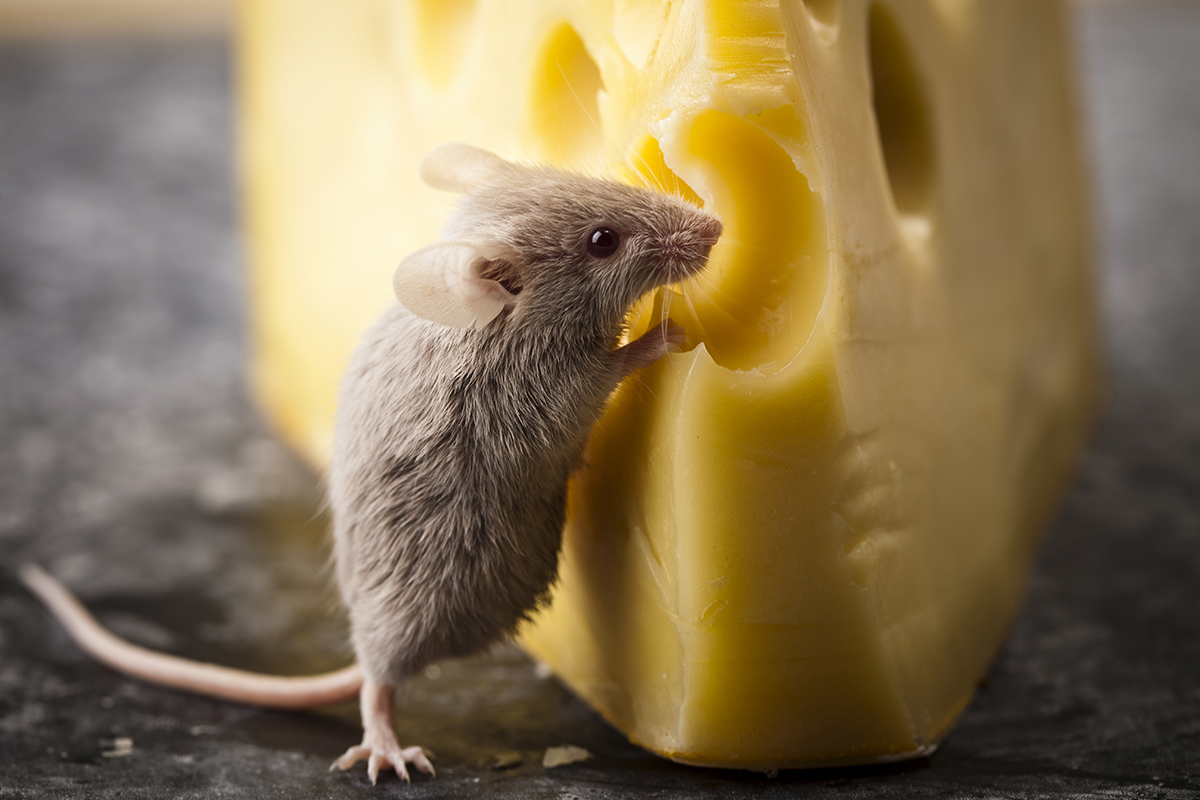
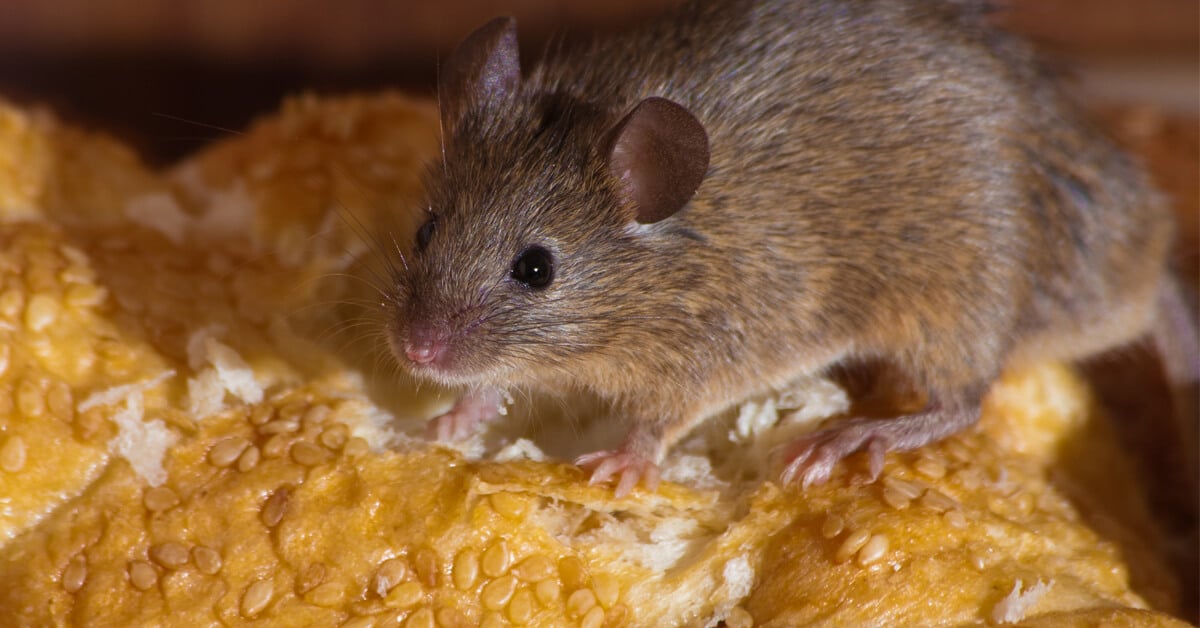
At their core, mice are opportunistic omnivores with a strong inclination towards carbohydrates and fats, which provide essential energy. They also seek out protein for growth and repair. Technology aids in understanding how these needs translate into bait choices. For example, electronic noses and sophisticated olfactometers can analyze the volatile compounds in different food items, helping researchers understand which scent profiles are most attractive to mice. This allows for the development of baits with precisely engineered aromas that mimic preferred food sources, such as grains, seeds, and even certain proteins.
The Impact of Environmental Factors and Social Cues
A mouse’s environment significantly influences its feeding behavior. Temperature, humidity, the presence of predators, and the availability of other food sources all play a role. Smart sensors embedded in rodent monitoring systems can collect real-time environmental data. This data can then be correlated with feeding activity captured by cameras. Machine learning algorithms can then identify how specific environmental conditions influence bait consumption. For instance, research might reveal that in cooler temperatures, mice are more attracted to high-fat baits, while in warmer, damper conditions, they might favor drier, grain-based lures.
Understanding Neophobia and Learned Preferences
Mice can exhibit neophobia, a fear of new things, including new food sources. This poses a challenge for pest control, as novel baits may be ignored. However, technology can help overcome this. By observing mice interacting with different baits over time using automated camera systems, researchers can track the gradual acceptance of new food items. This data can inform the development of baiting strategies that involve introducing novel lures gradually or combining them with familiar attractants. Furthermore, social learning plays a role; if one mouse finds a new food source palatable, others in the colony may follow. AI-powered behavioral analysis can help identify these social dynamics around feeding.
Applications of Tech-Driven Rodent Diet Knowledge
The insights gained from technologically advanced research into mouse dietary preferences have far-reaching applications across multiple domains.
Smart Pest Management and Urban Wildlife Control
In urban environments, effective pest management is crucial for public health and infrastructure. Smart bait stations equipped with sensors can not only detect rodent activity but also monitor bait consumption in real-time. This allows pest control professionals to deploy resources more efficiently, replenishing bait only where and when it’s needed. Furthermore, AI algorithms can analyze historical data to predict peak rodent activity periods, enabling proactive rather than reactive control measures. Understanding specific food preferences allows for the targeted use of baits, minimizing the use of broad-spectrum pesticides and reducing environmental impact.
Agricultural Innovations and Crop Protection
In agriculture, mice can cause significant crop damage. Technology can help farmers protect their fields more effectively. By deploying sensor networks and automated monitoring systems, farmers can detect rodent presence and identify their preferred food sources in and around their crops. This information can guide the strategic placement of rodenticides or deterrents. Moreover, advanced imaging technologies used in precision agriculture can identify areas of crop damage, allowing for targeted interventions based on an understanding of what mice are most likely to be feeding on.
AI and Robotics: Simulating and Understanding Biological Systems
The pursuit of understanding mouse feeding habits also feeds into the development of more sophisticated AI and robotics. Researchers creating AI agents for complex simulations or designing robots that interact with natural environments can benefit from accurate models of animal behavior. Understanding what mice “like to eat” provides crucial data for training AI to predict and react to animal interactions in ecological simulations. For robotic applications, such knowledge can inform the design of attractants or deterrents for robots intended to interact with or manage wildlife populations in controlled settings.
Wildlife Conservation and Research
Even in conservation efforts, understanding the dietary needs of small mammals like mice can be important. In some ecosystems, they are a critical food source for other wildlife. Technological tools can aid researchers in monitoring their populations and understanding their resource utilization. This information can be vital for assessing ecosystem health and for making informed decisions about habitat management and species conservation.
The Future of Rodent Diet Research: A Connected and Intelligent Approach
The intersection of technology and biology is rapidly transforming our understanding of what mice like to eat. The future promises even more sophisticated tools and methodologies.
Internet of Things (IoT) for Rodent Monitoring
The expansion of the Internet of Things (IoT) will enable the deployment of vast networks of interconnected sensors for rodent monitoring. These sensors will collect data not only on bait consumption but also on environmental parameters, rodent activity levels, and even acoustic signatures. This interconnected ecosystem of data will provide an unprecedented holistic view of rodent behavior and their dietary preferences.
Advanced AI and Predictive Modeling
As AI continues to evolve, so too will its ability to model and predict rodent behavior. Machine learning algorithms will become even more adept at identifying subtle patterns and making highly accurate predictions about food preferences under varying conditions. This could lead to the development of “smart” baits that dynamically adjust their attractiveness based on real-time environmental data and rodent presence.
Ethical Considerations and Sustainable Solutions
As our technological capabilities advance, so too must our ethical considerations. The development of more effective rodent control methods necessitates a strong focus on sustainability and minimizing unintended ecological consequences. Technology can aid in this by enabling highly targeted interventions, reducing the need for broad-spectrum chemicals, and providing data to support humane and effective pest management strategies. The goal is not just to know what mice like to eat, but to use that knowledge to create solutions that are both effective and environmentally responsible.
In conclusion, the question “What do mice like to eat?” is no longer a simple inquiry. Through the lens of technology, it has become a complex scientific challenge with profound implications. From advanced sensors and AI-driven analytics to molecular techniques and the burgeoning IoT, technology is providing us with the tools to decipher rodent appetites with unprecedented detail. This knowledge is not merely academic; it is actively shaping our approaches to pest management, agriculture, environmental monitoring, and even the future of artificial intelligence and robotics, promising more intelligent, targeted, and sustainable solutions for coexisting with these ubiquitous creatures.
aViewFromTheCave is a participant in the Amazon Services LLC Associates Program, an affiliate advertising program designed to provide a means for sites to earn advertising fees by advertising and linking to Amazon.com. Amazon, the Amazon logo, AmazonSupply, and the AmazonSupply logo are trademarks of Amazon.com, Inc. or its affiliates. As an Amazon Associate we earn affiliate commissions from qualifying purchases.